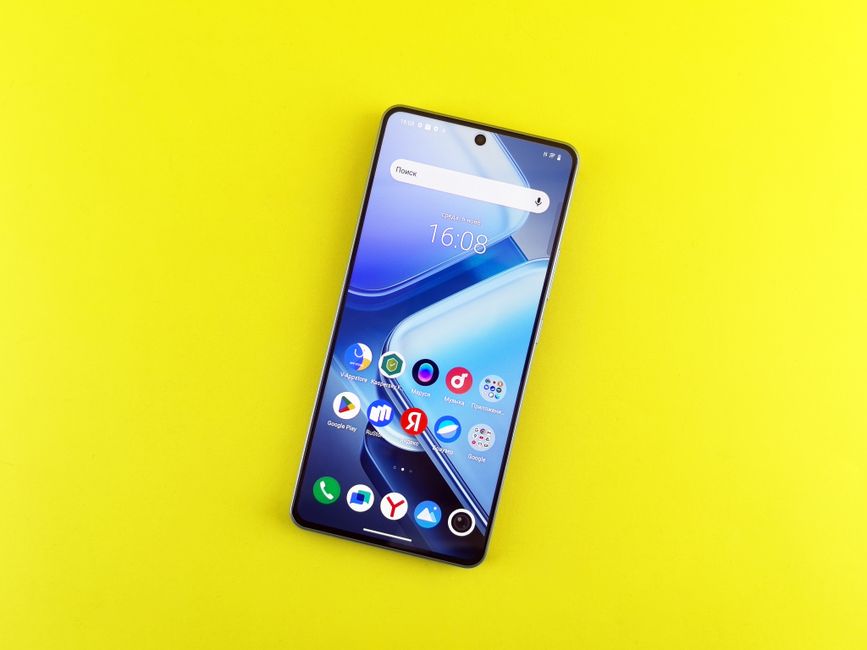
In September 2026, the budget smartphone market in India remains a fierce battleground, with consumers constantly seeking the best value for their hard-earned rupees. For those operating on an absolute shoestring budget, two models from late 2023 and early 2024, the Infinix Smart 8 and the Redmi A3, continue to surface in the ultra-affordable segment, often as new old stock or meticulously refurbished units. While newer models with more contemporary specifications have arrived, these devices offer a foundational smartphone experience at prices that are increasingly rare. The Redmi A3 stands out with its basic 5G capabilities and a marginally smoother 90Hz display, potentially appealing to users looking for future-proofing on connectivity. Conversely, the Infinix Smart 8, a steadfast 4G device, banks on its robust battery life and a slightly more conventional design, often available at a lower entry point. This comparison will dissect their practical relevance and value proposition for Indian buyers in 2026, revealing which compromises are worth making at this specific price tier.
Quick Summary
- Redmi A3: Offers basic 5G connectivity and a 90Hz display, making it a slightly more “future-proof” choice for network and visual fluidity, albeit with a performance ceiling.
- Infinix Smart 8: A solid 4G contender with excellent battery endurance, often available at a lower price point, ideal for users prioritizing uptime over cutting-edge features.
- Performance: Both devices feature entry-level chipsets (Unisoc T606 and Helio G36 respectively) that struggle with anything beyond basic daily tasks and light app usage in 2026.
- Software Updates: By September 2026, both models are likely at or past their end-of-life for major Android version updates and consistent security patches, a critical consideration for longevity.
- Target Audience: Best suited for first-time smartphone users, as a secondary device for calls/messaging, or for individuals with extremely light usage patterns who cannot extend their budget further.
Performance & Software Longevity: The Reality of 2026 Budget Chips
When evaluating the Infinix Smart 8 and Redmi A3 in September 2026, it is crucial to temper expectations regarding performance. The Infinix Smart 8 is powered by the MediaTek Helio G36 chipset, while the Redmi A3 features the Unisoc T606. Both are entry-level processors designed for basic operations, and by 2026, they are undeniably showing their age. For everyday tasks such as WhatsApp messaging, browsing light websites, making calls, and using basic utility apps, both devices can manage, but expect noticeable delays when opening applications, switching between tasks, or loading content-rich web pages. Multitasking is particularly challenging, with background apps often closing to free up RAM. The Redmi A3, often found with 3GB or 4GB of RAM, might offer a marginally smoother experience than the Infinix Smart 8’s typical 3GB or 4GB configurations, but the difference is minimal in real-world scenarios.
A more significant concern for potential buyers in 2026 is software longevity. Both devices launched with Android 13 or 14. By now, they would have received, at best, one major Android update, and consistent security patches are likely to have ceased or become very infrequent. This lack of ongoing software support poses security risks and means users will miss out on new Android features and improvements. For a user in a tier-2 city like Coimbatore, where online transactions and digital services are increasingly prevalent, relying on an outdated operating system for banking apps or personal data management carries inherent risks. While custom ROMs might exist for enthusiasts, they are not a viable solution for the average budget user. Therefore, anyone considering these phones must understand that they are buying into a static software experience, largely unsupported by the manufacturer.
- Infinix Smart 8 (Helio G36): Adequate for calls, messaging, light social media.
- Redmi A3 (Unisoc T606): Marginally better for app loading, still struggles with anything demanding.
- RAM Configurations: Both typically offer 3GB/4GB RAM, limiting effective multitasking.
- Software Updates: Expect minimal to no further Android version upgrades or consistent security patches in 2026.
- Security Concern: Outdated software can be vulnerable to new threats, especially for online banking.
Display & Multimedia Experience: Functional, Not Flashy
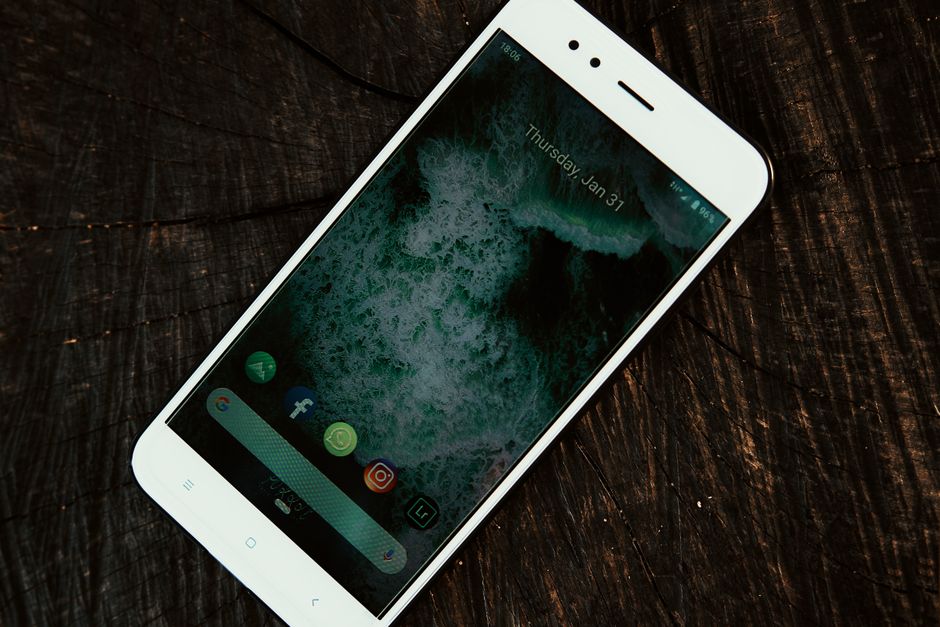
Both the Infinix Smart 8 and Redmi A3 feature HD+ resolution displays, which for their original price segment was standard. In 2026, this resolution (typically 720p) is still perfectly functional for casual content consumption, though it lacks the crispness of Full HD+ panels found in slightly higher-priced budget phones. The Redmi A3 typically boasts a 6.71-inch IPS LCD panel with a 90Hz refresh rate, as noted by Gadgets360 upon its release. This higher refresh rate is a significant advantage, providing a noticeably smoother scrolling experience in menus and supported apps compared to the Infinix Smart 8’s 6.6-inch IPS LCD, which typically operates at a standard 60Hz. While not a “game-changer,” the 90Hz refresh rate on the Redmi A3 does contribute to a more pleasant daily interaction.
Brightness levels on both devices are adequate for indoor use but can struggle under direct sunlight, a common challenge in India’s diverse climates. For instance, attempting to navigate using Google Maps on a sunny afternoon in Jaipur might prove difficult due to reflections and limited peak brightness. Color reproduction is generally acceptable for the price, though neither display offers the vibrancy or contrast of AMOLED panels. Audio output is handled by a single bottom-firing speaker on both, delivering basic sound suitable for calls and casual video watching, but lacking depth for a rich multimedia experience. For any serious audio consumption, headphones are a must. both displays serve their primary purpose of presenting information and basic media, with the Redmi A3 gaining a slight edge due to its smoother refresh rate, which is a rare find in this ultra-budget category even in 2026.
Camera Capabilities: Basic Snaps for Everyday Moments
Photography on the Infinix Smart 8 and Redmi A3 should be approached with realistic expectations. Neither device is designed for serious photography; they are equipped for capturing basic, well-lit moments. The Infinix Smart 8 typically features a 13MP primary camera, often accompanied by an AI lens or depth sensor, while the Redmi A3 also comes with an 8MP or 13MP main sensor, sometimes with a secondary lens. In good daylight conditions, both phones can produce acceptable images suitable for sharing on social media or messaging apps. Colors are generally natural, and details are present, though dynamic range can be limited, leading to blown-out highlights or crushed shadows in challenging lighting, as observed in early reviews by 91mobiles.
Performance dips significantly in low-light conditions. Images become noisy, details are smudged, and focusing becomes a struggle. Neither phone offers advanced night modes that genuinely salvage low-light shots. The front-facing cameras, typically 8MP on the Infinix Smart 8 and 5MP on the Redmi A3, are sufficient for video calls and casual selfies but lack the detail and clarity for high-quality self-portraits. For Indian users, this means capturing a quick family photo at a local festival or a scenic view during a trip is feasible, but don’t expect gallery-worthy results. For a college student in Pune looking to document campus life, these cameras will do the job for quick snaps, but for anything more artistic or detailed, a dedicated camera or a higher-tier smartphone would be necessary. Both phones also support basic video recording, usually up to 1080p at 30fps, adequate for short clips but without any form of stabilization.
- Main Camera: 13MP (Infinix Smart 8), 8MP/13MP (Redmi A3) – decent in bright light.
- Low Light: Significant degradation in quality, high noise, lack of detail.
- Selfie Camera: 8MP (Infinix Smart 8), 5MP (Redmi A3) – suitable for video calls and basic selfies.
- Video Recording: Up to 1080p 30fps, no optical image stabilization (OIS).
- Practical Use: Best for casual social media sharing, not for critical photography.
Battery Life & Charging: Endurance for the Everyday Grind
One of the strongest selling points for both the Infinix Smart 8 and Redmi A3, even in 2026, is their substantial battery capacity. Both devices pack a 5000mAh battery, which, combined with their power-efficient (albeit low-performance) chipsets and HD+ displays, translates into impressive real-world endurance. Users can comfortably expect a full day of moderate usage, and lighter users might even stretch it to two days. This is a significant advantage for users in areas prone to intermittent power cuts, a common scenario in many parts of rural India or even smaller towns during peak load times. Having a phone that can last through an 8-hour power outage without needing a charge is a practical benefit that outweighs many other compromises at this price point.
However, the charging experience is less impressive. Both phones typically support only 10W or 15W charging. This means a full charge from 0 to 100% can take upwards of 2.5 to 3 hours, a considerable wait compared to faster-charging solutions available even in slightly higher budget segments. For someone who needs a quick top-up before heading out, this slow charging can be inconvenient. The Infinix Smart 8, in particular, has been praised for its battery optimization, often squeezing out slightly more screen-on time in independent tests compared to similar Redmi models, as reported by MySmartPrice. While neither device is a powerhouse, their battery life makes them reliable companions for extended use, especially for those who prioritize uptime over rapid charging. The inclusion of a USB-C port on both devices (a standard feature by 2026) is a welcome convenience for universal charging.
Connectivity & Indian Network Readiness: 4G vs. Entry-Level 5G
Connectivity is a critical differentiator, especially in the evolving Indian telecom landscape. The Infinix Smart 8 is primarily a 4G-only device. While its 4G performance is generally reliable, supporting VoLTE for crystal-clear calls on networks like Jio, Airtel, and Vi, it lacks future-proofing. For users in areas with robust 4G infrastructure, such as most tier-2 cities and even many tier-3 towns where 5G rollout is still in progress, the Infinix Smart 8’s 4G capability is perfectly adequate. However, as 5G expands rapidly across India, a 4G-only device will eventually become a limitation for accessing the fastest mobile data speeds.
The Redmi A3, on the other hand, often includes basic 5G support. While it won’t offer the comprehensive 5G band support of higher-end devices, it typically covers the most prevalent Indian 5G bands (e.g., n1, n3, n5, n8, n28, n40, n78). This means a user with a Jio 5G or Airtel 5G SIM in a compatible coverage area can potentially access 5G speeds. This makes the Redmi A3 a more attractive option for users planning to keep their phone for a few years and wanting to benefit from faster networks as they become more ubiquitous. For a college student in Pune using Jio 5G, the Redmi A3 offers the potential for faster downloads and streaming, which can be crucial for online learning and entertainment. Both phones offer dual SIM functionality, a non-negotiable feature for most Indian users who often juggle personal and work numbers or different network providers for optimal coverage in varying regions. Wi-Fi and Bluetooth connectivity are standard, offering reliable local connections.
Design & Durability: Budget Aesthetics and Practicality
In the ultra-budget segment, design often takes a backseat to cost-efficiency, but both the Infinix Smart 8 and Redmi A3 manage to offer a respectable aesthetic for their price point. Both devices feature plastic builds, which is expected. The Infinix Smart 8 often sports a textured or glossy plastic back, sometimes with a “Magic Ring” notification cutout around the punch-hole camera, giving it a slightly more modern feel than its price suggests. The Redmi A3, however, tends to stand out with its more premium-looking design, often featuring a glass-like finish or even a vegan leather texture on some variants, along with a prominent circular camera module that mimics higher-end phones. This gives the Redmi A3 a distinct edge in terms of perceived build quality and aesthetics, making it feel more substantial in hand, a detail often highlighted by reviewers like NDTV Gadgets.
In terms of durability, neither phone offers official IP ratings for water or dust resistance, which is standard for this price bracket. This means users need to exercise caution, especially during India’s monsoon season or in dusty environments. Basic splash protection and careful handling are advised. The inclusion of a fingerprint sensor (side-mounted on Infinix Smart 8, sometimes rear-mounted or side-mounted on Redmi A3) and face unlock on both devices provides convenient and relatively secure unlocking options. Weight and thickness are manageable, ensuring comfortable single-handed use for most. While neither is built like a tank, their plastic constructions are generally resilient to minor drops, and a good case and screen protector are always recommended for enhanced protection against the rigors of daily Indian usage.
Comparison Table
| Feature | Infinix Smart 8 | Redmi A3 |
|---|---|---|
| Expected Price (Sept 2026) | Rs 5,499 – Rs 6,499 | Rs 6,999 – Rs 7,999 |
| Processor | MediaTek Helio G36 | Unisoc T606 |
| Display | 6.6-inch HD+ LCD (60Hz) | 6.71-inch HD+ LCD (90Hz) |
| Primary Camera | 13MP + AI Lens | 8MP/13MP + secondary lens |
| Battery | 5000mAh, 10W/15W Charging | 5000mAh, 10W/15W Charging |
| Connectivity | 4G LTE, Dual SIM, VoLTE | 4G LTE, Basic 5G, Dual SIM, VoLTE |
| Software (Original) | Android 13 (XOS) | Android 14 (MIUI Go/HyperOS Lite) |
| Storage Variants (Typical) | 64GB/128GB (expandable) | 64GB/128GB (expandable) |
Who This Is For / Who Should Look Elsewhere
Who This Is For:
- First-time smartphone users: If you’re transitioning from a feature phone and need a device for basic calls, messaging, and light internet use, both offer an affordable entry point.
- Elderly users: For those who primarily use a phone for calls, WhatsApp, and occasional video calls with family, the large display and long battery life are beneficial.
- Secondary device users: If you need a backup phone for emergencies, a separate device for work calls, or simply a cheap hotspot, either phone fits the bill.
- Students with extremely tight budgets: For basic online classes, research, and communication, these can serve as functional tools, especially if they cannot afford anything pricier.
- Users prioritizing battery life above all else: Both devices offer excellent battery endurance, crucial for long days or areas with unreliable power.
- Redmi A3 specific: Those who want even a basic taste of 5G connectivity for a slight future-proofing, and appreciate a smoother 90Hz display for daily scrolling.
- Infinix Smart 8 specific: Users who want the absolute lowest entry price for a functional smartphone and are content with 4G.
Who Should Look Elsewhere:
- Anyone needing performance: If you play even casual games like Free Fire or BGMI, use multiple heavy apps, or demand quick app loading, these phones will disappoint significantly in 2026.
- Photography enthusiasts: The cameras are strictly for basic snaps in good light. For detailed, vibrant, or low-light photography, look at phones in the Rs 10,000+ segment.
- Users concerned about software updates and security: By 2026, both devices are likely at their end-of-life for major Android updates and consistent security patches, posing potential risks and limiting access to new features.
- Heavy multimedia consumers: While the displays are functional, the HD+ resolution, basic speakers, and limited brightness won’t provide an immersive experience for movies or high-quality streaming.
- Users demanding fast charging: The 10W/15W charging speeds mean long waits to fully juice up the 5000mAh batteries.
- Anyone expecting long-term usage with modern features: These phones are budget entry points for 2026; they will feel outdated quickly compared to newer releases, especially in terms of performance and software.
Buying Tips for the Indian Market (September 2026)
- Verify Stock & Condition: By 2026, many units of these models might be refurbished or “new old stock.” Always purchase from reputable retailers like Amazon.in, Flipkart, Croma, Reliance Digital, or Vijay Sales. Clearly check if the unit is new, open-box, or refurbished. Refurbished units should come with a clear warranty.
- Check Warranty & After-Sales Service: Ensure you receive a full manufacturer’s warranty valid in India. Infinix and Redmi (Xiaomi) have extensive service networks, but confirm the nearest service center location and the warranty claim process before purchase. A valid GST invoice is crucial for warranty claims.
- Inspect BIS Certification: Look for the Bureau of Indian Standards (BIS) certification mark on the packaging and device. This ensures the product meets Indian safety and quality standards.
- Network Band Compatibility: If considering the Redmi A3 for 5G, verify the specific 5G bands supported and cross-reference them with your preferred network provider (Jio, Airtel, Vi) in your specific region. Not all 5G bands are present on budget 5G phones.
- Physical Inspection (if possible): If buying offline, physically inspect the device for any cosmetic damage, screen issues, or loose ports. Test basic functions like calling, camera, and charging on the spot.
FAQ
Q1: Will these phones receive Android 15 or 16 updates by 2026?
A: It is highly unlikely that either the Infinix Smart 8 or the Redmi A3 will receive Android 15 or 16 updates by September 2026. Both devices launched with Android 13 or 14 and typically receive at most one major Android version update. By now, their software support cycles for major upgrades and consistent security patches are likely complete or winding down, meaning users should expect a static software experience.
Q2: Can I play popular games like BGMI or Free Fire on these devices in 2026?
A: While you might be able to install popular games like BGMI or Free Fire, the gaming experience on both the Infinix Smart 8 (Helio G36) and Redmi A3 (Unisoc T606) will be extremely poor in 2026. Expect very low graphics settings, significant lag, frequent frame drops, and long loading times. These devices are not designed for even casual gaming by modern standards.
Q3: How do these phones handle India’s heat and humidity?
A: Like most budget smartphones, neither the Infinix Smart 8 nor the Redmi A3 offer official IP ratings for water or dust resistance. They are built with plastic, which can handle general use, but prolonged exposure to high humidity (e.g., during monsoon) or extreme heat can potentially affect internal components. Users are advised to use protective cases and avoid direct exposure to moisture or intense sunlight to prolong device life.
Q4: Which phone offers better resale value in India by 2026?
A: By September 2026, both the Infinix Smart 8 and Redmi A3 will have very limited resale value in India. As older, entry-level models, their value depreciates significantly, especially with newer budget phones offering improved features. The Redmi A3 might hold a marginally better value due to its basic 5G capability and slightly more premium design, but neither should be purchased with an expectation of good resale returns.
the Infinix Smart 8 and Redmi A3 in September 2026 represent the absolute entry point into the smartphone world for Indian consumers. They are not powerhouses, nor are they feature-packed. Instead, they offer a functional, no-frills experience for those with the most stringent budgets. The Redmi A3, with its 90Hz display and basic 5G, offers a slightly more modern user experience, making it the better choice for a first-time smartphone user in an urban area seeking a tiny bit of future-proofing. However, for those prioritizing maximum battery life and the lowest possible cost for basic communication in a 4G-dominant region, the Infinix Smart 8 remains a dependable, albeit bare-bones, option.
For more on this topic, see our recent gadget reviews.
About the Author