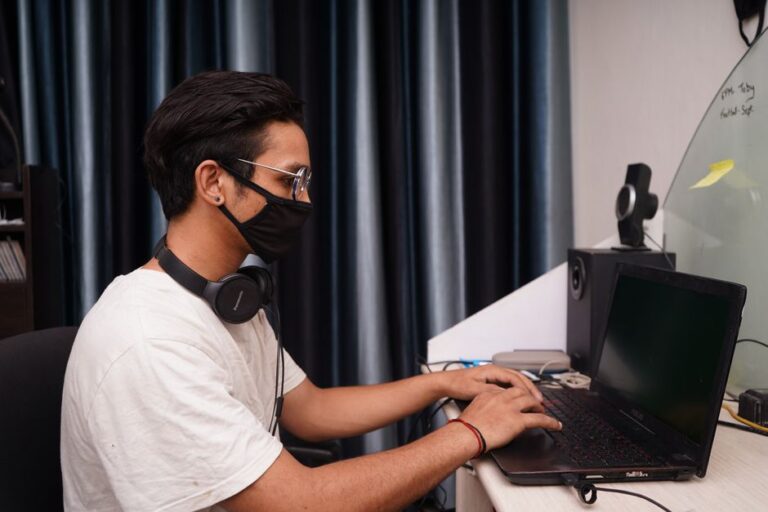

In September 2026, acquiring a new SIM card in India presents two distinct pathways for activation, each with its own set of advantages and challenges. On one hand, you have the rapid, streamlined digital eKYC process, primarily leveraging your Aadhaar card for near-instant verification and activation. This method epitomizes convenience, allowing many users to get connected within minutes, often from the comfort of their homes or a local retailer equipped with biometric scanners. On the other hand, the traditional physical document verification, while requiring more time and effort, remains a universally accessible option, particularly for those without an Aadhaar-linked mobile number or those who prefer a face-to-face interaction. Understanding these two primary routes is crucial for anyone looking to navigate India’s evolving telecom landscape efficiently, whether you’re a college student in Pune needing a new Jio 5G connection or a professional in a tier-2 city like Nashik seeking reliable Airtel coverage for dual-SIM usage.
Quick Summary: Your New SIM eKYC Essentials
- Aadhaar OTP eKYC is King for Speed: If your Aadhaar is linked to a functional mobile number, this is the quickest way to activate a new SIM, often in under an hour.
- Physical Verification Still Matters: For those without Aadhaar, or facing digital hurdles, submitting physical documents at a store remains a reliable, albeit slower, alternative.
- Telecom Apps are Your Gateway: MyJio, Airtel Thanks, and Vi App are indispensable for digital KYC options like Video KYC and for tracking your activation status.
- Original Documents are Non-Negotiable: Always keep your original Aadhaar, PAN, Passport, or other valid ID/address proofs ready, even for digital verification, as agents may request to see them.
- Activation Times Vary: Expect digital eKYC activations within 1-4 hours, while app-based or physical methods might extend to 24 hours, depending on network load.
What’s Going On: The Shift to Digital eKYC and its Evolution
The journey of SIM activation in India has undergone a significant transformation, moving from a cumbersome, paper-intensive process to a largely digital and instantaneous experience. Historically, obtaining a new SIM involved filling out lengthy forms, attaching multiple photocopies of identity and address proofs, and often waiting days for verification. The introduction of Aadhaar-based eKYC several years ago revolutionized this, allowing for instant verification through biometric scans or OTPs. However, a Supreme Court ruling later restricted private entities from using Aadhaar for verification unless specifically mandated by law, prompting telecom operators to innovate.
In September 2026, the landscape is a refined version of these past iterations. While direct, widespread Aadhaar eKYC for all private services is no longer the norm, telecom operators have developed robust, TRAI-compliant digital KYC methods. These include Aadhaar-based verification with explicit user consent and alternative digital methods such as Video KYC and assisted digital KYC through dedicated apps. The government’s push for a ‘Digital India’ continues to drive this evolution, aiming for greater efficiency, reduced paperwork, and enhanced security in identity verification. This ongoing shift means that while the core goal of activating a SIM remains, the pathways to achieve it are increasingly diverse and technologically advanced, demanding a different approach from consumers.
The current ecosystem effectively balances the need for robust identity verification to combat fraud with the imperative for consumer convenience. For instance, in tier-2 cities, where smartphone penetration is exceptionally high but access to traditional paperwork processing might be slower, digital eKYC options are a boon. They reduce the logistical burden on both the customer and the service provider, accelerating the uptake of new connections and services, including the rapidly expanding 5G networks offered by Jio and Airtel. This evolution is not just about speed; it’s about building a more secure and efficient digital infrastructure that underpins everything from personal communication to digital payments.
Why It Matters: Speed, Security, and Accessibility in a Digital India

The modern eKYC process for new SIM activation in India isn’t merely a technological upgrade; it’s a fundamental shift that addresses critical consumer needs for speed, security, and accessibility. In a country as dynamic as India, where connectivity is paramount, these factors directly impact daily life, business operations, and even emergency situations.
Speed: For many, waiting days for a new SIM to activate is simply not an option. Consider a college student relocating to Pune for studies; they need immediate connectivity for online classes, communication with family, and essential digital services. Digital eKYC, particularly Aadhaar OTP-based methods, can activate a SIM within minutes to a few hours. This rapid turnaround is invaluable, allowing seamless transition and immediate access to services like UPI payments, ride-sharing apps, and high-speed internet for studying or entertainment. The reduced waiting period also minimizes the opportunity cost associated with being offline, which in today’s digital economy, can be substantial.
Security: The move to digital verification, while raising initial privacy questions, has significantly enhanced the security of the SIM activation process. By linking directly to government-verified identity databases like Aadhaar or using secure video verification, the chances of fraudulent SIM activations are substantially reduced. This protects both the individual from identity theft and the nation from misuse of telecom services. The biometric verification, for instance, offers a highly secure method of identity confirmation that is difficult to forge. This robust security framework is vital in an increasingly interconnected world, where a compromised mobile number can lead to widespread digital vulnerabilities.
Accessibility: Digital eKYC democratizes access to telecommunication services. In remote areas or tier-2 and tier-3 cities, where dedicated telecom stores might be sparse or operational hours limited, app-based digital KYC or retailer-assisted eKYC brings the service closer to the consumer. A local kirana store owner, equipped with a biometric device and the necessary app, can now facilitate SIM activations, bridging the digital divide. Furthermore, for individuals with mobility challenges, completing verification via a video call from home is a game-changer. This enhanced accessibility ensures that no one is left behind in India’s digital push, regardless of their geographical location or physical limitations, bolstering overall digital inclusion.
Your eKYC Options in 2026: A Detailed Breakdown
Navigating the new SIM activation process in India in September 2026 requires an understanding of the primary eKYC methods available. Each option caters to different user profiles and circumstances, offering varying levels of convenience, speed, and document requirements. Choosing the right method can significantly streamline your experience.
1. Aadhaar OTP-based eKYC (Online/Assisted Digital): This is arguably the fastest and most convenient method, provided you meet the prerequisites.
- Prerequisite: Your Aadhaar number must be linked to a functional mobile number that is currently active. This is crucial as the One-Time Password (OTP) for verification will be sent to this registered number.
- Process: You approach a telecom retailer or initiate the process through a telecom operator’s app. You provide your Aadhaar number. An OTP is then sent to your Aadhaar-registered mobile number. Upon entering this OTP into the retailer’s device or the app, your identity details are fetched and verified instantly from the UIDAI database.
- Pros: Extremely fast activation, often within 15-60 minutes. Minimal physical interaction. No need for photocopies. Highly secure due to OTP verification.
- Cons: Not accessible if your Aadhaar is not linked to an active mobile number or if you don’t have access to that number. Requires basic digital literacy for app-based processing.
2. Aadhaar Biometric eKYC (Retailer Assisted): An excellent alternative if your Aadhaar isn’t linked to a mobile number or if you prefer a physical interaction.
- Prerequisite: A valid Aadhaar card.
- Process: You visit an authorized telecom retailer (e.g., a Jio Store, Airtel Store, Croma, or local mobile shop) equipped with a biometric scanner. You provide your Aadhaar number, and then place your fingerprint on the scanner for real-time verification against the Aadhaar database.
- Pros: No need for an Aadhaar-linked mobile number. Highly secure due to direct biometric verification. Relatively fast, with activation typically within 1-4 hours.
- Cons: Requires a visit to a physical store with a biometric device. Monsoon humidity or minor cuts can sometimes affect fingerprint recognition accuracy, leading to multiple attempts.
3. Digital KYC via Telecom Apps (Video KYC/Assisted Digital KYC): This method offers the flexibility of completing verification from home, though it requires a good internet connection.
- Prerequisite: Valid government-issued ID (Aadhaar, PAN, Passport, Voter ID, Driving License) and Address Proof (electricity bill, rent agreement). A smartphone with a working camera and a stable internet connection.
- Process: Download the respective telecom operator’s app (e.g., MyJio, Airtel Thanks, Vi App). Select the option for a new connection. You will be prompted to upload clear photos of your ID and address proof, take a live selfie, and then participate in a short video call with an agent. During the video call, the agent will verify your face against your documents and ask a few questions.
- Pros: Complete the process from anywhere, saving travel time. Offers a fully digital experience without physical paperwork.
- Cons: Requires a strong internet connection and good lighting for the video call. Verification can sometimes take longer (up to 24 hours) due to agent availability or processing queues. Not ideal for those uncomfortable with video calls or who have privacy concerns.
4. Physical Document Verification: The traditional fallback option, universally accepted but slower.
- Prerequisite: Original and photocopies of valid government-issued ID (Aadhaar, PAN, Passport, Voter ID, Driving License) and Address Proof (electricity bill, rent agreement, bank statement). A passport-sized photograph.
- Process: Visit any authorized telecom retailer. Fill out a physical application form. Submit the photocopies of your documents along with a passport-sized photo. The agent will physically verify your original documents against the photocopies.
- Pros: Universally accessible, even without Aadhaar or a smartphone. Simple for those uncomfortable with digital processes.
- Cons: Slowest method, often taking 24-48 hours for activation. Requires multiple physical documents and a store visit. Prone to errors if forms are filled incorrectly or documents are unclear.
Navigating the Process: Step-by-Step for Each Method
Understanding the specific steps for each eKYC method is key to a smooth and successful new SIM activation. While the general goal is the same, the execution varies significantly across the digital and physical pathways.
Step-by-Step for Aadhaar OTP-based eKYC: This method is favored for its speed and minimal hassle, making it ideal for a tech-savvy user in a metropolitan area like Bangalore or Mumbai.
- Choose Your Connection: Decide on your preferred telecom operator (Jio, Airtel, Vi) and the plan you wish to opt for. You can purchase the SIM kit from an authorized retailer or sometimes order it online for home delivery.
- Initiate Verification: At the retailer, inform them you want to use Aadhaar OTP eKYC. Provide your 12-digit Aadhaar number to the retailer, who will input it into their system. If ordering online, you’ll enter it into the app or website.
- OTP Verification: An OTP will be sent to the mobile number currently linked to your Aadhaar. Ensure this phone is with you and active.
- Enter OTP: Provide this OTP to the retailer or input it into the designated field on the app/website.
- Confirm Details: Your demographic details from Aadhaar will be displayed for confirmation. Verify them carefully.
- Biometric (if applicable): Some operators might still require a quick fingerprint scan for additional authentication, even after OTP.
- Activation: Once confirmed, the SIM is usually activated within 15 minutes to 4 hours. You’ll receive an SMS confirming activation.
Step-by-Step for Aadhaar Biometric eKYC: This is a robust option, especially if your Aadhaar isn’t linked to a mobile number, common for older individuals or those who haven’t updated their details.
- Visit an Authorized Store: Locate an authorized telecom store (e.g., Reliance Digital, Croma, Airtel Store) that has a biometric scanner.
- Present Aadhaar: Provide your physical Aadhaar card to the retailer. They will input your Aadhaar number into their system.
- Biometric Scan: You will be asked to place your finger (usually an index finger) on the biometric scanner. Ensure your hands are clean and dry for accurate scanning.
- Details Confirmation: Your details will be fetched from the Aadhaar database. Review and confirm them with the retailer.
- Photo Capture: The retailer will capture a live photograph of you using their device’s camera.
- Activation: Post-verification, the SIM typically activates within 1-4 hours.
Step-by-Step for Digital KYC via Telecom Apps (Video KYC/Assisted Digital KYC): Perfect for those who prefer to complete the process from home, like a busy professional in Hyderabad.
- Download App & Order SIM: Download the operator’s app (e.g., MyJio, Airtel Thanks). Select “Get New Connection” and choose your plan. The SIM will be delivered to your address.
- Document Upload: Once you have the SIM, open the app and follow the prompts to upload clear photos of your chosen ID proof (e.g., Passport, PAN, Voter ID) and Address Proof (e.g., electricity bill, rent agreement).
- Live Selfie: The app will guide you to take a live selfie, ensuring it matches your uploaded ID.
- Video KYC: Schedule a video call or join an available agent. During the call, the agent will ask you to show your original documents to the camera, confirm your identity, and ask a few simple questions. Ensure you have good lighting and a stable internet connection.
- Final Review & Activation: After the video call, the details are reviewed. Activation can take anywhere from 4 to 24 hours, depending on the operator’s backend processing.
Step-by-Step for Physical Document Verification: The traditional method, a reliable fallback for anyone facing digital hurdles.
- Gather Documents: Collect original and photocopies of your Identity Proof (e.g., Aadhaar, Driving License, Passport, Voter ID) and Address Proof (e.g., electricity bill, rent agreement). Also, carry a recent passport-sized photograph.
- Visit a Retailer: Go to any authorized telecom retailer or official store.
- Fill Application Form: Request and accurately fill out the physical SIM application form.
- Submit & Verify: Hand over the filled form, photocopies, and photograph. The retailer will physically verify your original documents against the photocopies and sign off.
- Activation: This process usually takes the longest, with activation typically occurring within 24-48 hours, as it involves manual backend processing.
eKYC Method Comparison for New SIM Activation
Choosing the right eKYC method can save you time and effort. Here’s a comparison of the primary options available in India in September 2026:
| Feature | Aadhaar OTP-based eKYC | Aadhaar Biometric eKYC | App-Based Digital KYC (Video KYC) | Physical Document Verification |
|---|---|---|---|---|
| Speed of Activation | Very Fast (15 mins – 4 hours) | Fast (1 – 4 hours) | Moderate (4 – 24 hours) | Slow (24 – 48 hours) |
| Documents Needed | Aadhaar number, Aadhaar-linked mobile | Physical Aadhaar card | Any valid ID & Address Proof (e.g., PAN, Passport, Voter ID, Driver’s License) | Originals & photocopies of ID & Address Proof, passport photo |
| Requires Aadhaar-linked Mobile | Yes (for OTP reception) | No | No (can use other IDs) | No (can use other IDs) |
| Requires Store Visit | Optional (can be done via app if SIM delivered) | Yes (for biometric scanner) | No (can be done from home) | Yes |
| Best For | Tech-savvy users with Aadhaar-linked mobile, seeking instant activation. | Users without Aadhaar-linked mobile, but with physical Aadhaar, prefer secure in-person verification. | Users who prefer home-based digital process, have other valid IDs, and stable internet. | Users uncomfortable with digital processes, no Aadhaar, or in areas with poor internet. |
Who This eKYC Process Is For / Who Should Look Elsewhere
Understanding the target audience for each eKYC method is crucial for a hassle-free experience. While digital eKYC is becoming the default, it’s not a one-size-fits-all solution.
Who Digital eKYC (Aadhaar OTP/Biometric/App-based) is Best For:
- Tech-Savvy Individuals: If you’re comfortable with smartphones, apps, and online processes, digital eKYC offers unparalleled convenience and speed.
- Urgent Connectivity Needs: College students moving to new cities like Bengaluru or Pune, needing immediate Jio 5G or Airtel 5G connectivity for academic or social purposes, will find digital eKYC invaluable.
- Residents of Tier-2/3 Cities: While physical stores exist, the ability to complete most of the process digitally saves significant travel time and effort, especially if you’re managing a dual-SIM setup and need to quickly activate a second number.
- Individuals Prioritizing Privacy & Convenience: Minimizing physical document handling and completing verification from home (for app-based KYC) appeals to those who value data security and a streamlined process.
- Those with Aadhaar-Linked Mobiles: The Aadhaar OTP method is specifically designed for you, offering the fastest activation.
Who Should Look Elsewhere (or Consider Alternatives):
- Individuals Without Aadhaar or Aadhaar-Linked Mobile: If you don’t have an Aadhaar card, or your Aadhaar isn’t linked to an active mobile number, Aadhaar OTP eKYC is not an option. You’ll need to rely on other ID proofs for app-based KYC or physical verification.
- Those Uncomfortable with Digital Processes: Elderly individuals or those less familiar with smartphones, video calls, or OTP processes might find physical verification more reassuring and straightforward.
- Residents in Very Remote Areas with Poor Internet: While digital, app-based KYC requires a stable internet connection for video calls and document uploads. In regions with patchy network coverage, this can lead to frustrating delays or failures.
- Tourists or Foreign Nationals: The eKYC process primarily caters to Indian citizens with specific government IDs. Foreign nationals will typically need to follow a different protocol involving their Passport, Visa, and local address proof, often requiring physical verification at a main telecom store.
- Individuals with Biometric Challenges: If you have worn fingerprints due to manual labor, or temporary issues like cuts or excessive humidity (especially during monsoon season in regions like Kerala or Assam), biometric eKYC might be problematic, making app-based or physical options more viable.
BudgetTech India’s Practical eKYC Setup Tips for Indian Users
Setting up your new SIM with eKYC in India can be remarkably smooth if you’re prepared. Here are some BudgetTech-specific tips tailored for the Indian user in September 2026:
- Verify Your Aadhaar-Linked Mobile Number: Before attempting Aadhaar OTP eKYC, visit the UIDAI website or use the mAadhaar app to confirm which mobile number is linked to your Aadhaar. An outdated number is the most common reason for OTP eKYC failure. Update it at an Aadhaar Seva Kendra if needed, though this takes a few days.
- Keep Original Documents Ready, Always: Even for digital methods like Video KYC, agents frequently ask to see your original ID and address proofs on camera. For physical verification, having originals is non-negotiable. Ensure your documents are in good condition; monsoon humidity can sometimes warp paper documents, making them harder to scan or verify.
- Optimal Conditions for Video KYC: If you opt for app-based Video KYC, choose a well-lit environment with a plain background. Ensure a stable and fast internet connection. Avoid noisy surroundings. A clear, well-lit face and steady hands for showing documents are critical for avoiding rejections and repeat attempts.
- Research Network Coverage for Your Specific Location: Don’t just pick a SIM because the eKYC was easy. Before committing to a Jio, Airtel, or Vi SIM, check their 5G/4G coverage maps for your exact locality – especially important if you’re in a tier-2 city, a specific college campus (e.g., IIT Bombay, VIT Vellore), or planning to use it for work-from-home. A speedy eKYC is useless if your network signal is weak. Many operators’ apps provide coverage checkers.
- Understand Dual-SIM and eSIM Compatibility: If you’re setting up a second SIM or upgrading your phone, be aware of your device’s capabilities. Many newer smartphones support dual physical SIMs, or one physical SIM plus an eSIM. Activating an eSIM often involves a QR code scan after eKYC, adding another layer to the setup. Ensure your phone is compatible and that your chosen operator supports eSIM activation for your device model.
Q1: How long does new SIM activation usually take after eKYC?
Typically, a new SIM activated via Aadhaar OTP or biometric eKYC gets activated within 1 to 4 hours. App-based digital KYC or physical KYC might take slightly longer, usually within 4 to 24 hours, depending on verification queues and the operator’s backend processing.
Q2: Can I use any ID proof for eKYC other than Aadhaar?
Yes, while Aadhaar is the most common and fastest method, you can use other government-issued ID proofs like a Passport, Voter ID, or Driving License combined with a proof of address (like an electricity bill, rent agreement, or bank statement) for app-based digital KYC or physical verification. However, these methods might require more steps and time compared to Aadhaar-based options.
Q3: What if my Aadhaar is not linked to my current mobile number?
If your Aadhaar isn’t linked to an active mobile number, you cannot use the Aadhaar OTP-based eKYC. In this scenario, you’ll need to opt for Aadhaar Biometric eKYC at a retail store, or use app-based digital KYC where you upload other ID proofs and complete a video verification, or revert to traditional physical document verification.
Q4: Is it possible to get a new SIM and activate it completely online without visiting a store?
Yes, it is largely possible. Telecom operators like Jio and Airtel offer services where you can order a new SIM online through their apps or websites. After home delivery of the SIM, you can complete the eKYC process (often via Aadhaar OTP or Video KYC) from your home, eliminating the need to visit a physical store. This is especially convenient for urban users.
Verdict: The Smart Choice for New SIM Activation in India
For most Indian users in September 2026, Aadhaar OTP-based eKYC remains the gold standard for its unparalleled speed and convenience. It is particularly suited for individuals with a smartphone and a mobile number linked to their Aadhaar, offering near-instant activation and a hassle-free experience that perfectly aligns with the ‘Digital India’ ethos.
For more on this topic, see our gadgets under Rs 10,000.
About the Author