
The Urgent Need to Spot Fake Chargers in India: A September 2026 Consumer Advisory
The Indian smartphone market, especially the budget and mid-range segments, has seen unprecedented growth in early 2026, driven by aggressive 5G expansion and new device launches. However, this boom has coincided with a concerning trend: an increasing number of manufacturers, even in the sub-Rs 20,000 category, are opting to exclude bundled chargers from their phone boxes. This move, often justified by environmental concerns or cost-cutting, has inadvertently pushed millions of Indian consumers towards the aftermarket – a landscape rife with both legitimate third-party options and dangerous counterfeit products. Coupled with the Bureau of Indian Standards (BIS) issuing advisories in early 2026 regarding the proliferation of substandard electrical accessories and the critical need for consumer vigilance, understanding how to differentiate an original charger from a fake has never been more crucial. From preventing costly device damage to averting serious safety hazards like electrical fires and shocks, making an informed choice about your charging accessory is a non-negotiable step for every smartphone user in India today.
Quick Summary: Spotting a Fake Charger
- Examine Packaging & Build: Look for poor print quality, misspellings, flimsy materials, uneven seams, and incorrect branding on both the box and the charger itself.
- Check for BIS Certification: Insist on the mandatory BIS (Bureau of Indian Standards) mark on the charger, indicating it meets Indian safety standards.
- Verify Specifications: Compare the output voltage and amperage printed on the charger with your phone’s official requirements. Discrepancies are a major red flag.
- Test Performance & Heat: A genuine charger provides consistent charging speed without excessive heat generation from either the adapter or the phone; fakes often heat up rapidly and charge slowly.
- Purchase from Reputable Sources: Always buy from authorized brand stores, certified retailers like Croma, Reliance Digital, Vijay Sales, or official brand stores on Amazon.in and Flipkart.
The Hidden Dangers of Counterfeit Chargers: More Than Just Slow Charging
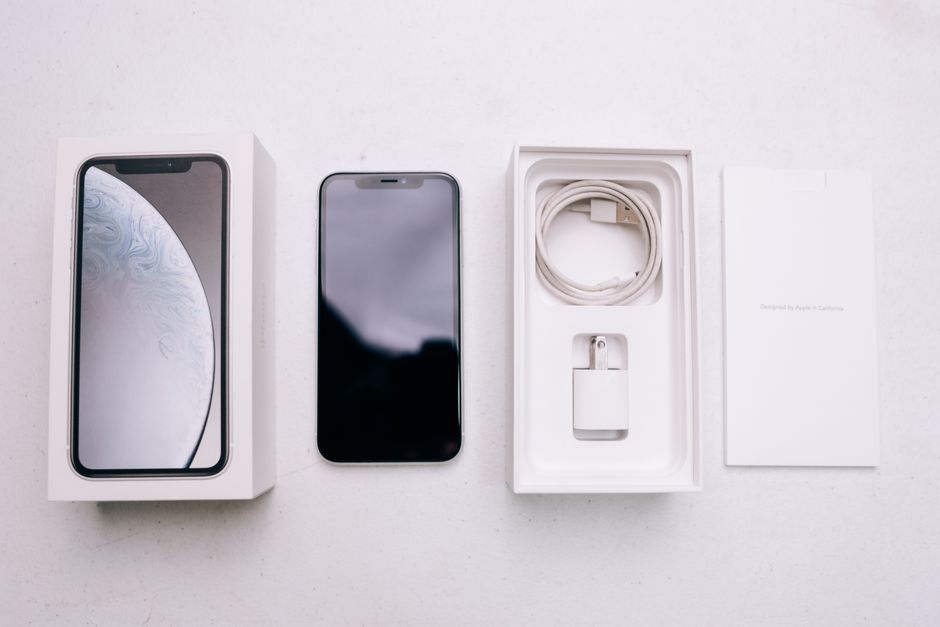
While the immediate frustration of a slow-charging phone is often the first sign of a counterfeit charger, the risks extend far beyond mere inconvenience. Fake chargers are typically manufactured with substandard components, often lacking crucial safety features like proper insulation, overcurrent protection, and thermal management chips found in genuine products. In India, where voltage fluctuations and power cuts are common, these deficiencies are amplified, turning a seemingly innocuous accessory into a significant hazard. Industry reports, including those cited by Gadgets360 and 91mobiles, have repeatedly highlighted cases of device damage, battery degradation, and even personal injury linked to the use of uncertified charging equipment.
Consider the typical conditions in many Indian households or workplaces: multiple devices plugged into extension cords, often in environments with ambient temperatures exceeding 35°C, especially during peak summer months. A fake charger, already prone to overheating due to poor design and cheap materials, becomes a fire hazard under such circumstances. Moreover, the inconsistent power delivery from counterfeit chargers can stress your phone’s battery, leading to reduced lifespan, decreased capacity, and in extreme cases, swelling or explosion. For a college student in Pune relying on their phone for Jio 5G connectivity, online classes, and entertainment, a damaged battery or device downtime due to a faulty charger is not just an inconvenience but a significant disruption to their academic and social life.
- Fire Hazard: Poor insulation and cheap components can lead to short circuits and overheating, igniting surrounding materials.
- Electric Shock: Inadequate safety mechanisms increase the risk of electrocution, especially with frayed or damaged fake cables.
- Battery Degradation: Inconsistent voltage and current delivery can prematurely wear out your phone’s battery, reducing its overall lifespan and capacity.
- Device Damage: Voltage spikes or surges from unregulated fake chargers can fry internal components of your smartphone, leading to permanent damage.
- Data Corruption: Unstable power delivery can sometimes lead to data corruption or system instability during charging.
Visual Inspection: The First Line of Defence Against Fakes
Before you even plug in a charger, a thorough visual inspection can reveal tell-tale signs of a counterfeit. Start with the packaging. Genuine products, whether from Apple, Samsung, Xiaomi, or a reputable third-party brand like Anker or Ugreen, come in high-quality boxes with crisp printing, accurate branding, and correct spelling. Fakes often have blurry graphics, faded colours, typos, and flimsy cardboard. The weight of the charger itself is another crucial indicator; original chargers, especially those supporting fast charging, contain complex circuitry and often have a noticeable heft due to transformers and heat sinks. Counterfeits frequently feel remarkably light and hollow.
Next, examine the charger’s body. Look for perfectly aligned seams, a smooth finish, and consistent colour. Fake chargers often have rough edges, visible glue lines, misaligned plastic parts, and an overall cheap, plasticky feel. The USB port should be flush with the casing, and the pins inside should be clean and straight. Pay close attention to the text printed on the charger – model number, output specifications, and certification marks. Fakes may have misspellings, incorrect fonts, or missing details. Similarly, inspect the charging cable. Genuine cables are typically thicker, more flexible, and have a robust connector housing. Fake cables often feel stiff, thin, and their connectors may look poorly finished or have sharp edges.
- Packaging Quality: Look for crisp printing, accurate colours, correct brand logos, and no spelling errors.
- Charger Weight & Feel: Genuine chargers feel solid and have a noticeable weight; fakes are often light and hollow.
- Build Quality: Check for perfectly aligned seams, smooth finish, no gaps, and a premium feel. Fakes have rough edges, visible glue, and cheap plastic.
- Text & Branding: Verify model numbers, output specs, and brand logos for accuracy. Misspellings or incorrect fonts are major red flags.
- USB Port & Pins: Ensure the port is flush, and the internal pins are straight, clean, and securely fixed.
- Cable Quality: Genuine cables are robust, flexible, and have well-constructed connectors; fakes are often thin, stiff, and poorly finished.
Technical Specifications and Certifications: Beyond the Surface Aesthetics
While visual cues are important, the real difference between an original and a fake charger lies in its technical specifications and certifications. In India, the Bureau of Indian Standards (BIS) certification is paramount. Every legitimate electronic product sold in the country, including chargers, must carry the BIS mark (a standard symbol resembling a “Q” with a reference number). This certification indicates that the product has undergone rigorous testing and meets Indian safety and quality standards. Absence of this mark, or a poorly printed, pixelated version, is an immediate red flag. Always look for the BIS mark prominently displayed on the charger body, not just the packaging.
Crucially, compare the output specifications printed on the charger with your phone’s official charging requirements. For instance, if your new budget 5G phone from Xiaomi supports 33W fast charging (11V at 3A), a genuine charger will clearly state these output ratings. A fake might list vague “5V/2A” or wildly inflated numbers that don’t match the actual capability or your device’s needs. Many brands also include unique serial numbers or QR codes on their chargers that can be verified on their official websites. While not foolproof, this adds another layer of authenticity. Furthermore, understand that different fast charging standards exist (e.g., USB Power Delivery (PD), Qualcomm Quick Charge, Warp Charge). A genuine charger for your specific phone will usually indicate compatibility with the relevant standard, ensuring optimal and safe charging speeds. Don’t fall for generic “fast charger” claims without specific technical details.
- BIS Certification Mark: Look for the genuine BIS logo and its associated registration number (e.g., R-XXXXXXXX) printed clearly on the charger.
- Output Ratings: Match the charger’s voltage (V) and amperage (A) output specifications (e.g., 5V/3A, 9V/2A, 11V/3A) with your phone’s official requirements.
- Brand-Specific Technologies: Check if the charger explicitly mentions support for your phone’s fast charging standard (e.g., “PD 3.0,” “Quick Charge 4.0,” “SuperVOOC”).
- Serial Numbers/QR Codes: Verify any unique identifiers on the manufacturer’s official website if such an option is provided.
- Input Voltage Range: Most genuine chargers for India will list an input range of “100-240V” for universal compatibility, crucial given varying grid stability.
Performance and Practical Checks: Real-World Indicators of Authenticity
Even if a charger passes initial visual and specification checks, its real-world performance can expose its true nature. The most obvious indicator is charging speed. If your phone, rated for 67W fast charging, takes an inexplicably long time to charge – say, over 90 minutes for 0-100% when it should be around 45 minutes – it’s a strong sign the charger isn’t delivering its advertised power, or worse, isn’t genuine. Reputable sources like MySmartPrice and NDTV Gadgets often publish real-world charging times for popular phones, which can serve as a benchmark.
Excessive heat generation from either the charger or your phone during charging is another critical red flag. While some warmth is normal, a genuine charger is designed to dissipate heat efficiently. If the adapter becomes uncomfortably hot to touch, or your phone’s back panel heats up significantly beyond normal operating temperatures, immediately discontinue use. This indicates poor internal components and a potential safety risk. Furthermore, pay attention to any unusual behaviour from your phone while charging: touchscreen ghosting, unresponsiveness, or random reboots can all be symptoms of an unstable power supply from a fake charger. A subtle buzzing or humming sound from the charger itself can also indicate poorly shielded components and inferior build quality. For someone using a dual-SIM phone heavily throughout the day, perhaps commuting between a Tier-2 city and a smaller town, consistent and safe charging multiple times a day is paramount. A fake charger not only charges slowly but also adds stress, potentially leading to device failure at critical moments.
- Charging Speed: Monitor how long your phone takes to charge from 0-100%. Significant deviation from published fast-charging times is suspicious.
- Heat Generation: Observe the temperature of both the charger and your phone. Excessive heat is a strong indicator of a fake or faulty unit.
- Phone Responsiveness: Check for touchscreen issues, ghost touches, or general sluggishness while the phone is plugged in.
- Unusual Noises: Listen for any buzzing, humming, or high-pitched whining sounds emanating from the charger.
- Battery Drain: If your battery seems to drain faster after using a particular charger, it might be causing damage.
Comparison Table: Genuine vs. Counterfeit Charger Characteristics
| Feature | Genuine OEM Charger | Certified Third-Party Charger | Uncertified Generic/Fake Charger |
|---|---|---|---|
| Build Quality | Premium, sturdy, smooth finish, precise seams, noticeable weight. | Good to excellent, solid feel, often uses durable materials, good finish. | Flimsy, light, rough edges, visible glue, cheap plastic, misaligned parts. |
| Certifications | BIS, CE, FCC, RoHS, manufacturer’s internal certifications. Clearly printed. | BIS, CE, FCC, RoHS. Clearly printed and verifiable. | Missing BIS, or poorly printed/fake BIS mark. Lacks other major certifications. |
| Safety Features | Overcharge, overcurrent, short-circuit, over-temperature protection. | Robust safety features, often matching or exceeding OEM standards. | Minimal to non-existent safety features, high risk of failure. |
| Performance | Consistent, stable power delivery, advertised fast charging speeds, minimal heat. | Reliable, stable, often matches OEM fast charging, efficient heat management. | Inconsistent charging, slow speeds, excessive heat, potential device damage. |
| Warranty & Support | Manufacturer’s official warranty, accessible service centres in India. | Reputable brand warranty (1-2 years), customer support channels. | No warranty, no support, difficult to return or claim. |
| Typical Price (Sept 2026) | Rs 1,500 – Rs 4,000 (depending on wattage/brand). | Rs 1,000 – Rs 3,000 (for similar wattage/features). | Rs 300 – Rs 800 (often “too good to be true” prices). |
Who This Guide Suits / Who Should Look Elsewhere
This comprehensive guide is primarily designed for the vast majority of Indian smartphone users who find themselves needing to purchase a charger separately, whether due to manufacturers omitting them from phone boxes or needing an additional charging solution. It is especially beneficial for:
- Budget-conscious buyers: Those looking for affordable charging solutions but needing to distinguish genuine value from dangerous fakes.
- Tier-2 and Tier-3 city residents: Where access to official brand stores might be limited, leading to higher reliance on online purchases or smaller local electronics shops.
- College students and heavy users: Who depend heavily on their smartphones for communication, entertainment, and productivity, and cannot afford device damage or downtime. For a college student in Pune using Jio 5G, reliability and safety are paramount given their intense daily usage patterns.
- Online shoppers: Anyone frequently buying electronics accessories from Amazon.in, Flipkart, or other e-commerce platforms, where the risk of encountering fakes is higher.
- Users concerned about safety: Those who prioritize the longevity of their devices and the safety of their homes and families over minimal cost savings.
Who should look elsewhere (or find this less critical): If you exclusively purchase all your smartphone accessories directly from the brand’s official service centre or flagship store, and never consider third-party options, then the immediate relevance of this guide might be lower for you. However, even in such cases, understanding these checks can be useful for verifying purchases or advising friends and family.
Smart Buying Tips for Indian Consumers
- Buy from Authorized Channels Only: Always purchase chargers from the smartphone brand’s official store, their authorized service centres, or reputable multi-brand electronics retailers like Croma, Reliance Digital, Vijay Sales. When buying online, stick to official brand stores on Amazon.in or Flipkart, or well-known and reviewed sellers with “Fulfilled by Amazon” or “Flipkart Assured” tags.
- Insist on a GST Invoice: Always demand a proper GST invoice for your purchase. This not only ensures you’re buying from a legitimate business but also provides proof of purchase for warranty claims and helps identify sellers who might be dealing in counterfeit goods.
- Verify BIS Certification: Before purchase, physically check for the Bureau of Indian Standards (BIS) certification mark on the charger itself (not just the packaging). The mark should be clear, not pixelated, and often includes a registration number that can sometimes be verified online.
- Understand Warranty & Return Policies: Familiarize yourself with the seller’s and manufacturer’s warranty policies. Genuine products come with a warranty (typically 6-12 months for chargers). Reputable sellers will have clear return and refund policies for faulty products. Avoid sellers offering “no warranty” or “final sale” on electronics.
- Avoid “Too Good to Be True” Deals: If a popular brand’s fast charger is being sold at an unbelievably low price (e.g., a 67W charger for Rs 400), it’s almost certainly a fake. Genuine quality components and safety certifications come at a cost. Be suspicious of deep discounts from unknown sellers.
FAQ for Indian Buyers
Can a fake charger damage my phone permanently?
Yes, absolutely. Fake chargers often lack proper voltage regulation and protection circuits. This can lead to inconsistent power delivery, voltage spikes, or overheating, all of which can severely damage your phone’s internal components, including the battery, charging IC, or even the motherboard, resulting in permanent and irreversible damage.
Is it safe to use a third-party charger if it’s BIS certified?
Generally, yes. If a third-party charger carries a genuine BIS certification mark, it means it has undergone testing and meets India’s safety and quality standards. Reputable third-party brands like Anker, Ugreen, or Belkin, which have BIS-certified products, are often a safe and reliable alternative to OEM chargers, provided they offer the correct output specifications for your device.
How do voltage fluctuations in India affect charger choice?
India’s power grid can experience significant voltage fluctuations and power surges, especially in non-metro and semi-urban areas. Genuine chargers, both OEM and certified third-party, are designed with robust input voltage ranges (typically 100-240V) and surge protection to safely handle these variations. Fake chargers lack these protections, making them highly susceptible to damage from fluctuations and increasing the risk of passing unstable power to your phone.
What if I bought a fake charger online and can’t return it?
If you suspect you’ve purchased a fake charger online and the seller is unresponsive or refuses returns, immediately stop using it to prevent device damage or safety hazards. You can report the seller to the e-commerce platform (Amazon.in, Flipkart) for selling counterfeit goods. If you have a GST invoice, you can also consider filing a consumer complaint. In the future, always prioritize buying from verified sellers and checking for BIS certification.
In the evolving landscape of smartphone accessories in India, where convenience often clashes with caution, the responsibility of ensuring safety and reliability ultimately falls to the consumer. While the allure of a cheaper charger can be strong, the potential costs – from a damaged phone to a serious safety incident – far outweigh any initial savings. By being vigilant, understanding key indicators, and always opting for BIS-certified products from authorized retailers, you can safeguard your valuable devices and, more importantly, your personal safety. A little extra care in choosing your charger today ensures a worry-free charging experience tomorrow.
For more on this topic, see our AI and tech innovation.
About the Author