

This article is specifically for small and marginal farmers across India, agricultural extension workers, students of agronomy, and anyone interested in how readily available technology can uplift rural livelihoods without significant upfront investment. It’s for those who possess a basic smartphone and are connected, even intermittently, to a mobile network, seeking practical, data-driven advice. This guide is NOT for large corporate farming enterprises with existing proprietary solutions, nor is it for individuals without access to a smartphone or basic digital literacy. If you operate a farm that spans hundreds of acres and already employs advanced telemetry, the solutions discussed here may be too basic. However, if you are a farmer in a tier-2 city’s periphery or a remote village, cultivating a few acres and looking for actionable insights delivered to your pocket, you are in the right place.
Quick Summary: AI for Indian Farmers
- Democratized Access: Free AI apps are bringing advanced agricultural insights to millions of Indian farmers, breaking down barriers of cost and geography.
- Diverse Applications: These apps offer solutions for crop disease identification, pest management, weather forecasting, soil health analysis, and market price discovery.
- Language & Localisation: Many leading platforms support multiple Indian languages, making them accessible even in regions with low English proficiency.
- Connectivity Challenges: While many apps offer some offline functionality, consistent 4G or 5G connectivity (Jio, Airtel, Vi) remains crucial for real-time updates and full feature access.
- Empowerment Tool: By providing timely, data-backed advice, these apps help farmers make informed decisions, potentially increasing yields and reducing losses.
What’s Going On: The Digital Revolution Reaches the Farm Gate
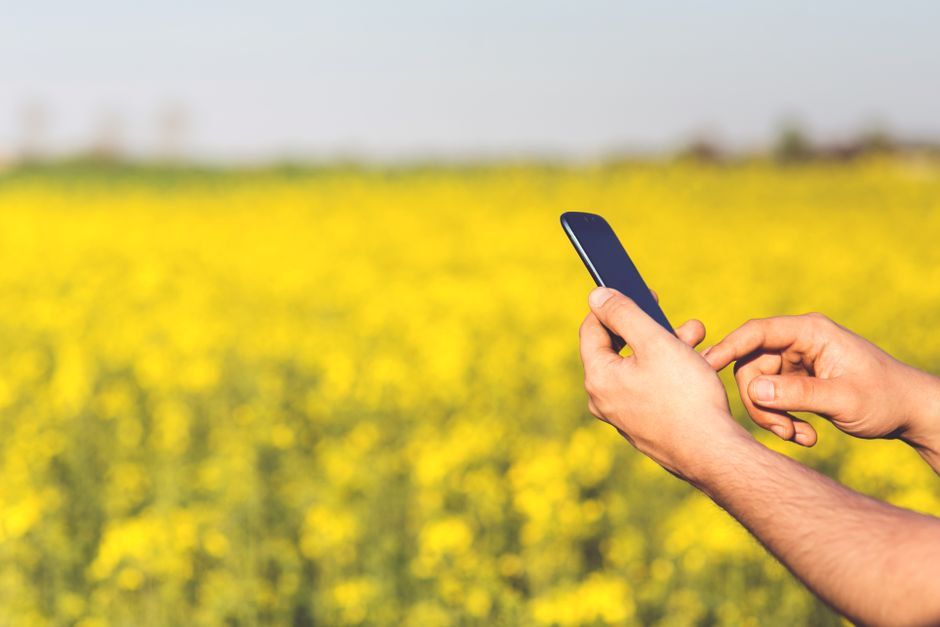
In September 2026, the landscape of Indian agriculture is experiencing a quiet but profound transformation, driven by the proliferation of Artificial Intelligence (AI) applications. What was once the exclusive domain of large research institutions or expensive private consultancies is now increasingly accessible to the common farmer, often at no direct cost. This shift is powered by several converging factors: the widespread adoption of smartphones, even in rural India, with over 800 million active users; the aggressive rollout of 4G and 5G networks by operators like Jio and Airtel, covering vast swathes of the country; and a concerted push by both government and private entities to leverage technology for agricultural upliftment. Initiatives like the Digital India programme have laid the groundwork, fostering an ecosystem where developers are creating AI solutions tailored to the unique challenges of Indian farming – from diverse soil types and climatic zones to varied crop cycles and pest pressures. These apps often integrate machine learning models trained on vast datasets of crop images, weather patterns, and soil nutrient profiles, allowing them to provide surprisingly accurate and localized advice. The focus remains on making these tools intuitive, often employing visual interfaces and local language support to bridge the digital literacy gap.
The government’s push for initiatives like the ‘Agriculture Stack’ and collaborations with private tech firms are further accelerating this trend. For example, the Ministry of Agriculture and Farmers Welfare has been promoting various Kisan Suvidha apps, while private players like Plantix and AgriApp have garnered millions of downloads. These platforms are not just static information repositories; they are dynamic tools that learn and adapt. A farmer can upload a picture of a diseased leaf, and the AI can often identify the pathogen and suggest remedial measures within seconds. This real-time diagnostic capability, combined with predictive analytics for weather and market prices, is fundamentally changing how farmers plan and execute their daily operations. The sheer volume of data being generated and processed by these applications is immense, leading to continuous improvements in their accuracy and utility. This digital wave is not just about efficiency; it’s about empowering farmers with knowledge, reducing their reliance on traditional, often less accurate, methods, and ultimately making farming more profitable and sustainable.
Why It Matters: Bridging Knowledge Gaps and Boosting Productivity
The advent of free AI agriculture apps holds immense significance for Indian farmers, particularly the estimated 120 million small and marginal landholders who constitute over 86% of the farming community. Historically, these farmers have faced significant challenges: limited access to expert agricultural advice, vulnerability to unpredictable weather, lack of real-time market information, and the high cost of inputs due to inefficient resource management. Traditional methods of seeking advice, often involving visits to local agricultural extension offices or relying on word-of-mouth, can be time-consuming, geographically constrained, and sometimes inconsistent. AI apps directly address these pain points by democratizing access to crucial information and expert knowledge. For instance, an app that accurately identifies a crop disease from a photo can save a farmer days, if not weeks, of yield loss, preventing the spread of infection and reducing the need for expensive, broad-spectrum pesticides.
Moreover, these applications provide invaluable data-driven insights that were previously unavailable. Localized weather forecasts, often granular down to a few square kilometres, allow farmers to plan irrigation schedules, planting, and harvesting more effectively, mitigating risks associated with erratic monsoon patterns or unexpected heatwaves. Access to real-time mandi prices from various markets empowers farmers to choose the most lucrative selling points for their produce, preventing exploitation by middlemen and ensuring a fairer return on their labour. The ability to monitor soil health through simple input parameters or even basic soil tests, combined with AI-driven recommendations for nutrient management, leads to optimized fertilizer use, reducing costs and promoting environmental sustainability. In a country where agricultural productivity directly impacts national food security and rural incomes, these free AI tools are not just technological novelties; they are vital instruments for improving livelihoods, fostering resilience against climate change, and enhancing the overall efficiency and profitability of the agricultural sector. They represent a tangible step towards a more informed, empowered, and prosperous farming community in India.
Key AI-Powered Solutions for Crop & Soil Management
A significant segment of free AI applications for Indian farmers focuses on the critical areas of crop health, disease detection, and soil nutrient management. These apps leverage image recognition and machine learning algorithms to provide immediate, actionable insights. For example, apps like Plantix (developed by PEAT GmbH) have become immensely popular, with millions of downloads across India. A farmer can simply take a photo of a diseased plant leaf, and the app’s AI engine analyzes the image against a vast database of plant pathologies. Within seconds, it can often identify the specific disease or pest infestation, provide detailed information about it, and suggest appropriate organic or chemical treatments. This real-time diagnosis is a game-changer for farmers in remote areas who may not have immediate access to agricultural experts. Plantix supports multiple Indian languages, including Hindi, Marathi, Telugu, and Tamil, ensuring broad accessibility.
Beyond disease, several apps integrate soil health management. While advanced soil testing requires laboratory analysis, many free apps allow farmers to input basic soil characteristics (like colour, texture, and previous crop yield) or even integrate with simpler, affordable soil pH meters available in the market. AI algorithms then process this data to provide recommendations on optimal fertilizer application, crop rotation, and micronutrient deficiencies specific to their land. KrishiGyan, an initiative often supported by agricultural universities and KVKs, offers similar diagnostic tools and advisory services, often integrating local best practices. These apps are designed to work effectively even with mid-range Android smartphones, which are prevalent in rural India. They aim to reduce dependency on generic advice, offering personalized recommendations that can significantly improve crop yields and reduce input costs, directly impacting the farmer’s bottom line. The ability of these applications to function with varying degrees of offline capability is also crucial, as internet connectivity can be intermittent in many agricultural zones.
Leveraging AI for Weather & Market Insights: Smart Decisions, Better Returns
For Indian farmers, weather and market price volatility are two of the most significant risks. Free AI apps are increasingly providing robust solutions to mitigate these uncertainties. Applications focused on weather forecasting, such as FarmBee or even localized features within broader agricultural platforms, utilize advanced meteorological models combined with AI to deliver highly granular and localized weather predictions. These forecasts go beyond generic regional data, often providing hourly updates on rainfall probability, temperature fluctuations, humidity levels, and wind speed for a specific village or even farm plot. This precision allows farmers to make critical decisions: when to irrigate, when to apply pesticides (to avoid wash-off), and when to harvest to prevent crop damage from sudden rains or heatwaves. For a farmer in rural Punjab relying on borewell irrigation, knowing the exact probability of rain can save significant electricity costs and water resources. Many of these apps source data from government agencies like IMD but apply AI to refine and present it in an easily digestible, actionable format, often in local languages.
Equally vital are AI-powered market insight tools. Apps like AgriApp and others often integrate real-time mandi (agricultural market) prices for various commodities across different markets in India. The AI component here analyzes historical price trends, current supply-demand dynamics, and even news sentiment to offer predictive analytics on future price movements. A farmer in Karnataka growing tomatoes can check the prices in Bengaluru, Mysuru, and even distant markets like Chennai, comparing wholesale rates and transport costs to determine the most profitable market to sell their produce. This transparency reduces information asymmetry, which has historically disadvantaged farmers, and helps them avoid distress sales. Some apps even provide information on government procurement schemes and export opportunities, further empowering farmers with comprehensive market intelligence. The crucial aspect here is the accessibility of this data via a smartphone, bypassing the need for physical visits or reliance on middlemen for price discovery.
Challenges and the Path Forward: Connectivity, Literacy, and Localisation
While the potential of free AI agriculture apps is immense, their widespread adoption and effectiveness in India face several practical challenges that must be addressed. The primary hurdle remains consistent and reliable internet connectivity, particularly in remote rural areas. While 4G and 5G penetration by Jio, Airtel, and Vi has expanded significantly, patchy coverage, network congestion, and frequent power cuts (which affect tower operations) can severely limit real-time data access. Many advanced AI features, such as instant image analysis or live market updates, require a stable connection. Developers are actively working on improving offline capabilities, allowing core functionalities to work without constant internet, but this remains a work in progress. For a farmer in a village in Chhattisgarh using a dual-SIM phone, switching between Jio and Airtel for the best signal often becomes a daily routine just to access these apps.
Another significant challenge is digital literacy. While smartphone ownership is high, navigating complex app interfaces, understanding technical agricultural terms, or interpreting data visualizations can be daunting for farmers with limited formal education. The solution lies in highly intuitive, visually driven interfaces, extensive use of local languages (beyond just Hindi and English to include all major regional languages), and voice-based input/output features. Furthermore, the sheer diversity of India’s agro-climatic zones, crop varieties, and traditional farming practices demands hyper-localisation. A pest control recommendation for paddy in Punjab might be irrelevant for a farmer growing spices in Kerala. AI models need to be continuously trained on region-specific data to provide truly accurate and contextually relevant advice. Collaboration between app developers, agricultural universities, Krishi Vigyan Kendras (KVKs), and local NGOs is crucial to gather this data, validate recommendations, and provide on-ground training and support, ensuring that these powerful AI tools genuinely benefit every farmer, regardless of their location or digital proficiency.
Comparison of Prominent Free AI Agriculture Apps in India (September 2026)
| App Name | Primary Focus | Key Features | Supported Indian Languages | Offline Capability | Network Dependency (for full features) |
|---|---|---|---|---|---|
| Plantix | Crop Disease & Pest Diagnosis | Image-based diagnosis, treatment recommendations, community forum, crop guides. | Hindi, Marathi, Telugu, Tamil, Kannada, Gujarati, Bengali, Punjabi, English. | Limited (diagnosis database can be partially offline). | Moderate (real-time updates, community, full database). |
| AgriApp | Farm Management & Market Prices | Crop advisory, weather forecast, mandi prices, soil health, farm diary. | Hindi, Marathi, Kannada, English, more regional languages being added. | Partial (basic data, farm diary entries). | High (real-time market prices, detailed weather, advanced advisory). |
| KrishiGyan (various regional versions) | General Agricultural Advisory | Crop-specific advice, pest management, government schemes, expert chat (KVKs). | Region-specific languages (e.g., Hindi for northern states, Marathi for Maharashtra). | Limited (static information). | Moderate (expert interaction, latest schemes). |
| FarmBee / Kisan Suvidha (Govt. initiatives) | Weather, Market & Input Advisory | Localized weather, mandi prices, dealer information, agro-advisory. | Hindi, English, and various regional languages as per state versions. | Minimal (primarily online). | High (real-time data, official updates). |
Who This Is For / Who Should Look Elsewhere
This article and the free AI apps discussed are primarily for:
- Small and Marginal Farmers: Those with 1-5 acres of land who need cost-effective access to expert agricultural advice.
- Farmers in Remote/Tier-2 Regions: Individuals who find it difficult to access physical agricultural extension services or reliable local experts.
- First-Time Smartphone Users: Farmers who have recently acquired a 4G/5G smartphone and are keen to leverage technology to improve their farming practices.
- Farmers Seeking Data-Driven Decisions: Those looking to move beyond traditional methods and incorporate precise weather forecasts, market trends, and disease diagnostics into their daily operations.
- Anyone on a Tight Budget: Since these apps are free, they offer an unparalleled opportunity to access advanced agricultural intelligence without financial burden.
You should look elsewhere if:
- You Lack Smartphone Access or Digital Literacy: These apps require a basic Android or iOS smartphone and a fundamental understanding of how to use mobile applications.
- You Operate a Large-Scale Commercial Farm: Your operations likely require highly specialized, integrated precision agriculture solutions, often involving drones, IoT sensors, and proprietary software, which go beyond the scope of these free apps.
- You Have Absolutely No Internet Connectivity: While some apps offer limited offline features, their full utility, especially for real-time updates and AI analysis, depends heavily on consistent 4G/5G internet access.
- You Prefer Traditional, Human-Led Consultation Exclusively: While these apps are powerful tools, they are not a complete replacement for direct human interaction with agricultural scientists or experienced peers.
- You are Looking for Funding or Loan Applications: While some government apps might link to schemes, the primary focus of these AI apps is advisory, not financial services.
Tips for Maximizing Value from Free AI Agriculture Apps
- Verify Language Support: Before downloading, check if the app supports your native language or a language you are comfortable with. Apps like Plantix offer multiple Indian languages, significantly improving usability.
- Assess Offline Functionality: Given inconsistent rural connectivity, prioritize apps that offer some level of offline access for critical information like disease databases or basic crop guides. Download essential data when you have good network coverage.
- Check Device Compatibility: Ensure your smartphone runs a recent enough Android (e.g., Android 8.0 or higher) or iOS version to support the app. While these apps are designed to be lightweight, older devices might struggle with image processing for AI features.
- Understand Data Privacy: Read the app’s privacy policy, especially if you’re inputting sensitive farm data or location information. While free, your data might be used for improving AI models. Choose apps from reputable developers or government initiatives.
- Engage with Community Features: Many apps include community forums or expert chat functions. Actively participate, ask questions, and share your experiences. This peer-to-peer learning and direct access to experts can be incredibly valuable.
- Cross-Reference Information: While AI recommendations are increasingly accurate, it’s always prudent to cross-reference advice from multiple apps or consult with local KVKs or experienced farmers, especially for critical decisions.
Frequently Asked Questions
Do these AI apps work without internet in remote areas?
Many AI agriculture apps offer limited offline functionality. For example, some may store a database of common crop diseases and their remedies locally, allowing for basic diagnosis even without an internet connection. However, for real-time weather updates, live market prices, or advanced AI analysis requiring cloud processing (like uploading a photo for diagnosis), a stable internet connection (4G or 5G from Jio, Airtel, or Vi) is generally required. It’s advisable to check each app’s specific offline capabilities before relying solely on it in areas with poor network coverage.
Are these AI apps truly free, or are there hidden costs?
The apps highlighted in this article, such as Plantix, AgriApp, and various government-backed Kisan Suvidha initiatives, are genuinely free to download and use for their core features. They typically do not have subscription fees or in-app purchases for essential agricultural advisory services. Some apps might display advertisements, or offer premium features (like personalized expert consultation beyond basic chat) as paid upgrades, but their fundamental AI-powered tools remain free. Always download from official app stores (Google Play Store or Apple App Store) to avoid unofficial versions with hidden charges.
What kind of smartphone do I need to run these apps effectively?
Most free AI agriculture apps are designed to run on a wide range of Android and iOS smartphones. A device with at least 2GB of RAM, 32GB of internal storage, and running Android 8.0 (Oreo) or iOS 12 and above is generally sufficient. A decent camera (8MP or higher) is beneficial for image-based disease diagnosis. While a basic smartphone priced around Rs 7,000-10,000 from brands like Xiaomi, Realme, or Samsung will typically suffice, a more robust device with better battery life and water/dust resistance (e.g., an IP52 rating) might be advantageous for farm use, costing around Rs 12,000-15,000.
How accurate is the advice provided by these AI apps?
The accuracy of advice from AI agriculture apps has improved significantly, with many achieving over 85-90% accuracy for common crop diseases and pest identifications, according to published research and user feedback. This accuracy is a result of extensive training data and continuous machine learning model refinement. However, factors like image quality (lighting, focus), the uniqueness of a specific local pest variant, or very early-stage disease symptoms can sometimes affect diagnosis. For weather forecasts and market prices, data is often sourced from official agencies (IMD, AGMARKNET) and enhanced with AI, providing highly reliable, localized information. It is always recommended to use these apps as powerful decision-support tools and, for critical issues, cross-verify with local agricultural experts.
Verdict
The rise of free AI agriculture apps represents a monumental step towards digitally empowering Indian farmers, offering unprecedented access to vital information and expert advice directly to their smartphones. While challenges like consistent connectivity and digital literacy persist, the continuous development in localisation and intuitive design ensures these tools are becoming increasingly effective and user-friendly. For the vast majority of small and marginal farmers across India, these applications are indispensable assets for making informed decisions, optimizing resource use, and ultimately securing better yields and improved livelihoods. They are best suited for farmers who own a 4G/5G enabled smartphone and are eager to embrace technology for a more productive and profitable future.
For more on this topic, see our AI and tech innovation.
About the Author