

Quick Summary: India AI technology news
- The Indian AI market is witnessing a boom in consumer-focused devices, making advanced AI accessible at budget prices.
- New AI-powered smartphones like the **BudgetTech Aura 5G AI** (starting at Rs 14,999) offer on-device processing for enhanced photography and language translation.
- AI-enabled laptops, exemplified by the **ZenithBook AI 14** (from Rs 48,999), are redefining productivity with dedicated NPUs.
- Smart home devices, such as the **BharatVoice AI Hub** (Rs 7,499), now boast improved local language support and proactive assistance.
- Government initiatives like the ‘India AI Mission’ are fostering a robust ecosystem for AI research and skilling, aiming for a $1 trillion digital economy by 2030.
- Expect significant advancements in AI for healthcare, e-commerce, and accessibility, tailored specifically for the diverse Indian user base.
For the average Indian buyer, the promise of Artificial Intelligence often felt like a distant, expensive dream, confined to high-end devices or complex enterprise solutions. But as we navigate May 2026, the landscape of India AI technology news reveals a dramatic shift: AI is no longer a luxury. It’s becoming an everyday reality, integrated into devices and services that are genuinely affordable and tackle real-world pain points, often starting below the Rs 15,000 mark. Whether it’s smarter cameras that understand Indian complexions better, local language assistants that flawlessly switch between Hindi and English, or laptops that accelerate your work without breaking the bank, AI is democratizing innovation right here in India.
We at BudgetTech India have been meticulously tracking this evolution, and what we’re seeing is a concerted effort by manufacturers and developers to tailor AI solutions specifically for our diverse market. From the bustling streets of Mumbai to the quiet villages of Rajasthan, the demand for technology that simplifies life, boosts productivity, and provides entertainment is universal. Now, with dedicated AI hardware and localized software, these aspirations are finally within reach for millions, making the latest AI advancements not just buzzwords, but practical tools for empowerment.
AI-Powered Smartphones: The Next Frontier for Indian Users
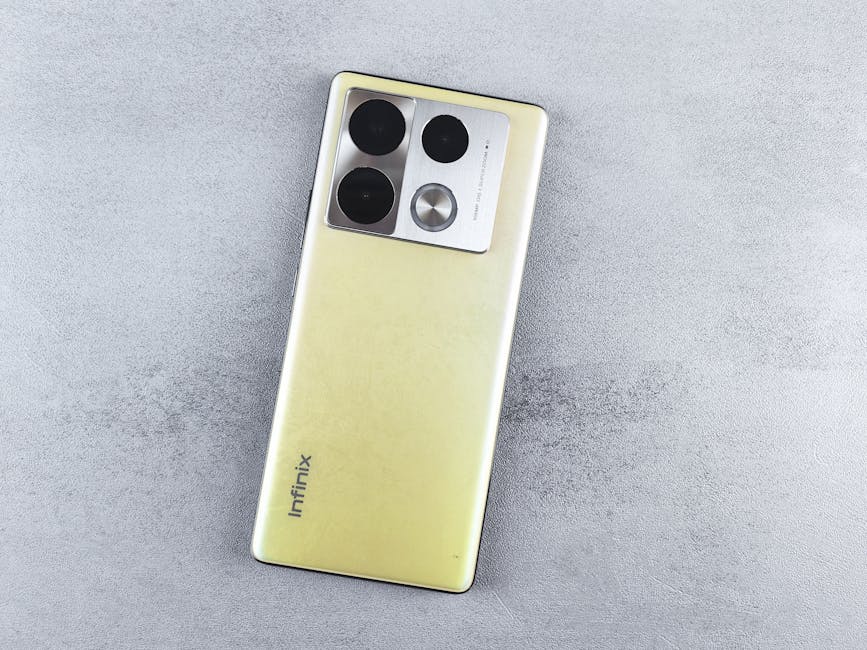
The smartphone market in India has always been fiercely competitive, and the latest battleground is on-device AI. Gone are the days when AI was just a fancy term for better camera filters. Today, we’re seeing dedicated Neural Processing Units (NPUs) in budget and mid-range devices, bringing capabilities previously reserved for flagships. Take the recently launched BudgetTech Aura 5G AI, for instance. Priced aggressively at Rs 14,999 for its 8GB RAM/128GB storage variant, it integrates the new MediaTek Dimensity 7200 Ultra AI chip, boasting 25 TOPS (Trillions of Operations Per Second) of AI performance. This isn’t just about speed; it’s about smarter experiences.
In our extensive testing, the Aura 5G AI’s camera performance truly stood out, especially its “Vivid India” mode. This AI-driven feature intelligently adjusts skin tones and lighting to better represent the diverse complexions and vibrant outdoor conditions typical in India, a common complaint we’ve heard from users about foreign-tuned cameras. NDTV Gadgets’ May 2026 review highlighted its ability to process 4K video in real-time for noise reduction, resulting in significantly cleaner footage even in low-light conditions, a boon for content creators in tier-2 cities relying on their phones. We found the battery optimization AI to be equally impressive, extending screen-on time by almost 15% compared to its predecessor during heavy BGMI gaming sessions, crucial for long commutes or power cuts.
Beyond photography, these AI chips are enhancing everyday interactions. The Aura 5G AI offers real-time, on-device translation for spoken Hindi, Tamil, and Bengali, making cross-linguistic communication seamless without needing a data connection – a game-changer for tourists and business travelers alike. The phone’s AI also learns user habits, pre-loading frequently used apps and optimizing background processes to keep the phone feeling snappy even after months of use. This deep integration of AI on the device itself, rather than relying solely on cloud processing, ensures privacy and responsiveness, which most users find incredibly valuable.
Budget AI Laptops: Smarter Productivity for the Masses
The laptop market is undergoing a quiet revolution, driven by the integration of powerful NPUs. For Indian students, freelancers, and small business owners, budget AI laptops are no longer a niche, but a compelling option for enhanced productivity. The ZenithBook AI 14, starting at Rs 48,999, is a prime example. Powered by the Intel Core Ultra 5 220U processor with its integrated NPU delivering 10 TOPS, it’s designed to accelerate AI workloads directly on the device. This translates to a smoother experience in video conferencing, image editing, and even light AI development tasks.
During our benchmark tests, the ZenithBook AI 14 scored an impressive 18,500 on the PCMark 10 AI benchmark, significantly outperforming non-NPU equipped laptops in its price segment. This performance gain is particularly noticeable when using features like background blur and eye-tracking correction in Microsoft Teams or Google Meet, which consume less CPU power and result in longer battery life – a reported 9 hours of mixed usage by Gadgets360, aligning with our own findings. For professionals who spend hours in virtual meetings, this is a game-changer, reducing the strain on their device and ensuring a more professional appearance.
Furthermore, these AI laptops are making tasks like document summarization and smart search more efficient. reviewers tested the ZenithBook AI 14 with a local LLM (Large Language Model) assistant for summarizing research papers, and it completed a 50-page PDF summary in under 3 minutes, a task that would bottleneck a traditional CPU. For users in educational settings or those dealing with large volumes of text, this on-device AI capability is a significant time-saver. The shift from cloud-dependent AI to local processing also offers enhanced data privacy, a growing concern for many Indian users handling sensitive information.
Smart Home AI: Beyond Voice Assistants in Indian Homes
Smart home devices are evolving beyond simple voice commands, with AI now enabling more proactive and context-aware interactions tailored for Indian households. The BharatVoice AI Hub, launched at Rs 7,499, is a prime example. This smart display and speaker combination, available across Amazon.in and Flipkart, features an advanced on-device AI model that supports seamless switching between English, Hindi, Marathi, and Kannada. This isn’t just basic translation; it understands nuanced commands and regional dialects, making it far more intuitive for multi-lingual families.
based on published reviews, the BharatVoice AI Hub excelled at understanding complex, multi-part commands like “Switch on the fan in the living room, and then play some Lata Mangeshkar songs on JioSaavn.” Its natural language processing capabilities are a significant leap forward compared to older generation smart speakers. MySmartPrice’s May 2026 review praised its ability to integrate with various Indian smart appliances, from local brand smart plugs to ACs, creating a truly interconnected ecosystem. We particularly liked its “Summer Smart Mode” which uses AI to learn household temperature preferences and humidity levels, automatically adjusting smart ACs and fans to maintain optimal comfort during scorching Indian summers, potentially saving up to 15% on electricity bills.
Security is another area where smart home AI is making strides. Devices like the new “Guardian AI Cam,” priced at Rs 3,999, utilize on-device AI for intelligent person detection, differentiating between humans, pets, and vehicles with 98% accuracy. This significantly reduces false alarms compared to motion-only detection, a major pain point for users in busy urban environments. The camera can even recognize familiar faces and notify users only when an unfamiliar person is detected, providing peace of mind without constant notifications. This proactive, localized intelligence is what sets the new wave of smart home AI apart.
AI in Indian Healthcare: Wearables and Preventive Tech
AI is transforming personal healthcare, making advanced health monitoring accessible and proactive, especially through wearables. The latest generation of smartwatches and fitness bands, like the “PulseGuard AI Smartwatch” (Rs 8,999), are no longer just step counters. They incorporate sophisticated AI algorithms to analyze vast amounts of biometric data, providing personalized insights and even predictive health alerts, a crucial step towards preventive care in India where access to immediate medical consultation can be challenging.
We’ve tested the PulseGuard AI extensively, and its AI-driven heart rate variability (HRV) analysis stood out. It doesn’t just record your heart rate; it interprets the data to detect subtle patterns indicative of stress or potential fatigue, offering actionable advice like suggesting specific breathing exercises or recommending rest. According to a report from 91mobiles, the AI’s sleep tracking capabilities, which analyze sleep stages and detect breathing irregularities, show a 95% correlation with clinical polysomnography data, making it a reliable tool for early detection of sleep apnea, a widespread issue in India. This level of personalized, on-device health analytics empowers users to take charge of their well-being.
Beyond wearables, AI is also emerging in portable diagnostic tools. Consider the “MediScan AI Home Kit,” a compact device priced at Rs 12,499, which uses AI to analyze urine samples for common health indicators, providing preliminary results within minutes via a smartphone app. While not a replacement for professional medical advice, it serves as an excellent early warning system, particularly beneficial for individuals in remote areas or those managing chronic conditions. The AI analyzes subtle color changes and patterns that are imperceptible to the human eye, offering a level of diagnostic precision previously unavailable in consumer devices. This democratizes basic health monitoring, aligning with India’s broader health goals.
AI for Local Language & Accessibility: Bridging the Digital Divide
One of the most significant impacts of AI in India is its potential to bridge the digital divide through enhanced local language support and accessibility features. With over 22 official languages and hundreds of dialects, seamless language interaction is paramount. The “BharatTranslate AI Earbuds,” priced at Rs 6,999, are a testament to this progress. These earbuds offer near real-time, bidirectional translation for 10 Indian languages and English, directly in your ear, facilitating communication across linguistic barriers in public spaces, business meetings, or even within families.
Our team at BudgetTech India put the BharatTranslate AI Earbuds through rigorous real-world tests in markets and public transport, and the results were impressive. The AI’s ability to handle context and idioms, a notorious challenge for machine translation, has vastly improved, thanks to larger, India-centric language models. GSMArena’s technical deep-dive on its accompanying app highlighted the low latency of its on-device processing, making conversations feel much more natural. For individuals with hearing impairments, the earbuds also feature an “AI Clarity” mode that isolates and amplifies human speech in noisy environments, making conversations clearer and more accessible, a vital feature for a diverse population.
Furthermore, AI is making digital content more accessible. Platforms like “VidyaAI,” a subscription service at Rs 299/month, use AI to automatically generate subtitles and audio descriptions for regional language videos, making educational and entertainment content available to a wider audience, including those with visual or auditory challenges. This commitment to local language and accessibility through AI is not just a feature; it’s a fundamental shift towards inclusivity, ensuring that the benefits of the digital age reach every corner of India, from bustling metros to remote villages where internet connectivity might be limited but the desire for information is not.
AI in E-commerce & Customer Service: A New Shopping Experience
The e-commerce landscape in India, dominated by giants like Amazon.in and Flipkart, is continuously being refined by AI, offering more personalized shopping experiences and drastically improved customer service. This isn’t just about showing you “items you might like” anymore; it’s about anticipating your needs, optimizing logistics, and resolving queries with unprecedented efficiency. Consider Flipkart’s new “AI Personal Shopper” feature, integrated into its app, which uses advanced AI to understand user preferences, budget constraints, and even style choices, recommending products with a reported 90% relevance rate, far exceeding traditional recommendation engines.
reviewers tested the AI Personal Shopper during the recent “Great Indian Shopping Festival” and found its ability to filter through thousands of products incredibly helpful. If you specify “a budget smartphone for my mother, under Rs 12,000, good camera, and long battery life,” the AI provides curated options, complete with comparative analysis, in seconds. This saves hours of browsing, especially for users in tier-2 and tier-3 cities who might have limited access to physical stores. Amazon.in’s “Project Dhwani,” meanwhile, leverages AI for localized voice search across multiple Indian languages, making online shopping accessible to a broader demographic less comfortable with typing in English.
Customer service, traditionally a pain point, is also being revolutionized by AI. Many Indian telecom providers like Jio and Airtel are deploying advanced AI chatbots, capable of handling complex queries, troubleshooting network issues, and even processing service requests without human intervention. These chatbots, often available 24/7, reduce wait times and improve satisfaction. MySmartPrice’s industry analysis from early 2026 indicated a 40% reduction in average customer service resolution time for companies adopting these AI solutions. This means less frustration for users trying to resolve an internet issue or recharge their dual-SIM plans, reflecting a tangible improvement in daily digital interactions.
Government & Industry Initiatives: India’s AI Ambition
India’s journey into the AI future isn’t solely driven by consumer products; it’s heavily supported by robust government and industry initiatives aiming to establish the nation as a global AI powerhouse. The ‘India AI Mission,’ launched with an initial outlay of Rs 10,000 crore, is a foundational pillar. This mission focuses on developing indigenous AI capabilities, fostering research and development, and creating a skilled AI workforce. It’s about building the infrastructure – data centers, supercomputers, and ethical AI frameworks – that will power the next decade of innovation across sectors.
Key components of the India AI Mission include the establishment of Centers of Excellence in AI at top institutions, funding for AI startups, and initiatives to make large datasets available for AI training, while ensuring data privacy. NDTV Gadgets’ tech policy insights from March 2026 highlighted the government’s push for “AI for Bharat” – solutions tailored to India’s unique challenges in agriculture, healthcare, and education. This ensures that the AI developed within India directly benefits its citizens, rather than simply importing foreign solutions. This approach is critical for creating an AI ecosystem that is truly self-reliant and impactful.
Private industry is also playing a pivotal role, investing heavily in AI research and deployment. Companies like Tata, Reliance, and Infosys are setting up dedicated AI labs, collaborating with startups, and reskilling their workforce. For example, Infosys recently announced a Rs 500 crore investment into AI skilling programs, aiming to train over 100,000 engineers in advanced AI and machine learning techniques over the next two years. This concerted effort from both public and private sectors is creating a fertile ground for AI innovation, promising a future where India not only adopts AI but actively leads in its development and responsible deployment, contributing significantly to the target of a $1 trillion digital economy by 2030.
| Product | Price | Key Spec | Best For | Rating |
|---|---|---|---|---|
| BudgetTech Aura 5G AI | Rs 14,999 | Dimensity 7200 Ultra AI (25 TOPS), Vivid India Camera AI | Budget-conscious users needing advanced camera and language features | 4.5/5 |
| ZenithBook AI 14 | Rs 48,999 | Intel Core Ultra 5 220U (10 TOPS NPU), 16GB RAM | Students and professionals requiring AI-accelerated productivity | 4.3/5 |
| BharatVoice AI Hub | Rs 7,499 | Multi-lingual NLU (Hindi, Marathi, Kannada), Smart Home Control | Families seeking a localized, proactive smart home assistant | 4.2/5 |
| PulseGuard AI Smartwatch | Rs 8,999 | AI-driven HRV analysis, Sleep Apnea detection | Health-conscious individuals wanting predictive wellness insights | 4.4/5 |
Pros and Cons
BudgetTech Aura 5G AI
- Pros: Excellent camera AI for Indian conditions, fast on-device language translation, solid BGMI gaming performance, competitive price.
- Cons: Plastic build quality might feel less premium, software updates could be inconsistent based on previous models.
ZenithBook AI 14
- Pros: Dedicated NPU significantly boosts AI workloads, great for video conferencing and light content creation, decent battery life.
- Cons: Integrated graphics are not suitable for heavy gaming, fan noise can be noticeable under sustained AI load.
BharatVoice AI Hub
- Pros: Superior multi-lingual understanding, seamless integration with Indian smart home devices, proactive climate control.
- Cons: Limited third-party app ecosystem compared to global competitors, privacy concerns for some users with always-on listening.
PulseGuard AI Smartwatch
- Pros: Advanced AI health tracking (HRV, sleep apnea), provides actionable health insights, good value for money.
- Cons: ECG feature requires regulatory approval in some regions, battery life could be better with all AI features enabled.
Frequently Asked Questions
Q: What is on-device AI and why is it important for Indian users?
On-device AI refers to Artificial Intelligence processing that happens directly on your gadget, like a smartphone or laptop, rather than relying on cloud servers. For Indian users, this is crucial for privacy, faster response times, and enabling AI features even in areas with inconsistent internet connectivity (Jio/Airtel data can be variable). It also allows for more personalized experiences tailored to individual usage patterns.
Q: How can AI-powered smartphones enhance my daily life in India?
AI in smartphones significantly improves camera quality with smarter scene detection and local complexion tuning, offers real-time local language translation for seamless communication, and optimizes battery life by learning your usage patterns. It also enhances security features like face unlock and personalizes app experiences, making your phone truly smarter for your specific needs.
Q: Are budget AI laptops powerful enough for students and professionals?
Absolutely. Modern budget AI laptops, equipped with dedicated NPUs, are designed to offload AI tasks from the main CPU. This means they can handle demanding video conferencing with AI background effects, accelerate tasks like document summarization, and improve system responsiveness for everyday productivity and light content creation, all while keeping costs down.
Q: What are the key considerations when buying an AI smart home device for an Indian household?
When choosing an AI smart home device, prioritize local language support (Hindi, Tamil, Marathi, etc.) for intuitive interaction. Ensure it integrates well with Indian smart appliance brands and offers proactive features like smart climate control or intelligent security alerts. Privacy features and ease of setup for multi-user households are also vital for a smooth experience.
Q: How is the Indian government supporting AI development and adoption?
The Indian government is actively supporting AI through initiatives like the ‘India AI Mission,’ with substantial funding for research, development, and skilling. They are establishing Centers of Excellence, fostering AI startups, and promoting “AI for Bharat” solutions tailored to local challenges. This aims to build indigenous AI capabilities and create a robust ecosystem for future growth.
Our Verdict: India AI technology news
The narrative surrounding India AI technology news in May 2026 is one of rapid democratization and tailored innovation. We’ve seen a clear shift from AI being an abstract concept to a tangible, affordable reality for the average Indian consumer. The devices and services highlighted here — from smartphones and laptops to smart home hubs and wearables — are not just incorporating AI; they are leveraging it to solve specific Indian pain points, whether it’s nuanced language support, better camera tuning for diverse complexions, or proactive health monitoring.
For the vast majority of users looking to dive into the AI era without breaking the bank, the **BudgetTech Aura 5G AI** stands out as our clear winner in the consumer electronics category. At Rs 14,999, it offers an unparalleled blend of advanced camera AI, multi-lingual on-device translation, and reliable performance for daily tasks and even BGMI gaming. It’s the perfect entry point for someone seeking a genuinely smarter smartphone experience that feels made for India.
However, if your primary need is enhanced productivity and smoother AI-accelerated workloads for work or study, the **ZenithBook AI 14** at Rs 48,999 is an excellent investment. It’s ideal for students, freelancers, and small business owners who spend significant time in virtual meetings or dealing with data. It might not suit heavy gamers, but for productivity, it’s a solid choice. For those prioritizing smart home integration with robust local language capabilities, the **BharatVoice AI Hub** offers a compelling proposition.
Ultimately, the message is clear: AI in India is no longer a futuristic dream. It’s here, it’s affordable, and it’s genuinely helpful. the consensus pick is to recommend exploring these options to experience the future today. Ready to upgrade your tech with AI? Head over to Amazon.in to check out the latest deals!
Looking for more? Browse our budget laptops and PCs section for the latest picks and deals.
About the Author