
Imagine this: you’re a freelance graphic designer in Nagpur, eyeing the latest 14-inch ultrabook from a niche Taiwanese brand, known for its colour-accurate OLED display and robust build quality, a model not officially launched in India. You’ve always preferred importing unique tech, bypassing the limited local options and often saving a few thousand rupees. But as August 2026 rolls around, the landscape has drastically shifted. That sleek ultrabook, once a relatively straightforward (if a little complex) import, now faces a gauntlet of new regulations. Increased duties, mandatory licensing, and the ever-present question of warranty in India mean your dream machine could cost 40-50% more, take weeks to arrive, and leave you stranded without local support if anything goes wrong. This isn’t just a hypothetical; it’s the new reality for anyone considering importing a laptop into India in 2026. BudgetTech India delves deep into these changes, helping you navigate the complex new rules and make informed decisions.
Quick Summary: Key Takeaways for Laptop Imports in 2026
- Mandatory Import License: All laptop imports, personal or commercial, now require a specific DGFT license.
- Higher Duties for Non-BIS: Laptops lacking Bureau of Indian Standards (BIS) certification face significantly increased customs duties.
- Extended Lead Times: Expect administrative delays and longer processing times for license applications and customs clearance.
- Warranty Void Risks: International warranties are largely invalid for unofficially imported devices, making local support a major concern.
- Local Market Advantage: Official channels and domestically sold laptops offer superior value, warranty, and after-sales service.
The New Import Landscape: What Changed in 2026 for Laptops?
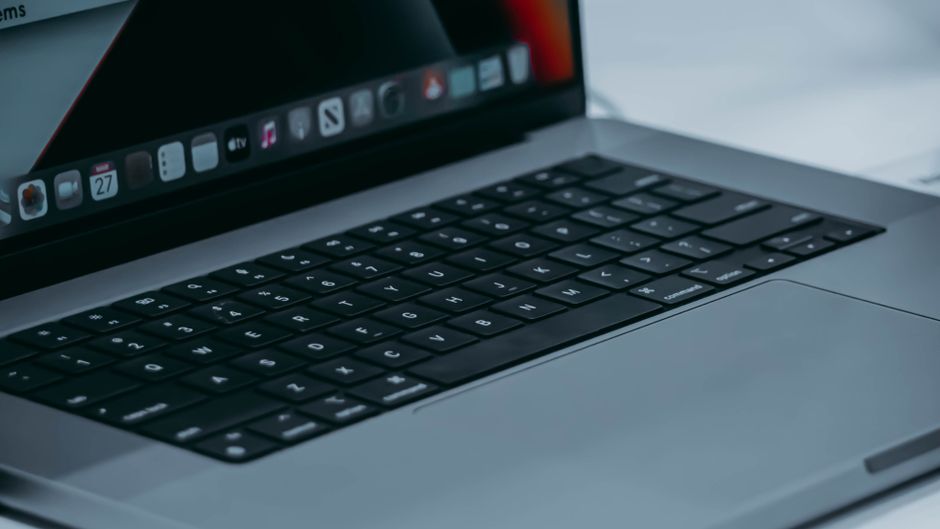
India’s push for self-reliance and boosting domestic manufacturing has been a consistent theme over the past few years. Building on the licensing regime introduced in 2023 for certain electronics, the government has further tightened the reins on laptop imports in 2026. The objective is clear: encourage global brands to manufacture locally or establish robust official import channels that comply with Indian standards, thereby reducing reliance on direct, often informal, imports.
The most significant change is the universal requirement for an import license. Previously, personal imports often had more relaxed guidelines, but as of August 2026, any laptop entering the country, whether for commercial resale or individual use, needs a Directorate General of Foreign Trade (DGFT) import license. This move aims to bring all laptop imports under a stringent regulatory framework, ensuring traceability and compliance. Furthermore, laptops that do not possess valid BIS (Bureau of Indian Standards) certification are now subject to substantially higher customs duties, a direct financial disincentive for bringing in non-compliant devices.
This shift transforms the import process from a somewhat convoluted but achievable task into a bureaucratic maze. Individuals and small businesses now face increased paperwork, longer processing times – often spanning three to four weeks for license approval – and the possibility of license rejection if their justification isn’t deemed sufficient. The government’s clear intent is to funnel consumer demand towards the burgeoning domestic electronics manufacturing sector or towards products officially imported and supported by established brands in India.
- Mandatory DGFT License: Required for all laptop imports, irrespective of quantity or purpose.
- Increased Customs Duty: Non-BIS certified models now incur duties of approximately 20-30% on the CIF (Cost, Insurance, Freight) value.
- Stricter Justification: Applicants must provide compelling reasons for importing a specific model not readily available in India.
- Administrative Fees: Processing charges are levied for license applications, adding to the overall cost.
- Enhanced Enforcement: Customs authorities are expected to be more vigilant in detecting and penalising undeclared or improperly imported devices.
Impact on Specific Buyer Segments: Who Feels the Pinch Most?
The tightened import rules disproportionately affect certain buyer segments in India. At the forefront are tech enthusiasts, niche professionals, and early adopters who historically relied on direct imports for access to cutting-edge technology or specific configurations unavailable through official Indian channels. For instance, a software developer needing a Linux-first laptop from a specialist brand like System76, or a video editor requiring a specific GPU variant found only in an international model, will find their options severely curtailed and costs significantly inflated.
Gamers, too, are likely to feel the pinch. While major gaming laptop brands like Asus ROG, Acer Predator, and MSI have a strong presence in India, specific high-performance SKUs or limited-edition models often launch internationally first, or are exclusive to certain markets. Indian gamers seeking these particular variants will now face a steep premium and administrative hurdles. Similarly, small businesses or startups that previously imported a few specialized laptops for their teams, perhaps due to specific software compatibility or perceived cost benefits, will now find the process prohibitively expensive and complex. This impact is amplified for buyers in tier-2 and tier-3 cities, where access to niche electronics is already limited, and informal import channels were sometimes the only recourse.
Conversely, the impact on general consumers purchasing mainstream laptops from established brands like Dell, HP, Lenovo, Asus, Acer, and Apple through official retailers (Amazon.in, Flipkart, Croma, Reliance Digital, Vijay Sales) will be minimal. These brands typically comply with BIS standards, hold commercial import licenses, and have established sales and service networks. The new rules primarily target the grey market and individual direct imports, pushing buyers towards the organised sector. Therefore, the core question for consumers shifts: “Why do I need to import this specific laptop?” If a comparable model is available locally, the answer almost always points to purchasing within India.
- Niche Professionals: Heavily impacted due to reliance on specialized, often internationally-exclusive hardware configurations.
- Early Adopters & Enthusiasts: Significantly restricted access to the absolute latest global tech before its official, often delayed, India launch.
- Small Businesses & Startups: Increased cost and complexity for procuring specialized team laptops, impacting operational budgets.
- Budget Buyers: Higher effective prices for grey market or direct imports will force them towards locally available, often entry-level, options.
Navigating the Import Maze: Options and Risks for Indian Buyers
For those determined to acquire a laptop not officially available in India, navigating the new import rules requires careful planning and an understanding of the available (and risky) pathways. The primary legitimate route for individuals is to apply for a personal import license through the Directorate General of Foreign Trade (DGFT). This process demands extensive documentation: a valid government ID, proof of purchase, detailed technical specifications of the laptop, and a comprehensive justification for why this specific model is essential and cannot be substituted by a locally available alternative. Furthermore, an undertaking not to resell the device might be required. This is not a quick process; prepare for significant lead times and potential back-and-forth with authorities.
An alternative, albeit more expensive, approach is to source the laptop through specialized authorized importers. These entities possess commercial import licenses and handle the complexities of customs, duties, and logistics. However, they will invariably pass on the increased duties, license fees, and their operational overheads to the consumer, resulting in a final price significantly higher than the international retail price. The selection through such channels will also be limited to models that these importers deem commercially viable, meaning truly niche devices might still be out of reach.
The grey market, a perennial feature of India’s electronics landscape, becomes an even riskier proposition under the new regime. While it might appear to offer a workaround for the new rules, purchasing from unofficial channels carries severe drawbacks: no legitimate warranty, no access to authorized service centres, and a high risk of receiving counterfeit or refurbished products. Furthermore, with stricter enforcement, devices imported via the grey market are at a higher risk of customs seizure, leading to financial loss and potential legal complications. For individuals travelling internationally, bringing one laptop for personal use as part of their baggage remains duty-free, but this allowance is strictly for personal use and not for resale, and customs officials are increasingly vigilant about this distinction.
- Direct Personal Import: Requires a DGFT import license, detailed justification, and significant patience for processing.
- Authorized Importers: Offers a legitimate, albeit expensive, channel for specific models with legitimate warranty and support.
- Grey Market: High risk of no warranty, counterfeit products, customs confiscation, and zero after-sales support.
- Traveler’s Baggage Exception: One laptop per passenger is generally allowed duty-free for genuine personal use, not for commercial resale.
The BIS Certification Hurdle and After-Sales Reality
The Bureau of Indian Standards (BIS) certification is more than just a regulatory hurdle; it’s a critical assurance of quality and safety tailored for Indian conditions. Laptops with BIS certification comply with specific Indian safety standards, which are particularly important given India’s unique power infrastructure, prone to voltage fluctuations and varying earthing conditions. For an imported laptop, especially one not officially launched in India, obtaining BIS certification as an individual is practically impossible due to the rigorous testing, facility audits, and costs involved, which are typically borne by manufacturers.
The immediate consequence of lacking BIS certification is the imposition of significantly higher import duties, making the device economically unviable for most. Beyond the initial cost, the absence of official BIS certification often renders international warranties null and void in India. Even if a globally renowned brand like Dell or HP offers an “international warranty,” it typically applies only to models officially sold and supported in the specific region. An imported laptop, even from these brands, will likely be turned away by Indian service centres if it lacks an Indian invoice and a valid serial number recognized in their local system.
This reality means that any hardware malfunction – a common occurrence given India’s challenging climate with monsoon humidity affecting electronics and frequent power cuts causing potential surges – would necessitate expensive out-of-pocket repairs. Sourcing genuine spare parts for non-Indian models is another formidable challenge, often requiring direct import of components, adding further cost and delay. For buyers in tier-2 and tier-3 cities, where authorized service centres are already fewer and farther between, the lack of local warranty and service for an unofficially imported laptop can quickly turn a premium purchase into a costly liability.
- BIS Compliance: Ensures adherence to Indian safety and quality standards, crucial for power stability and device longevity.
- Higher Duties: Non-BIS certified laptops face substantially increased customs duties, making them financially unattractive.
- Invalid Warranties: Most international warranties are not honoured in India for unofficial imports.
- No Service Centre Access: Authorized service centres typically refuse support for models not officially sold in India.
- Costly Repairs: Any repairs will be out-of-pocket, with challenges in sourcing genuine spare parts locally.
Comparison Table: Local vs. Imported Gaming Laptop (August 2026)
| Feature | Asus ROG Strix G16 (Local Purchase) | Hypothetical XMG Neo 16 (Direct Import) |
|---|---|---|
| Processor | Intel Core i9-14900HX | Intel Core i9-14900HX |
| GPU | NVIDIA GeForce RTX 4080 (175W TGP) | NVIDIA GeForce RTX 4080 (175W TGP) |
| RAM | 32GB DDR5 5600MHz | 32GB DDR5 5600MHz |
| Storage | 1TB NVMe PCIe Gen4 SSD | 1TB NVMe PCIe Gen4 SSD |
| Display | 16-inch QHD+ (2560×1600) IPS, 240Hz | 16-inch QHD+ (2560×1600) IPS, 240Hz |
| Warranty | 2-Year India On-site Warranty | 1-Year International (likely invalid in India) |
| BIS Certified | Yes | No |
| Estimated Street Price (Aug 2026) | Rs 1,79,999 | Rs 2,65,000 (approx. +47% due to duties, license fees, shipping) |
Who This Suits / Who Should Look Elsewhere
Understanding the implications of the 2026 import rules is crucial for making a smart purchase. Direct laptop imports are no longer a casual endeavour; they are a significant commitment with substantial financial and logistical overheads.
Who This Suits:
- Niche Professionals with Unique Needs: If your livelihood absolutely depends on a specific hardware configuration or software compatibility that is genuinely unavailable in any locally sold laptop, and your employer is willing to bear the substantial additional cost and administrative burden, then direct import might be your only recourse. This applies to a very small fraction of the market, typically in highly specialized fields.
- Institutions with Research Requirements: Universities, research labs, or large corporations that require specific, cutting-edge equipment for R&D purposes, and have dedicated import departments capable of navigating complex commercial licensing, might still consider this route.
- Travelers with a Single Personal Device: If you are an individual bringing one laptop for your own personal use as part of your international travel baggage, the rules for duty-free allowance generally remain, provided it’s declared and not intended for resale.
Who Should Look Elsewhere:
- Budget-Conscious Buyers: The cumulative effect of higher duties, license fees, and shipping costs makes direct imports economically unviable for anyone prioritising value for money. Locally available options will almost always offer a better price-to-performance ratio.
- Anyone Prioritising Warranty and After-Sales Service: For the vast majority of Indian consumers, the peace of mind offered by a legitimate Indian warranty, access to local service centres, and readily available spare parts is paramount. Direct imports offer none of this.
- General Users or Mainstream Gamers: If you can find a laptop with comparable specifications and features from a major brand officially sold in India – which is increasingly likely given the expanding local market – there is absolutely no compelling reason to import.
- Small Businesses or Individuals Importing Multiple Units: Attempting to bypass commercial licensing for multiple units will lead to significant legal and financial penalties.
- Residents of Tier-2/3 Cities: The challenges of sourcing, importing, and then repairing an unofficial laptop are exponentially higher outside of metro areas, making it an impractical choice.
Buying Tips: Navigating the Laptop Market in 2026
Given the complexities of laptop imports, focusing on local purchases from official channels is overwhelmingly the most sensible strategy for Indian consumers in 2026. Here are practical tips to ensure a smooth and secure buying experience:
- Prioritise BIS Certification: Always check for the BIS mark on any laptop you intend to purchase, even from local retailers. This certification ensures the device meets Indian safety and quality standards, which is crucial for reliability in our unique power and environmental conditions. It also guarantees easier warranty claims.
- Demand a GST Invoice: For any laptop purchase, whether online from Amazon.in or Flipkart, or offline from Croma, Reliance Digital, or Vijay Sales, insist on a full, legitimate GST invoice. This document is indispensable for activating your warranty, claiming any tax benefits (if applicable), and proving legitimate ownership in case of theft or customs inquiries.
- Verify Warranty & Service Network: Before finalising your purchase, especially from lesser-known online sellers or smaller independent stores, confirm the brand’s official service centre network in your specific city or region. Understand the warranty terms for India-specific models and ensure your purchase is covered. Don’t rely on vague promises of “international warranty.”
- Beware of “International Warranty” Claims: If a seller claims an imported laptop comes with an “international warranty” that will be honoured in India, be extremely skeptical. For devices not officially launched or imported through authorised channels in India, these warranties are typically invalid. Always cross-verify with the brand’s official Indian customer support *before* making any payment.
- Consider Local Alternatives: With the increased cost and regulatory hurdles associated with imports, a locally available, BIS-certified laptop from a major brand (like HP, Dell, Lenovo, Asus, Acer, Apple, MSI, Samsung) often offers superior overall value. Even if it’s not the exact model you initially eyed from abroad, the benefits of a legitimate warranty, readily available service, and competitive pricing far outweigh the perceived advantages of a direct import.
FAQ
Can I still bring one laptop for personal use when travelling to India?
Yes, the rules for passengers bringing one laptop for personal use as part of their baggage remain largely unchanged. It is typically allowed duty-free, provided it is declared at customs and is genuinely for personal use, not for resale. However, attempting to bring multiple units or a single unit for commercial resale without proper declaration and license will lead to customs issues, including potential seizure and penalties.
How do I calculate the new customs duty on an imported laptop?
For non-BIS certified laptops imported under a personal license, the customs duty in August 2026 is approximately 20-30% of the CIF (Cost, Insurance, Freight) value of the laptop. This is in addition to a basic customs duty, IGST (Integrated Goods and Services Tax) at 18%, and a social welfare surcharge. It’s a complex calculation, and the final amount can easily add 30-45% to the laptop’s original international price, excluding license fees. Always consult a customs agent or the DGFT portal for precise, up-to-date figures, as these can be subject to minor adjustments.
What happens if I try to import a laptop without a license?
Attempting to import a laptop without the mandatory DGFT license in 2026 will almost certainly result in the device being seized by customs. You may face significant penalties, fines, and forfeiture of the product. The process to reclaim it, if at all possible, would involve substantial legal and administrative hurdles, making it an extremely costly and time-consuming endeavour. BudgetTech India strongly advises against this high-risk strategy.
Are there any exceptions for specialized professional equipment?
Yes, the government has provisions for specific professional equipment. If a laptop possesses unique features or software essential for a highly specialized professional function (e.g., medical diagnostics, industrial control systems, or advanced scientific research) and no equivalent is available in India, an import license might be granted more readily. However, this still requires rigorous documentation, a detailed justification from the end-user or institution, and often involves higher-tier commercial licenses rather than simplified personal ones. The burden of proof lies entirely with the importer to demonstrate the unique necessity.
The 2026 laptop import rules mark a definitive shift towards strengthening India’s domestic electronics ecosystem. While they present new challenges for a niche segment of buyers, for the vast majority of Indian consumers, the message is clear: purchasing from official local channels offers unparalleled value, security, and peace of mind. For anyone contemplating a laptop purchase in India, prioritizing BIS-certified products with legitimate local warranties from established retailers is, without a doubt, the smartest decision.
For more on this topic, see our AI and tech innovation.
About the Author