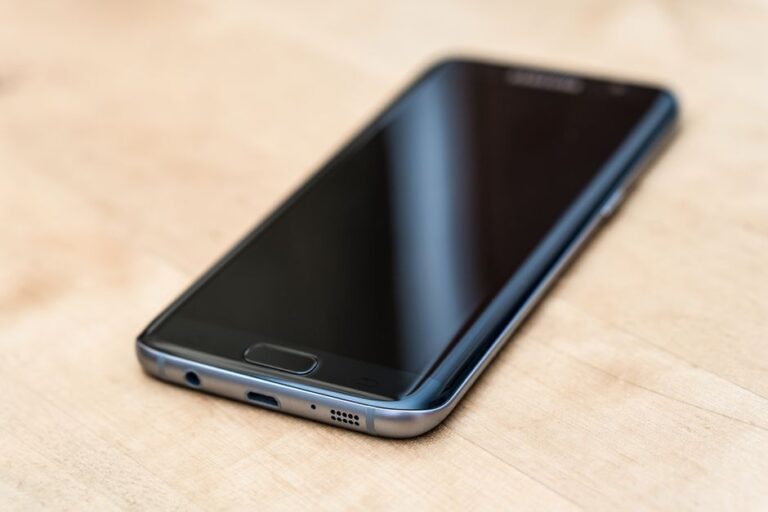

The landscape of smartphone purchasing in India has undergone a significant shift in August 2026, primarily driven by the latest adjustments to import duties. Imagine a scenario where a cutting-edge, fully imported flagship device, perhaps a Google Pixel 9 Pro, which might have retailed for Rs 84,999 just last month, now lands on shelves with a sticker price closer to Rs 98,999. In stark contrast, a premium locally assembled contender like the Samsung Galaxy S26 FE, offering comparable performance and a robust feature set, maintains its competitive Rs 74,999 price point. This Rs 24,000 difference is not merely a matter of brand preference; it’s a direct consequence of the government’s renewed push for domestic manufacturing, making the choice between an imported marvel and an India-made powerhouse more financially impactful than ever before. For the average Indian consumer, especially those in tier-2 cities balancing budget with performance, understanding these changes is paramount to making a truly smart purchase.
Quick Summary: Key Takeaways from the New Import Duty Regime
- **Significant Price Hikes for Fully Imported Phones:** Expect premium devices from brands with limited local assembly to see price increases of 10-15% or more.
- **Boost for ‘Made in India’ Devices:** Brands with strong local manufacturing facilities will benefit, offering better value in mid-range and premium segments.
- **Component-Specific Duties:** The new policy targets finished goods more aggressively, while components for local assembly receive more favourable treatment.
- **Enhanced Local After-Sales Support:** Increased domestic production often translates to better availability of spare parts and more accessible service centres.
- **Strategic Brand Shifts:** Some international brands may accelerate plans for Indian assembly to remain competitive, potentially introducing India-specific models.
The New Duty Landscape: What Changed in August 2026?
The Indian government, in its continued pursuit of the ‘Make in India’ initiative, has implemented a revised structure for smartphone import duties, effective August 2026. This latest policy primarily targets finished smartphone units, imposing a higher tariff bracket compared to previous years. The underlying objective is clear: to incentivise global smartphone manufacturers to establish or expand their assembly and manufacturing operations within India, thereby boosting local employment, fostering technological expertise, and reducing reliance on imports. This move is a strategic escalation from earlier policies, shifting the focus from mere assembly of semi-knocked-down (SKD) kits to encouraging a deeper integration of the supply chain locally, including component manufacturing.
Previously, duties on fully imported phones hovered around 15-20% for certain value categories, with specific exemptions or lower rates for components. The new framework has pushed these tariffs upwards, with some categories now facing duties of up to 25-30% on the assessable value for completely built units (CBUs). This directly translates into higher landed costs for brands that choose to import finished devices rather than assemble them in India. For instance, high-end chipsets, display panels, and camera modules, when imported as part of a finished phone, now incur a significantly higher burden. This creates a clear bifurcation in the market: one segment where local assembly negates much of this duty, and another where premium pricing becomes unavoidable for those relying solely on imports.
- **Finished Smartphone Units:** Duties increased from ~20% to ~25-30% on CBU imports.
- **Key Components (for local assembly):** Duties maintained at lower levels (e.g., 0-5%) or even reduced for specific manufacturing inputs.
- **Impact on Pricing:** Most noticeable in the premium (Rs 50,000+) and ultra-premium (Rs 80,000+) segments.
- **Government Vision:** Reduce import bill, create 100,000+ new jobs in electronics manufacturing by 2028.
Price Shock vs. Value Proposition: The Premium Segment Divide

The most immediate and noticeable impact of the revised import duties is on the premium and ultra-premium smartphone segments. Brands like Apple and Google, historically reliant on importing fully built units for their flagship models into India, are now faced with a significant dilemma. The increased duties directly inflate their retail prices, potentially pushing devices that were already considered aspirational into an even higher, less accessible bracket. For example, a new iPhone 18 Pro or a Google Pixel 9 Pro, which might have landed in India at an exchange rate-adjusted price of Rs 90,000-95,000, could now realistically breach the Rs 1,05,000 to Rs 1,10,000 mark. This creates a substantial premium for consumers who insist on these specific globally-launched models.
This price shock, however, simultaneously strengthens the value proposition of premium devices from brands with robust local assembly operations. Companies like Samsung, Xiaomi, and OnePlus, which have invested heavily in Indian manufacturing facilities, are better positioned to absorb or mitigate the impact of these duties. Their flagship-killer models or locally assembled premium offerings, such as the Samsung Galaxy S26 FE or a top-tier Xiaomi 17 Pro, can now offer a compelling alternative. These devices often boast high-refresh-rate AMOLED displays, powerful processors (like a locally sourced Snapdragon 8 Gen 4 or Dimensity 9400 equivalent), advanced camera systems, and fast charging, all while maintaining a price point significantly below their fully imported counterparts. A consumer seeking a top-tier experience might find a locally assembled device at Rs 70,000-80,000 offers 90% of the features of an imported Rs 1,10,000 phone, making the value proposition undeniable.
- **Imported Flagships:** Higher prices, potentially making them exclusive to a smaller, niche market segment.
- **Locally Assembled Premium:** More aggressive pricing, often offering flagship-level performance and features.
- **Feature Parity:** Many India-assembled phones now closely match imported rivals in display quality, camera optics, and processing power.
- **Brand Loyalty Test:** Consumers might reconsider brand loyalty in favour of better value and local support.
India-First Advantage: Mid-Range & Budget Segments Thrive
While the premium segment grapples with price adjustments, the mid-range (Rs 15,000-30,000) and budget (sub-Rs 15,000) smartphone categories are poised for significant growth and heightened competitiveness. Brands such as Xiaomi, Realme, Oppo, Vivo, and Samsung’s popular A and M series have long established extensive manufacturing and assembly plants across India. This existing infrastructure means they are largely insulated from the new, higher import duties on finished products. Consequently, these brands can continue to offer feature-rich devices at aggressive price points, making them even more attractive to the vast majority of Indian consumers.
The ‘Made in India’ advantage in these segments extends beyond just pricing. These devices are often designed with specific Indian user needs in mind. For instance, dual-SIM functionality with dedicated slots is a standard expectation, crucial for users balancing a primary Jio 5G connection with a secondary Airtel or Vi number, especially in regions where network coverage varies. Large batteries (5,000 mAh and above) are common, addressing concerns about power cuts and extended usage throughout the day. Furthermore, local manufacturing facilitates quicker integration of India-specific 5G bands, ensuring seamless connectivity with the rapidly expanding Jio and Airtel 5G networks, even in tier-2 cities like Nashik or Coimbatore. The localised production also translates into a more robust after-sales service network, with readily available spare parts and service centres accessible in a wider geographical spread, offering peace of mind to buyers.
- **Competitive Pricing:** Mid-range and budget phones remain largely unaffected by duty hikes, offering stable value.
- **India-Specific Features:** Focus on dual-SIM, large batteries, specific 5G band compatibility (n77, n78, n28, n5).
- **Robust Service Network:** Easier access to repairs and genuine spare parts due to local supply chains.
- **Faster Updates & Customisation:** Potential for quicker software updates tailored for Indian networks and user preferences.
Beyond the Price Tag: Practicalities for the Indian User
When purchasing a smartphone in India, especially in the context of new import duties, practical considerations often outweigh raw specifications. For users in regions experiencing heavy monsoons, like Mumbai or Kerala, the device’s ingress protection (IP rating) and its ability to withstand humidity are critical. While an imported flagship might boast an IP68 rating, the availability of authorised local repair centres and genuine waterproof seals post-repair becomes paramount. A locally assembled device with a slightly lower IP67 rating but readily available, affordable, and quick service can offer better long-term reliability in the face of India’s challenging climate conditions.
Power infrastructure in many parts of India, particularly outside metros, can be inconsistent, with frequent voltage fluctuations and occasional power cuts. A phone designed for the Indian market often incorporates enhanced charging protection mechanisms to handle these voltage spikes, safeguarding the battery and internal components. Furthermore, the ubiquitous use of dual-SIM setups means network performance on both slots is vital. A phone optimised for India will ensure strong VoLTE/VoWiFi performance across Jio, Airtel, and Vi, along with comprehensive support for India’s diverse 5G bands (n77, n78, n28, n5). For a college student in Pune using Jio 5G for lectures and an Airtel SIM for family calls, ensuring both work flawlessly, even in crowded campus environments, is a non-negotiable requirement that locally-tuned devices often prioritise over globally-focused imported models.
- **Climate Resilience:** Local service availability for water/dust damage repairs is crucial in monsoon-prone areas.
- **Power Stability:** Devices with enhanced charging protection are more resilient to India’s variable power grids.
- **Network Optimisation:** Superior dual-SIM management, VoLTE/VoWiFi performance, and comprehensive 5G band support.
- **Software Localisation:** Pre-installed apps and features catering to Indian users (e.g., UPI integration, regional language support).
Comparison Table: Imported vs. Locally Assembled (August 2026 Estimates)
| Feature | Google Pixel 9 Pro (Imported) | iPhone 18 Pro (Imported) | Samsung Galaxy S26 FE (Local Assembly) | Xiaomi 17 Pro (Local Assembly) |
|---|---|---|---|---|
| **Estimated India Price (Aug 2026)** | Rs 98,999 | Rs 1,09,999 | Rs 74,999 | Rs 69,999 |
| **Processor** | Tensor G5 (5nm) | A18 Bionic (3nm) | Snapdragon 8 Gen 4 for Galaxy (4nm) | Dimensity 9400+ (4nm) |
| **Display** | 6.7″ LTPO OLED, 120Hz | 6.1″ LTPO Super Retina XDR, 120Hz | 6.6″ Dynamic AMOLED 2X, 120Hz | 6.7″ AMOLED, 144Hz |
| **Main Camera** | 50MP OIS (Wide) + 48MP (Ultrawide) + 48MP (Telephoto) | 48MP OIS (Wide) + 12MP (Ultrawide) + 12MP (Telephoto) | 50MP OIS (Wide) + 12MP (Ultrawide) + 8MP (Telephoto) | 200MP OIS (Wide) + 50MP (Ultrawide) + 12MP (Macro) |
| **Battery / Charging** | 5000 mAh / 30W wired, 23W wireless | ~3500 mAh / 27W wired, 15W MagSafe | 4800 mAh / 45W wired, 15W wireless | 5200 mAh / 120W wired |
| **5G Bands (India Specific)** | Sub-6 GHz (n1, n3, n5, n7, n8, n20, n28, n38, n40, n41, n66, n71, n75, n76, n77, n78) – *check specific model* | Sub-6 GHz (n1, n2, n3, n5, n7, n8, n12, n20, n25, n26, n28, n30, n38, n40, n41, n48, n53, n66, n70, n77, n78, n79) – *check specific model* | Sub-6 GHz (n1, n3, n5, n7, n8, n20, n28, n38, n40, n41, n66, n77, n78) – *optimized for India* | Sub-6 GHz (n1, n3, n5, n8, n28, n40, n41, n77, n78) – *optimized for India* |
| **After-Sales Service** | Limited dedicated service centres, parts might be imported. | Premium service, but parts availability can be slower, expensive. | Extensive service network across India, faster parts availability. | Widespread service centres, strong local parts supply chain. |
| **Retail Availability** | Amazon.in, Flipkart, select premium stores. | Apple Store Online, Croma, Reliance Digital, select premium stores. | Amazon.in, Flipkart, Samsung Stores, Croma, Reliance Digital, Vijay Sales. | Amazon.in, Flipkart, Mi Homes, Croma, Reliance Digital. |
Who This Duty Change Suits / Who Should Look Elsewhere
The new import duty structure fundamentally redefines value in the Indian smartphone market, creating distinct advantages and disadvantages for different buyer profiles.
Who This Suits:
- **Value-Conscious Buyers:** If your budget is firmly set between Rs 15,000 and Rs 80,000, and you prioritise getting the most features for your rupee, locally assembled phones are now unequivocally the better choice. You’ll gain access to top-tier displays, powerful processors, and excellent camera systems without the “import premium.”
- **Users Prioritising After-Sales Support:** For those in tier-2 and tier-3 cities, or anyone who values easy access to service centres, quick repairs, and readily available genuine spare parts, ‘Made in India’ devices offer significant peace of mind. Brands like Samsung, Xiaomi, and Realme have extensive service networks across the country.
- **Practicality-Focused Consumers:** If features like robust dual-SIM management, large batteries to combat power cuts, enhanced charging protection against voltage spikes, and optimal 5G band compatibility for Jio/Airtel are critical, phones designed and assembled in India are often better tuned for these specific local conditions.
- **Mid-Range Upgraders:** If you’re upgrading from an older budget phone and want a significant leap in performance and features without breaking the bank, the mid-range and premium mid-range segments from local manufacturers offer compelling options.
Who Should Look Elsewhere (or be prepared to pay a premium):
- **Early Adopters of Bleeding-Edge Global Tech:** If you absolutely must have the very latest, uncompromised flagship from brands like Google or specific iPhone models, and are willing to pay a substantial premium (Rs 15,000-25,000 more) for it, then the imported segment is still your only option.
- **Brand Loyalists (Specific Imported Brands):** Consumers with unwavering loyalty to brands that primarily import finished units will need to factor in the higher costs. The emotional attachment or specific ecosystem benefits might outweigh the financial implications for some.
- **Niche Feature Seekers (Rare Global Exclusives):** In rare instances, a specific feature or technology might only be available on a fully imported device that has no local equivalent. However, with the rapid advancements in local manufacturing, these instances are becoming increasingly rare.
- **Those Unconcerned by Price:** If budget is not a constraint and the absolute latest global innovation is the primary driver, then the higher import duties will simply be an accepted cost.
Smart Buying Tips in the New Duty Era
Navigating the smartphone market in August 2026 requires a more informed approach, especially with the new import duty dynamics. Here are some practical, India-specific tips to ensure you make a smart purchase:
- **Verify ‘Made in India’ Status:** Always check the product description or the packaging for a ‘Made in India’ or ‘Assembled in India’ label. This directly indicates whether the device benefits from lower duties, translating to better value. Websites like 91mobiles or MySmartPrice often list manufacturing origins.
- **Insist on a GST Invoice:** Regardless of where you buy (Amazon.in, Flipkart, Croma, Reliance Digital, Vijay Sales), ensure you receive a proper GST invoice. This is crucial for warranty claims, especially for high-value purchases, and confirms you’re buying from an authorised channel, avoiding grey market imports that might not offer full warranty support.
- **Check 5G Band Compatibility:** With Jio and Airtel’s 5G rollout accelerating, confirm the phone supports key Indian 5G bands (n77, n78, n28, n5). This is especially important for phones from global brands; sometimes international variants might lack optimal band support for India. Consult manufacturer spec pages or reliable tech sites like GSMArena.
- **Research After-Sales Service Network:** Before committing to a brand, especially for imported models, check the availability and density of their authorised service centres in your city or nearest major town. A phone is only as good as its support network when things go wrong. Websites like Gadgets360 or NDTV Gadgets often provide insights into service experiences.
- **Look for BIS Certification:** The Bureau of Indian Standards (BIS) certification mark indicates that the product meets Indian safety and quality standards. While not directly related to import duties, it’s a crucial sign of a product’s legitimacy and suitability for the Indian market, particularly for local manufacturing.
FAQ: Addressing Common Indian Buyer Queries
Q1: Will ALL imported phones become more expensive due to these new duties?
No, not necessarily all, but a significant majority of fully imported finished smartphones will see price increases. The impact is most pronounced in the premium and ultra-premium segments, where brands have historically relied on importing completely built units. Brands that already have substantial local assembly operations for their mid-range and budget devices will be less affected, as their products already bypass a large portion of these duties.
Q2: How can I tell if a phone is “Made in India” or fully imported?
The easiest way is to check the product packaging for explicit mentions like “Made in India,” “Assembled in India,” or “Manufactured in India.” Online product listings on major retailers like Amazon.in or Flipkart will often specify the manufacturing origin. Additionally, reputable tech publications like 91mobiles or MySmartPrice frequently detail a phone’s manufacturing status in their reviews and specifications.
Q3: Does this affect the warranty for imported phones?
While the duty change itself doesn’t directly alter warranty terms, it indirectly impacts the after-sales experience. With higher duties, brands importing finished units might face increased costs for spare parts, potentially leading to longer repair times or more expensive out-of-warranty repairs if parts need to be specifically imported. Locally assembled phones generally benefit from a more streamlined supply chain for parts and a wider network of service centres.
Q4: What about older, previously imported smartphone models? Will their prices also increase?
The prices of older models that are already in the retail channel (warehouses, stores) prior to the duty change are unlikely to increase retrospectively. However, any fresh stock of these older, fully imported models that arrives in India *after* the new duties are implemented will reflect the higher pricing. This could lead to a situation where older, imported flagships might not see significant price drops, or even become relatively more expensive compared to newer, locally assembled alternatives.
The updated import duty structure in August 2026 marks a pivotal moment for India’s smartphone market, unequivocally favouring local manufacturing and assembly. For the discerning Indian consumer, this translates into a clear choice: either pay a significant premium for the latest, fully imported global flagships or embrace the excellent value, India-centric features, and robust after-sales support offered by locally assembled devices. For the vast majority of buyers prioritising a smart, value-driven purchase, especially outside the metros, a ‘Made in India’ smartphone is now the undisputed champion.
For more on this topic, see our recent gadget reviews.
About the Author