

Published: 2026-01-22 | Updated: 2026-01-22
It’s 2026. Your morning alarm isn’t a jingle, but a personalized news brief from your AI assistant, curated from a blend of local and global sources. Welcome to the hyper-connected reality of young India, where technology isn’t just a tool, but an extension of self.
From hyper-personalized learning modules to AI-powered gig economy matching, the digital landscape for India’s youth has transformed dramatically. Let’s delve into how technology is truly shaping lives, careers, and leisure.
Quick Summary

- AI is now deeply integrated into daily apps, offering hyper-personalization across all aspects of life.
- Augmented Reality (AR) and Virtual Reality (VR) have moved beyond gaming, becoming essential for education and productivity.
- The vernacular content and creator economy continue their explosive growth, powered by AI tools.
- Digital payments, especially UPI 3.0, are seamlessly facilitating micro-transactions and cross-border commerce.
- A growing focus on digital well-being is driving the adoption of tools for managing screen time and mental health.
The 2026 Digital Playground: India’s Youth at the Forefront

Imagine Riya, 22, a design student in Bengaluru, sipping her morning chai. Her translucent smart-display projects her class schedule, overlaid with real-time traffic data for her metro commute. As she preps for a client meeting, a quick AR overlay in her smart glasses shows her client’s recent social media activity and company updates, all pulled and summarized by her AI assistant. Later, she’ll refine a 3D model for her portfolio in a collaborative VR space with peers from Chennai and Berlin.
This isn’t sci-fi; it’s the everyday reality for millions of young Indians in 2026. The ubiquitous smartphone, now often modular or featuring advanced haptic feedback, remains central, but it’s increasingly augmented by smart wearables, AR glasses, and even AI-driven home hubs. The push for affordability, as predicted by Gadgets360 in their 2024 market analysis, has democratized access to these advanced technologies, making high-end features available even in the sub-₹15,000 price segment.
Beyond the Hype: What’s Driving These Shifts?
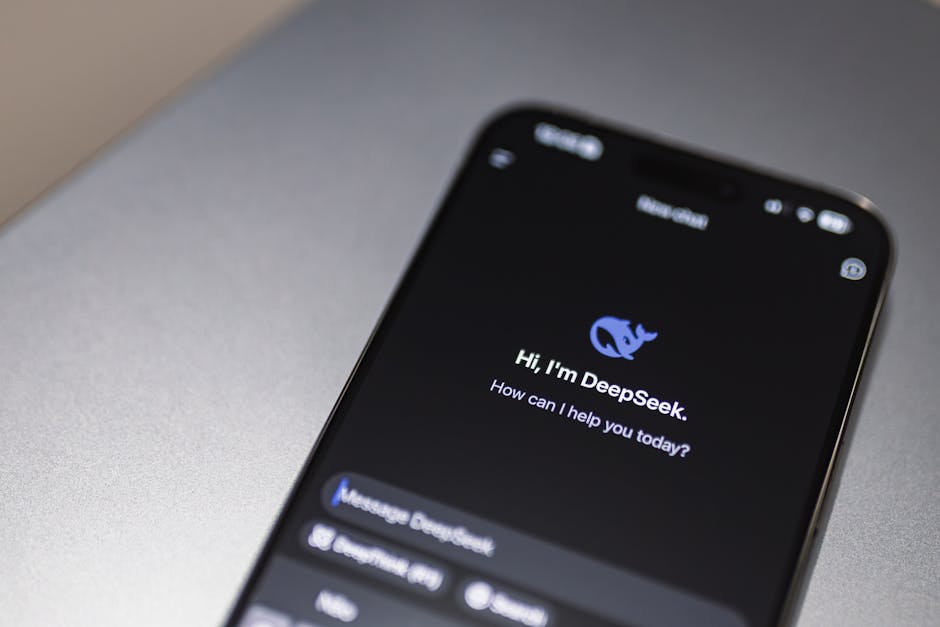
Several forces converge to create this vibrant tech tapestry. Firstly, the rollout of advanced 6G networks has shattered connectivity barriers, enabling instantaneous data transfer crucial for AR/VR experiences and real-time AI processing. Secondly, on-device AI capabilities have exploded, reducing reliance on cloud computing for many everyday tasks, enhancing privacy and speed. Thirdly, the Indian government’s continued emphasis on digital literacy and infrastructure has created a fertile ground for innovation and adoption.
The rise of the gig economy and the creator economy also plays a pivotal role. Young Indians are not just consumers; they are digital entrepreneurs, educators, and artists leveraging these tools to build livelihoods. Analysts at TechCrunch frequently highlight India’s unique ‘frugal innovation’ approach, where cost-effectiveness drives product design, leading to globally competitive solutions tailored for mass adoption.
Tech in Action: Real-World Usage Scenarios
The impact of these technological advancements is visible across every facet of a young Indian’s life:
- Learning & Skilling: AI tutors personalize study paths, identifying strengths and weaknesses. Immersive VR labs provide hands-on experience for medical students or engineers without needing expensive physical setups. Micro-learning platforms, often delivered via short-form video in regional languages, help rapidly upskill for specific job roles.
- Earning & Entrepreneurship: Hyper-local gig work is facilitated by AI algorithms matching skills to demand, often using smart contracts for instant payments. AI-assisted content creation tools allow budding influencers to produce high-quality videos and graphics with minimal effort. Remote work in collaborative metaverse spaces is becoming common for IT professionals.
- Leisure & Socializing: AR-enhanced city exploration apps turn tourist spots into interactive quests. Personalized streaming recommendations, often based on subtle biometric feedback from wearables, ensure endless entertainment. Community gaming, often transcending language barriers through real-time AI translation, fosters global friendships.
- Payments & Finance: UPI 3.0 supports instant cross-border transactions, making international freelancing easier. Biometric payments via smartwatches or even embedded chips are becoming commonplace. AI-driven financial advisors help manage personal budgets, investments, and even micro-lending directly from social apps.
The Upside & Downside of Hyper-Connectivity
While the benefits are undeniable, this rapid digital evolution also brings its own set of challenges.
- Pros:
- Unprecedented access to information, education, and global opportunities.
- New avenues for income generation, creativity, and self-expression.
- Enhanced personal productivity, convenience, and time management.
- Greater social connection and community building across diverse geographies.
- Personalized health and wellness insights for proactive well-being.
- Cons:
- Increased digital fatigue, burnout, and mental health strain.
- Intensified data privacy concerns with pervasive AI and biometric data collection.
- Challenges with deepfakes, misinformation, and digital manipulation.
- Potential for a widening digital divide for those without access or literacy.
- Over-reliance on AI leading to a degradation of certain human skills.
FAQ
What is the biggest tech trend impacting Indian youth in 2026?
The pervasive integration of AI into everyday applications, from personalized education to smart financial management, stands out. This isn’t just about chatbots; it’s about predictive intelligence shaping daily interactions and anticipating user needs.
How has affordable tech influenced adoption rates?
Affordability remains a cornerstone. Brands aggressively targeting the sub-₹15,000 segment for AR glasses and advanced smartphones, combined with initiatives like government-subsidized broadband, have made cutting-edge tech accessible to millions across urban and rural India.
Are Indian youth concerned about data privacy with all this new tech?
Absolutely. While convenience is key, there’s a growing awareness and demand for robust data protection frameworks. Many are actively seeking platforms that prioritize user privacy, often opting for decentralized solutions or apps with transparent data policies.
What role does vernacular content play in 2026?
A colossal one. AI-powered translation and content generation tools have supercharged the creation of high-quality content in regional languages. This ensures that advanced tech is not only accessible but also culturally relevant and intuitive for a diverse user base across India, driving deeper engagement.
Final Thoughts
The year 2026 paints a vivid picture of a hyper-connected India, where its youth are not merely consumers but active participants, innovators, and beneficiaries of a rapidly evolving digital ecosystem. While the opportunities are immense, navigating the complexities of privacy, digital well-being, and equitable access will define the next phase of this technological journey. India’s youth, with their unique blend of tech savviness and resourcefulness, are undoubtedly at the helm, shaping a future that is distinctly their own.
Looking for more? Explore our budget laptops section.
About the Author