The Indian smartphone market, always a crucible of innovation and competitive pricing, recently witnessed a significant shift with the government’s reinforced commitment to the Bureau of Indian Standards (BIS) certification process. Following the Ministry of Electronics and Information Technology (MeitY)’s circular in April 2026, which intensified oversight and penalties for non-compliant electronic goods, including mobile phones, consumers and manufacturers alike are paying closer attention to this crucial hallmark of quality. This policy push, aimed at bolstering consumer safety and fostering a robust domestic manufacturing ecosystem, means that understanding ‘BIS certification phone India meaning’ is no longer just for industry insiders, but a vital piece of information for every smartphone buyer. The move is expected to further streamline the market, ensuring that only devices meeting stringent Indian quality and safety benchmarks reach consumers, potentially impacting availability of certain grey-market imports and solidifying the position of compliant brands.
For the average Indian consumer, this enhanced scrutiny translates directly into greater assurance regarding the safety and reliability of their next smartphone purchase. No longer just a regulatory formality, the BIS mark has become a critical indicator of a device’s adherence to national safety and quality standards. This renewed focus comes at a time when smartphone usage in India is at an all-time high, making the safety of these essential devices paramount. From battery longevity to charger compatibility and electromagnetic radiation, BIS certification acts as a protective shield, guiding buyers towards products that have undergone rigorous testing specifically tailored for Indian conditions. As we delve deeper, it becomes clear that the BIS mark is more than just a sticker; it’s a promise of quality and peace of mind.
At a Glance: BIS Certified vs. Non-BIS Certified Phones
| Feature | BIS Certified Phone | Non-BIS Certified Phone (Grey Market/Unverified Import) |
|---|---|---|
| Safety & Quality | Assured electrical safety, tested components, reduced fire/shock risk as per Indian standards (e.g., IS 13252 (Part 1):2010). | Unverified components, potential electrical hazards, higher risk of battery issues or device malfunction. |
| Warranty & Support | Valid manufacturer warranty, access to official service centres across India. | Warranty often void or difficult to claim; no official service support. |
| Legality & Compliance | Fully compliant with Indian import and sales regulations. | Often enters India via unofficial channels, risking confiscation or import duty issues. |
| Resale Value | Generally maintains better resale value due to verified authenticity and support. | Lower resale value due to lack of official documentation and support. |
| Network Compatibility | Designed and tested for optimal performance on Indian networks (Jio, Airtel, Vi). | May have suboptimal band support or performance issues on Indian networks. |
What is BIS Certification for Phones?
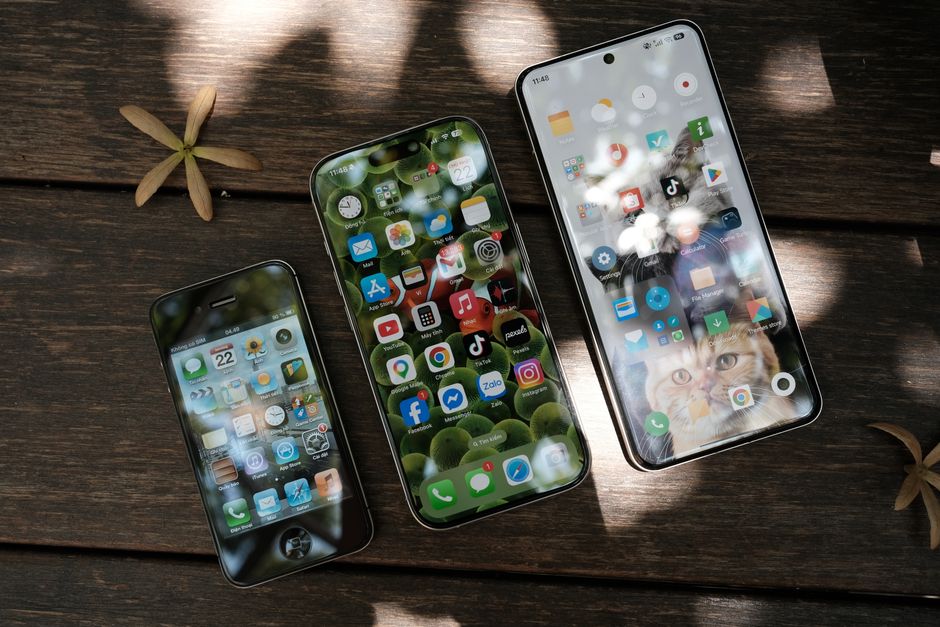
The Bureau of Indian Standards (BIS) is India’s national standards body, operating under the aegis of the Ministry of Consumer Affairs, Food & Public Distribution. For mobile phones and related electronic products, the relevant standard is primarily IS 13252 (Part 1):2010, which covers Information Technology Equipment – Safety – Part 1: General Requirements. This standard, along with specific requirements for batteries (IS 16046) and power adaptors (IS 13252 (Part 1)), mandates that manufacturers ensure their products meet certain safety and quality benchmarks before they can be sold in the Indian market. The process involves submitting product samples to BIS-recognized labs for rigorous testing, covering aspects like electrical safety, fire hazards, mechanical stability, and environmental compliance. Once a product successfully passes these tests, the manufacturer is granted a BIS registration number, allowing them to affix the ISI mark on their product. This mark signifies that the product conforms to the specified Indian standards, providing consumers with an assurance of quality and safety.
Impact on Consumer Safety and Quality Assurance
For the Indian consumer, BIS certification is a direct safeguard against substandard and potentially hazardous electronic devices. With the proliferation of smartphones, instances of exploding batteries, faulty chargers, and electrical shocks from unverified devices have been a genuine concern. BIS standards specifically address these risks. For example, the IS 16046 standard for lithium-ion batteries ensures that they undergo tests for overcharge, external short circuit, impact, and thermal abuse, significantly reducing the risk of overheating or explosion. Similarly, the IS 13252 (Part 1) standard for power adaptors ensures they can handle voltage fluctuations common in Indian grids and provide stable, safe charging. Beyond immediate safety, BIS certification also implicitly guarantees a certain level of component quality and manufacturing consistency, leading to more durable and reliable devices. This is particularly crucial in diverse Indian conditions, from monsoon humidity to occasional power surges in tier-2 cities, where robust build quality is essential for device longevity.
Warranty and After-Sales Support Implications
One of the most practical benefits of purchasing a BIS-certified phone is the assurance of a valid manufacturer’s warranty and accessible after-sales support. Reputable brands like Samsung, Xiaomi, Realme, and OnePlus, which regularly obtain BIS certification for their devices, honour warranties only for products legally imported and sold in India. If a consumer purchases a non-BIS certified phone, often through grey market channels or unverified online sellers, they typically find their warranty void. This means any manufacturing defect, software issue, or hardware malfunction that arises during the device’s lifecycle will not be covered, leaving the consumer to bear the full cost of repairs. Furthermore, official service centres across India, from Croma to Reliance Digital and brand-specific outlets, are often instructed to only service BIS-compliant products. This can lead to significant frustration and financial burden for owners of non-certified devices, making the initial slight price difference often negligible compared to potential repair costs. For instance, a cracked screen repair for a premium phone can easily run into Rs 10,000-15,000, a cost not covered for an uncertified device.
Market Availability, Pricing Trends, and ‘Make in India’
The strengthened BIS enforcement is actively shaping the Indian smartphone market. Legitimate manufacturers and importers now face a more level playing field, as the influx of non-compliant, often cheaper, grey market devices is curtailed. This might lead to a marginal increase in the base price of some entry-level smartphones as brands factor in compliance costs, but this is widely seen as a necessary trade-off for assured quality and safety. According to market analysts at Counterpoint Research, the share of officially imported and BIS-compliant devices has steadily risen to over 95% by early 2026, up from around 88% in 2023. This also aligns perfectly with the government’s ‘Make in India’ initiative. By requiring local testing and certification, BIS encourages manufacturers to set up or expand their production and assembly units within India. This not only creates jobs but also fosters a stronger local supply chain and R&D ecosystem. Brands like Lava and Micromax, alongside global players like Samsung and Apple who are increasingly localizing production, benefit from this framework, demonstrating their commitment to the Indian market and its quality standards. This strategic alignment ensures that phones sold in India are not only safe but also contribute to the nation’s economic growth and technological self-reliance.
Bottom Line
In July 2026, with reinforced policies and heightened awareness, the message is unequivocally clear: always prioritise BIS-certified mobile phones in India. The BIS mark, identified by the distinctive ISI logo and a unique registration number, is your strongest assurance of safety, quality, and regulatory compliance. While a non-certified grey market phone might appear marginally cheaper upfront, the risks associated with potential electrical hazards, lack of official warranty, and non-existent after-sales support far outweigh any initial savings. For consumers navigating the vast smartphone landscape on platforms like Amazon.in, Flipkart, or at retailers like Vijay Sales, looking for the BIS mark should be as fundamental as checking specifications or price. It guarantees that your device has been tested for Indian conditions, will receive official support, and aligns with the nation’s push for quality and domestic manufacturing. Invest in a BIS-certified phone; it’s an investment in your safety, peace of mind, and the longevity of your device.
Frequently Asked Questions (FAQ)
1. How can I check if a smartphone is BIS certified?
You can verify BIS certification in a few ways. Look for the ISI mark with the unique BIS registration number printed on the phone’s packaging, user manual, or directly on the device (often under the battery cover or in the ‘About Phone’ section of the software). Additionally, you can visit the official BIS website (bis.gov.in) and use their ‘Registered Manufacturers’ or ‘Product Search’ tool by entering the brand name or the registration number to confirm its authenticity.
2. Does BIS certification affect a phone’s performance or features?
Directly, BIS certification does not dictate a phone’s processor speed, camera quality, or software features. However, it indirectly ensures that the phone’s core components, especially the battery and charger, meet specific safety and quality benchmarks. This means a BIS-certified phone is less likely to suffer from issues like rapid battery degradation, overheating, or charger malfunctions, which can severely impact overall performance and user experience over time. It guarantees a baseline of component reliability.
3. What are the risks of buying a non-BIS certified phone in India?
The risks are substantial. Firstly, safety is compromised due to unverified components, potentially leading to electrical shocks, battery fires, or device explosions. Secondly, you will likely have no official manufacturer warranty or after-sales support, meaning any repairs will be out-of-pocket. Thirdly, such devices are often imported via unofficial channels, which could lead to legal complications, including confiscation by customs, and they may not be fully optimised for Indian telecom networks (e.g., specific 5G bands for Jio/Airtel). It’s a gamble that almost never pays off in the long run.
For more on this topic, see our recent gadget reviews.
About the Author