
As of June 2026, India’s telecom landscape continues its furious pace of innovation and competition, with 5G penetration now exceeding 70% in urban centers, according to a recent report by Counterpoint Research. This accelerated adoption, driven by affordable 5G smartphones and aggressive tariff strategies, has intensified the battle for subscribers among Reliance Jio, Bharti Airtel, and Vodafone Idea (Vi). While Jio and Airtel have largely dominated the market with their robust 5G standalone (SA) and non-standalone (NSA) networks, Vi has made significant strides in network expansion and financial stability over the past year, re-establishing itself as a formidable third player. Consumers in mid-2026 are benefiting from this renewed competition through enhanced services, more diverse plan options, and increasingly reliable connectivity, making the choice between these three operators more nuanced than ever before.
What changed?
The period between late 2024 and mid-2026 saw several pivotal shifts. Firstly, Vi, buoyed by fresh investments and a strategic focus on specific high-value urban and semi-urban corridors, significantly upgraded its 5G infrastructure. While still trailing Jio and Airtel in pan-India coverage, Vi’s targeted 5G rollout in key cities like Mumbai, Delhi, Bengaluru, and Chennai has notably improved its data speeds and network reliability, as reported by 91mobiles in their Q1 2026 network performance review. Secondly, Jio pushed its 5G SA network deeper into Tier-2 and Tier-3 cities, leveraging its extensive fiber backbone for superior low-latency applications, particularly beneficial for online gaming (e.g., BGMI) and real-time video conferencing. Airtel, meanwhile, continued its aggressive expansion of 5G NSA, focusing on seamless integration with its existing 4G LTE infrastructure to provide broader coverage and a smooth transition experience for users, especially those frequently traveling between urban and rural areas. Lastly, the introduction of more sophisticated AI-driven network optimization tools by all three operators has led to more efficient spectrum usage and improved call drop rates, even in high-density areas during monsoon humidity or festival seasons.
Why it matters
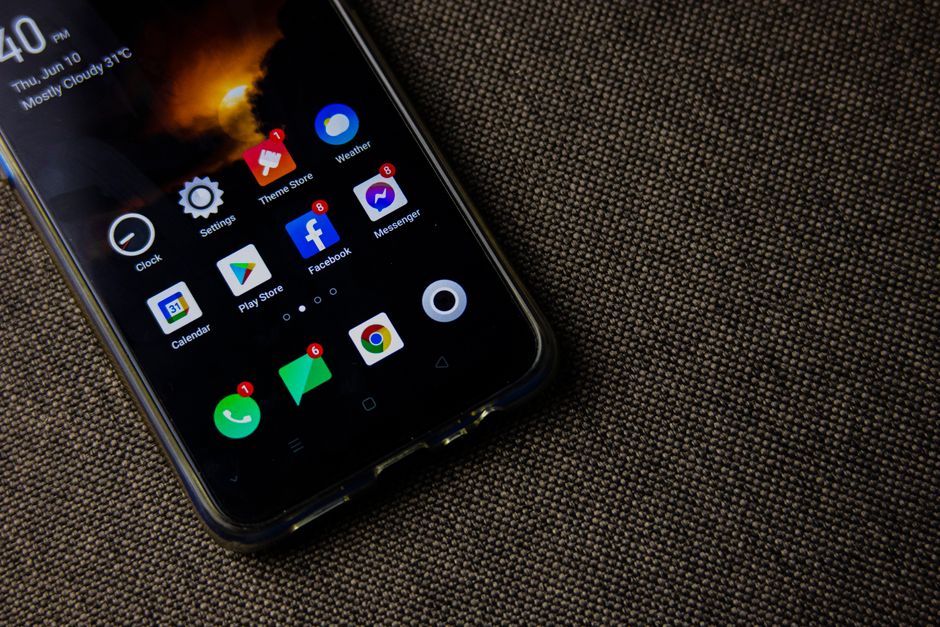
These changes directly impact the everyday Indian smartphone user. The increased competition translates into more competitive pricing for data plans, bundled services, and even international roaming packs. A stronger Vi means consumers are not effectively choosing between just two operators, fostering greater innovation and preventing potential duopolistic pricing strategies. Furthermore, the advancements in 5G technology, particularly Jio’s emphasis on 5G SA, are enabling new use cases beyond just faster downloads, such as enhanced cloud gaming experiences with minimal lag, more reliable smart home ecosystems, and improved connectivity for IoT devices. For businesses, the availability of robust 5G networks from multiple providers facilitates digital transformation, offering reliable connectivity for point-of-sale systems, logistics tracking, and remote workforces, even in areas prone to voltage spikes affecting local broadband infrastructure. The choice of operator now significantly influences not just data speeds, but the overall digital lifestyle and productivity of users.
What to expect next
Looking ahead, the next 12-18 months will likely witness continued intense competition, particularly in the value-added services segment. Expect to see operators further integrate AI into customer support, offering more personalized plan recommendations and predictive maintenance for network issues. The rollout of 5G Advanced (5.5G) will begin to gain traction, promising even higher speeds, lower latency, and enhanced capabilities for industrial IoT and extended reality (XR) applications. We anticipate a greater focus on enterprise solutions, with operators vying for corporate clients through dedicated private 5G networks and tailored connectivity packages. Furthermore, the battle for rural and semi-urban markets will intensify, as operators push for deeper penetration with more affordable 5G devices and localized content offerings. The convergence of telecom, content, and fintech will also accelerate, with operators bundling more financial services, e-commerce benefits, and exclusive content streaming partnerships into their premium plans, as hinted by recent moves from Airtel Payments Bank and Jio Financial Services.
Network Coverage & Reliability (June 2026)
In June 2026, network coverage remains a primary differentiator. Jio, with its extensive 5G SA rollout, boasts the broadest pan-India 5G presence, reaching a significant majority of districts, including many Tier-2 and Tier-3 cities. Its 5G SA network often provides superior indoor penetration and more consistent speeds, especially important for users in apartment complexes or office buildings. Airtel’s 5G NSA network, while not always offering the lowest latency of SA, provides excellent coverage by seamlessly integrating with its robust 4G footprint. This makes Airtel a strong contender for users prioritizing ubiquitous connectivity, even in remote areas or during travel. Vi, having focused its 5G rollout strategically, now offers competitive 5G coverage and reliability in its chosen urban and high-demand corridors. According to a June 2026 report by NDTV Gadgets, Vi’s 5G network in cities like Pune and Ahmedabad now consistently delivers speeds comparable to or even exceeding its competitors in those specific zones. For dual-SIM users, combining a Jio or Airtel SIM for primary data with a Vi SIM for secondary coverage or specific offers has become a popular strategy, especially in regions with fluctuating network performance.
Data Speeds & Performance for Power Users
For power users, including avid gamers playing BGMI, high-resolution video streamers, and remote professionals, data speeds and low latency are paramount. Jio’s 5G SA network consistently delivers the lowest latency, making it ideal for competitive online gaming where every millisecond counts. Benchmarks published by Gadgets360 in May 2026 show Jio recording average 5G download speeds of around 350-400 Mbps and upload speeds of 50-70 Mbps in major metros, with latency often below 20ms. Airtel, leveraging its NSA architecture, provides robust and consistent speeds suitable for 4K streaming and heavy downloads, averaging 300-380 Mbps download speeds. While its latency might be slightly higher than Jio SA, it’s still well within acceptable limits for most power user activities. Vi, in its 5G enabled zones, has shown remarkable improvement. MySmartPrice’s recent speed tests indicate Vi 5G speeds often hover around 280-350 Mbps download, making it a perfectly viable option for demanding tasks within its coverage areas. However, users frequently traveling outside these specific zones might experience a drop to 4G speeds more often than with Jio or Airtel.
Pricing, Plans & Value Proposition
Pricing strategies have become increasingly dynamic. Jio continues to offer highly competitive data packs, often bundling unlimited 5G data with popular OTT subscriptions like JioCinema Premium or Netflix Basic for plans starting from Rs 799 per month. Its focus on family plans and long-term validity packs also provides significant savings. Airtel has responded with its own compelling propositions, including ‘Xstream Play’ bundles offering access to multiple OTT platforms, and ‘Airtel Black’ plans that combine mobile, DTH, and fiber services into a single bill, providing convenience and discounts for consolidated services. Plans typically start around Rs 699 for comparable benefits. Vi, in its resurgence, has adopted a strategy of offering unique benefits, such as ‘Weekend Rollover’ data and ‘Binge All Night’ (unlimited data from 12 AM to 6 AM), catering to specific usage patterns. Its premium plans, often including subscriptions to platforms like Disney+ Hotstar or Amazon Prime, are competitively priced, with comparable plans to Jio and Airtel often starting from Rs 749. The value proposition extends beyond just data, encompassing international roaming packs, cloud storage, and even exclusive deals on smartphones from retailers like Amazon.in and Flipkart.
Customer Service & Support Ecosystem
Customer service and the overall support ecosystem play a crucial role in user satisfaction. Jio’s extensive network of Reliance Digital and Jio Stores, coupled with its highly functional MyJio app, provides multiple avenues for support. The app allows for easy plan management, recharges, and troubleshooting, often with AI-driven chat support. Airtel’s customer service is bolstered by its widespread physical presence of Airtel Stores and partner outlets, alongside a robust ‘Airtel Thanks’ app that offers personalized support and rewards. Many users widely report Airtel’s call center support to be responsive, especially for postpaid queries. Vi has significantly invested in improving its customer experience, recognizing it as a key area for regaining trust. Its ‘Vi App’ has seen substantial upgrades, and the company has focused on training its customer service representatives to handle complex queries more efficiently. While physical store presence might be less ubiquitous than Jio or Airtel, Vi’s digital support channels and targeted retail partnerships (e.g., with Croma or Vijay Sales in key cities) have shown marked improvement in 2026, as noted by Android Central’s India market analysis.
Innovation & Future-Proofing
All three operators are heavily investing in future technologies. Jio is at the forefront of 5G Advanced (5.5G) trials, focusing on network slicing for dedicated enterprise use cases and enhanced mobile broadband for smart cities. Its vertical integration with various Reliance businesses (retail, finance, media) positions it uniquely to offer comprehensive digital ecosystems. Airtel is also actively engaged in 5.5G and even 6G research, emphasizing AI-driven network optimization and sustainable energy solutions for its infrastructure. Its focus on enterprise IoT solutions and cloud services for businesses showcases its forward-looking strategy. Vi, despite its past challenges, is not lagging in innovation. It is actively exploring use cases for 5G in healthcare, education, and entertainment, particularly in partnership with content providers. Vi’s strategic partnerships for AR/VR content delivery and its focus on creating personalized digital experiences through its app indicate a clear vision for future-proofing its services. The commitment to innovation ensures that Indian users will continue to receive cutting-edge mobile experiences well into the future.
FAQ
- Which operator offers the best 5G experience in June 2026?
The “best” 5G experience depends on your location and specific needs. Jio generally offers the lowest latency and broadest 5G SA coverage, ideal for gaming and advanced applications. Airtel provides highly consistent speeds and excellent coverage through its 5G NSA, suitable for widespread use. Vi offers competitive speeds and reliability within its strategically deployed urban 5G zones.
- Is Vi a viable option in 2026, or is it still struggling?
Vi has significantly improved its position in 2026, especially in its target urban and semi-urban markets. With fresh investments and focused network upgrades, it offers competitive 5G services and unique plan benefits. While its pan-India coverage might not match Jio or Airtel, it is a very viable and often compelling option for users within its strong coverage areas.
- How do the operators handle specific Indian usage conditions like dual-SIM or power fluctuations?
All operators are well-versed with dual-SIM usage, offering plans optimized for secondary SIMs or data-only usage. For power fluctuations, their network infrastructure includes robust backup power systems to ensure continuity. However, local disruptions can occur. Their apps and customer service channels are equipped to handle region-specific issues, including network performance during extreme weather conditions or voltage spikes common in some areas.
June 2026 presents Indian smartphone users with an unprecedented level of choice and quality in telecom services. Reliance Jio, Bharti Airtel, and Vodafone Idea each bring distinct strengths to the table. Jio excels with its expansive 5G SA network and low latency, Airtel offers broad and reliable 5G NSA coverage with strong integrated services, while Vi has re-emerged as a strong contender with strategic 5G deployments and innovative plan benefits. The “best” operator ultimately hinges on individual priorities: whether it’s absolute speed for gaming, ubiquitous coverage for travel, specific bundled services, or localized network performance in your specific area. Consumers are encouraged to evaluate local network performance, compare tariff plans meticulously, and consider their unique usage patterns when making their decision.
For more on this topic, see our budget laptops and PCs.
About the Author