
## Your Gadgets, Your News: Navigating Information in India’s 2025 Digital Landscape
Namaste, tech enthusiasts and curious minds! As your friendly gadget reviewer, I’m always fascinated by how technology reshapes our daily lives. And what’s more fundamental than staying informed? In 2025, the landscape of “news” in India is more dynamic, personalized, and sometimes, more bewildering than ever. Gone are the days when a morning newspaper and the evening prime-time bulletin were our sole windows to the world. Today, our gadgets are our newsrooms, our broadcasters, and our personal editors. Let’s dive deep into how India consumes its news in this rapidly evolving digital age.
The digital revolution has been a game-changer, especially in a diverse country like ours. With affordable smartphones and increasingly accessible internet (thank you, 5G!), information is literally at our fingertips. But this accessibility comes with its own set of challenges and exciting opportunities.
## The Smartphone: Still India’s Primary News Portal
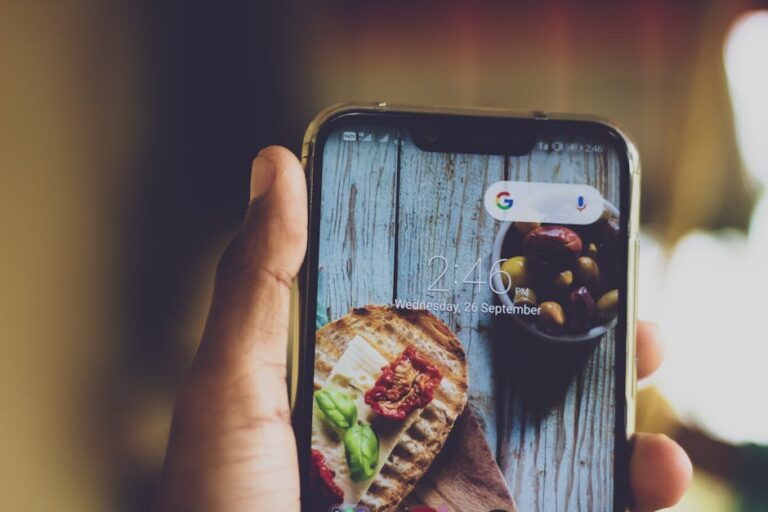
It’s no surprise that in 2025, the smartphone continues its reign as the undisputed king of news consumption in India. From the bustling metros to the smallest villages, these pocket-sized powerhouses are the primary gateways to information. The widespread availability of budget-friendly 5G-enabled devices means faster downloads, seamless video streaming, and real-time updates are the norm, not a luxury. This has particularly boosted the consumption of video news and live streams, turning every major event into an immediate, immersive experience for millions.
Regional news apps have truly found their stride, offering content in local languages, tailored to specific districts or states. This hyperlocal focus ensures that news about your immediate surroundings – from local politics to community events – is just a tap away. It’s a powerful testament to how technology empowers local voices, catering to India’s incredible linguistic diversity.
## Beyond Text: The Rise of Audio-Visual and Vernacular News
While text news still holds its ground, 2025 is unequivocally the era of audio-visual content. Short-form video news, explainer videos, and bite-sized bulletins dominate social media feeds and dedicated news apps. Podcasts are also experiencing a significant surge, offering in-depth analysis and discussions for those on the go. Whether you’re commuting or multitasking, audio news provides a convenient alternative to screen time.
The vernacular content explosion is another defining trend. With over 22 official languages and hundreds of dialects, India’s digital news ecosystem thrives on local content. Platforms like ShareChat and Koo, alongside regional YouTube channels and Instagram creators, have become crucial news sources for many. As reported by **Gadgets360** in a recent analysis of smartphone usage trends, a significant majority of Indian users now prefer consuming news in their native language, highlighting a deeper engagement and understanding when content resonates culturally and linguistically. This shift is not just about translation; it’s about context, nuance, and local relevance.
## Personalized Feeds vs. Echo Chambers: The Dual-Edged Sword
Artificial intelligence (AI) has become integral to how we receive news. Our feeds are increasingly personalized, showing us stories that AI algorithms believe we’ll be most interested in. While this offers incredible convenience, curating news specifically for our tastes, it also presents the risk of creating “echo chambers.” We might inadvertently be exposed only to viewpoints that confirm our existing biases, limiting our perspective.
This challenge has led to a growing demand for reliable, fact-checked journalism. Many are now willing to pay for premium news subscriptions, recognizing the value of credible sources and in-depth analysis over the noise of free, often sensationalized content. The discerning Indian audience is becoming more aware of the need to diversify their news sources to get a balanced view.
## The Creator Economy and Hyperlocal Journalism
The digital age has democratized news creation. Independent journalists, citizen reporters, and content creators are playing a vital role, especially in hyperlocal news. Equipped with just a smartphone, they cover stories that traditional media might overlook, bringing unique perspectives from the ground up. WhatsApp groups and Telegram channels, once merely messaging platforms, have evolved into robust community news hubs, sharing local updates and fostering civic engagement.
Insights from **TechCrunch** on the global creator economy highlight India as a major growth market, with content creators across various niches, including news and current affairs, garnering significant followings. These creators often build trust through authenticity and direct engagement, offering a more raw and immediate form of journalism.
## The Challenge of Trust and Verification in the AI Age
While AI enhances personalization and content delivery, it also introduces a formidable challenge: misinformation and deepfakes. In 2025, distinguishing between genuine and AI-generated content is becoming increasingly difficult. Deepfake videos and audio, often designed to mislead, pose a serious threat to public trust and can have real-world consequences.
This necessitates a greater emphasis on media literacy and critical thinking among news consumers. Tech companies are slowly rolling out tools for content verification and flagging misinformation, but the onus is also on us, the consumers, to question, cross-reference, and verify before accepting news at face value.
## Final Thoughts: Navigating the News Frontier
In 2025, India’s news landscape is a vibrant, bustling marketplace of information, driven by our gadgets. We have unprecedented access to a multitude of voices, languages, and perspectives. The smartphone remains our primary portal, video and vernacular content are booming, and independent creators are making their mark.
**Key Takeaway:** While technology offers incredible tools for staying informed, it also places a greater responsibility on us. As consumers, we must be discerning, actively seeking diverse sources, supporting credible journalism, and sharpening our critical thinking skills to navigate the complexities of digital information. The future of news in India isn’t just about what our gadgets can do; it’s about how wisely we choose to use them to stay truly informed. Stay curious, stay critical, and keep exploring!
Looking for more? Explore our budget laptops section.
About the Author