Last Updated: 2026-04-03
The Hunt for the Perfect Budget Phone: What to Expect in 2026

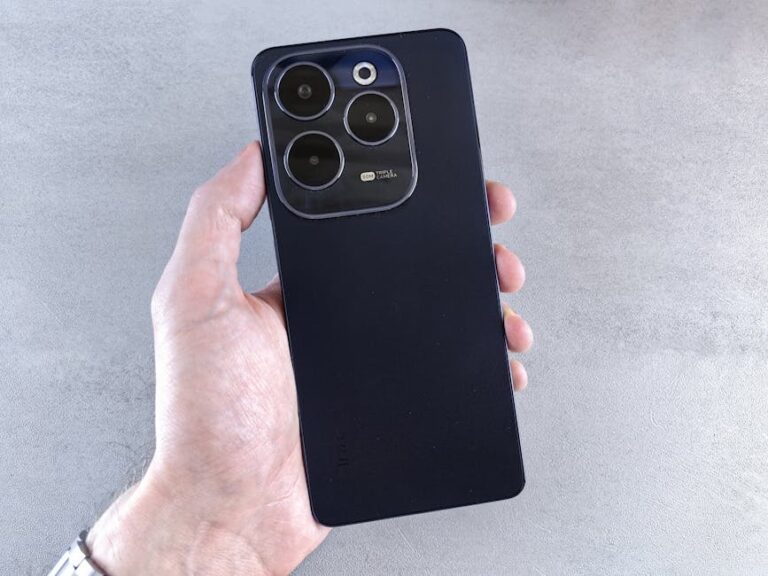
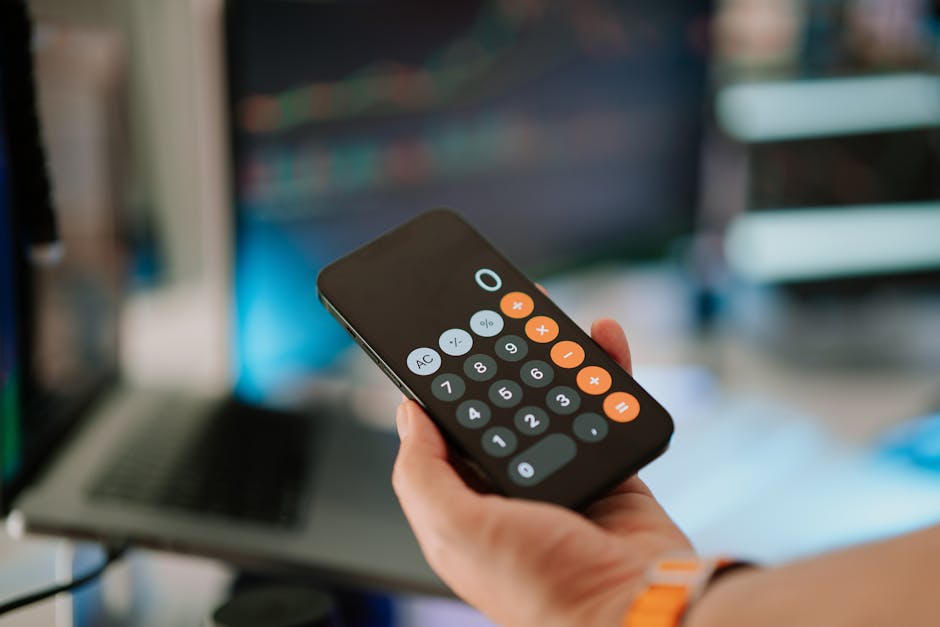
The Indian smartphone market is a vibrant, fiercely competitive arena, and nowhere is this more evident than in the budget segment. For millions of Indians, a smartphone isn’t just a gadget; it’s a gateway to education, commerce, entertainment, and connection. As we step into 2026, the anticipation around every new budget phone launch India sees is palpable. Consumers are no longer content with basic functionality; they demand a blend of performance, features, and affordability that was unimaginable just a few years ago.
At BudgetTech India, we understand this pulse. We know you’re looking for more than just a cheap phone; you’re looking for a smart investment that keeps pace with your digital life without breaking the bank. The year 2026 promises to be particularly exciting, with manufacturers pushing the boundaries of what’s possible in the sub-₹20,000 category. We’re talking about advancements in 5G connectivity becoming standard, AI capabilities trickling down to more affordable devices, and camera technology that truly impresses. This comprehensive guide will arm you with everything you need to know to navigate the upcoming launches and make an informed decision.
Quick Summary: Budget Phone Landscape 2026
- 5G for All: Expect robust 5G support, including a wider array of Indian bands, to be a standard feature across almost all new budget phone launches in India.
- AI on a Budget: AI-powered camera enhancements, battery optimization, and even some on-device smart features will become increasingly common in affordable smartphones.
- Display Dominance: AMOLED displays with high refresh rates (90Hz or 120Hz) are set to become the norm, even in the sub-₹15,000 segment, offering a significantly improved visual experience.
- Power-Packed Performance: Newer, more efficient chipsets from MediaTek and Qualcomm will deliver smoother multitasking and better gaming performance, closing the gap with mid-range devices.
- Software & Sustainability: Manufacturers will focus on longer software update cycles (2-3 years of OS updates) and potentially more eco-friendly designs, driven by consumer demand and regulatory pushes.
2026: The Year of Smart Affordability – Key Trends Shaping Budget Phone Launches
The evolution of budget smartphones has been nothing short of phenomenal. What was considered a premium feature just two years ago is now commonplace in affordable devices. In 2026, this trend accelerates, bringing truly smart and capable devices within reach of a broader audience.
5G Everywhere, Even Cheaper
The rollout of 5G in India has been a game-changer, and in 2026, 5G will be less of a premium feature and more of a baseline expectation, even for the most budget-conscious consumers. We anticipate that virtually every new budget phone launch India sees will come equipped with comprehensive 5G band support, ensuring future-proofing for users across different network providers. This means faster downloads, smoother streaming, and more reliable connectivity for everyone, from metropolitan centers to smaller towns.
AI on a Budget: Smarter, Not Just Faster
Artificial Intelligence is no longer confined to flagship devices. In 2026, expect to see AI capabilities integrated into budget phones in meaningful ways. This isn’t just about voice assistants; it’s about on-device AI enhancing the user experience. Think intelligent battery management that learns your usage patterns to extend battery life, AI-powered camera features like scene recognition and object detection for better photos, and even smarter performance optimization that allocates resources more efficiently. These subtle yet powerful AI integrations will make budget phones feel significantly more intuitive and responsive.
Display Dominance: AMOLED for the Masses
The visual experience is paramount, and budget phones in 2026 are set to redefine expectations for displays. AMOLED screens, once a luxury, are rapidly becoming standard. This means vibrant colors, deeper blacks, and excellent contrast ratios even on affordable devices. Complementing this, high refresh rates (90Hz or even 120Hz) will be a common feature, ensuring buttery-smooth scrolling and a more fluid user interface. This upgrade significantly enhances daily interactions, from browsing social media to watching videos.
Battery Life is Still King, with Faster Charging
In a country where power cuts can still be a reality and on-the-go lifestyles are common, battery life remains a critical factor. Budget phones in 2026 will continue to pack large batteries (typically 5,000 mAh and above), but we’ll also see a significant push for faster charging technologies. Where 18W was once standard, 25W or even 33W fast charging will become more prevalent, allowing users to top up their devices in a fraction of the time. This combination of longevity and quick charging addresses a fundamental need for Indian consumers.
Camera Evolution: Computational Photography at Play
While megapixel counts might not climb endlessly, the quality of budget phone cameras will see a substantial leap thanks to improved sensors and, more importantly, advanced computational photography. Features like enhanced night mode, improved portrait mode, and more stable video recording, all powered by AI and better image processing algorithms, will make their way into the budget segment. This means users can capture decent, shareable photos and videos without needing a premium device, a crucial aspect for social media-savvy users in India.
Software & Security: A More Polished Experience
Manufacturers are realizing that hardware alone isn’t enough. In 2026, budget phones will benefit from a greater focus on software optimization and security updates. Expect newer Android versions out of the box, with promises of at least 2-3 years of major OS updates and extended security patches. User interfaces will become cleaner, with less bloatware, offering a more streamlined and enjoyable experience. This commitment to software longevity adds significant value to an affordable purchase.
Sustainability & Durability: A Growing Focus
While still nascent in the budget segment, there’s a growing industry push towards sustainability. We might see budget phones incorporating more recycled materials in their construction or offering better repairability. Furthermore, basic IP ratings (for splash and dust resistance) are slowly trickling down, adding a layer of durability that was once reserved for pricier models. This is a welcome change for users looking for a device that can withstand the rigors of daily life.
Anticipated Budget Phone Launches in India for 2026: The Contenders
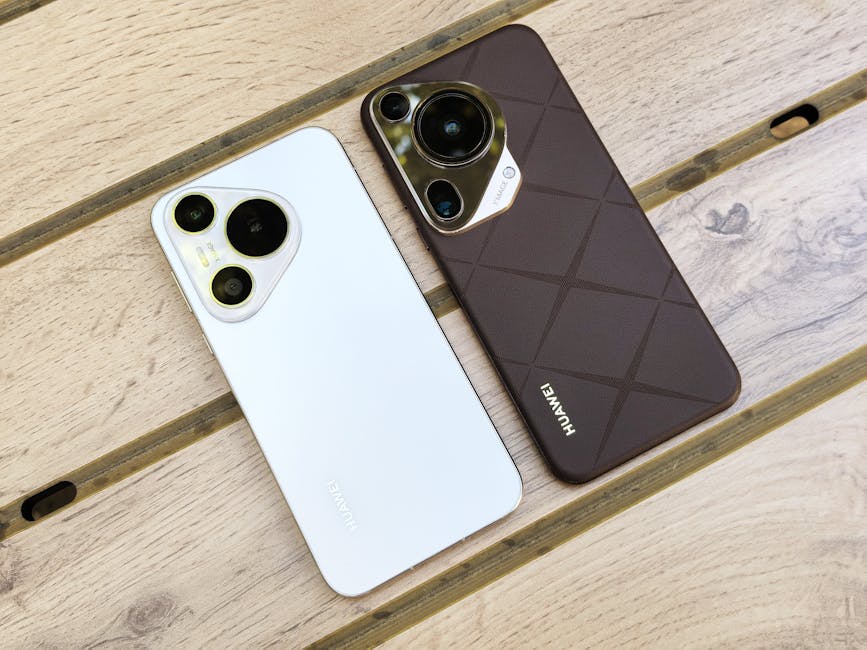
The budget segment is a battlefield, with several brands vying for supremacy. Each new budget phone launch India welcomes contributes to a richer, more diverse market. Here’s a look at the major players and what we can expect from them in 2026:
Xiaomi, Redmi, and POCO: The Value Kings
Xiaomi, along with its sub-brands Redmi and POCO, has historically dominated the budget segment in India. Their strategy revolves around aggressive pricing, feature-rich hardware, and a vast online and offline presence. In 2026, we anticipate the Redmi Note series (e.g., Redmi Note 16 Pro, Redmi Note 16) to continue setting benchmarks for value, offering high refresh rate AMOLED displays, powerful mid-range chipsets, and fast charging. POCO will likely focus on raw performance for gamers and power users at incredibly competitive price points, perhaps with devices like the POCO M7 Pro or POCO X7. Xiaomi’s own “Lite” or “A” series might cater to those seeking a cleaner Android experience with reliable performance. Their extensive community support and frequent sales on platforms like Amazon.in and Flipkart make them perennial favorites.
Samsung: Trust and Display Quality
Samsung has successfully carved out its niche in the budget segment with its Galaxy M and F series, focusing on brand trust, excellent AMOLED displays, and reliable performance. In 2026, we expect Samsung to further strengthen its offerings with devices like the hypothetical Samsung Galaxy M57 or F47. These phones will likely feature their signature Super AMOLED displays, robust battery life, and a clean One UI experience with Samsung’s commitment to software updates. While perhaps not always the absolute cheapest on paper, Samsung’s devices often come with the assurance of quality, service, and a strong retail presence across India, appealing to a wide demographic.
Realme: Aggressive Specs and Youthful Design
Realme continues to be a formidable challenger, known for its aggressive specifications, fast charging, and trendy designs that appeal to a younger audience. For 2026, we can expect Realme to push boundaries with devices like the Realme 14 or Realme 14i, offering high refresh rate screens, competitive processors, and rapid charging speeds that often outpace the competition in their price bracket. Their focus on camera performance and gaming capabilities within the budget segment will likely continue, making them a strong choice for those who prioritize a feature-packed experience without a hefty price tag. Their online flash sales and strong presence on Flipkart are key to their strategy.
Motorola: Clean Android and Reliability
Motorola has steadily regained its footing in the Indian market, primarily by offering a near-stock Android experience, reliable performance, and a focus on essential features. In 2026, Motorola’s G-series (e.g., Moto G77, Moto G87) will likely continue to offer a compelling alternative for users who prefer a clean, bloatware-free UI and timely updates. Their devices often boast good battery life and robust build quality. While they might not always lead on raw specs, the smooth software experience and brand reliability are significant draws for many Indian consumers.
Lava, Micromax & Other Indian Brands: The “Made in India” Push
Indian brands like Lava and Micromax are making a resurgence, focusing on the “Made in India” sentiment and tailoring features specifically for the local market. In 2026, we could see them emphasize after-sales service, local language support, and features that cater to specific regional needs. While still playing catch-up in terms of raw specifications against global giants, their commitment to local manufacturing and understanding of the Indian consumer base could see them gain traction, especially in the sub-₹10,000 segment.
Infinix & Tecno: Feature-Rich for Specific Niches
Infinix and Tecno, while not as dominant as the top three, have carved out a niche by offering feature-rich phones with large displays, massive batteries, and often stylish designs at highly competitive prices. They often appeal to specific segments of the Indian market, particularly those prioritizing screen size and battery life. In 2026, expect them to continue this strategy, possibly pushing boundaries with even larger screens and unique camera setups in their budget offerings.
Navigating the Budget Phone Market: Your 2026 Buying Checklist
With so many exciting options on the horizon for a budget phone launch India has planned, making a choice can feel overwhelming. Here’s a checklist to help you prioritize what matters most:
Processor (SoC): The Brains of the Operation
Don’t just look for “octa-core.” In 2026, focus on the specific chipset series. For smooth daily tasks, social media, and light gaming, look for MediaTek Dimensity 6000 series (or newer) or Qualcomm Snapdragon 4 Gen 2/3 or 6 Gen 1/2. These chipsets offer a good balance of performance and power efficiency, ensuring your phone doesn’t lag when you need it most. If you’re a casual gamer, aim for something in the Snapdragon 6 series or Dimensity 7000 series equivalent.
RAM & Storage: Multitasking & Media
In 2026, 6GB of RAM should be the sweet spot for budget phones to ensure smooth multitasking. Anything less than 4GB might feel restrictive with modern apps. For storage, 128GB should be the minimum, especially if you plan to download many apps, photos, and videos. Always check for expandable storage via a microSD card slot, which is a common and highly valued feature in India, allowing you to future-proof your media library without breaking the bank.
Display: Your Window to the Digital World
As mentioned, AMOLED is becoming standard. Look for a Full HD+ (1080p) AMOLED panel with at least a 90Hz refresh rate. Higher refresh rates (120Hz) offer an even smoother experience. Pay attention to peak brightness (nits) for outdoor visibility, especially under the harsh Indian sun. A punch-hole cutout is generally preferred over a notch for a more immersive viewing experience.
Battery & Charging: Powering Your Day
A 5,000 mAh battery is the baseline for budget phones in 2026, offering comfortable all-day usage for most users. Look for fast charging capabilities – 25W to 33W should be expected, significantly reducing downtime. Some phones might even offer 45W or 67W, which is a major bonus. Check if the fast charger is included in the box, as some brands are starting to omit it.
Camera: Capturing Memories
Don’t get fixated on megapixel numbers alone. A 50MP or 64MP main sensor with a good aperture (e.g., f/1.8) and OIS (Optical Image Stabilization, if available) will generally outperform higher megapixel sensors without these features. Look for computational photography features like enhanced night mode, portrait mode, and HDR. A decent ultrawide lens (8MP or 12MP) is a useful addition. Front cameras around 16MP or 32MP are good for selfies and video calls.
Software Experience: User Interface & Updates
Aim for a phone running the latest Android version (likely Android 16 or 17 in 2026). Check the manufacturer’s commitment to software updates – 2 major OS updates and 3 years of security patches is a good benchmark. A clean, near-stock Android experience (like Motorola’s) often means smoother performance, but many custom UIs (MIUI, One UI, Realme UI) have become highly optimized and feature-rich. Evaluate the level of bloatware and whether it can be uninstalled.
Connectivity: Future-Proofing
Ensure the phone supports a wide array of 5G bands relevant to India (n1, n3, n5, n8, n28, n40, n41, n77, n78 are common). Wi-Fi 6 or Wi-Fi 6E will provide faster and more stable internet connections. Bluetooth 5.2 or 5.3 offers better connectivity with accessories. NFC for contactless payments is a nice-to-have feature that’s becoming more common.
Build Quality & Design: Durability & Aesthetics
While premium materials like glass backs are rare in the budget segment, look for sturdy polycarbonate builds. Some phones might offer basic IP ratings (IP52, IP53) for splash and dust resistance, which adds peace of mind. Consider the ergonomics – how it feels in hand, weight distribution, and button placement. A modern, slim design with minimal bezels is always a plus.
Price: Value for Money
Ultimately, it comes down to what you’re willing to spend. In 2026, a competitive budget phone will likely fall between ₹12,000 and ₹18,000. Focus on the best combination of features that meet your specific needs within your budget, rather than simply picking the cheapest option. Look out for launch offers and bank discounts on platforms like Amazon.in and Flipkart, which can significantly sweeten the deal.
Head-to-Head: A Look at Hypothetical Top Budget Contenders for 2026
To illustrate the kind of innovations we expect from a budget phone launch India will see in 2026, let’s look at three hypothetical models that represent the cutting edge of affordability. Please note, these are illustrative models based on current trends and predictions for 2026.
| Feature | Redmi Note 16 Pro (Hypothetical) | Samsung Galaxy M57 (Hypothetical) | Realme 14i (Hypothetical) |
|---|---|---|---|
| Expected Price (Approx.) | ₹17,999 | ₹18,999 | ₹16,499 |
| Display | 6.7-inch FHD+ AMOLED, 120Hz, 1000 nits peak | 6.6-inch FHD+ Super AMOLED, 90Hz, 900 nits peak | 6.7-inch FHD+ AMOLED, 120Hz, 950 nits peak |
| Processor | MediaTek Dimensity 7300+ 5G | Qualcomm Snapdragon 6 Gen 3 5G | MediaTek Dimensity 7200 5G |
| RAM/Storage | 8GB RAM / 128GB or 256GB UFS 2.2 | 8GB RAM / 128GB or 256GB UFS 2.2 | 6GB/8GB RAM / 128GB or 256GB UFS 2.2 |
| Main Camera | 108MP OIS Main + 8MP Ultrawide + 2MP Macro | 64MP OIS Main + 8MP Ultrawide + 5MP Macro | 50MP OIS Main + 8MP Ultrawide + 2MP Depth |
| Front Camera | 32MP | 16MP | 32MP |
| Battery & Charging | 5100 mAh, 67W Fast Charging | 6000 mAh, 25W Fast Charging | 5000 mAh, 45W Fast Charging |
| Software | Android 16 with MIUI 18 | Android 16 with One UI 8.0 | Android 16 with Realme UI 6.0 |
| Key Highlight | High-res OIS camera, fastest charging, premium design | Massive battery, trusted brand, excellent display | Balanced performance, good camera, fast charging |
| Buying Platforms | Amazon.in, Flipkart, Mi.com | Amazon.in, Flipkart, Samsung.com | Flipkart, Realme.com |
The Upsides and Downsides: Is a Budget Phone Right for You in 2026?
Every purchase involves trade-offs. While budget phones in 2026 offer incredible value, it’s important to understand what you’re gaining and where you might still make compromises.
Pros of Buying a Budget Phone in 2026
- Exceptional Value: You get an incredible amount of features and performance for your money, often mirroring mid-range phones from just a year or two ago.
- 5G Connectivity is Standard: No need to pay a premium for future-proof network access across India.
- Impressive Displays: High refresh rate AMOLED screens are becoming the norm, offering a premium visual experience.
- Long-Lasting Batteries: Most budget phones will easily last a full day or more, with faster charging capabilities to boot.
- “Good Enough” Cameras: Computational photography means budget phones can capture surprisingly good photos for social media and casual use in good lighting.
- Improved Software Support: Manufacturers are offering longer software update commitments, increasing the longevity of your device.
- Accessibility: These phones make technology accessible to a wider demographic, empowering more people with digital tools.
Cons of Buying a Budget Phone in 2026
- Camera Limitations in Low Light: While improving, budget phone cameras still struggle in very low-light conditions compared to flagships.
- Plastic Builds: Most will feature polycarbonate backs, which are durable but lack the premium feel of glass or metal.
- Performance Ceilings: While good for daily tasks, intensive gaming or heavy video editing might push these phones to their limits.
- Slower Updates (Sometimes): While commitments are improving, flagship devices typically receive updates faster.
- Bloatware: Some brands still preload unnecessary apps, though this trend is slowly decreasing.
- No Flagship Features: Don’t expect features like wireless charging, IP68 water resistance, or periscope zoom lenses.
- Less Innovative Design: Designs, while modern, tend to be more iterative than groundbreaking.
Beyond Specs: The Real-World Impact of 2026 Budget Phones on Indian Users
The impact of a new budget phone launch India experiences goes far beyond technical specifications. These devices are crucial enablers in the daily lives of millions. According to reports from Gadgets360, the budget and mid-range segments continue to drive the vast majority of smartphone sales in India, reflecting their pivotal role in digital inclusion.
For students, a budget smartphone with a good display and reliable 5G connectivity means uninterrupted access to online classes and educational resources. Small business owners can manage their operations, process digital payments, and connect with customers through social media, all from a device that fits their budget. The rise of content creation, from short-form videos to vlogs, is increasingly happening on capable budget phones, democratizing digital expression.
The push for wider 5G band support in budget phones, as noted by industry analysts frequently quoted in NDTV Gadgets, ensures that the benefits of high-speed internet reach not just urban centers but also tier-2 and tier-3 cities and rural areas. This connectivity fuels economic growth, enhances communication, and bridges the digital divide. Features like large batteries and fast charging are not just conveniences; they are necessities in environments where consistent power access might be challenging.
In 2026, budget phones will further solidify their role as essential tools for financial inclusion, health monitoring, and civic engagement. The improvements in camera technology, while not flagship-level, are more than adequate for capturing important family moments and sharing them instantly, enriching social bonds. The focus on improved software and security updates means users can rely on their devices for longer, reducing electronic waste and providing better long-term value. These devices truly represent the democratization of technology, making advanced capabilities accessible to the masses and driving India’s digital transformation.
Frequently Asked Questions About Budget Phone Launches in India 2026
What’s the typical price range for budget phones in India in 2026?
In 2026, the sweet spot for a feature-packed budget phone in India is expected to be between ₹12,000 and ₹18,000. You might find some excellent entry-level options starting from ₹8,000 to ₹10,000, and devices pushing the upper limit of ₹20,000 will often blur the lines with mid-range offerings, providing near-premium features. The exact price will depend on the brand, specifications, and any launch offers available on platforms like Amazon.in or Flipkart.
Will budget phones in 2026 support all 5G bands in India?
While it’s difficult to guarantee “all” bands due to the evolving nature of network infrastructure, budget phones launched in India in 2026 are highly likely to support a comprehensive set of 5G bands that are currently active or planned for rollout in the country. Manufacturers are now making a conscious effort to include a wide array of bands (such as n1, n3, n5, n8, n28, n40, n41, n77, n78) to ensure broad compatibility with all major Indian telecom operators (Jio, Airtel, Vi). Always check the specific band support listed for any model before purchase.
Are budget phone cameras good enough for social media in 2026?
Absolutely! In 2026, budget phone cameras will be more than capable for social media, casual photography, and video calls. Thanks to improved sensors, better computational photography, and AI enhancements, you can expect decent detail, good color reproduction, and usable low-light performance (though not on par with flagships). For sharing on Instagram, Facebook, or WhatsApp, and for capturing everyday moments, these cameras will offer a surprisingly good experience. Many will also feature improved portrait modes and stable video recording.
How long can I expect software updates for a budget phone launched in 2026?
The trend for software updates on budget phones is significantly improving. In 2026, you can generally expect budget phones from major brands like Samsung, Xiaomi, and Motorola to receive at least 2 major Android OS updates and 3 years of security patches. Some brands might even extend this to 3 OS updates for specific popular models. While not as long as flagship support (which can be 4-5 years), this commitment ensures your budget device remains secure and up-to-date for a reasonable period, offering better long-term value.
Where are the best places to buy budget phones in India in 2026?
The primary platforms for buying budget phones in India in 2026 will continue to be major e-commerce sites like Amazon.in and Flipkart. These platforms frequently offer exclusive launches, significant discounts, and bank offers. Brand-specific online stores (e.g., Mi.com, Samsung.com, Realme.com) are also excellent sources, often offering early access or unique bundles. For those who prefer a hands-on experience or need immediate assistance, large format retail stores (like Reliance Digital, Croma) and local mobile shops will also stock a wide range of budget options, often with competitive pricing and financing schemes.
Our Verdict
The year 2026 is shaping up to be a truly remarkable period for the Indian budget smartphone market. The lines between what constitutes a “budget” phone and a “mid-range” device are blurring rapidly, with consumers being the ultimate beneficiaries. The advancements in 5G, AI integration, stunning AMOLED displays, and robust battery life mean that compromises are fewer and farther between.
For anyone looking for a new smartphone in India that delivers exceptional value without sacrificing essential features, the upcoming budget phone launch India will witness are incredibly promising. You no longer need to spend a fortune to get a device that’s powerful enough for daily tasks, capable of capturing decent photos, and future-proofed with 5G connectivity.
Our recommendation is clear: don’t shy away from the budget segment in 2026. Instead, embrace it. Focus on what truly matters to you – be it camera quality, battery life, a clean software experience, or raw performance – and you will find a device that exceeds your expectations. The competition is fierce, and that’s fantastic news for your wallet. Keep an eye on the launches from brands like Redmi, Samsung, Realme, and Motorola, as they are consistently pushing the envelope. With a little research, you’re bound to find a budget smartphone that feels anything but budget.
Want more? Browse our latest smartphone reviews section.
About the Author