
The Future of News in India: Navigating AI, Algorithms, and Authenticity in 2025

Remember a time when your morning started with the rustle of a physical newspaper, or your evenings were punctuated by the 9 PM news bulletin? In 2025, for a significant chunk of India, that image feels almost quaint. The way we consume news has undergone a seismic shift, powered by the ubiquitous smartphone and the relentless march of artificial intelligence. For an Indian audience, this transformation isn’t just about convenience; it’s about navigating a complex landscape where information, misinformation, and hyper-personalization clash.
India, with its vibrant democracy, diverse languages, and staggering internet penetration, presents a unique microcosm of this global evolution. From bustling metropolitan hubs to the furthest corners of rural India, news isn’t just a commodity; it’s a vital part of daily life, shaping opinions, driving conversations, and influencing decisions. But what does “news” truly mean in an era where algorithms often dictate what we see, and AI can craft narratives with alarming realism?
AI: The Double-Edged Sword in India’s News Ecosystem

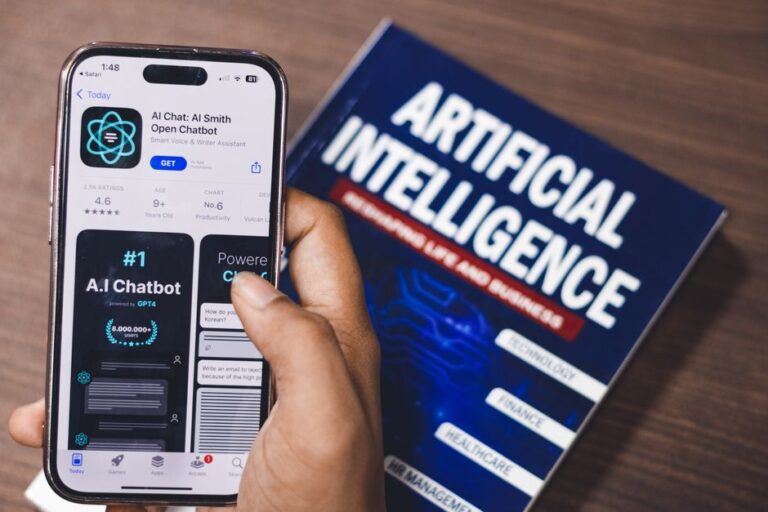
Artificial Intelligence is no longer a futuristic concept; it’s deeply embedded in our news consumption. On one hand, AI powers the hyper-personalization that many Indians now expect. News aggregators and social media feeds, driven by sophisticated algorithms, learn our preferences, delivering content tailored to our interests, language, and even political leanings. This means a user in Chennai might see more local news in Tamil, while someone in Lucknow receives updates relevant to Uttar Pradesh, all delivered instantly to their devices. AI also assists newsrooms in automating tasks like data analysis, generating basic reports (e.g., financial summaries, sports scores), and even translating content, making information more accessible across India’s linguistic diversity.
However, this technological marvel comes with a significant downside: the proliferation of misinformation and deepfakes. The 2024 general elections, for instance, saw an unprecedented surge in AI-generated fake audios and videos designed to mislead voters. As reported by Gadgets360, distinguishing between genuine and AI-fabricated content has become a critical challenge, eroding trust and creating echo chambers. This challenge is particularly acute in India, where WhatsApp forwards and viral social media posts can spread falsehoods faster than fact-checks, impacting public discourse and even social harmony.
The Battle for Authenticity: Fact-Checking and Media Literacy

In response to the deluge of unverified information, the importance of robust fact-checking mechanisms has never been higher. Independent fact-checkers and media organizations are working tirelessly to debunk falsehoods, but it’s an uphill battle. The sheer volume of content, especially in regional languages, makes comprehensive fact-checking a monumental task. This highlights the urgent need for enhanced media literacy among the Indian populace. Understanding how algorithms work, questioning sources, and cross-referencing information are skills crucial for navigating the 2025 news landscape.
Moreover, the rise of independent journalists and citizen reporters, empowered by mobile technology, has added another layer to the news ecosystem. While offering diverse perspectives, it also blurs the lines between professional journalism and unverified content, making critical discernment paramount. As TechCrunch has highlighted, several Indian startups are emerging in the fact-checking space, leveraging AI themselves to identify patterns of misinformation, but their reach still needs to expand significantly to cover the breadth of the Indian internet.
Beyond Personalization: The Search for Serendipity and Diverse Views
While personalized news feeds offer convenience, they also risk creating “filter bubbles” – echo chambers where individuals are primarily exposed to information that reinforces their existing beliefs. This can limit exposure to diverse viewpoints, hindering critical thinking and a holistic understanding of complex issues. In a country as diverse as India, with myriad political, social, and economic perspectives, breaking out of these bubbles is essential for a healthy democracy.
The challenge for news providers in 2025 is to balance personalization with the need to expose audiences to a broader spectrum of ideas, even those they might not actively seek out. This “serendipitous discovery” of news – stumbling upon an important story or a different perspective – is vital for fostering informed citizenry and preventing societal fragmentation along ideological lines.
Final Thoughts: A Call for Conscious Consumption
The future of news in India in 2025 is undeniably digital, AI-influenced, and hyper-connected. While technology offers unprecedented access to information, it also demands greater responsibility from both creators and consumers. For the Indian audience, the key takeaway is this: be an active, not passive, consumer of news. Question, verify, and seek diverse perspectives. Support credible journalism, whether it’s through subscriptions or engagement. As AI continues to evolve, our human ability to think critically and empathize across divides will be our strongest defense against manipulation and our best tool for fostering an informed, connected society.
Looking for more? Explore our smartphone deals section.
About the Author