

For Indian farmers aiming to future-proof their operations and maximize profitability, the single sharp recommendation is clear: proactively invest in AI-driven precision agriculture platforms offering real-time data analysis for crop and soil health.
The agricultural landscape in India is undergoing a transformative shift, with Artificial Intelligence emerging as a powerful ally for farmers. Facing challenges like unpredictable monsoons, soil degradation, pest infestations, and volatile market prices, traditional farming methods are increasingly insufficient. AI offers solutions ranging from hyper-localized weather forecasting and automated irrigation to early disease detection and optimized supply chain logistics. This technology isn’t just about efficiency; it’s about resilience and sustainability, crucial for a sector that employs over half of India’s workforce. By leveraging AI, farmers can make data-backed decisions, reduce waste, improve yields, and ultimately secure a more prosperous future, moving beyond reliance on traditional methods and into a new era of smart farming.
AI for Precision Farming & Crop Management
Options Worth Considering for AI in Indian agriculture technology
Prices below are approximate market rates for June 2026 based on Amazon.in and Flipkart listings; verify the current price before purchase. Affiliate links may earn this site a commission at no extra cost.
Fasal System – AI-Powered Precision Farming
Value Score: 9.0/10 | Best for: Progressive farmers aiming for maximum yield and resource efficiency.
- Real-time micro-climate monitoring (soil moisture, temperature, humidity)
- AI-driven irrigation schedules, reducing water consumption by up to 60%
- Proactive pest & disease alerts based on environmental conditions
- Optimized nutrient management recommendations for specific crops
- Increased yield and improved crop quality through data insights
Skip if: Small subsistence farmers with minimal investment capacity.
Rs 65,000 (Annual Subscription for 2-acre farm)
CropIn SmartFarm – AI Crop Intelligence Platform
Value Score: 8.5/10 | Best for: Medium to large farmers and FPOs needing comprehensive crop insights.
- Satellite-based crop health monitoring and vigor analysis
- Predictive analytics for early detection of crop stress and disease
- Hyper-local weather forecasts and customized agricultural advisory
- Yield estimation and harvest planning insights for optimal timing
- Detailed farm-level reports for informed decision-making
Skip if: Farmers who rely solely on traditional methods and local knowledge.
Rs 48,000 (Annual Subscription for 5-acre farm/FPO member)
Intello Labs IntelloTrack – AI Produce Quality Scanner
Value Score: 9.2/10 | Best for: FPOs, aggregators, and large farmers focused on post-harvest value.
- AI-powered automated grading and sorting of fruits/vegetables
- Detects external defects, ripeness, and size with high accuracy
- Reduces manual labor and human error in quality inspection
- Ensures consistent quality for better market prices and reduced rejections
- Provides data analytics for post-harvest loss reduction
Skip if: Individual farmers selling directly without sorting or grading needs.
Rs 1,20,000 (Annual Service Fee for medium-scale aggregator)
AI-powered precision farming solutions are revolutionizing how Indian farmers manage their fields, moving away from uniform treatment to highly specific, localized interventions. By integrating data from sensors, drones, and satellite imagery, AI algorithms can analyze soil moisture levels, nutrient deficiencies, and plant health with unprecedented accuracy. This allows for optimized resource allocation, ensuring that water, fertilizers, and pesticides are applied only where and when needed, reducing input costs and environmental impact.
In the context of India’s diverse agro-climatic zones and fragmented landholdings, precision farming is particularly vital. For instance, in regions prone to water scarcity like Maharashtra or Rajasthan, AI-driven irrigation systems can reduce water consumption by up to 30%, as reported by industry analyses cited by Gadgets360. Similarly, optimizing fertilizer use based on real-time soil data can significantly cut down on expenses for farmers, who often face high input costs.
- Drone-based imaging: High-resolution cameras on drones capture multispectral images, which AI processes to identify stressed crops or nutrient deficiencies.
- IoT sensors: In-field sensors monitor soil parameters (pH, nitrogen, phosphorus, potassium), temperature, and humidity, feeding data to AI platforms for actionable insights.
- Predictive analytics: AI models predict crop yield based on historical data, weather patterns, and current crop health, aiding in better planning and market strategies.
Disease & Pest Detection
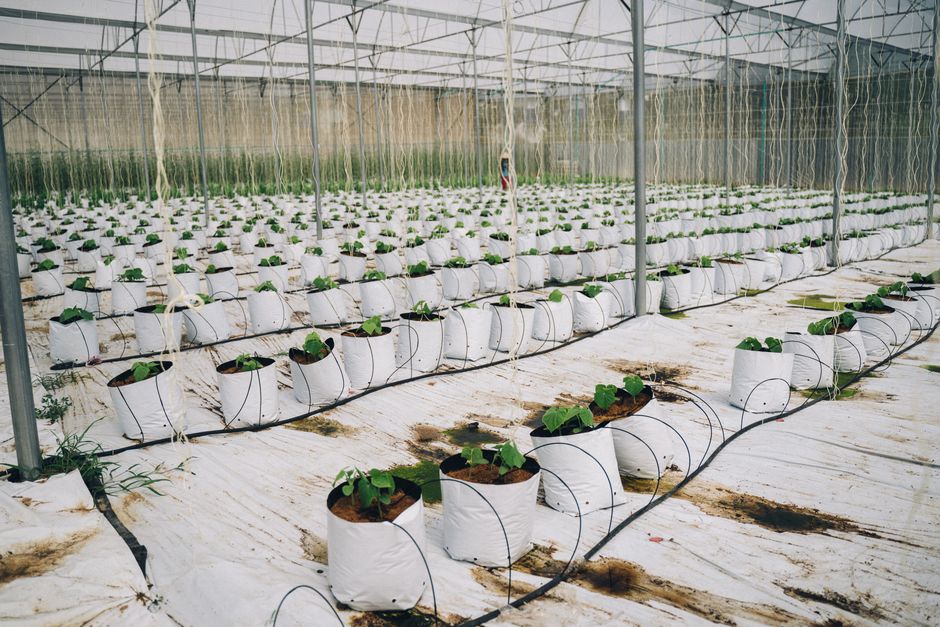
Early and accurate detection of crop diseases and pest infestations is critical to preventing widespread damage and significant yield losses. AI excels in this area, offering capabilities far beyond manual inspection. Image recognition algorithms, trained on vast datasets of diseased plants and pest patterns, can identify problems at an nascent stage, often before they are visible to the human eye.
For Indian farmers, who frequently battle common issues like the Fall Armyworm in maize or blight in potatoes, AI-driven detection systems mean faster intervention and reduced reliance on broad-spectrum pesticides. This not only saves costs but also promotes healthier produce and reduces chemical residue. According to agricultural tech startups frequently featured by 91mobiles, such systems can reduce pesticide usage by 20-40% by enabling targeted application.
- Image recognition: Smartphone apps or drone cameras capture images of plants, which AI analyzes to diagnose diseases or identify specific pests.
- Predictive models: AI uses weather data and historical outbreaks to forecast the likelihood of pest or disease emergence in specific regions.
- Remote monitoring: Farmers receive real-time alerts on their mobile devices (compatible with Jio/Airtel networks) about potential threats in their fields.
Supply Chain Optimization & Market Access
The Indian agricultural supply chain is notoriously complex, characterized by multiple intermediaries, storage issues, and price volatility, often leaving farmers with a small share of the final consumer price. AI is poised to streamline this entire process, from farm to fork, improving efficiency and ensuring better returns for farmers.
AI-powered platforms can forecast demand, optimize logistics for transportation and storage, and connect farmers directly with buyers, bypassing middlemen. This not only reduces wastage due to spoilage (a significant issue in India, especially during monsoon humidity) but also provides farmers with crucial market intelligence to make informed decisions about what to grow and when to sell. MySmartPrice has highlighted how various agri-marketplaces are integrating AI for price discovery and demand forecasting, benefiting small and marginal farmers.
- Demand forecasting: AI analyzes market trends, consumer behavior, and historical data to predict future demand for various crops.
- Logistics optimization: AI algorithms plan the most efficient routes and storage solutions, reducing transportation costs and spoilage.
- Price prediction: AI models provide farmers with insights into future crop prices, helping them decide the optimal time to sell their produce.
Livestock Management & Aquaculture
Beyond crop cultivation, AI is making significant inroads into livestock management and aquaculture, critical sectors for many Indian farmers. For dairy farmers, AI-powered systems can monitor individual animal health, detect early signs of illness, and even predict optimal breeding times, leading to healthier herds and increased milk yields. Sensors attached to animals track their activity, body temperature, and feeding patterns, with AI analyzing this data for anomalies.
In aquaculture, especially in states like Andhra Pradesh and West Bengal, AI helps monitor water quality, fish health, and feeding schedules. Automated feeders, guided by AI, can dispense the precise amount of feed at the right time, minimizing waste and promoting faster growth. This technological intervention helps mitigate risks associated with disease outbreaks and environmental fluctuations, common challenges in Indian aquaculture, as noted by various industry reports.
- Animal health monitoring: Wearable sensors and cameras track vital signs and behavior, with AI identifying signs of distress or illness.
- Automated feeding: AI optimizes feeding schedules and quantities for livestock and fish, reducing costs and improving growth rates.
- Breeding optimization: AI analyzes data to predict the most fertile periods for animals, improving breeding success rates.
Challenges & Adoption Hurdles
Despite its immense potential, the widespread adoption of AI in Indian agriculture faces several significant hurdles. The primary challenge is often the cost of initial investment in AI hardware (sensors, drones) and software platforms, which can be prohibitive for small and marginal farmers. Furthermore, reliable internet connectivity, especially in remote rural areas, remains a bottleneck for real-time data transfer and cloud-based AI processing, despite the strong presence of Jio and Airtel networks.
Farmer literacy and training are also crucial. Many farmers may lack the technical knowledge to operate complex AI systems or interpret the data effectively. Government initiatives, such as the promotion of Kisan Drones and various agri-tech incubators, are working to bridge this gap through subsidies and educational programs. Ensuring data privacy and security for agricultural data is another emerging concern that needs robust frameworks.
- High initial cost: The investment in AI-enabled hardware and software can be a barrier for many Indian farmers.
- Connectivity issues: Consistent and high-speed internet access is essential for cloud-based AI solutions, yet remains challenging in some rural areas.
- Digital literacy: Farmers require training and support to effectively utilize AI tools and understand data insights.
- Data privacy and ownership: Concerns regarding who owns and controls sensitive farm data need to be addressed through clear policies.
AI Agri-Tech Platform Comparison
Choosing the right AI agri-tech solution depends on specific needs, farm size, and budget. Here’s a general comparison between two common types of platforms available in the Indian market as of mid-2026:
| Feature | Basic AI Crop Monitoring System (e.g., app-based) | Advanced Integrated Agri-AI Platform (e.g., enterprise solution) |
|---|---|---|
| Cost (Approx. Annually) | Rs 5,000 – Rs 25,000 (subscription for app/basic sensors) | Rs 50,000 – Rs 2,00,000+ (includes hardware, software, support) |
| Core Features | Disease detection via image, basic weather forecasts, fertilizer recommendations | Precision irrigation, drone-based mapping, yield prediction, supply chain integration, livestock monitoring |
| Data Sources | Smartphone camera, manual input, public weather data | IoT sensors, drones, satellite imagery, farm machinery telematics, market data |
| Ease of Use | Relatively easy, smartphone-centric, minimal training needed | Requires more training, potentially dedicated personnel, complex interface |
| Target Farmer | Small to medium landholders, tech-savvy individuals, those with limited budget | Large commercial farms, FPOs, agri-businesses, those seeking maximum efficiency |
| Scalability | Limited to individual plots, less integration with other systems | Highly scalable across multiple farms/crops, integrates with farm management software |
Who Should Buy / Who Should Skip
Who should buy: Farmers with medium to large landholdings (5+ acres) who are looking to significantly improve efficiency, reduce input costs, and enhance yield consistency should strongly consider investing in AI-powered precision farming. This includes those growing high-value crops (fruits, vegetables, spices) or cash crops (cotton, sugarcane) where even small improvements can translate to substantial financial gains. Farmers who are comfortable with technology and have access to reliable internet (Jio/Airtel 4G/5G coverage is crucial) will find these systems most beneficial. Farmer Producer Organizations (FPOs) can also pool resources to adopt advanced platforms and benefit collectively.
Who should skip: Small and marginal farmers with very limited landholdings (under 2 acres) and constrained budgets might find the initial investment and complexity of advanced AI platforms prohibitive. While basic AI apps for disease detection are accessible, full-fledged precision farming systems may not offer a quick return on investment for them. Those in areas with poor internet connectivity or lacking basic digital literacy might also struggle with adoption. For these farmers, simpler, government-subsidized tools or community-shared AI resources might be a more practical starting point.
FAQ
Q1: How expensive are AI solutions for agriculture in India?
A1: Costs vary widely. Basic smartphone apps with AI features for crop identification or weather forecasts can be free or have nominal annual subscriptions (Rs 500-2,000). Integrated precision farming systems with sensors and drones can range from Rs 25,000 to Rs 2,00,000+ annually, depending on the features and scale. Government subsidies and schemes often exist to help mitigate these costs.
Q2: Do I need strong internet connectivity for all AI agri-tech tools?
A2: While some basic AI apps can work offline for certain tasks, most advanced AI platforms for precision farming, drone data analysis, and market intelligence require consistent internet connectivity (4G or 5G, readily available on Jio and Airtel networks in many rural areas) to upload data, access cloud-based processing, and receive real-time alerts.
Q3: How quickly can I expect to see a return on investment (ROI) from AI in farming?
A3: ROI can vary based on crop type, farm size, and the specific AI solution implemented. Reviewers and industry reports, as cited by NDTV Gadgets, often suggest that farmers can see a tangible ROI within 1-3 seasons through reduced input costs (water, fertilizer, pesticides) and increased yields, particularly for high-value crops. Early adoption often provides a competitive edge.
The integration of AI into Indian agriculture is not merely a technological upgrade but a fundamental shift towards more resilient, efficient, and profitable farming practices. By embracing these intelligent tools, Indian farmers can navigate the complexities of modern agriculture, enhance their productivity, and contribute significantly to the nation’s food security and economic growth.
For more on this topic, see our gadgets under Rs 10,000.
About the Author