
The digital heartbeat of India pulses faster with each passing year, and at its core lies the ubiquitous smartphone. More than just a communication device, it’s an economic engine, an entertainment hub, and a gateway to opportunities for millions. As we gaze into 2025, the Indian smartphone market is poised for another transformative leap, shaped by evolving consumer demands, technological breakthroughs, and the unique dynamics of one of the world’s most vibrant economies. What will these pocket-sized powerhouses look like, and how will they redefine our daily lives?
The Indian Smartphone Juggernaut: A Look Back & Forward
India is already the second-largest smartphone market globally, characterized by its sheer volume and rapid adoption rates. This growth story is far from over. By 2025, we anticipate an even deeper penetration of smartphones, reaching into tier-2 and tier-3 cities and rural areas, driven by affordability and increasing digital literacy. Brands, both global and domestic, will continue to vie for market share, offering a diverse array of devices catering to every segment. The competitive landscape will push innovation, ensuring consumers benefit from advanced features at aggressive price points. This fierce competition, coupled with government initiatives like “Digital India,” will ensure that smartphones remain at the forefront of the nation’s progress.
5G Takes Center Stage: The Connectivity Revolution
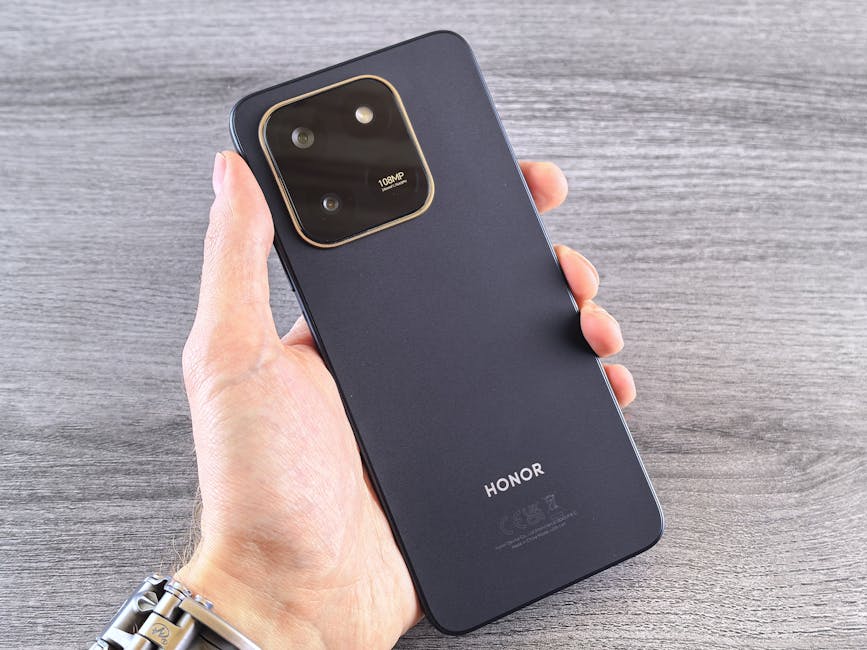
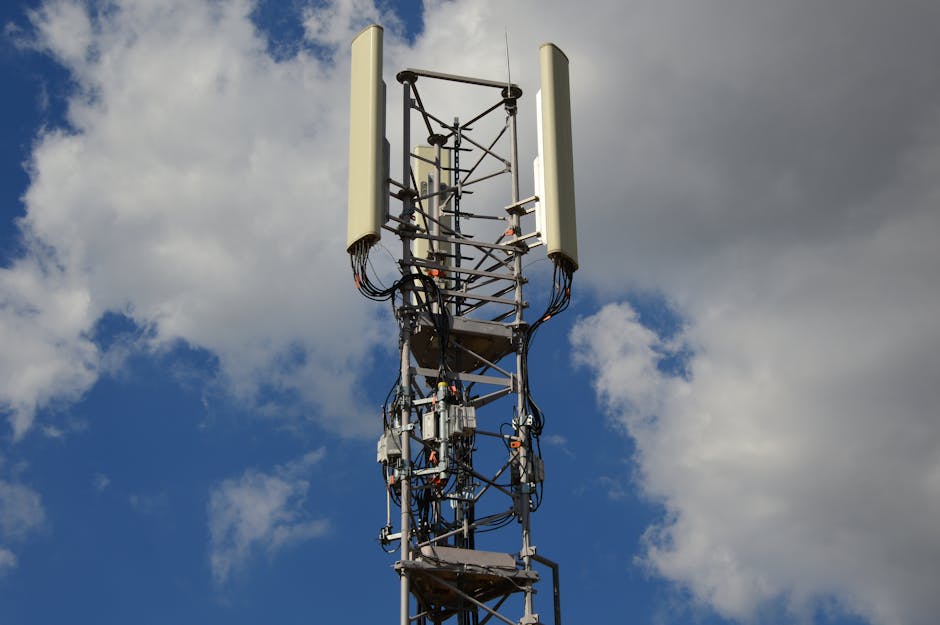
While 5G began its rollout in India in late 2022, 2025 will be the year it truly becomes mainstream. Expect widespread network availability, especially in urban and semi-urban areas, leading to a surge in 5G-enabled smartphone sales. This isn’t just about faster downloads; 5G will unlock new use cases. Cloud gaming will become seamless, AR/VR experiences more immersive, and IoT (Internet of Things) devices will connect more reliably. Affordable 5G smartphones, some potentially under the ₹15,000 mark, will be the key driver, ensuring that this next-gen connectivity isn’t just a luxury but an accessible standard for the average Indian consumer. Brands will heavily market their 5G capabilities, making it a non-negotiable feature for new purchases.
Budget Dominance Continues, but Premium Rises

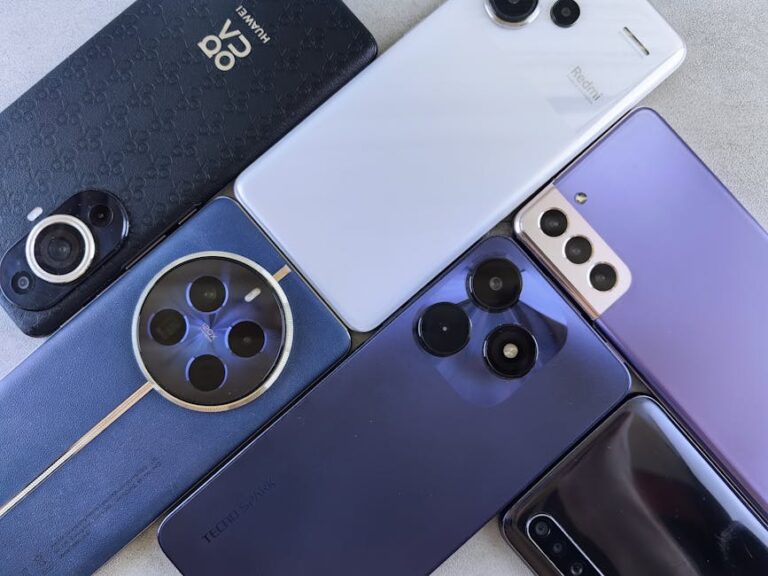
India remains a price-sensitive market, and the budget to mid-range segment (₹10,000 – ₹25,000) will continue to dominate sales volumes in 2025. Brands will continue to pack impressive features into these affordable devices, offering excellent value for money. However, a growing affluent middle class, coupled with easier financing options, will fuel a significant rise in the premium smartphone segment (₹40,000+). Consumers are increasingly willing to pay more for flagship experiences, better cameras, superior build quality, and longer software support. The “affordable premium” category (₹25,000 – ₹40,000) will also flourish, bridging the gap and offering high-end features without breaking the bank. Brands will focus on differentiating their offerings with unique software experiences and ecosystem benefits.
Camera Innovation: More Than Just Megapixels
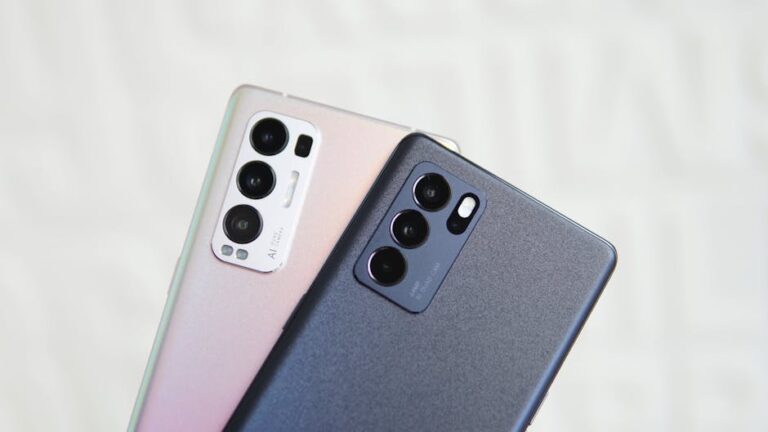
For Indian consumers, a smartphone camera is often a primary decision-making factor. By 2025, the focus will shift beyond mere megapixel counts to advanced computational photography. Expect AI-powered image processing to become standard across segments, delivering stunning photos in challenging conditions. Features like enhanced night modes, advanced portrait modes with precise bokeh, and professional-grade video recording capabilities (including cinematic modes and improved stabilization) will trickle down to mid-range devices. Multi-camera setups will evolve, offering more versatile photography with improved ultra-wide, telephoto, and macro lenses, allowing users to capture every moment with unprecedented detail and artistic flair.
Software & Services: The Ecosystem Battle
Beyond the hardware, the software experience will be crucial. Android’s continued dominance in India will see brands investing heavily in optimized user interfaces (UIs) that offer seamless integration with local services. Expect deeper integration with UPI for payments, government apps, and a plethora of Indian content platforms. The competition will also extend to building robust ecosystems – linking smartphones with smartwatches, TWS earbuds, smart home devices, and even smart TVs. Brands that can offer a cohesive and intuitive connected experience, tailored to the Indian user’s daily needs and preferences, will gain a significant edge.
Sustainability and Local Manufacturing: “Make in India” Push
Environmental consciousness is growing in India, and smartphone brands will respond with more sustainable practices by 2025. This includes using recycled materials in device construction, offering longer software update cycles to extend phone lifespan, and promoting repairability. The “Make in India” initiative will continue to gain momentum, with more brands manufacturing and assembling smartphones locally. This not only creates jobs but also helps in optimizing supply chains, potentially leading to more competitive pricing and quicker availability of new models for the Indian market, further bolstering the nation’s self-reliance in tech.
Emerging Technologies: Foldables, XR, and More
While still niche, the foldable smartphone segment will become slightly more accessible by 2025, with more brands offering diverse form factors at reduced price points. We might also see early glimpses of mainstream extended reality (XR) experiences, potentially through advanced AR capabilities on smartphones or more affordable AR glasses that pair with phones. Battery technology will see incremental improvements, focusing on faster charging speeds and better optimization for power efficiency, rather than revolutionary capacity jumps. These emerging technologies will slowly but surely lay the groundwork for the next decade of smartphone evolution in India.
The Indian smartphone market in 2025 will be a vibrant tapestry of innovation, affordability, and connectivity. From widespread 5G adoption to sophisticated camera tech and deeper software integrations, smartphones will continue to be the primary interface for digital India. Brands will battle fiercely for consumer loyalty, pushing the boundaries of what these devices can do, all while keeping the unique needs and aspirations of the Indian user at the forefront. Get ready for a smarter, more connected future, powered right from your pocket!
About the Author