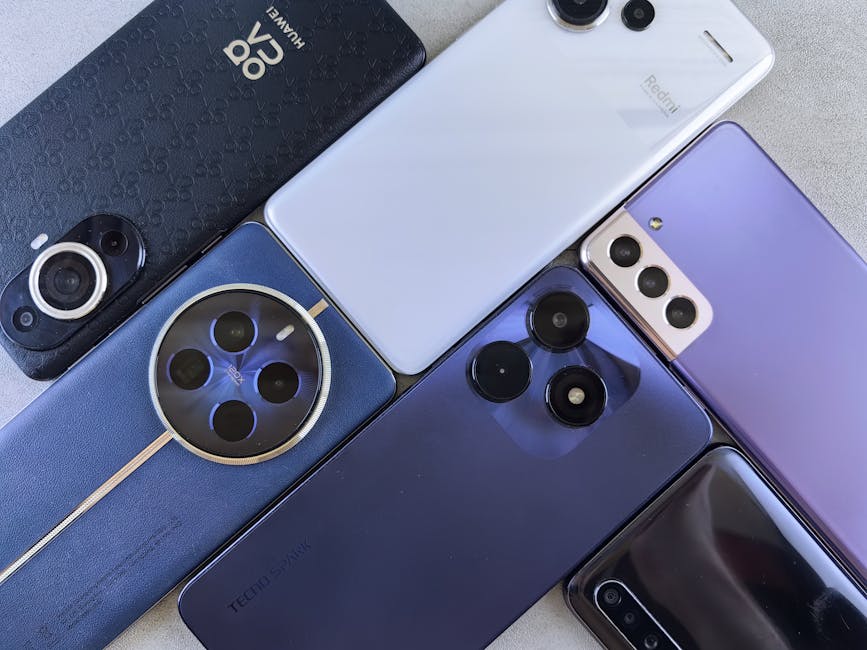
In the fiercely competitive Indian budget smartphone market, Motorola and Redmi continue their perennial battle for supremacy. As of May 2026, both brands present compelling options for consumers seeking maximum value without breaking the bank. Redmi, under the Xiaomi umbrella, traditionally dominates with aggressive specifications, often offering higher megapixel cameras or faster charging at a given price point. Motorola, on the other hand, carves its niche with a near-stock Android experience, often prioritizing design aesthetics and a promise of fewer software distractions. While Redmi’s HyperOS has evolved to be more user-friendly, Motorola’s clean interface still holds a distinct appeal. The choice often boils down to whether a user values raw specifications and a feature-rich, albeit sometimes more cluttered, software experience, or a streamlined, bloatware-free approach with reliable hardware and timely updates. Both have tightened their game, making the decision harder than ever for the discerning Indian buyer.
What changed?
The budget smartphone landscape in India has seen significant shifts since early 2024. Redmi, which long held a dominant position through sheer spec-sheet power, has faced renewed pressure from Motorola’s consistent focus on user experience and design. While Redmi continues to push the boundaries with 120Hz AMOLED displays and 67W fast charging even in the sub-Rs 15,000 segment, Motorola has countered by offering superior build materials, IP ratings on more of its budget devices, and a commitment to fewer pre-installed apps. The introduction of HyperOS by Xiaomi, replacing MIUI, aimed to address criticisms regarding software bloat and performance, but its integration across all budget Redmi devices has been gradual and met with mixed reception, as reported by 91mobiles. Concurrently, MediaTek’s Dimensity series processors have become ubiquitous across both brands, offering competitive performance against Qualcomm’s Snapdragon 4 Gen and 6 Gen series, blurring the lines on raw processing power in this segment. Furthermore, the Indian government’s push for 5G penetration has meant that virtually all new budget smartphones from both brands now offer robust 5G connectivity, even below Rs 12,000, a significant shift from just a couple of years ago.
Why it matters
These changes are critical for the Indian consumer. The intensified competition means better value for money, with features once exclusive to mid-range phones now trickling down to the budget segment. For instance, the widespread availability of 5G across budget models ensures future-proofing for users on Jio and Airtel networks, crucial for staying connected in tier-2 and tier-3 cities where reliable internet access is paramount. Motorola’s emphasis on a clean Android experience translates to smoother long-term performance and potentially fewer security vulnerabilities, a significant draw for users who keep their phones for two to three years. Redmi’s aggressive spec strategy means consumers can get features like high-refresh-rate AMOLED screens and faster charging, which directly impact daily usability and convenience. The battle for software optimization, especially with HyperOS’s evolution and Motorola’s near-stock Android, directly influences user satisfaction, app compatibility, and device longevity. Ultimately, this dynamic competition empowers Indian buyers with more nuanced choices, forcing them to consider not just raw power but also software philosophy, build quality, and long-term support.
Performance & Gaming
When it comes to raw performance, Redmi often takes a slight edge by packing the latest MediaTek Dimensity or a higher-tier Snapdragon 4 Gen/6 Gen processor for its price point. For instance, a Redmi Note series phone priced at Rs 14,999 might feature a Dimensity 6300, while a comparably priced Motorola G series device could opt for a Snapdragon 4 Gen 2. Reviewers widely report that Redmi devices, with their optimized HyperOS, tend to handle popular Indian games like BGMI and Call of Duty Mobile at medium settings with respectable frame rates. However, Motorola’s clean Android interface often allows its slightly less powerful chipsets to feel equally fluid in daily tasks and navigation, as noted by Android Central reviews. Multitasking with numerous apps on Jio or Airtel 5G networks shows both brands performing competently, though Redmi’s higher RAM variants (e.g., 8GB or 12GB) sometimes offer a marginal advantage in keeping more apps in memory. Neither brand is designed for sustained heavy gaming sessions, especially during the Indian summer heat, where thermal throttling can become noticeable after 30-40 minutes of intense gameplay. For casual gaming and social media, both provide a satisfactory experience.
Camera Capabilities
Camera performance is a highly contested area. Redmi often boasts higher megapixel counts, frequently featuring 50MP or even 108MP main sensors in its budget offerings, alongside ultrawide and macro lenses. While these large numbers grab attention, independent reviews from Gadgets360 often highlight that Motorola’s 50MP sensors, paired with its strong computational photography, can produce more natural-looking images with better dynamic range, especially in challenging lighting conditions. Redmi’s cameras tend to boost saturation and sharpness, which some users prefer for social media, but can sometimes lead to over-processed images. Selfie cameras are generally competent on both, typically 8MP or 16MP, offering decent clarity for video calls and casual shots. Low-light photography remains a challenge for both brands in the budget segment, with noise reduction often leading to a loss of detail. However, Redmi’s Night Mode, often more aggressively tuned, can sometimes pull out more light, albeit with a trade-off in realism. For video recording, both typically offer 1080p at 30fps, with Electronic Image Stabilization (EIS) providing some stability, though optical image stabilization (OIS) is rarely seen at these price points.
Software Experience & Updates
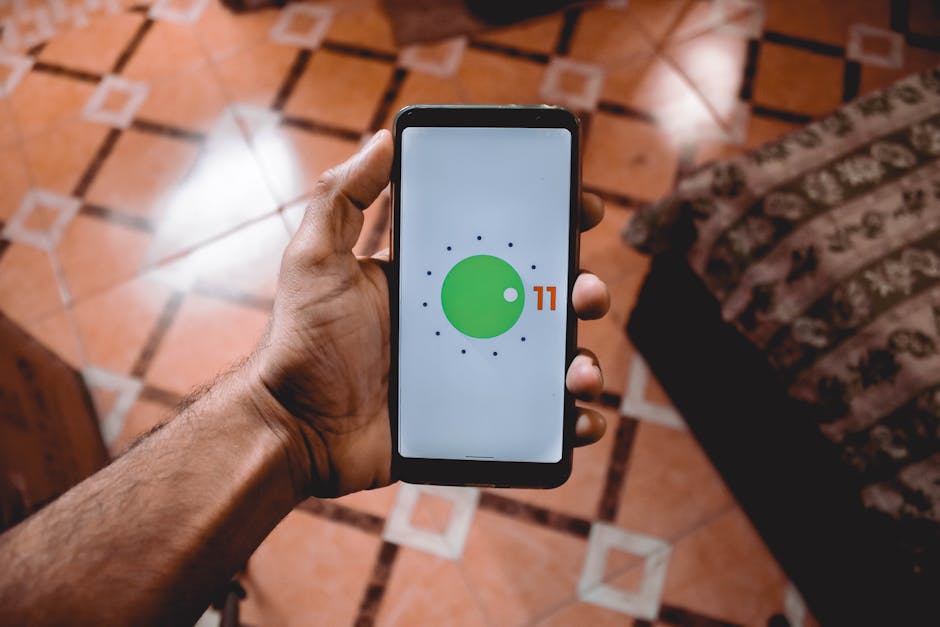
This is arguably the most significant differentiator. Motorola adheres to a near-stock Android experience, often with subtle, useful additions like ‘Moto Gestures’ (e.g., chop-chop for flashlight). This results in a bloatware-free interface that feels incredibly fluid and responsive, with a predictable update schedule, typically promising two major Android updates and three years of security patches for its G series, according to MySmartPrice. Redmi, on the other hand, runs HyperOS, which is a significant evolution from MIUI but still comes with its own set of pre-installed apps, some of which can be uninstalled. HyperOS offers extensive customization options, theme support, and a richer feature set, which many users appreciate. However, the update cycle for budget Redmi phones can sometimes be less consistent than for their flagship counterparts, and the sheer number of features can occasionally lead to a steeper learning curve or perceived clutter. For users prioritizing simplicity, long-term performance stability, and a Google-centric experience, Motorola holds a clear advantage. For those who enjoy tweaking their phone’s interface and appreciate a wider array of built-in tools, HyperOS on Redmi offers more.
Design, Display & Build Quality
Motorola has consistently impressed with its design language, often incorporating premium-feeling materials like vegan leather backs or matte finishes, even in the budget segment. Many of its G-series phones now come with an IP52 or IP54 rating for dust and splash resistance, a crucial feature in India’s monsoon season and dusty environments, as highlighted by NDTV Gadgets. Displays are typically LCDs or AMOLEDs, with refresh rates ranging from 90Hz to 120Hz. Motorola’s AMOLED panels often offer good color accuracy and sufficient brightness for outdoor use under the harsh Indian sun. Redmi, while also offering vibrant AMOLED displays with high refresh rates in most of its budget Note series, sometimes uses more conventional plastic builds. However, Redmi’s displays often achieve higher peak brightness levels, which can be advantageous in bright conditions. Both brands offer robust Gorilla Glass protection on their display panels, enhancing durability against everyday scratches and minor drops. The overall in-hand feel often leans slightly towards Motorola for its more refined aesthetics and tactile feedback, while Redmi focuses on providing large, immersive screens.
Battery Life & Charging
Both Motorola and Redmi understand the importance of battery life for Indian users, who often rely on their phones for extended periods, especially in areas with unstable power supply or during long commutes. Most budget phones from both brands feature large 5000mAh batteries, providing a full day of heavy usage, including BGMI sessions, extensive social media, and video streaming on Jio/Airtel networks. Where they differ significantly is charging speed. Redmi consistently offers faster charging solutions, with 33W or even 67W fast charging becoming standard in its budget line-up, often including the appropriate charger in the box. This allows for a full charge in under an hour for 67W, or around 75-90 minutes for 33W, a significant convenience. Motorola, while improving, typically offers 15W or 20W charging, with some models going up to 30W, which means longer charging times (around 1.5 to 2 hours for a full charge). For users who frequently need to top up their devices quickly, especially given potential voltage spikes and power cuts in some regions, Redmi’s faster charging capabilities present a clear advantage.
FAQ
Q1: Which brand offers better long-term software support in the budget segment?
Motorola generally offers a more consistent and timely software update policy for its budget G-series phones, typically promising two major Android updates and three years of security patches. While Redmi’s HyperOS is feature-rich, its update rollout for budget models can sometimes be less predictable.
Q2: Is a Redmi phone or a Motorola phone better for gaming like BGMI?
For raw gaming performance and potentially higher frame rates, Redmi often edges out Motorola by integrating slightly more powerful chipsets and optimizing HyperOS for gaming. However, both brands perform adequately for casual gaming, though neither is ideal for extended heavy gaming sessions without noticeable thermal throttling.
Q3: Which brand provides better value for money in terms of display and charging?
Redmi typically offers better value for money in terms of display technology (often higher peak brightness AMOLEDs) and significantly faster charging speeds (33W or 67W often with an in-box charger). Motorola focuses more on a balanced package, often prioritizing clean software and design over extreme charging speeds.
In May 2026, the budget smartphone arena in India remains a vibrant battleground between Motorola and Redmi. Redmi continues its legacy of packing aggressive specifications, particularly in display technology, raw processing power, and rapid charging, making it a strong contender for users who prioritize numbers on a spec sheet. Its HyperOS offers a feature-rich, customizable experience, albeit with a learning curve. Motorola, conversely, solidifies its position as the choice for those who value a clean, near-stock Android experience, refined design, and reliable build quality, often with better water resistance. The decision ultimately rests on individual priorities: if blistering charging, vibrant displays, and maximum features are paramount, Redmi often delivers. If a smooth, uncluttered software experience, elegant design, and robust durability are higher on the list, Motorola presents a compelling alternative. Both brands have elevated the budget segment, ensuring that Indian consumers have access to truly capable smartphones without needing to spend a fortune.
For more on this topic, see our tech buying guides.
About the Author