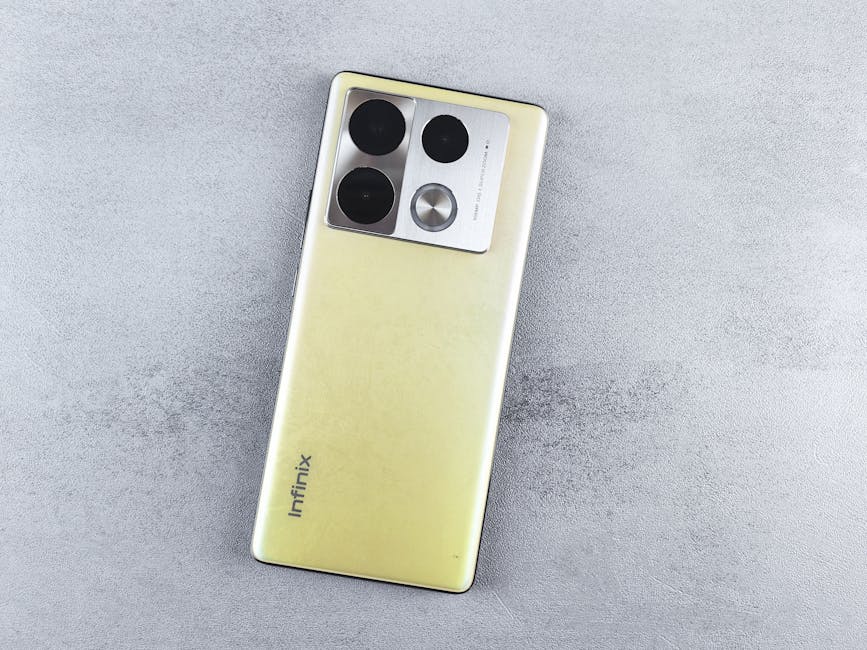
Buying a refurbished phone in India can be an excellent decision for budget-conscious consumers, students, or anyone looking for a secondary device without breaking the bank. This guide is specifically for those who prioritize value, are willing to accept minor cosmetic imperfections, and understand the importance of careful vetting to secure a reliable gadget. It is NOT for individuals who demand a brand-new, pristine device with the absolute latest features, an untouched warranty from the original manufacturer, or zero tolerance for any signs of prior use. If you’re seeking a flagship experience at a mid-range price point or a capable smartphone for everyday tasks like online learning, banking, or casual gaming on networks like Jio and Airtel, then diving into the refurbished market safely could save you thousands of rupees while still providing a robust user experience. We will navigate the essential steps to ensure your refurbished purchase is a smart one.
Understanding Refurbished Grades and What They Mean
When exploring the refurbished phone market, you’ll encounter devices categorized by ‘grades’ or ‘conditions’. These classifications are crucial, directly correlating with the phone’s cosmetic state and price. Reputable platforms like Cashify and Amazon Renewed use these systems to set clear expectations. A higher grade means fewer visible flaws and a higher price, while lower grades indicate more noticeable wear but significant savings.
For instance, an “Excellent” or “Grade A” device might appear almost new, with minimal scratches. These phones often undergo stringent quality checks and component replacements, if necessary. A “Good” or “Grade B” phone shows moderate signs of use, like light scratches or minor scuffs, but remains fully functional. “Fair” or “Grade C” devices will have more prominent cosmetic damage, including deeper scratches or dents, yet are perfectly operational. Understanding these distinctions helps align your budget with aesthetic tolerance.
- Grade A (Excellent): Near-mint condition, minimal to no visible scratches or dents.
- Grade B (Good): Light scratches on screen/body, minor scuffs, fully functional.
- Grade C (Fair): Noticeable scratches, dents, or signs of wear, but perfectly operational.
- Open Box: Often unused returns, packaging might be opened, device is new.
Where to Buy Refurbished Phones Safely in India

The landscape for refurbished phones in India has matured, offering several reliable platforms. Opting for established online retailers or certified refurbishers is generally safer due to their standardized testing, warranty provisions, and return policies. These platforms offer a degree of accountability that individual sellers might lack.
Leading online marketplaces like Amazon.in Renewed and Flipkart Refurbished are strong contenders. Amazon Renewed guarantees products are professionally inspected and tested to work and look like new, backed by a minimum 6-month seller warranty, as reported by Gadgets360. Flipkart also has its own refurbished section, ensuring devices pass a 47-point quality check. Dedicated refurbished platforms like Cashify and Yaantra are also popular choices. Cashify is known for its extensive network, transparent grading, and 6-month warranty on most devices, as noted by 91mobiles. While local shops in tier-2 cities can offer competitive prices, verify their reputation and insist on a proper invoice and warranty card.
- Amazon.in Renewed: Reliable platform with seller warranty (min. 6 months) and return policy.
- Flipkart Refurbished: Devices undergo 47-point quality checks, offers varying warranties.
- Cashify: Specializes in refurbished devices, known for transparent grading and 6-month warranty.
- Yaantra: Another dedicated player offering refurbished phones with warranty.
- Brand-Certified Refurbished: Some brands (e.g., Apple via official resellers) offer their own certified refurbished units.
Essential Checks Before Finalizing Your Purchase
Even from a reputable seller, thorough personal inspection and verification are paramount. This diligence helps prevent common issues associated with second-hand devices. Don’t hesitate to ask for detailed photos or videos, especially if buying online without physical inspection.
Key areas to scrutinize include battery health, screen condition, and all ports. Battery degradation is common; for iPhones, check “Battery Health” percentage. For Android, third-party apps can estimate. Scrutinize the screen for dead pixels, discoloration, or unresponsive touch areas. Test all buttons, the charging port (check for loose connections, crucial given India’s variable power supply), headphone jack, and speaker output. Ensure cameras (front and rear) function, including flash and autofocus. Crucially, verify the IMEI number on the device matches the box and any documentation to ensure it’s not stolen, a tip often highlighted by NDTV Gadgets for safe buying practices.
- Battery Health: Aim for 80% or above for iPhones; Android users should check diagnostics.
- Screen Condition: Look for scratches, cracks, dead pixels, and test touch responsiveness.
- Ports and Buttons: Test charging port, headphone jack, volume, power buttons.
- Camera and Speakers: Verify both cameras, flash, autofocus, and speaker clarity.
- IMEI Verification: Cross-check IMEI with *#06# and the box to confirm authenticity.
- Network Connectivity: Insert your Jio or Airtel SIM to test calls, data, and Wi-Fi performance.
Warranty, Return Policies, and After-Sales Support
One significant advantage of buying from certified refurbished sellers is the provision of a warranty and a clear return policy. These safeguards are your primary defense against unforeseen issues that might arise after purchase, especially with electronics exposed to varying conditions like monsoon humidity or summer heat.
Most reputable refurbished platforms offer a warranty ranging from 3 to 12 months. For example, Cashify typically provides a 6-month warranty on most refurbished smartphones, covering manufacturing defects. Amazon Renewed offers a minimum 6-month seller warranty, and some products even come with a 1-year warranty. Always read the fine print regarding what the warranty covers (e.g., battery vs. motherboard issues) and the claiming process. Equally important is understanding the return policy – how many days you have to return the device if it doesn’t meet expectations or develops an early fault. A hassle-free return window (e.g., 7-15 days) is crucial for peace of mind. Check for local service centers or clear instructions for online support.
- Warranty Duration: Aim for at least 6 months; 3 months is acceptable for lower-cost devices.
- Coverage Details: Understand what components are covered (e.g., hardware defects, not accidental damage).
- Return Policy: Look for a clear, no-questions-asked return window (7-15 days is ideal).
- Customer Support: Verify ease of contacting support for warranty claims or issues.
- Invoice: Always demand a proper GST invoice for your purchase.
Setting Realistic Expectations for Refurbished Devices
While buying refurbished offers significant savings, it’s vital to approach the purchase with realistic expectations. These are not brand-new phones, and understanding their inherent differences will prevent disappointment. Your Rs 15,000 refurbished flagship from two years ago will offer superior performance to a new Rs 15,000 budget phone, but comes with its own trade-offs.
Expect minor cosmetic imperfections even on “Grade A” devices – a tiny scratch here or there is part of the deal. Battery life, while usually certified to be above a certain threshold (like 80% capacity), might not match a brand-new unit’s endurance. Software updates are another consideration; older refurbished flagships might receive fewer future Android or iOS updates compared to current models, a point often discussed by tech portals like MySmartPrice. Accessories, if included, might be generic rather than original. However, for use cases like running demanding games like BGMI on a high refresh rate screen or ensuring smooth dual-SIM operation on busy networks, a refurbished premium device often outperforms a new budget alternative, offering better value for performance.
- Cosmetic Flaws: Be prepared for minor scratches or scuffs, even on higher-grade devices.
- Battery Life: May not be 100% of original capacity, but should be certified healthy.
- Software Updates: Older models might have a shorter update lifespan remaining.
- Accessories: Often generic chargers/cables; original accessories are a bonus.
- Performance: Generally excellent for their original tier, often outperforming new budget phones.
Refurbished vs. New vs. Used: A Comparison
To help you make an informed decision, here’s a quick comparison highlighting the key differences between buying a refurbished phone, a brand-new phone, and a direct used purchase from an individual seller.
| Feature | Refurbished Phone | New Phone | Used Phone (Individual Seller) |
|---|---|---|---|
| Price | 20-50% less than new | Full retail price | Highly variable, often lowest |
| Condition | Inspected, repaired, graded; minor flaws possible | Pristine, factory sealed | As-is, condition varies widely |
| Warranty | 3-12 months (seller/refurbisher) | 1-2 years (manufacturer) | Rarely any, buyer beware |
| Return Policy | Typically 7-15 days (platform dependent) | Standard retail return policy | Usually none, difficult to enforce |
| Reliability | High, after professional inspection & repair | Highest, factory fresh | Variable, depends on seller honesty |
| Accessories | Often generic, sometimes original | Original, sealed in box | Usually only device, sometimes generic charger |
Who Should Buy / Who Should Skip Refurbished Phones
Deciding if a refurbished phone is right for you depends heavily on your priorities, budget, and risk tolerance. It’s a sweet spot for many Indian consumers, but not a universal solution.
Who Should Buy:
- Budget-Conscious Users: Those looking to save a significant amount (Rs 5,000 to Rs 20,000 or more) compared to buying new.
- Performance Seekers on a Budget: Individuals who want flagship or high-end mid-range performance (e.g., for BGMI gaming) but can’t afford a new top-tier device.
- Eco-Conscious Buyers: Those aiming to reduce electronic waste by extending a device’s life cycle.
- Secondary Device Users: People needing a reliable backup phone or an entry point into a new ecosystem.
- Students and First-Time Smartphone Buyers: A great way to get a capable device without a hefty upfront cost.
Who Should Skip:
- Zero-Compromise Users: Individuals who demand a brand-new, untouched device with the latest features and perfect aesthetics.
- Long-Term Software Update Priority: Those who need guaranteed software updates for 4-5+ years from purchase.
- Risk-Averse Buyers: People uncomfortable with the potential for minor issues or the need to utilize a seller’s warranty.
- Gift Givers (for special occasions): A refurbished phone might not carry the same “new gift” appeal.
- Absolute Latest Technology Enthusiasts: Users who always want the newest processor, camera tech, or display panel available.
Frequently Asked Questions About Refurbished Phones
Q1: Will a refurbished phone’s battery life be significantly worse?
Not necessarily. Reputable refurbishers often replace batteries or certify they meet a minimum health threshold, typically 80% of original capacity. While not 100% like a new phone, it should be adequate for a full day’s moderate use. Always check the battery health report or warranty details.
Q2: Do refurbished phones receive software updates?
Yes, refurbished phones receive the same software updates as their new counterparts, as long as the manufacturer continues to support that specific model. However, since you’re buying an older model, its overall software update lifespan will be shorter than a brand-new device released today. For example, an iPhone 11 refurbished in 2026 will have fewer iOS updates remaining than a new iPhone 15.
Q3: Is my data safe on a refurbished phone?
Reputable refurbishers perform factory resets and wipe all previous user data as part of their process. However, as an extra precaution, once you receive the phone, it’s always advisable to perform another factory reset yourself before setting up your personal accounts and data. This ensures any lingering data is completely erased, enhancing your privacy and security.
Purchasing a refurbished phone in India can be a smart financial decision, offering access to higher-quality devices at a fraction of the cost. By choosing reputable sellers, meticulously inspecting the device, understanding warranty terms, and setting realistic expectations, you can confidently navigate the market and find a reliable smartphone that perfectly fits your budget and needs. Happy shopping!
For more on this topic, see our budget laptops and PCs.
About the Author