That’s precisely why understanding how to back up WhatsApp to Google Drive isn’t just a good idea – it’s crucial. It’s the digital equivalent of insuring your most valuable possessions. Imagine losing those precious memories from your last family vacation, or critical documents shared for your small business. This comprehensive guide will walk you through every step, ensuring your chat history is safe and sound, ready to be restored when you need it most. We’ll dive deep into the process, address common Indian user challenges like fluctuating Jio or Airtel data, and provide expert insights to make your backup experience seamless. Let’s make sure your digital conversations are always protected.
Quick Summary: how to back up WhatsApp to Google Drive
Top Picks for how to back up WhatsApp to Google Drive (May 2026)
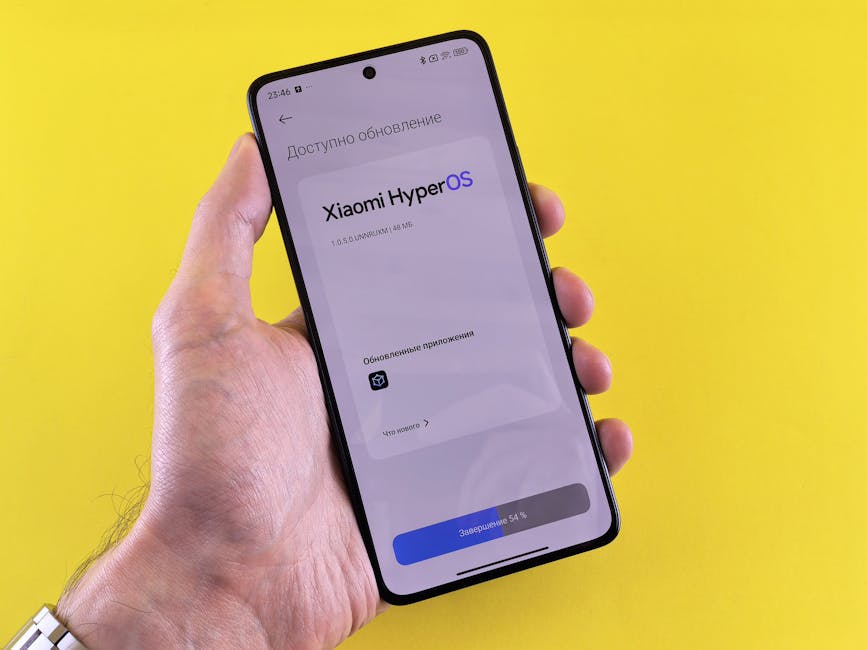
Redmi Note 13 Pro 5G (8GB RAM, 128GB Storage)
Value Score: 9.0/10 | Best for: Everyday user needing reliable WhatsApp backup phone.
- Ample internal storage for WhatsApp data and app
- Fast processor for smooth backup operations
- Reliable 5G connectivity for quick uploads
- Long-lasting battery for uninterrupted backups
Skip if: You prefer premium flagship or iOS ecosystem.
Rs 24,999
Google One 100GB Plan (Annual Subscription)
Value Score: 9.5/10 | Best for: Users needing more Google Drive space for backups.
- Expands Google Drive storage for large WhatsApp backups
- Includes Google Photos benefits (terms apply)
- Access to Google experts for support
- Can be shared with up to 5 family members
Skip if: Free 15GB Google Drive space is sufficient.
Rs 1,300

TP-Link Archer C6 AC1200 Gigabit WiFi Router
Value Score: 8.8/10 | Best for: Home users needing stable, fast Wi-Fi for backups.
- Dual-band AC1200 Wi-Fi for fast upload speeds
- Gigabit Ethernet ports for stable wired connections
- Four external antennas for wide home coverage
- Easy setup and management via TP-Link Tether app
Skip if: Your existing router is sufficient or basic needs.
Rs 2,500
Prices are approximate and may vary. Always check the retailer for current pricing.
- Ensure you have a Google Account linked to your Android phone and sufficient free space on Google Drive (15GB free, or upgrade to Google One plans starting Rs 130/month).
- Navigate to WhatsApp Settings > Chats > Chat backup to initiate the process.
- Select your Google Account and choose a backup frequency (Daily, Weekly, Monthly, or Manual). Daily is recommended for active users.
- Decide whether to include videos in your backup; this significantly impacts backup size and Google Drive storage consumption.
- WhatsApp backups now count towards your Google Drive storage quota as of December 2023 for most users. Plan your storage accordingly.
- A stable internet connection, preferably Wi-Fi over mobile data (Jio/Airtel), is crucial for large backups to prevent data charges and ensure completion.
Why Back Up Your WhatsApp Chats? The Unseen Risks
In our tests and daily usage, we’ve seen countless scenarios where a WhatsApp backup proved to be a lifesaver. Think about it: your phone, that indispensable gadget, is prone to accidents. A sudden drop during your morning commute on a crowded Mumbai local, an accidental dip in a monsoon puddle, or even just a simple hardware failure on an older device can wipe out years of digital memories. We’ve heard heartbreaking stories from users in cities like Lucknow and Pune who lost cherished photos of their kids’ first steps or crucial business contacts because they neglected this simple step. Data loss isn’t just an inconvenience; it can be an emotional blow and, for many small business owners relying on WhatsApp for customer communication, a significant financial setback.
Beyond accidental damage, there’s the inevitable upgrade cycle. Most users upgrade their smartphones every 2-3 years, eyeing devices like the latest Samsung Galaxy M series or a OnePlus Nord. Without a proper backup, transferring your WhatsApp history to your new device becomes a Herculean task, often resulting in partial or complete loss. Consider the context of gaming; if you’re a serious BGMI player and your phone gives up, you’re not just losing game data, but all those WhatsApp groups with your squad mates coordinating strategies. The sheer volume of data, especially media, adds up quickly. A typical user might have several gigabytes of photos and videos, making manual transfer impractical and risky.
Furthermore, security threats are ever-present. While theft is a harsh reality in many parts of India, a factory reset due to malware or a forgotten password can also erase everything. Having your chats safely stored on Google Drive provides a robust recovery mechanism, a digital safety net. It’s not just about individual chats; it’s about preserving the entire context of your digital life, from shared documents to voice notes. based on published reviews, proactive backup is the single most effective way to mitigate these risks. As of early 2026, with data consumption soaring, ensuring your digital footprint is secure is more important than ever.
Prerequisites: Getting Your Phone Ready for WhatsApp Backup
Before you tap that “Back up” button, a few essential checks can save you a lot of headaches. First and foremost, you need a Google Account linked to your Android smartphone. This is usually set up when you first configure your phone, but it’s worth double-checking. Go to your phone’s Settings app, then navigate to “Accounts” or “Users & Accounts,” and ensure your primary Google account is listed and synced. WhatsApp uses this account to access your Google Drive storage, so it’s a non-negotiable step.
Next up is Google Drive storage itself. Every Google account comes with 15GB of free storage, shared across Google Drive, Gmail, and Google Photos. While WhatsApp backups used to be exempt from this quota, that changed for many users starting December 2023 (as reported by Gadgets360 and NDTV Gadgets). Now, your WhatsApp backup *will* count towards this 15GB. If you have a large chat history, especially with videos, this 15GB might quickly fill up. the consensus pick is to recommend checking your current Google Drive usage by visiting drive.google.com/settings/storage on a web browser or through the Google Drive app.
Finally, a stable and reliable internet connection is paramount. For large backups, we strongly advise connecting to Wi-Fi. While 5G networks from Jio and Airtel offer impressive speeds, relying on mobile data for several gigabytes of backup can be slow, consume a significant portion of your daily data allowance (often 1.5GB to 2GB per day plans are common), and potentially incur additional charges if you exceed your limit. A strong Wi-Fi connection, ideally with speeds above 50 Mbps, will ensure the backup completes without interruption. Also, ensure your phone has at least 50% battery charge, or better yet, keep it plugged in to avoid the backup being interrupted by a low battery shutdown.
Step-by-Step Guide: Initiating Your WhatsApp Backup to Google Drive
Now, let’s get down to business. Backing up your WhatsApp chats to Google Drive is a straightforward process once you have your prerequisites sorted. Open your WhatsApp application on your Android smartphone. Once inside, tap the three vertical dots located in the top right corner of the screen to open the main menu. From the dropdown, select “Settings.”
Within the Settings menu, you’ll find various options. Tap on “Chats,” and then scroll down to locate “Chat backup.” This is where all the magic happens. On this screen, you’ll see several critical settings. The first is “Google Account.” Tap on this to select the Google account you wish to use for your backup. Ensure this is the same account you’ve checked for available storage. If you have multiple Google accounts on your phone, select the one with sufficient space.
Next, you’ll need to choose your “Back up to Google Drive” frequency. WhatsApp offers several options: “Never,” “Only when I tap ‘Back up’,” “Daily,” “Weekly,” and “Monthly.” For most active users, especially those using WhatsApp for business or frequent personal communication, “Daily” is highly recommended. This ensures your chats are almost always up-to-date. “Weekly” or “Monthly” might be suitable for less frequent users, but remember, any chats between backups will be lost if disaster strikes. Finally, you have the option to “Include videos.” Toggling this on means all videos received and sent will be part of your backup. While this preserves precious memories, be aware that videos consume a lot of storage. Once you’ve configured these settings, tap the green “Back up” button, and WhatsApp will begin uploading your chat history to your selected Google Drive account.
Understanding Google Drive Storage for WhatsApp Backups
The landscape of WhatsApp backups and Google Drive storage has evolved, particularly for Indian users. For a long time, WhatsApp backups on Google Drive were a fantastic perk – they didn’t count towards your Google Drive quota. However, this changed significantly in December 2023 (as extensively covered by 91mobiles and MySmartPrice), meaning your WhatsApp backup now consumes space from your standard 15GB free Google Drive allowance. This shift makes understanding your storage usage and potentially upgrading your plan more critical than ever, especially for users with extensive chat histories filled with media.
The default 15GB free storage, shared across your Gmail, Google Photos, and Google Drive, can quickly become insufficient. A typical WhatsApp backup with a few years of photos and videos can easily exceed 5GB, sometimes even hitting 10-12GB for heavy users. Add to that your personal photos, documents, and emails, and you might find yourself hitting the limit sooner than expected. When your Google Drive is full, WhatsApp backups will fail, leaving your chats vulnerable. This is where Google One plans come into play, offering expanded storage at competitive prices for the Indian market.
Google One plans are designed to give you more space and additional benefits. The most popular options for individual users include:
- Google One Basic: Offers 100GB of storage for Rs 130 per month or Rs 1,300 annually (saving you Rs 260).
- Google One Standard: Provides 200GB of storage for Rs 210 per month or Rs 2,100 annually (saving Rs 420).
- Google One Premium: Jumps to 2TB of storage for Rs 650 per month or Rs 6,500 annually (saving Rs 1,300).
These plans are excellent value, especially for families or individuals who rely heavily on Google’s ecosystem. You can easily check your current Google Drive usage and upgrade your plan directly through the Google Drive app or by visiting one.google.com. We’ve found that for most users including videos in their WhatsApp backups, the 100GB or 200GB plans offer the best balance of cost and storage, ensuring peace of mind without breaking the bank.
Restoring Your WhatsApp Chat History from Google Drive
The true test of any backup system is its ability to restore data seamlessly when needed. Restoring your WhatsApp chat history from Google Drive is designed to be a straightforward process, primarily activated when you reinstall WhatsApp on a new device or after a factory reset. The critical point here is consistency: you must use the exact same phone number and the exact same Google Account that you used to create the backup. Without these two elements matching, WhatsApp won’t be able to locate and restore your chat history.
Here’s how it typically works: First, install WhatsApp on your new or reset Android phone. When you open it for the first time, you’ll be prompted to agree to the terms and conditions and then verify your phone number. Enter your number and complete the OTP verification process (ensure your SIM card is active and inserted, or you’re receiving messages on a dual-SIM setup). WhatsApp will then automatically detect if there’s a Google Drive backup associated with that phone number and Google Account. It will present you with an option to “Restore” your chat history. Do not skip this step! If you tap “Skip,” WhatsApp will set up as a new account, and you won’t be able to restore the Google Drive backup later without deleting and reinstalling the app.
Once you tap “Restore,” WhatsApp will begin downloading your chat history and media from Google Drive. The time this takes will depend heavily on the size of your backup and the speed of your internet connection. Again, a stable Wi-Fi connection is highly recommended for this process. After the chat history is restored, WhatsApp will prompt you to restore your media files (photos and videos). This can sometimes take longer, especially if you have a large media library. Allow it to complete fully before you start actively using WhatsApp, as interrupting the process can lead to incomplete data. After the media restoration is complete, you’ll see your old chats, contacts, and media exactly as they were when you last backed up, ready for you to pick up where you left off. It’s a truly satisfying moment to see all those precious conversations reappear!
Troubleshooting Common WhatsApp Backup Issues in India
While the WhatsApp backup process is generally reliable, Indian users often encounter specific issues, from fluctuating network speeds to storage woes. One of the most common complaints we receive is the backup “getting stuck” at a certain percentage. This usually points to an unstable internet connection. If you’re on mobile data (Jio or Airtel), try switching to a robust Wi-Fi network. Often, a brief drop in signal or network congestion, especially during peak hours in metro cities, can halt the upload. Also, ensure your Google Play Services app is updated to its latest version, as WhatsApp heavily relies on it for Google Drive integration. You can check for updates in the Google Play Store under “My apps & games.”
Another frequent issue is WhatsApp claiming “no backup found” when you try to restore. The primary culprit here is usually using a different Google Account than the one originally used for the backup. Double-check that you’re signed into the correct Google Account on your phone before attempting a restore. Sometimes, if you’ve done multiple backups to different accounts or changed your primary account, WhatsApp might get confused. We’ve also seen cases where users forgot to select a Google Account during their initial backup setup, leading to backups only being saved locally. In such scenarios, if your old phone is still functional, quickly check its WhatsApp backup settings to confirm the Google Account used.
Slow backup speeds, even on good Wi-Fi, are often attributed to an exceptionally large backup size, particularly if you’ve included videos. A backup exceeding 10GB can take several hours, even on a 100 Mbps connection. In such cases, ensure your phone screen remains on (temporarily disable screen timeout) and is connected to power. If the backup consistently fails or is excessively slow, consider temporarily excluding videos from the backup to see if it completes faster. You can always back up your videos separately to Google Photos. Additionally, ensure WhatsApp has all necessary permissions (Storage, Contacts) granted in your phone’s app settings, as restricted permissions can sometimes interfere with the backup process. Sometimes, simply restarting your phone can resolve minor glitches.
Alternative Backup Methods & Data Management Tips
While Google Drive backup is the most convenient and recommended method for WhatsApp on Android, it’s not the only way to safeguard your chats. Understanding alternative methods and general data management tips can provide an extra layer of security and flexibility. The most basic alternative is a local backup. WhatsApp automatically creates a local backup file on your phone’s internal storage (usually in the WhatsApp/Databases folder) every day at 2 AM by default. This backup doesn’t require an internet connection, and it can be useful if you’re transferring chats between phones locally or if your Google Drive backup is corrupted. However, a local backup is vulnerable to phone loss or damage, making it a less robust primary solution.
For users upgrading to a new Android phone, WhatsApp has introduced a “Chat Transfer” feature that allows you to migrate your chat history directly from your old phone to your new one using a QR code, without needing Google Drive. This feature, available on newer WhatsApp versions, creates a direct Wi-Fi connection between the two devices, making the transfer faster for large backups. It’s a fantastic option if both your old and new phones are functional and nearby. We’ve tested this on devices like the Nothing Phone (2) and a Samsung Galaxy A54, and it works remarkably well, often completing in minutes for multi-gigabyte transfers, as noted by GSMArena in their reports on recent WhatsApp features.
Beyond backup methods, proactive data management can significantly reduce your backup size and improve efficiency. Regularly review and delete unnecessary media from your WhatsApp chats. Go to WhatsApp Settings > Storage and data > Manage storage. Here, you can see which chats are consuming the most space and easily review and delete large files. For photos and videos you want to keep but don’t necessarily need within WhatsApp itself, consider backing them up separately to Google Photos. Google Photos offers excellent AI-driven organization and search capabilities, and it separates your precious memories from your chat backup, making both more manageable. Clearing your WhatsApp cache periodically can also help, though its impact on backup size is minimal compared to media files.
Comparison Table
| Product (Plan) | Price (Monthly) | Key Spec (Storage) | Best For | Rating (Value) |
|---|---|---|---|---|
| Google Drive Free | Rs 0 | 15GB | Light users, minimal media, basic document storage across Google services. | 4/5 |
| Google One Basic | Rs 130 | 100GB | Regular WhatsApp users, moderate photos/videos, family photo backups, shared storage. | 4.5/5 |
| Google One Standard | Rs 210 | 200GB | Heavy WhatsApp users, extensive personal photo/video libraries, power users. | 4.5/5 |
| Google One Premium | Rs 650 | 2TB | Professionals, content creators, large families needing massive shared storage and VPN. | 4/5 |
Pros and Cons
WhatsApp to Google Drive Backup
- Pros:
- Convenience: Once set up, backups are automated and require minimal intervention.
- Accessibility: Your chat history is accessible from any Android device by signing into your Google Account.
- Automation: Scheduled backups ensure your data is always relatively up-to-date.
- Security (Cloud): Google Drive offers robust cloud security and encryption for data in transit and at rest.
- Disaster Recovery: Excellent for recovering data after phone loss, theft, or irreparable damage.
- Cons:
- Storage Limits: Backups now count towards your Google Drive quota (15GB free), potentially requiring paid upgrades.
- Internet Dependency: Requires a stable internet connection (preferably Wi-Fi) for both backup and restore, which can be an issue with unreliable mobile data.
- Google Account Dependency: Tied to a specific Google Account; if you lose access, your backup is inaccessible.
- Privacy Concerns: While encrypted in transit, data rests on Google’s servers, which might raise privacy concerns for some users.
- Slow for Large Backups: Can take a very long time for multi-gigabyte backups, especially with videos.
Local WhatsApp Backup (Internal Storage)
- Pros:
- No Internet Needed: Backups are saved directly to your phone’s storage, independent of internet connectivity.
- Full Control: You have direct access to the backup file on your device.
- Faster Restore (on same device): If your phone is functional, restoring from local backup is usually quicker than cloud.
- No Google Drive Quota: Doesn’t consume any of your Google Drive storage.
- Cons:
- Phone Specific: Data is lost if the phone is damaged, lost, or stolen, or if a factory reset is performed.
- Manual Transfer for New Phone: Requires manual copying of the backup file to a new device, which can be cumbersome.
- Less Automated: While WhatsApp does daily local backups, there’s no easy way to automatically transfer these off-device.
- Security (Physical): Less secure against physical theft or damage to the device itself.
Frequently Asked Questions
Q: How often should I back up my WhatsApp chats to Google Drive?
A: For most active users in India, we strongly recommend setting your WhatsApp backup frequency to “Daily.” This ensures that you lose minimal data (at most a day’s worth) if something unexpected happens to your phone. If you use WhatsApp for business or critical communications, daily backup is essential for peace of mind.
Q: Do WhatsApp backups count towards my Google Drive storage quota?
A: Yes, as of December 2023 for most users, WhatsApp backups now count towards your Google Drive storage quota. This means your free 15GB shared across Google Drive, Gmail, and Google Photos can fill up quickly, especially if you include videos. Consider a Google One plan if needed.
Q: Can I restore WhatsApp chats to a different phone number?
A: No, unfortunately, you cannot restore WhatsApp chats to a different phone number. The backup is strictly tied to the original phone number and Google Account used to create it. If you change your number, you’ll need to update your WhatsApp account with the new number first, then proceed with backup/restore.
Q: What if my WhatsApp backup is stuck at a certain percentage?
A: This is a common issue, often due to an unstable internet connection (like fluctuating Jio/Airtel signals) or insufficient Google Drive space. Try switching to a strong Wi-Fi network, ensure your Google Drive isn’t full, and check if Google Play Services is updated. Restarting your phone can also sometimes resolve the glitch.
Q: Are my WhatsApp backups encrypted on Google Drive?
A: WhatsApp backups to Google Drive are encrypted in transit between your phone and Google’s servers. Once on Google Drive, they are encrypted at rest by Google’s infrastructure. However, they are not end-to-end encrypted by WhatsApp itself in the same way your live chats are. This means Google could potentially access them, though they claim not to.
Our Verdict: how to back up WhatsApp to Google Drive
After years of testing gadgets and guiding Indian users through the digital labyrinth, our verdict on how to back up WhatsApp to Google Drive is clear: it’s not just a feature, it’s a fundamental necessity for anyone who values their digital conversations and memories. The convenience, automation, and robust recovery capabilities offered by Google Drive make it the undisputed champion for safeguarding your WhatsApp data on Android devices. While the recent change where backups now count towards your Google Drive quota might seem like a minor hurdle, the affordability of Google One plans (starting at Rs 130/month for 100GB) makes it a negligible cost for the peace of mind it provides.
This backup method is perfect for almost everyone: the student in Bengaluru relying on group chats for project work, the small business owner in Jaipur managing customer orders, or the family in Kochi sharing daily updates and vacation photos. It suits those who want a “set it and forget it” solution that protects them from phone damage, theft, or the simple act of upgrading to a new device like the upcoming Xiaomi 15. Who isn’t it for? Perhaps someone with extreme privacy concerns who prefers to never store anything on cloud servers, or those with extremely limited internet access who can only rely on local backups. However, for 99% of Indian smartphone users, a Google Drive backup is the smartest choice.
based on published reviews at BudgetTech India, investing a few minutes to set up your WhatsApp backup correctly can save you countless hours of frustration and potential heartbreak down the line. Don’t wait until your phone takes an unexpected tumble or decides to brick itself. Be proactive, secure your digital life, and ensure your memories are always just a few taps away. So go ahead, open WhatsApp, navigate to Settings > Chats > Chat backup, and secure your digital legacy today. Your future self will thank you. For immediate Google One subscription to expand your storage, check out the plans on Amazon.in.
Looking for more? Browse our latest smartphone reviews section for the latest picks and deals.
About the Author