
Unpacking the News in 2025: How We Consume Information in Digital India

Namaste, tech enthusiasts and information junkies! Your friendly gadget reviewer is back, and today we’re not just talking about the latest smartphone or a groundbreaking smart home device. Instead, we’re diving deep into something far more fundamental, yet constantly evolving: **News**. In 2025, for an Indian audience, the way we consume, process, and even interact with news has undergone a seismic shift. Gone are the days when a morning newspaper or the 9 PM broadcast were our sole windows to the world. Today, our pockets hold the entire globe, and the news comes to us, often before we even ask for it.
The very definition of “news” remains constant – it’s about what’s happening. But the “how” has become a fascinating tapestry woven with technology, personalization, and a dash of digital chaos. Let’s explore the dynamic landscape of news consumption in India, a land where connectivity has truly democratized information.
The Smartphone: Your Personal Newsroom, 24/7

It’s no secret that the smartphone reigns supreme in India. With affordable data plans and a vast array of budget-friendly yet powerful devices, our phones aren’t just for calls or WhatsApp anymore; they are our primary news portals. In 2025, this trend has only intensified. From the moment we wake up, often before even brushing our teeth, a quick scroll through news apps like Inshorts, Google News, or even curated feeds on social media platforms like X (formerly Twitter) or Instagram, gives us our daily dose of headlines.
The convenience is unparalleled. Push notifications alert us to breaking stories, live blogs keep us updated during major events, and short-form video snippets on YouTube Shorts or Reels offer quick summaries. As NDTV Gadgets has consistently highlighted over the years, the accessibility and affordability of smartphones have been the biggest drivers of digital news adoption in India, especially beyond the urban centers. This device-centric approach means news is no longer a scheduled event; it’s an ambient, always-on presence.
Personalization and Vernacular: The Language of News

One of the most significant shifts we’ve seen in India is the powerful surge of personalized and vernacular news. We’re a diverse nation, speaking hundreds of languages, and the demand for news in one’s mother tongue is immense. Platforms like Dailyhunt, NewsBytes, and even global players like Google News have invested heavily in localizing content, offering news in Hindi, Tamil, Telugu, Marathi, Bengali, and many other regional languages.
Moreover, AI-driven algorithms have become incredibly sophisticated at understanding our reading habits. If you frequently read about technology, politics in your state, or Bollywood gossip, your news feed will reflect that. This hyper-personalization, while incredibly efficient at delivering what you *want* to read, also presents a challenge: the “filter bubble,” where you might inadvertently miss diverse perspectives. Nevertheless, for the average Indian user, getting relevant news in their preferred language is a game-changer, fostering greater engagement and understanding.
AI and Algorithms: Curators or Gatekeepers?
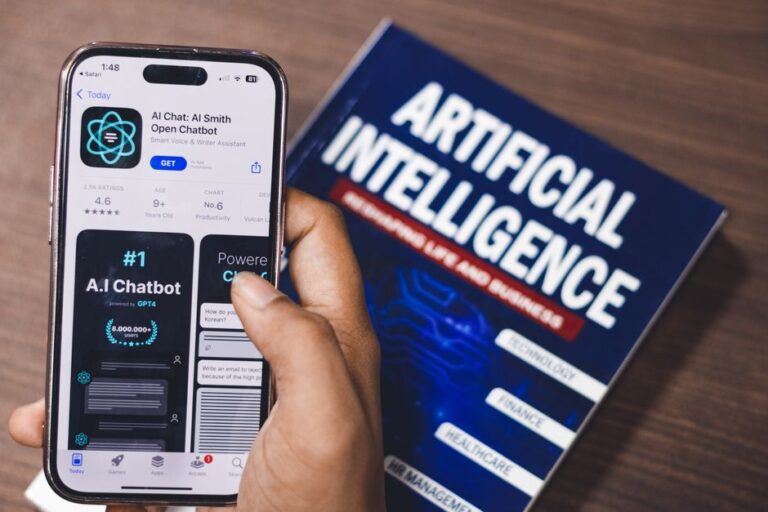
Behind every personalized feed and every recommended article lies the magic (and sometimes menace) of Artificial Intelligence and complex algorithms. In 2025, AI doesn’t just sort news; it can even help generate it, transcribe interviews, or summarize lengthy reports. This technology is a double-edged sword. On one hand, it makes news consumption incredibly efficient, sifting through mountains of information to present what’s most relevant to you.
On the other hand, the algorithms decide what gets prominence, potentially amplifying certain narratives while sidelining others. Industry watchers, like those at TechCrunch, have noted the increasing influence of AI on content discovery globally, and India is no exception. Understanding how these algorithms work, and being aware of their biases, is crucial for any discerning news consumer. Are we truly getting a holistic view, or just what the AI thinks we want?
The Battle Against Misinformation: A Continuous War
With the deluge of information comes the unfortunate byproduct of misinformation and fake news. This is a particularly acute problem in India, where viral content, often amplified by social media, can spread like wildfire, sometimes with serious real-world consequences. In 2025, the fight against fake news is more critical than ever.
News organizations, fact-checking bodies, and even social media platforms themselves are employing AI tools to detect and flag dubious content. However, the ultimate responsibility still lies with the user. Developing a critical eye, checking multiple sources, and questioning sensational headlines are skills that are now as important as basic literacy. The mantra “Don’t just read, verify!” has become essential for navigating the digital news landscape.
Beyond Text: Immersive and Interactive News Experiences
While text and video remain dominant, 2025 is seeing a subtle but growing trend towards more immersive and interactive news. Think augmented reality (AR) filters that let you visualize election results in your living room, or interactive infographics that allow you to explore data points with a swipe. Some progressive news outlets are experimenting with short-form audio news digests for smart speakers or podcasts that offer deeper dives into complex issues, catering to multi-tasking users.
Live streaming of events, coupled with real-time comments and expert analysis, has also become a standard feature, making news consumption a more participatory experience. The lines between producer and consumer are blurring, with citizen journalism and user-generated content often breaking stories faster than traditional media.
Local News, Global Reach: The Hyperlocal Imperative
Despite the global connectivity, the demand for hyperlocal news remains incredibly strong in India. People want to know what’s happening in their city, their district, even their specific neighborhood. Digital platforms have made it easier for small, independent news outlets and even individual reporters to publish local stories that might never have made it into mainstream media. Apps focusing purely on city-specific news are gaining traction, bridging the gap between national headlines and everyday concerns.
Final Thoughts: The Empowered Yet Responsible Consumer
In 2025, news for the Indian audience is vibrant, accessible, and overwhelmingly digital. Our gadgets have put an unprecedented amount of information at our fingertips, empowering us to stay informed like never before. From personalized feeds in vernacular languages to the constant flow of real-time updates, the way we consume news is efficient and engaging.
However, this power comes with responsibility. The challenge of discerning truth from fiction, navigating filter bubbles, and actively seeking diverse perspectives is more crucial than ever. So, as we continue to embrace the incredible technological advancements in news delivery, let’s also cultivate the wisdom and critical thinking needed to truly understand the world around us. Happy reading, and remember to always verify!
Looking for more? Explore our AI innovations section.
About the Author