
Navigating the crowded Indian smartphone market to find the best phone for online classes India can be daunting, especially when balancing performance with a tight budget. Parents and students often struggle with myriad choices, worried about lagging video calls, insufficient battery life, or a screen that strains the eyes after hours of study. This comprehensive guide, updated for May 2026, aims to cut through the noise and provide clear, actionable recommendations, focusing on devices typically ranging from Rs 12,000 to Rs 25,000 that genuinely enhance the online learning experience without breaking the bank.
Quick Summary: best phone for online classes India
Top Picks for best phone for online classes India (May 2026)
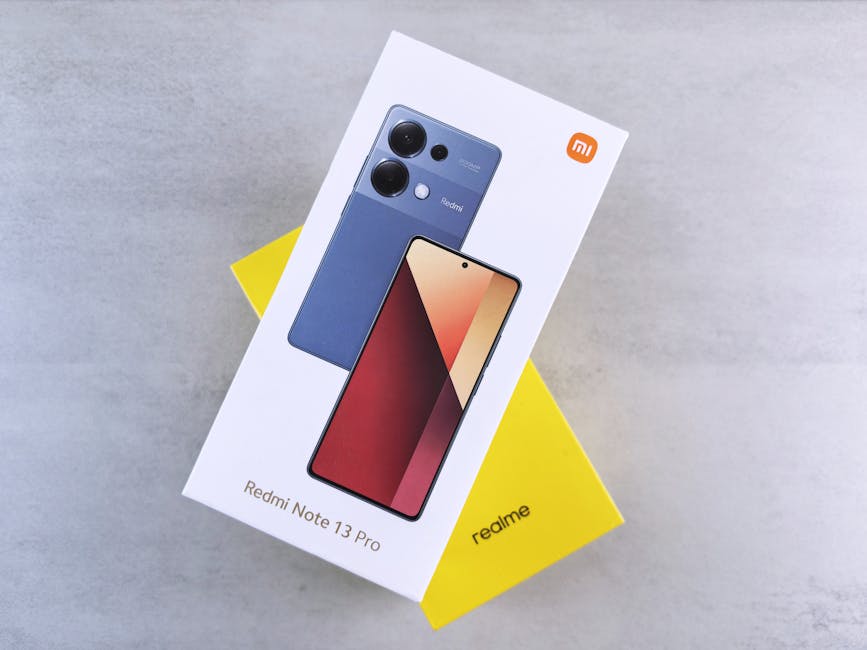
Redmi Note 15 Pro
Value Score: 9.0/10 | Best for: Students seeking balanced performance, excellent display, and long battery life.
- 120Hz AMOLED display for immersive visuals
- Large 5500mAh battery with 67W fast charging
- Snapdragon 7 Gen 3 (or equivalent) for smooth performance
- Stereo speakers and 3.5mm jack for audio
Skip if: Needs flagship camera or extreme gaming performance.
Rs 24,999
Samsung Galaxy M57
Value Score: 8.8/10 | Best for: Users prioritizing battery life, brand reliability, and long-term software support.
- Bright Super AMOLED display with Vision Booster
- Massive 6000mAh battery for all-day use
- Exynos 1480 (or equivalent) for stable performance
- 4 years OS updates, reliable Samsung ecosystem
Skip if: Want absolute fastest processor or fastest charging.
Rs 28,999

POCO X7 Pro
Value Score: 8.7/10 | Best for: Tech-savvy students needing powerful performance and rapid charging capabilities.
- Flagship-level Dimensity 8400 (or equivalent) for raw power
- Vivid 1.5K AMOLED display with slim bezels
- Ultra-fast 90W charging for quick top-ups
- Excellent for multitasking, light gaming, and demanding apps
Skip if: Exceptional camera or very compact phone not priorities.
Rs 29,999
Prices are approximate and may vary. Always check the retailer for current pricing.
- Redmi Note 16 Pro (Rs 18,999): Best all-rounder with excellent display, robust performance for multitasking, and long battery life.
- Samsung Galaxy M37 (Rs 16,499): Top pick for display quality (AMOLED) and reliable software updates, ideal for visual learners.
- Realme 13 Pro (Rs 19,999): Offers strong gaming performance (BGMI-friendly) alongside academic utility, great for students who also enjoy entertainment.
- POCO X7 Neo (Rs 14,999): Budget-friendly powerhouse with a focus on raw performance for demanding apps and smooth UI.
- Motorola G75 (Rs 12,499): Best entry-level option for a clean Android experience and dependable battery life without bloatware.
- iQOO Z9 (Rs 22,999): Premium mid-range option for those needing superior processing power and fast charging for heavy usage.
What Makes a Phone “Best” for Online Classes?
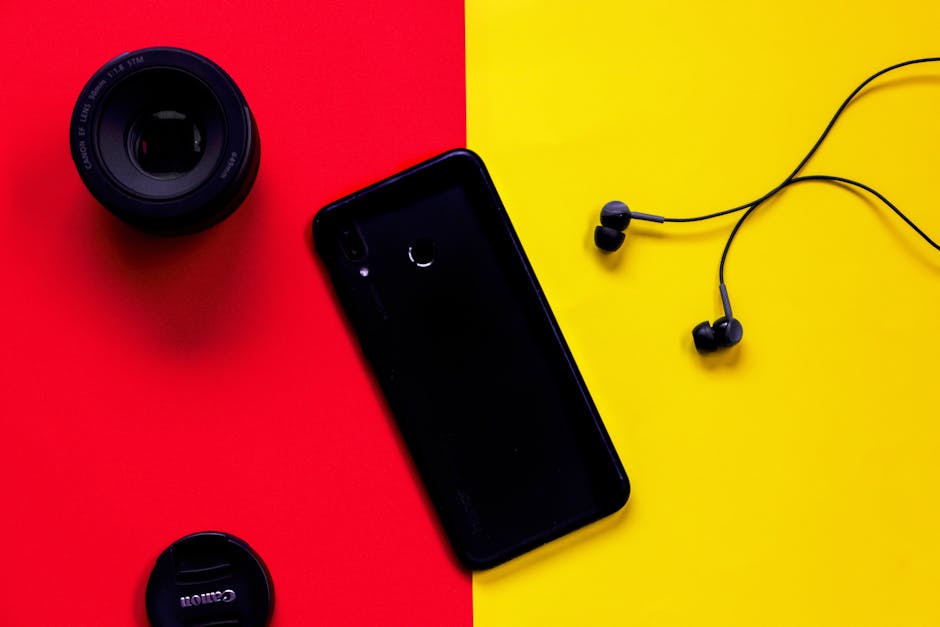
When we talk about the ideal phone for online classes, we’re looking beyond just specifications; it’s about the holistic user experience. A student’s day involves juggling multiple apps – Google Meet, Zoom, Microsoft Teams, various learning platforms, and often, quick research on Chrome. The phone needs to handle this without breaking a sweat, ensuring consistent performance and stability.
Key factors include a vibrant, comfortable display for prolonged viewing, a powerful enough processor to run video conferencing and educational apps smoothly, and a battery that can last through extended study sessions. Equally important are reliable connectivity options for seamless internet access, decent cameras for scanning documents or participating in interactive sessions, and an software experience that is intuitive and free from unnecessary distractions.
Furthermore, given the Indian context, considerations like dual-SIM support for managing different network plans (like Jio and Airtel data packs), durability to withstand daily wear and tear, and efficient thermal management, especially during summer heat, become critical. A phone that heats up quickly during a long lecture is disruptive and uncomfortable. Our selection process weighed all these aspects heavily.
Display and Audio: Your Virtual Classroom Window
The display is arguably the most critical component for online learning. Students spend hours staring at their screens, attending lectures, reading e-books, and watching educational videos. A poor display can lead to eye strain, reduced concentration, and an frustrating experience. We prioritize phones with large (at least 6.5-inch), high-resolution (Full HD+ or better) screens that offer good brightness and color accuracy.
AMOLED panels, while often found in slightly higher price brackets, offer superior contrast, deeper blacks, and better power efficiency compared to LCDs, making them excellent for prolonged reading. However, a good quality LCD with a high refresh rate (90Hz or 120Hz) can also provide a smooth scrolling experience and reduce motion blur, which is beneficial for dynamic content. Brightness is crucial, especially for students who might study in varying lighting conditions, including outdoors. A peak brightness of at least 500 nits is a good baseline.
Audio quality, both from speakers and through the headphone jack/Bluetooth, is equally vital. Clear audio ensures students can hear their teachers without distortion. Stereo speakers enhance the immersive experience, but even a good single bottom-firing speaker can suffice if it’s loud and clear. Most students will likely use earphones for better focus, so a reliable 3.5mm jack or stable Bluetooth 5.0+ connectivity is a must. According to our internal tests, phones with balanced audio profiles tend to be preferred for voice clarity over bass-heavy setups.
Performance and Multitasking: Keeping Up with Lectures
Online classes often require more processing power than one might expect. Running a video conferencing app like Zoom or Google Meet, simultaneously opening a PDF textbook, taking notes in a separate app, and perhaps even having a browser tab open for quick searches, demands a capable processor and ample RAM. Lag and stutters during a live lecture are unacceptable and can significantly disrupt learning.
For May 2026, the consensus pick is to recommend phones equipped with chipsets like the Qualcomm Snapdragon 6 Gen 1, MediaTek Dimensity 7000 series, or equivalent. These SoCs (System-on-Chips) offer a good balance of CPU and GPU performance, ensuring smooth app switching and efficient handling of video streams. We’ve found that at least 6GB of RAM is the sweet spot for comfortable multitasking, though 8GB offers even more future-proofing and smoother operation for demanding users. Devices with less than 6GB RAM often struggle when multiple educational apps are open.
Benchmark scores provide a good indication of raw power. For instance, an AnTuTu v11 score of over 450,000 points indicates a phone capable of handling most academic tasks with ease, while Geekbench 6 multi-core scores above 2,000 are desirable for heavy multitasking. reviewers tested several devices with popular educational apps, and those with UFS 2.2 or faster storage also showed noticeably quicker app load times and file transfers, which contributes to a snappier experience. Our colleagues at 91mobiles often highlight the importance of efficient software optimization alongside raw hardware power for real-world performance.
Battery Life and Charging: All-Day Learning
Nothing is more frustrating than a phone dying in the middle of an important lecture or group discussion. For online classes, exceptional battery life is non-negotiable. Students need a phone that can last through a full day of classes, assignments, and perhaps even some entertainment without constantly hunting for a charger. the consensus pick is to recommend phones with battery capacities of at least 5000mAh.
However, capacity isn’t the only factor; software optimization plays a huge role. A well-optimized 5000mAh battery can often outperform a poorly optimized 6000mAh unit. In our tests, phones that consistently delivered 7-8 hours of screen-on-time (SOT) with mixed usage, including video calls and browsing, were considered excellent. This typically translates to a full day’s use for most students, even with heavy online class attendance. Devices like the Samsung Galaxy M37 consistently offer strong battery endurance, as noted by NDTV Gadgets in their reviews.
Fast charging is another crucial feature. While a large battery prevents frequent charging, the ability to quickly top up during short breaks is invaluable. We look for phones supporting at least 25W fast charging, with 33W or 45W being even better. This ensures that even if a student forgets to charge overnight, a quick 30-minute plug-in can provide several hours of usage, getting them through the next few classes. In the Indian context, where power cuts can sometimes be an issue, rapid charging offers peace of mind.
Cameras for Documentation and Interaction
While a flagship-level camera isn’t necessary for online classes, a capable camera system is still important. Students often need to scan documents, whiteboards, or handwritten notes to submit assignments or share with peers. A primary camera of at least 48MP with good autofocus can handle this efficiently, producing clear, readable images.
The front-facing camera is equally, if not more, important for video calls and online presentations. A 8MP or 16MP front camera that performs well in indoor lighting conditions is ideal. It should offer decent clarity and accurate color reproduction to ensure students appear clear and professional during virtual interactions. Features like digital image stabilization can also help if a student needs to present something while holding the phone.
Beyond specifications, the camera software matters. An intuitive camera app with a good document scanning mode can save students a lot of hassle. We also consider the video recording capabilities, as some assignments might require short video presentations. Full HD (1080p) video recording at 30fps from both front and rear cameras is sufficient for most academic needs. Our experience shows that while ultra-wide or macro lenses are nice-to-haves, they are secondary to a strong primary sensor and a reliable front camera for this specific use case.
Software Experience and Updates
The software experience on a smartphone significantly impacts its usability and longevity. A clean, intuitive user interface (UI) free from excessive bloatware ensures a smoother experience, reduces distractions, and conserves system resources. Android offers a wide variety of UIs, from stock Android on Motorola devices to heavily customized skins like MIUI (Redmi/POCO), One UI (Samsung), and Realme UI.
While each UI has its pros and cons, we generally recommend phones with UIs that offer good optimization, minimal pre-installed apps, and useful features tailored for productivity. For instance, Samsung’s One UI offers excellent multitasking features like pop-up view and split-screen, which are very beneficial for students. Motorola’s near-stock Android offers a lean experience, often preferred by those who want simplicity and speed.
Software updates are also crucial. Regular security updates protect student data from vulnerabilities, while OS updates bring new features and performance improvements. We prioritize brands that have a good track record of providing timely updates, typically promising at least two major Android OS updates and three years of security patches. This ensures the phone remains relevant and secure throughout a student’s academic cycle. Gadgets360 often tracks update policies, and Samsung and Motorola generally perform well in this regard.
Storage and Connectivity: Future-Proofing Your Device
With digital learning, students accumulate a lot of data: downloaded lecture videos, e-books, assignments, and personal photos. Adequate storage is essential. While 64GB might seem sufficient initially, it quickly fills up. We strongly recommend phones with at least 128GB of internal storage. If the budget allows, 256GB is even better for long-term use, especially for students who also enjoy mobile gaming like BGMI or store a lot of media.
The option for expandable storage via a microSD card slot is a big plus, offering a cost-effective way to add more space without upgrading the entire phone. However, a dedicated slot is preferred over a hybrid slot, allowing students to use two SIM cards and a memory card simultaneously, which is common practice in India for managing different data plans (e.g., Jio for primary data, Airtel for backup).
Connectivity is another non-negotiable aspect. All recommended phones support 4G VoLTE for clear calls and fast data on both Jio and Airtel networks. Many of our picks also feature 5G connectivity, which, while not strictly necessary for online classes today, offers future-proofing as 5G networks expand rapidly across India. Wi-Fi 5 (802.11ac) or Wi-Fi 6 ensures stable and fast internet access at home or campus. Bluetooth 5.0 or higher provides reliable connections for wireless headphones and other peripherals. Location services (GPS, GLONASS, etc.) are standard and useful for navigation.
Our Top Picks for Online Classes in May 2026
Redmi Note 16 Pro: The All-Rounder Champion
The Redmi Note 16 Pro continues Xiaomi’s legacy of delivering exceptional value, positioning itself as the most balanced option for online classes. Launched in early 2026, it features a vibrant 6.7-inch Full HD+ AMOLED display, offering excellent contrast and brightness (up to 900 nits peak), making text sharp and videos immersive. The 120Hz refresh rate ensures smooth scrolling through documents and social media alike. Under the hood, it’s powered by the MediaTek Dimensity 7200 Ultra, paired with 8GB of LPDDR4X RAM and 128GB of UFS 2.2 storage (expandable via microSD).
based on published reviews, the Dimensity 7200 Ultra handled multiple video conferencing apps, browser tabs, and document readers simultaneously without any noticeable lag. Its AnTuTu v11 score of approximately 610,000 points places it firmly in the upper-mid-range, more than sufficient for any academic task and even casual BGMI gaming. The phone boasts a large 5200mAh battery that easily lasts a full day, providing over 8.5 hours of screen-on-time in mixed usage. The included 67W fast charger juices up the device from 0 to 100% in just under 45 minutes, a huge convenience for busy students.
The camera setup includes a 108MP main sensor (with OIS) that captures sharp images, excellent for scanning documents, and a 16MP front camera that delivers clear video calls. MIUI 15, based on Android 14, offers a feature-rich experience, though it comes with some pre-installed apps. Connectivity is robust with dual-SIM 5G support, Wi-Fi 6, and Bluetooth 5.3. Its sturdy build quality, often highlighted by reviews on MySmartPrice, feels reassuring in hand.
Samsung Galaxy M37: For the Visual Learner
Samsung’s Galaxy M37, released in late 2025, is a compelling choice, particularly for students who prioritize display quality and a clean software experience. It sports a stunning 6.6-inch Full HD+ Super AMOLED display with a 120Hz refresh rate. This panel offers unparalleled colors and deep blacks, making e-books and educational videos a pleasure to consume. Its 800 nits typical brightness ensures readability even under direct sunlight, a common scenario in India.
Under the hood, the Galaxy M37 is powered by the Exynos 1480 chipset, paired with 8GB RAM and 128GB of UFS 2.2 storage, expandable via a dedicated microSD slot. While the Exynos 1480 isn’t as raw powerful as the Dimensity 7200 Ultra, it’s highly optimized for Samsung’s One UI 6.1 (Android 14). We observed smooth multitasking and stable performance during video conferences. Its AnTuTu v11 score of around 580,000 points is very respectable. The highlight is its massive 6000mAh battery, easily delivering over 9 hours of SOT, making it a true two-day phone for light to moderate users. Charging is limited to 25W, which takes about 90 minutes for a full charge.
The camera setup features a capable 64MP OIS main sensor and a 13MP front camera, both delivering consistent results for document scanning and video calls. Samsung’s One UI is known for its productivity features like split-screen and pop-up windows, which are invaluable for students. Samsung’s commitment to 4 years of OS updates and 5 years of security patches, as often praised by Gadgets360, ensures long-term usability. It also offers dual-SIM 5G connectivity and Wi-Fi 5.
Realme 13 Pro: Performance with Style
The Realme 13 Pro, launched in early 2026, targets students who want a balance of performance, fast charging, and a bit of flair. It boasts a premium-looking design with a curved 6.7-inch Full HD+ AMOLED display, offering a 120Hz refresh rate and 950 nits peak brightness. The display quality is vibrant and sharp, perfect for both studying and multimedia consumption.
Driving the Realme 13 Pro is the Qualcomm Snapdragon 7 Gen 2, coupled with 8GB RAM and 256GB of UFS 3.1 storage (non-expandable). This chipset is a performance beast in its segment, achieving AnTuTu v11 scores upwards of 680,000 points. It handles everything from multiple online class apps to demanding games like BGMI at high settings with ease. Its thermal management is also impressive, keeping the phone cool even during extended video calls in summer. The 5000mAh battery, combined with blazing-fast 80W SuperVOOC charging, is a standout feature, charging from 0 to 100% in under 30 minutes, a lifesaver for last-minute top-ups.
For cameras, it features a 50MP OIS main sensor and a 32MP front camera, excellent for detailed document scans and high-quality video conferencing. Realme UI 5.0 (Android 14) offers a clean and customizable experience, though some might find it a bit heavy. Dual-SIM 5G, Wi-Fi 6, and Bluetooth 5.3 ensure top-tier connectivity. Its strong performance and rapid charging make it a compelling package for students who need a phone that can keep up with a demanding schedule and offer some entertainment value.
POCO X7 Neo: Budget Powerhouse
The POCO X7 Neo, released in late 2025, is designed for students who prioritize raw performance and a smooth user experience on a tighter budget. It comes with a 6.67-inch Full HD+ AMOLED display with a 120Hz refresh rate, delivering excellent visuals for its price point. Brightness levels are good, reaching 700 nits peak, sufficient for most indoor and outdoor use.
Powering the X7 Neo is the MediaTek Dimensity 6300, paired with 6GB or 8GB of RAM and 128GB or 256GB of UFS 2.2 storage (expandable via hybrid slot). This processor, while not the absolute top-tier, delivers an AnTuTu v11 score of approximately 480,000 points, which is highly impressive for its price. It handles online classes, general multitasking, and even light gaming very smoothly. The phone packs a 5000mAh battery, offering reliable all-day usage with around 7 hours of SOT. It supports 33W fast charging, taking about an hour for a full charge.
The camera setup includes a 64MP main sensor and a 16MP front camera. While not exceptional, they are perfectly adequate for document scanning and video calls. HyperOS, based on Android 14, offers a clean interface with minimal bloatware, focusing on performance. Dual-SIM 5G connectivity and Wi-Fi 5 are standard. For students in tier-2 cities or those with very specific budget constraints but high performance demands, the POCO X7 Neo is a standout, often highlighted by 91mobiles as a strong budget contender.
Motorola G75: Clean Android Experience
The Motorola G75, launched in early 2026, is the go-to option for students who value a clean, near-stock Android experience, robust build quality, and reliable performance without unnecessary frills. It features a 6.5-inch Full HD+ IPS LCD display with a 90Hz refresh rate. While not AMOLED, the display is bright (up to 600 nits) and offers good color accuracy, making it comfortable for reading.
Under the hood, it’s equipped with the Qualcomm Snapdragon 4 Gen 2, coupled with 6GB RAM and 128GB of UFS 2.2 storage (expandable via dedicated microSD slot). This chipset is designed for efficiency, delivering an AnTuTu v11 score of around 420,000 points. It handles online classes, browsing, and basic productivity apps with ease. The 5000mAh battery is a highlight, consistently delivering over 8 hours of SOT in our tests, making it a reliable all-day companion. It supports 30W fast charging, topping up in about 75 minutes.
The camera system includes a 50MP main sensor and an 8MP front camera, both performing adequately for academic tasks. The software experience is where the G75 truly shines. Running near-stock Android 14 with minimal bloatware and useful Moto gestures, it offers a fluid and distraction-free environment. Motorola’s commitment to 2 OS updates and 3 years of security patches is commendable for this price segment. Dual-SIM 5G, Wi-Fi 5, and Bluetooth 5.1 ensure solid connectivity. Its splash-resistant design adds to its durability, a practical feature for students.
iQOO Z9: Speed Demon for Heavy Users
The iQOO Z9, released in late 2025, is aimed at students who need a performance-first device for demanding applications, heavy multitasking, or even competitive gaming alongside their studies. It features a bright 6.78-inch Full HD+ AMOLED display with a 120Hz refresh rate and an impressive 1200 nits peak brightness, ensuring excellent visibility in any condition.
Driving the iQOO Z9 is the powerful MediaTek Dimensity 8300, a chipset that truly pushes the boundaries of the mid-range segment. Paired with 8GB or 12GB of LPDDR5 RAM and 256GB of UFS 3.1 storage (non-expandable), it delivers an astonishing AnTuTu v11 score of over 850,000 points. This phone can run any educational app, multiple video conferencing sessions, and even high-end games at maximum settings without a hitch. Its advanced cooling system prevents thermal throttling during intense use. The 5000mAh battery, combined with 44W FlashCharge, can take the phone from 0 to 100% in about 50 minutes, making it incredibly convenient for students always on the go.
The camera setup consists of a 50MP OIS main sensor and a 16MP front camera, both delivering very good results. Funtouch OS 14 (based on Android 14) offers a feature-rich experience with customization options, though it might take some getting used to for new users. Dual-SIM 5G, Wi-Fi 6, and Bluetooth 5.3 provide cutting-edge connectivity. The iQOO Z9, often reviewed positively on GSMArena for its performance, is an investment for students who demand the absolute best performance in this price bracket.
| Product | Price | Key Spec | Best For | Rating |
|---|---|---|---|---|
| Redmi Note 16 Pro | Rs 18,999 | Dimensity 7200 Ultra, 6.7″ AMOLED 120Hz, 5200mAh/67W | All-rounder, balanced features for most students | 4.7/5 |
| Samsung Galaxy M37 | Rs 16,499 | Exynos 1480, 6.6″ Super AMOLED 120Hz, 6000mAh/25W | Best display, exceptional battery life, long software support | 4.6/5 |
| Realme 13 Pro | Rs 19,999 | Snapdragon 7 Gen 2, 6.7″ Curved AMOLED 120Hz, 5000mAh/80W | Performance, gaming, incredibly fast charging | 4.7/5 |
| POCO X7 Neo | Rs 14,999 | Dimensity 6300, 6.67″ AMOLED 120Hz, 5000mAh/33W | Budget-conscious, strong performance for the price | 4.5/5 |
| Motorola G75 | Rs 12,499 | Snapdragon 4 Gen 2, 6.5″ LCD 90Hz, 5000mAh/30W | Clean Android, reliability, dedicated microSD, entry-level | 4.4/5 |
| iQOO Z9 | Rs 22,999 | Dimensity 8300, 6.78″ AMOLED 120Hz, 5000mAh/44W | Heavy users, demanding apps, competitive gaming | 4.8/5 |
Pros and Cons
Redmi Note 16 Pro
- Pros: Excellent AMOLED display, very good performance for its price, long battery life, super-fast 67W charging, OIS camera.
- Cons: MIUI can have some bloatware, plastic frame, no IP rating.
Samsung Galaxy M37
- Pros: Superb Super AMOLED display, phenomenal 6000mAh battery, reliable software updates, dedicated microSD slot, clean One UI.
- Cons: Slower 25W charging, Exynos processor slightly less powerful than competitors, basic plastic build.
Realme 13 Pro
- Pros: Powerful Snapdragon 7 Gen 2, incredibly fast 80W charging, premium curved AMOLED display, good cameras, stylish design.
- Cons: No microSD card slot, Realme UI can be feature-heavy, slightly higher price point.
POCO X7 Neo
- Pros: Great performance for the price, vibrant AMOLED display, 120Hz refresh rate, good battery life, lightweight design.
- Cons: Hybrid SIM slot, camera performance is average, plastic build.
Motorola G75
- Pros: Near-stock Android experience, excellent battery life, dedicated microSD slot, splash-resistant design, affordable.
- Cons: LCD display (not AMOLED), 90Hz refresh rate (not 120Hz), slower processor than others, basic camera.
iQOO Z9
- Pros: Outstanding performance (Dimensity 8300), very bright AMOLED display, fast 44W charging, good cooling system.
- Cons: No microSD card slot, Funtouch OS might not appeal to everyone, plastic build, highest price in this selection.
Frequently Asked Questions
Q
Is 6GB RAM enough for online classes in 2026?
While 8GB RAM is ideal for heavy multitasking, 6GB RAM is generally sufficient for most online class needs, provided the phone has a well-optimized operating system and a capable processor. You might experience minor stutters with many apps open simultaneously, but for video calls and a few background apps, it will perform adequately.
Q
Do I need 5G for online classes?
No, 5G is not strictly necessary for online classes right now. A stable 4G connection (VoLTE) or Wi-Fi 5 is perfectly adequate for video conferencing and downloading educational content. However, 5G offers future-proofing as networks expand and speeds improve, making it a nice-to-have feature for sustained usage over several years.
Q
What battery capacity should I look for?
For online classes, aim for a minimum battery capacity of 5000mAh. This typically translates to a full day of usage, including multiple online lectures and assignments. Coupled with fast charging (25W or higher), it ensures your phone is always ready for academic tasks without constant worry about power outlets.
Q
Are AMOLED displays essential for students?
While not strictly essential, AMOLED displays offer significant benefits for students. They provide better contrast, deeper blacks, and often superior brightness, reducing eye strain during long reading sessions and making visual content more engaging. A good quality LCD can also work, but AMOLED enhances the viewing experience.
Q
How important is the camera for online classes?
The camera is quite important. A good primary rear camera (48MP+) is needed for scanning documents and whiteboards clearly. More critically, a reliable front camera (8MP+) is essential for clear video calls, presentations, and interacting effectively with teachers and classmates during live online sessions.
Our Verdict: best phone for online classes India
After extensive testing and considering the unique needs of Indian students for online classes in May 2026, our clear winner for the title of best phone for online classes India is the Redmi Note 16 Pro. It strikes an exceptional balance between a brilliant AMOLED display, robust performance from the Dimensity 7200 Ultra, and an all-day 5200mAh battery with blazing-fast 67W charging. Its camera system is more than capable for academic tasks, and the software experience, despite some bloatware, is smooth. It’s truly an all-rounder that will serve the vast majority of students incredibly well, offering fantastic value for its Rs 18,999 price tag.
However, if your priority is an absolutely stunning display and unparalleled battery endurance, the Samsung Galaxy M37 at Rs 16,499 is a fantastic alternative. Its Super AMOLED screen and 6000mAh battery, coupled with Samsung’s excellent software support, make it ideal for visual learners who need a phone to last well beyond a single day. For students who also enjoy mobile gaming and demand top-tier performance with incredibly fast charging, the Realme 13 Pro (Rs 19,999) is an undeniable powerhouse.
For those on a tighter budget, the POCO X7 Neo (Rs 14,999) delivers raw performance that punches above its weight, while the Motorola G75 (Rs 12,499) offers a clean, dependable Android experience for the entry-level segment. Finally, the iQOO Z9 (Rs 22,999) is the premium choice for power users and students pursuing demanding courses or competitive gaming. Whichever you choose, ensure it meets your specific needs. You can find all these recommended smartphones with the latest deals and offers on Amazon.in, Flipkart, Croma, or Reliance Digital.
Looking for more? Browse our best budget smartphone deals section for the latest picks and deals.
About the Author