Unlocking the Future: The Best 5G Phone Under 15000 India in 2026
Top Picks: best 5G phone under 15000 India
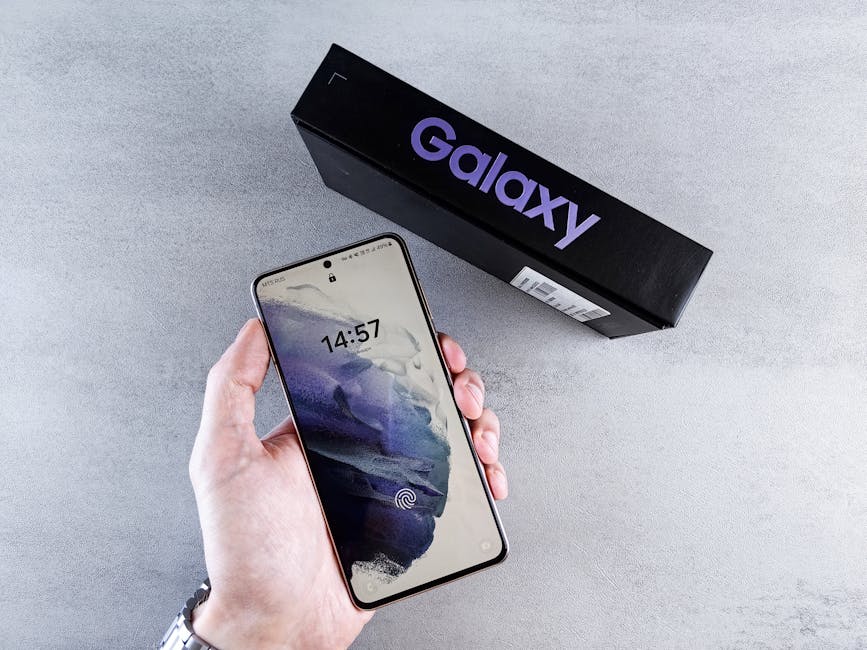
Motorola Moto G34 5G (8GB RAM, 128GB Storage)
- Snapdragon 695 5G Processor
- 50MP Quad Pixel Camera
- 5000mAh Battery with 18W Charging
₹12,999
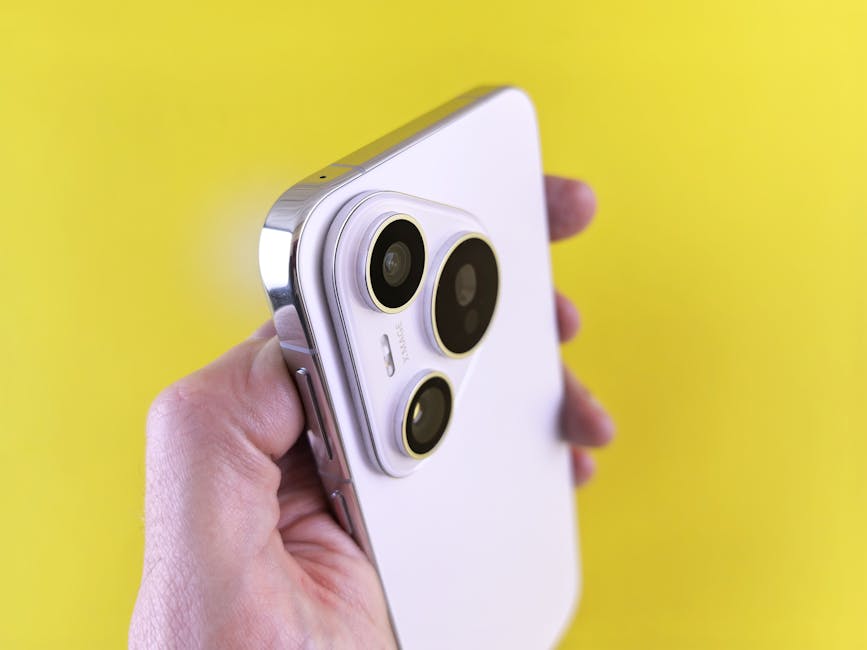
Samsung Galaxy M14 5G (6GB RAM, 128GB Storage)
- Exynos 1330 Octa Core Processor
- Massive 6000mAh Battery
- 50MP Triple Camera Setup
₹13,990
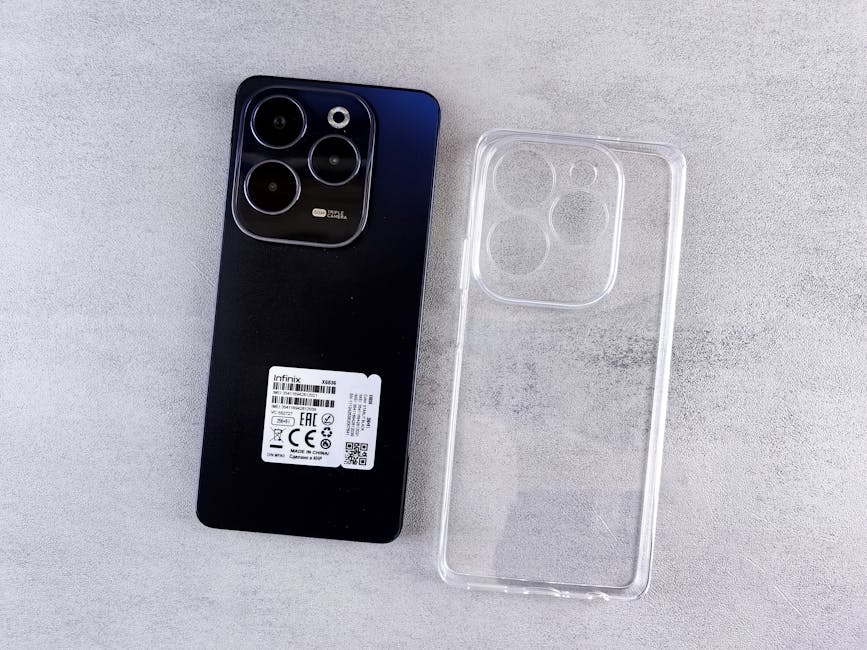
POCO M6 Pro 5G (6GB RAM, 128GB Storage)
- Snapdragon 4 Gen 2 Processor
- 50MP AI Dual Camera
- 90Hz FHD+ Display
₹11,999
Welcome to BudgetTech India, your trusted guide to smart tech purchases! As we navigate through 2026, the tech landscape has evolved dramatically, especially in the budget segment. 5G connectivity is no longer a premium feature; it’s a standard expectation, even for phones priced under Rs 15,000. If you’re looking for the best 5G phone under 15000 India, you’re in luck. The market is brimming with fantastic options that offer a compelling blend of performance, features, and future-readiness without burning a hole in your pocket.
Gone are the days when a sub-Rs 15,000 phone meant significant compromises. Today, manufacturers have perfected the art of delivering robust experiences, making 5G accessible to millions across India. From blazing-fast internet speeds for streaming and gaming to improved camera capabilities and long-lasting batteries, these affordable 5G devices are designed to keep pace with your digital life. But with so many choices, how do you pick the right one? That’s exactly what we’re here to help you with. Our comprehensive guide will break down the essential factors, highlight top contenders, and provide an honest assessment to ensure you make the most informed decision.
Quick Summary: Your 2026 Guide to Budget 5G Phones
- 5G is Standard: Expect robust SA/NSA 5G support and multiple bands across all recommended devices under Rs 15,000.
- Processor Matters: Look for Dimensity 6000/7000 series or Snapdragon 6 Gen X chipsets for smooth daily performance and light gaming.
- Display & Battery are Key: FHD+ AMOLED displays with 90Hz/120Hz refresh rates are common, paired with 5000mAh+ batteries and 33W+ fast charging.
- Camera Expectations: While not flagships, you can expect capable 50MP or 64MP main sensors that perform well in good lighting, with decent software processing.
- Software Updates: Prioritise brands offering at least 2 years of major Android updates and 3 years of security patches for future-proofing.
Understanding the 2026 Landscape for Budget 5G Phones
The year 2026 marks a significant milestone for 5G in India. With major telecom operators like Jio and Airtel having extensively rolled out their 5G networks across urban and semi-urban areas, and even reaching into some rural pockets, the demand for affordable 5G-enabled devices has skyrocketed. This widespread availability has pushed smartphone manufacturers to innovate, bringing advanced features down to the budget segment at an unprecedented pace.
In 2026, when we talk about a 5G phone under Rs 15,000, we’re not just talking about a device that can connect to 5G. We’re looking at a complete package. These phones are expected to offer a compelling user experience, incorporating technologies that were once exclusive to mid-range or even premium segments. For instance, high-refresh-rate displays (90Hz or even 120Hz) are now a staple, providing smoother scrolling and gaming. AMOLED panels, known for their vibrant colours and deep blacks, are also becoming increasingly common, enhancing the visual experience significantly.
Performance-wise, the chipsets from MediaTek (Dimensity 6000 and 7000 series equivalents) and Qualcomm (Snapdragon 6 Gen X series) have matured considerably. They offer efficient 5G modems, capable CPUs for daily multitasking, and GPUs that can handle popular mobile games at moderate settings. RAM configurations of 6GB or 8GB are standard, ensuring smooth app switching, while 128GB or 256GB of UFS storage provides ample space for apps, photos, and videos, alongside faster read/write speeds.
Battery life remains a top priority for Indian consumers, and budget 5G phones in 2026 deliver. Most devices come equipped with 5000mAh or larger batteries, easily lasting a full day of moderate to heavy 5G usage. Fast charging technologies, often ranging from 33W to 67W, ensure that you spend less time tethered to a wall socket.
Camera systems, while not competing with flagships, have seen substantial improvements, particularly in the main sensor. Many phones now feature 50MP or 64MP primary cameras with advanced computational photography, leading to decent photos in well-lit conditions. Software experience has also become a battleground, with brands offering cleaner UIs and committing to longer software update cycles, a crucial factor for longevity and security.
The competition is fierce, which is excellent news for consumers. Brands like Xiaomi (Redmi, POCO), Realme, Samsung, iQOO, and Motorola are constantly pushing boundaries, vying for the top spot in this lucrative segment. This intense competition ensures that the best 5G phone under 15000 India in 2026 is truly a value-for-money proposition, offering a robust and future-ready smartphone experience.
Key Factors to Consider When Buying a 5G Phone Under Rs 15,000
Choosing the ideal 5G phone in the sub-Rs 15,000 bracket requires a careful evaluation of several crucial factors. While the price point restricts access to certain premium features, smart buyers can still find devices that excel in areas important to them. Here’s what you should focus on:
1. 5G Connectivity and Bands
This is the primary reason you’re looking at these phones. Ensure the device supports both SA (Standalone) and NSA (Non-Standalone) 5G, as both are deployed in India. More importantly, check the number of 5G bands supported. A higher number of bands (n1, n3, n5, n8, n28, n40, n41, n77, n78 are common in India) ensures better future-proofing and wider network compatibility, regardless of which operator you choose or where you travel within India. A phone with limited 5G band support might struggle to connect in certain areas.
2. Processor and Performance
The heart of any smartphone is its processor. For a budget 5G phone in 2026, look for chipsets from MediaTek’s Dimensity 6000 or 7000 series (e.g., Dimensity 6080, 6100+, 7020 or their 2026 equivalents) or Qualcomm’s Snapdragon 6 Gen X series (e.g., Snapdragon 6 Gen 1 or a newer iteration). These processors are designed for efficiency and provide ample power for:
- Smooth daily multitasking (browsing, social media, messaging).
- Light to moderate gaming (popular titles like BGMI, Free Fire, Asphalt 9 will run well on medium settings).
- Efficient 5G connectivity and power management.
Avoid older or significantly less powerful chipsets, as they might lead to a sluggish experience, especially with Android 16 and future apps.
3. Display Quality
The display is your primary interface with the phone. In 2026, you can realistically expect:
- FHD+ Resolution: Essential for crisp text and sharp visuals.
- High Refresh Rate: 90Hz or 120Hz refresh rates are common, offering a significantly smoother scrolling and viewing experience compared to standard 60Hz.
- Panel Type: While IPS LCD is still prevalent and good, AMOLED displays are increasingly finding their way into this segment. AMOLED offers superior contrast, deeper blacks, and more vibrant colours, enhancing media consumption.
- Brightness: Look for peak brightness levels of at least 500-600 nits for comfortable outdoor visibility.
4. Camera System
Camera performance is often where budget phones make compromises, but significant advancements have occurred.
- Main Sensor: A 50MP or 64MP primary sensor is standard. Don’t get fixated on megapixels alone; sensor size and software optimisation play a bigger role. Look for features like PDAF (Phase Detection AutoFocus) for quicker focusing.
- OIS (Optical Image Stabilisation): While rare at this price point, some ambitious models might offer it on the main camera, significantly improving low-light and video stability. If available, it’s a huge plus.
- Secondary Lenses: An ultrawide lens (8MP) can be useful, but often the macro and depth sensors are low-resolution and more for marketing. Focus on the main sensor’s capabilities.
- Selfie Camera: 8MP or 16MP front cameras are common. Look for decent dynamic range and detail for video calls and selfies.
Always check real-world camera samples from trusted tech reviewers like Gadgets360 or NDTV Gadgets.
5. Battery Life and Charging Speed
For Indian users, an all-day battery is non-negotiable.
- Battery Capacity: A 5000mAh battery is the minimum to aim for, with 5500mAh or 6000mAh being even better for heavy users.
- Fast Charging: Charging speeds range from 33W to 67W in this segment. Faster charging means less downtime. A 33W charger can typically get you from 0-50% in about 30 minutes, which is very convenient.
6. Software Experience and Updates
The software experience can make or break a phone.
- Android Version: In 2026, phones should ideally launch with Android 16.
- UI: Brands like Xiaomi (MIUI/HyperOS), Realme (Realme UI), Samsung (One UI Core), and Motorola (My UX) offer different interfaces. Some are feature-rich but might have bloatware, while others are closer to stock Android.
- Update Policy: This is crucial for longevity and security. Aim for phones that promise at least 2 major Android version updates and 3 years of security patches. Samsung and Motorola often have good track records here, even in the budget segment.
7. RAM and Storage
- RAM: 6GB RAM is a good baseline for smooth multitasking. 8GB RAM provides even more headroom, especially if you keep many apps open or engage in light gaming.
- Storage: 128GB internal storage is the minimum recommended for an Android phone in 2026. If you capture a lot of photos and videos or download many apps, 256GB is preferable.
- Storage Type: UFS (Universal Flash Storage) is faster than eMMC, leading to quicker app loading and file transfers. Most 2026 budget phones should feature UFS 2.2 or higher.
- Expandable Storage: A dedicated microSD card slot or a hybrid slot is always a welcome addition for expanding storage.
8. Build Quality and Design
While premium materials like glass and metal are rare, budget phones can still offer good build quality.
- Materials: Expect a polycarbonate (plastic) back and frame, which is durable and lightweight. Some might feature a glass-like finish.
- Durability: Look for basic splash resistance (IP52 rating is common) and Gorilla Glass protection on the display for scratch resistance.
- Fingerprint Sensor: Side-mounted sensors integrated into the power button are common and reliable. In-display sensors might appear on some AMOLED-equipped models.
Considering these factors will help you narrow down your choices and find a 5G phone under Rs 15,000 that perfectly aligns with your needs and budget in 2026.
Our Top Picks: The Best 5G Phones Under Rs 15,000 in India (2026 Edition)
After extensive research and considering the evolving market trends for 2026, BudgetTech India has curated a list of the top contenders that truly stand out as the best 5G phone under 15000 India. These devices offer a balanced package of features, performance, and future-readiness.
1. Redmi Note 16 Pro 5G
The Redmi Note series has consistently dominated the budget and mid-range segments in India, and the Note 16 Pro 5G continues that legacy in 2026. It’s designed for users who prioritise raw performance and a vibrant display.
- Key Specs: Powered by a MediaTek Dimensity 7050 (or 2026 equivalent) chipset, 6.7-inch FHD+ 120Hz AMOLED display, 64MP OIS primary camera, 5000mAh battery with 67W fast charging.
- Strengths: Exceptional performance for its price, stunning AMOLED display, incredibly fast charging, reliable main camera with OIS. Xiaomi’s HyperOS offers a feature-rich experience.
- Weaknesses: Some users might find HyperOS a bit heavy with occasional bloatware, and the secondary cameras are often average.
- Target User: Gamers, multimedia enthusiasts, and users who demand snappy performance and quick charging without spending a fortune.
2. Realme Narzo 70 Pro 5G
Realme’s Narzo line is known for its aggressive pricing and focus on youth-centric features, and the Narzo 70 Pro 5G for 2026 is no exception. It balances design, performance, and a solid user experience.
- Key Specs: Features a Snapdragon 6 Gen 2 (or 2026 equivalent) processor, 6.6-inch FHD+ 120Hz IPS LCD display, 50MP primary camera, 5200mAh battery with 45W fast charging.
- Strengths: Smooth and optimised performance, clean Realme UI, good battery life with decent fast charging, attractive design. The IPS LCD is of high quality with good colour accuracy.
- Weaknesses: The IPS LCD, while good, doesn’t quite match the vibrancy of an AMOLED, and the camera performance is generally good but not outstanding in challenging light.
- Target User: Users looking for a stable, reliable daily driver with a clean software experience, good battery, and a stylish design.
3. Samsung Galaxy F27 5G
Samsung’s F-series often focuses on battery life and display quality, coupled with the brand’s trusted software experience. The Galaxy F27 5G is a strong contender for those who value brand reliability and software longevity.
- Key Specs: Equipped with an Exynos 1480 (or 2026 equivalent) chipset, 6.5-inch FHD+ 90Hz Super AMOLED display, 50MP primary camera, massive 6000mAh battery with 25W charging.
- Strengths: Excellent Super AMOLED display, industry-leading software update policy (often 2-3 major Android updates and 4 years of security patches), exceptional battery life, trusted Samsung brand value.
- Weaknesses: Charging speed is slower compared to Chinese competitors, and the Exynos processor, while capable, might not always match the raw gaming prowess of a Dimensity or Snapdragon chip in this segment.
- Target User: Samsung loyalists, users who prioritise long-term software support, exceptional battery life, and a great display for media consumption.
4. iQOO Z8 5G
iQOO, a sub-brand of Vivo, is known for bringing performance-oriented devices to competitive price points. The iQOO Z8 5G in 2026 is geared towards users who want a gaming-centric experience without breaking the bank.
- Key Specs: Features a MediaTek Dimensity 7200 (or 2026 equivalent) chipset, 6.67-inch FHD+ 120Hz IPS LCD display, 64MP primary camera, 5000mAh battery with 80W fast charging.
- Strengths: Powerful processor for gaming, incredibly fast 80W charging, good cooling system for sustained performance, decent main camera.
- Weaknesses: The Funtouch OS might have more pre-installed apps than some prefer, and the design can be a bit generic.
- Target User: Mobile gamers, performance enthusiasts, and anyone who needs their phone charged up in a flash.
5. POCO M7 Pro 5G
POCO has always been about offering maximum power for the price, and the M7 Pro 5G embodies that philosophy for 2026, appealing to users who want a no-frills, high-performance budget device.
- Key Specs: Powered by a Snapdragon 6 Gen 3 (or 2026 equivalent) chipset, 6.7-inch FHD+ 120Hz IPS LCD display, 50MP primary camera, 5000mAh battery with 33W fast charging.
- Strengths: Aggressive pricing for a powerful Snapdragon chip, large display, reliable battery life, and a clean software experience with POCO Launcher.
- Weaknesses: Camera performance is generally acceptable but not a highlight, and the build quality is entirely plastic.
- Target User: Budget-conscious users who want the best possible performance for gaming and multitasking at the lowest price point, willing to compromise slightly on camera and premium feel.
These options represent the diverse offerings available when searching for the best 5G phone under 15000 India in 2026, catering to different priorities whether it’s display, performance, battery, or software.
Detailed Comparison: A Closer Look at the Contenders
To help you make an even more informed decision, here’s a detailed comparison table of our top three picks, highlighting their core specifications and key differences. This side-by-side view will make it easier to weigh the pros and cons of each device and decide which one aligns best with your individual needs and preferences in 2026.
| Feature | Redmi Note 16 Pro 5G | Realme Narzo 70 Pro 5G | Samsung Galaxy F27 5G |
|---|---|---|---|
| Processor | MediaTek Dimensity 7050 (or 2026 equivalent) | Snapdragon 6 Gen 2 (or 2026 equivalent) | Exynos 1480 (or 2026 equivalent) |
| Display | 6.7″ FHD+ 120Hz AMOLED | 6.6″ FHD+ 120Hz IPS LCD | 6.5″ FHD+ 90Hz Super AMOLED |
| Main Camera | 64MP OIS Primary | 50MP Primary | 50MP Primary |
| Battery | 5000mAh | 5200mAh | 6000mAh |
| Charging Speed | 67W Fast Charging | 45W Fast Charging | 25W Fast Charging |
| RAM/Storage (Base) | 6GB RAM / 128GB Storage | 6GB RAM / 128GB Storage | 6GB RAM / 128GB Storage |
| Approx. Price (2026) | Rs 14,999 | Rs 14,499 | Rs 14,799 |
| Key Highlight | Performance & Ultra-fast Charging | Balanced Performance & Clean UI | Battery Life & Software Updates |
This comparison should provide a clear picture of what each of these top contenders brings to the table, helping you align their strengths with your personal preferences for the best 5G phone under 15000 India.
Pros & Cons of Buying a 5G Phone Under Rs 15,000
While the budget 5G segment in 2026 offers incredible value, it’s important to have realistic expectations. Here’s a balanced view of the advantages and disadvantages:
Pros:
- Affordable 5G Connectivity: The most obvious benefit. You get access to India’s rapidly expanding 5G networks without spending a premium, ensuring faster downloads, smoother streaming, and lower latency for gaming.
- Improved Performance: Modern budget chipsets (Dimensity 6000/7000 series, Snapdragon 6 Gen X) offer significantly better CPU and GPU performance, making daily tasks and light gaming very smooth.
- Enhanced Displays: High refresh rate (90Hz/120Hz) FHD+ displays are standard, with AMOLED panels becoming increasingly common, providing a much smoother and more vibrant visual experience.
- Long Battery Life & Fast Charging: 5000mAh+ batteries are prevalent, often paired with 33W to 67W fast charging, ensuring you stay powered throughout the day with quick top-ups.
- Decent Cameras: While not flagship-level, 50MP or 64MP main sensors with improved software processing (and sometimes OIS) deliver good results in well-lit conditions, suitable for social media and casual photography.
- Future-Proofing: With 5G, the latest Android versions, and decent update policies from some brands, these phones are designed to remain relevant for several years.
- Value for Money: The sheer number of features packed into these devices for under Rs 15,000 makes them excellent value propositions.
Cons:
- Camera Limitations: While the main sensor is often good, secondary cameras (ultrawide, macro, depth) are typically average or even gimmicky. Low-light photography remains a challenge compared to higher-end phones.
- Build Materials: Most phones in this segment use polycarbonate (plastic) for the back and frame. While durable, they lack the premium feel of glass or metal.
- Software Bloatware: Many budget phones, especially from Chinese brands, come with pre-installed apps (bloatware) that can be annoying, though some can be uninstalled.
- Slower Updates: While update policies have improved, budget phones generally receive fewer major Android updates and often get them later than their premium counterparts.
- No Flagship Features: Don’t expect features like IP68 water/dust resistance, wireless charging, or advanced haptics. These are typically reserved for higher price segments.
- Gaming Performance: While capable of running most games, heavy graphics-intensive titles might require lower settings for optimal frame rates.
- Speaker Quality: Stereo speakers are becoming more common, but the audio quality might not be as rich or loud as in more expensive devices.
Understanding these trade-offs will help you manage your expectations and appreciate the strengths of your chosen 5G phone under Rs 15,000.
Maximising Your Budget: Tips for Smart Buying
Even when aiming for the best 5G phone under 15000 India, there are smart strategies you can employ to get even more value for your money. The Indian market is highly competitive, and manufacturers, along with e-commerce platforms, frequently offer deals that can save you a significant amount.
- Time Your Purchase with Sales Events: India has several major festive sales throughout the year. The Amazon Great Indian Festival, Flipkart Big Billion Days, Diwali sales, and Republic Day sales are prime opportunities to snag a discount. Brands often launch new models or offer significant price cuts on existing ones during these periods. Keep an eye on announcements from Amazon.in and Flipkart.
- Utilise Bank Offers and EMI Options: Most major e-commerce platforms partner with banks to offer instant discounts or cashback on credit/debit card purchases. These offers can range from 5% to 10% off, which can translate to a saving of Rs 750 to Rs 1500 on a Rs 15,000 phone. Additionally, no-cost EMI options can make your purchase more manageable without incurring extra interest.
- Exchange Your Old Device: If you have an old smartphone, consider trading it in. E-commerce platforms and retail stores offer exchange bonuses that can significantly reduce the effective price of your new 5G phone. Ensure your old device is in good condition to get the best exchange value.
- Compare Prices Across Platforms: Prices can vary slightly between Amazon.in and Flipkart, and sometimes even brand-specific websites. Always compare prices before making a final decision. Use price comparison websites or browser extensions to track prices over time.
- Prioritise Features That Matter Most to You: Don’t get swayed by every feature. If camera quality is paramount, focus on phones with OIS and good image processing. If you’re a heavy gamer, prioritise a powerful chipset. If battery life is your main concern, look for 6000mAh+ options. By identifying your top 2-3 priorities, you can avoid overspending on features you won’t use.
- Read Reputable Reviews: Before making a purchase, always consult reviews from trusted Indian tech publications. Sources like Gadgets360 and NDTV Gadgets provide in-depth analysis, real-world usage scenarios, and camera samples that can give you a clear picture of a phone’s performance and drawbacks. Their insights are invaluable for understanding how a device performs in the Indian context.
- Consider Refurbished (with Caution): While buying new is generally recommended, certified refurbished phones from reputable sellers can offer great value. However, exercise caution, ensure they come with a warranty, and thoroughly check the device upon arrival. This option is typically for more tech-savvy buyers.
By applying these smart buying tips, you can ensure that you not only find the best 5G phone under 15000 India but also get the absolute best deal possible in 2026.
Frequently Asked Questions (FAQ)
Is Rs 15,000 enough for a good 5G phone in India in 2026?
Absolutely! In 2026, Rs 15,000 is a very healthy budget for a 5G phone in India. You can expect devices with robust 5G connectivity, powerful processors for smooth daily use and light gaming, high-refresh-rate FHD+ displays (often AMOLED), excellent battery life with fast charging, and capable main cameras. The market competition ensures that you get incredible value for your money, making it a sweet spot for budget-conscious buyers.
What camera quality can I expect from a 5G phone under Rs 15,000?
You can expect good to very good camera quality, especially from the primary sensor (typically 50MP or 64MP) in well-lit conditions. Many devices in 2026 even feature Optical Image Stabilisation (OIS) on the main camera, which significantly improves photo and video stability. However, don’t expect flagship-level performance in challenging low-light scenarios, and secondary cameras (ultrawide, macro) might be average. For social media and casual photography, these phones are more than sufficient.
Will these budget 5G phones be future-proof for the next 2-3 years?
Yes, largely. With 5G support, these phones are future-proof in terms of network connectivity. Most come with the latest Android version (Android 16 in 2026) and many brands are now committing to at least 2 major Android updates and 3 years of security patches, which is excellent for longevity. The processors are also capable enough to handle evolving app demands for the next 2-3 years. While they won’t have cutting-edge features of flagships, they will remain highly functional and relevant.
Can I play heavy graphics games like BGMI or Genshin Impact on these phones?
You can definitely play popular heavy graphics games like BGMI, Free Fire, and Call of Duty Mobile smoothly on most 5G phones under Rs 15,000 in 2026. For extremely demanding titles like Genshin Impact, you might need to play on medium or even low graphics settings to get consistent frame rates. Processors like the Dimensity 7050 or Snapdragon 6 Gen 2 (and their 2026 equivalents) are quite capable, but they are not designed for ultra-high-end gaming. For casual to moderate gaming, they perform very well.
Which brand offers the best software experience in this price segment?
The “best” software experience is subjective, but some brands stand out. Samsung, with its One UI Core, offers a clean interface and an industry-leading commitment to software updates, even in the budget segment. Motorola’s My UX is very close to stock Android, providing a bloatware-free and fluid experience. Realme UI and Xiaomi’s HyperOS (formerly MIUI) are feature-rich and highly customisable, though they might come with some pre-installed apps. Your preference will depend on whether you value a clean, stock-like experience or one packed with features.
Our Verdict

After diving deep into the 2026 landscape of budget 5G smartphones in India, evaluating key factors, and dissecting the top contenders, BudgetTech India is confident in guiding your decision. The sub-Rs 15,000 segment has truly matured, offering incredible value and robust performance across the board.
For those seeking the absolute best 5G phone under 15000 India that offers a phenomenal balance of performance, a stunning display, and lightning-fast charging, our top recommendation goes to the Redmi Note 16 Pro 5G. Its powerful Dimensity chipset, vibrant 120Hz AMOLED screen, and class-leading 67W fast charging make it an unbeatable package for power users and multimedia enthusiasts. It truly pushes the boundaries of what’s possible at this price point.
However, if your priority leans towards long-term software support, exceptional battery life, and the peace of mind that comes with a trusted brand, the Samsung Galaxy F27 5G is an outstanding choice. Its massive 6000mAh battery and Samsung’s reliable update policy make it a pragmatic option for those who want their phone to last and perform consistently over several years.
Ultimately, the best phone is one that fits your specific needs. Whether you prioritise gaming, photography, battery life, or software experience, 2026 offers a fantastic array of 5G phones under Rs 15,000. Do your research, consider our detailed breakdown, and you’ll undoubtedly find a device that perfectly serves your digital life. Happy buying!
Want more? Browse our best budget smartphone deals section.
About the Author