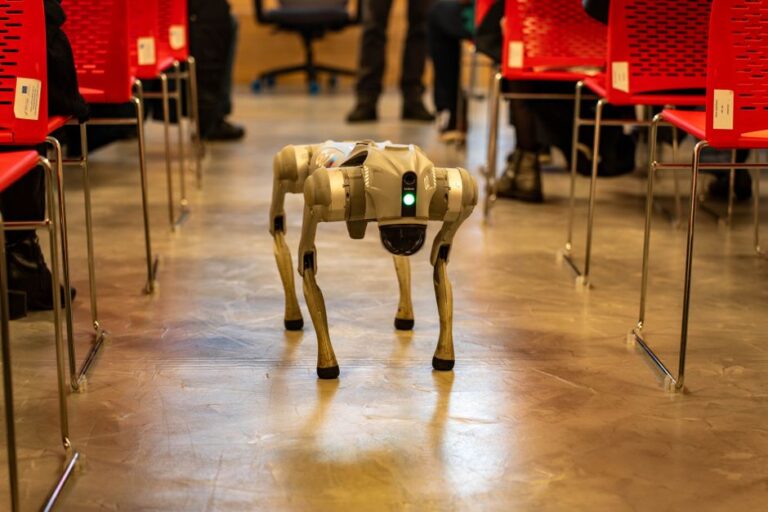
In the rapidly evolving digital landscape of 2026, the discussion around Artificial Intelligence (AI) has shifted dramatically. Once a topic reserved for large corporations and futuristic sci-fi, AI is now becoming an indispensable asset for businesses of all sizes, particularly in a dynamic market like India. For many small and medium-sized enterprises (SMEs), the question is no longer whether to adopt AI, but how to effectively integrate AI for small business India to drive growth, efficiency, and customer satisfaction.
BudgetTech India has consistently advocated for leveraging technology to empower local businesses. We understand that Indian SMEs operate under unique constraints and opportunities, from diverse customer bases to varying levels of digital literacy. This comprehensive guide will demystify AI, showcasing practical, affordable, and impactful ways AI can revolutionize your small business operations right here in India. Get ready to explore how AI can level the playing field, making your business more competitive and future-ready.
Quick Summary: AI for Indian Small Businesses in 2026
- Democratizing Technology: AI is no longer exclusive to large enterprises; affordable, accessible tools are now empowering Indian SMEs.
- Driving Core Benefits: Expect significant improvements in efficiency, cost reduction, enhanced customer experiences, and data-driven decision-making.
- Practical Applications: AI can be integrated across customer service (chatbots), marketing (content generation, personalization), operations (automation), and finance (forecasting).
- Strategic Implementation: Start small, identify specific pain points, prepare your data, and invest in basic training for your team to ensure successful adoption.
- Future-Proofing Your Business: Embracing AI now provides a crucial competitive edge, helping Indian SMEs navigate market complexities and scale sustainably.
Why AI is No Longer a Luxury for Indian SMEs
Top Picks: AI for small business India

Zoho CRM
- AI-powered sales forecasting
- Automated lead scoring
- AI assistant for task automation
₹1,500/user/month (Standard plan)

Microsoft 365 Business Premium
- AI-powered threat protection (Microsoft Defender)
- AI features within Office apps (e.g., Editor, Designer)
- Cloud-based productivity suite
₹1,200/user/month

Google Workspace Business Standard
- AI features in Gmail and Docs (e.g., Smart Compose, Smart Reply)
- Cloud storage and collaboration tools
- AI-powered spam filtering
₹900/user/month

The perception that AI is an expensive, complex technology out of reach for small businesses is rapidly becoming outdated, especially in India. Several factors are converging to make AI not just accessible, but essential for the survival and growth of Indian SMEs by 2026.
Firstly, the sheer volume of readily available, cloud-based AI tools has exploded. You no longer need a team of data scientists to implement AI. Many platforms offer user-friendly interfaces, often with freemium models or affordable subscription plans, making the entry barrier significantly lower. Think of it like accessing advanced software without needing to buy expensive licenses or hardware – it’s all managed in the cloud, often on a pay-as-you-go basis.
Secondly, the competitive landscape in India is fiercer than ever. From local kirana stores competing with e-commerce giants to service providers battling for market share, every advantage counts. AI offers a powerful differentiator, allowing small businesses to operate with the efficiency and insight typically associated with much larger organizations. This means better customer understanding, streamlined operations, and more targeted marketing – all on a budget.
Thirdly, the digital literacy and infrastructure in India are improving at an astonishing pace. High-speed internet penetration is increasing, and a generation of tech-savvy entrepreneurs is emerging. This creates a fertile ground for AI adoption, as businesses and their employees are more open to embracing new technologies. As reported by TechCrunch, investments in AI startups in India have seen a significant uptick, signaling a robust ecosystem developing around AI solutions tailored for the local market.
Finally, the COVID-19 pandemic accelerated digital transformation for many businesses, forcing them to adapt quickly to online operations and remote work. AI tools proved invaluable during this period, helping businesses manage increased online interactions, automate tasks, and maintain continuity. The lessons learned have cemented AI’s role as a resilient and adaptive technology for navigating future uncertainties.
The Core Benefits of AI for Small Businesses in India
Adopting AI isn’t just about keeping up with trends; it’s about unlocking tangible benefits that directly impact your bottom line and operational efficiency. For the average Indian small business, these advantages can be transformative:
-
Enhanced Efficiency and Automation:
Imagine mundane, repetitive tasks being handled automatically. AI can automate data entry, schedule appointments, send follow-up emails, manage inventory, and even assist with basic customer inquiries. This frees up your valuable human capital to focus on more strategic, creative, and high-value activities that require human intuition and empathy. For a small team, this efficiency gain is monumental, allowing you to do more with less.
-
Significant Cost Reduction:
Automation directly translates to cost savings. By reducing the need for manual labor in repetitive tasks, minimizing errors, and optimizing resource allocation (e.g., inventory management), AI can significantly cut operational expenses. Think of AI-powered chatbots handling customer queries 24/7, reducing the need for a large customer service team, or AI tools optimizing your marketing spend for better ROI.
-
Superior Customer Experience (CX):
In a competitive market, customer satisfaction is paramount. AI can personalize customer interactions, provide instant support through chatbots, recommend relevant products or services based on past behavior, and even predict customer needs. This leads to happier customers, increased loyalty, and positive word-of-mouth – critical for small businesses. A well-implemented AI chatbot can answer common questions instantly, improving response times dramatically.
-
Data-Driven Decision Making:
Small businesses often rely on intuition or limited data for decisions. AI changes this by analyzing vast amounts of data – sales figures, customer feedback, market trends, website traffic – to provide actionable insights. This allows you to make informed decisions about product development, pricing strategies, marketing campaigns, and even expansion plans, reducing guesswork and maximizing success.
-
Gaining a Competitive Edge:
By leveraging AI, Indian SMEs can punch above their weight. You can offer services that your competitors can’t, personalize experiences in ways they haven’t, and operate with an agility that makes you stand out. This edge is crucial for attracting new customers and retaining existing ones in a crowded marketplace.
-
Scalability and Growth:
One of the biggest challenges for small businesses is scaling operations without exponentially increasing costs. AI tools are inherently scalable. Whether you have 10 customers or 10,000, an AI system can handle the increased workload without demanding proportional increases in human resources, allowing your business to grow seamlessly.
Practical AI Tools for Indian Small Businesses

The beauty of AI in 2026 is its versatility. There’s an AI tool for almost every aspect of your business. Here, we highlight key areas where AI can make an immediate impact, along with some examples relevant to the Indian context.
AI for Customer Service & Engagement
-
Chatbots & Virtual Assistants: These are probably the most visible AI tools. Chatbots can handle routine inquiries, guide customers through processes, collect feedback, and even process simple orders 24/7. This dramatically improves response times and frees up human agents for complex issues.
Example: A local e-commerce store in Bengaluru using a chatbot to answer FAQs about delivery times, product returns, and payment options, reducing call center volume.
-
AI-Powered CRM Systems: Tools like Zoho CRM with its AI assistant Zia can analyze customer data to predict churn, suggest upsell opportunities, and personalize communication. This helps businesses build stronger customer relationships.
Example: A financial advisory firm in Mumbai using Zia to identify clients likely to need specific investment advice, allowing their advisors to proactively reach out.
AI for Marketing & Sales
-
Content Generation & Optimization: AI writing assistants can help generate blog posts, social media captions, product descriptions, and email marketing copy. They can also optimize existing content for SEO, ensuring your message reaches the right audience.
Example: A digital marketing agency in Delhi using Simplified AI to quickly draft multiple ad variations for clients, testing which performs best on platforms like Facebook and Google Ads.
-
Personalized Recommendations: Similar to what Amazon.in does, AI can analyze customer browsing and purchase history to suggest products or services they are more likely to buy, increasing conversion rates.
Example: A fashion boutique in Chennai using AI to recommend outfits to customers based on their past purchases and browsing behavior on their online store.
-
Ad Optimization: AI can analyze campaign performance across various platforms, automatically adjusting bids, targeting, and ad placements to maximize ROI and minimize wasted ad spend.
Example: A small travel agency optimizing its holiday package ads using AI to target users showing interest in specific destinations during peak booking seasons.
AI for Operations & Management
-
Inventory Management & Demand Forecasting: AI can analyze sales data, seasonal trends, and even external factors like weather to predict future demand, helping businesses optimize inventory levels, reduce waste, and prevent stockouts.
Example: A food delivery service in Pune using AI to predict peak demand hours and popular dishes, allowing them to staff kitchens and delivery personnel more efficiently.
-
Task Automation: From scheduling meetings to processing invoices and managing project workflows, AI tools can automate many administrative tasks, freeing up employee time.
Example: A small manufacturing unit in Gujarat using AI to automate the generation of purchase orders and track raw material consumption.
-
Quality Control: In manufacturing or service delivery, AI-powered vision systems or analytics can monitor processes to identify defects or inefficiencies in real-time.
Example: A textile printing business using AI to detect flaws in fabric patterns before they go to the next stage of production, reducing rework.
AI for Finance & Accounting
-
Expense Tracking & Invoice Processing: AI can automatically categorize expenses, extract data from invoices, and reconcile accounts, significantly reducing manual effort and errors.
Example: A consulting firm in Hyderabad using an AI accounting assistant to process vendor invoices and track project-specific expenses automatically.
-
Fraud Detection: AI algorithms can identify unusual patterns in transactions that might indicate fraudulent activity, providing an early warning system for your business.
Example: A small online payment gateway integrating AI to monitor transactions for suspicious activities, protecting both the business and its customers.
Comparison of Popular AI Tools for Indian Small Businesses (2026)
Here’s a look at some popular AI-powered tools that Indian SMEs can consider, keeping in mind their typical needs and budget constraints. Prices are approximate as of 2026 and subject to change based on plans and exchange rates.
| Tool/Platform | Primary AI Function | Key Benefits for SMEs | Approx. Starting Price (INR/month) | Availability/Integration |
|---|---|---|---|---|
| Zoho Zia (part of Zoho One/CRM/Desk) | Predictive Sales, Customer Service AI, Data Analysis | Personalized customer interactions, sales forecasting, task automation, contextual insights. Excellent for businesses already in the Zoho ecosystem. | ₹1,800 – ₹3,500 (part of larger Zoho plans) | Cloud-based, integrates deeply with Zoho CRM, Zoho Desk, Zoho SalesIQ. Accessible via web browser. |
| Simplified AI | AI Content Writer, Graphic Design, Social Media Management | Generates marketing copy, blog posts, social media content, and designs. Streamlines content creation for businesses with limited marketing teams. | ₹1,500 – ₹4,000 (Free plan available with limited features) | Cloud-based web application. Integrates with various social media platforms. |
| Tidio Chatbots | Live Chat, AI Chatbot for Customer Support & Lead Generation | 24/7 customer support, automatic lead qualification, quick response times, personalized engagement. Easy to set up on websites. | ₹0 – ₹2,500 (Free plan available, paid tiers for advanced features) | Cloud-based, integrates with website builders (WordPress, Shopify, etc.), email, and other CRM tools. |
Implementing AI: A Step-by-Step Guide for Indian SMEs
Successfully integrating AI into your small business doesn’t require a massive overhaul. It’s about strategic, incremental steps. Here’s a practical roadmap:
-
Identify Your Pain Points and Opportunities:
Before diving into tools, understand where AI can have the most impact. Are your customer service inquiries overwhelming? Is your marketing budget yielding poor results? Are repetitive administrative tasks eating up too much time? Pinpointing specific challenges will help you choose the right AI solution.
-
Start Small with a Pilot Project:
Don’t try to implement AI everywhere at once. Choose one specific area, like automating customer FAQs with a chatbot or using an AI writing assistant for your blog. This allows you to learn, iterate, and demonstrate value without significant risk or investment.
-
Choose the Right Tools (and Vendors):
Research and select AI tools that are user-friendly, affordable, and specifically address your identified pain points. Look for platforms that offer good customer support (preferably India-based or with good regional support), clear pricing, and scalability. Many tools offer free trials, so take advantage of them.
-
Prepare Your Data:
AI thrives on data. Ensure your existing customer data, sales records, and operational information are clean, organized, and accessible. The better your data, the more effective your AI will be. This might involve consolidating spreadsheets or upgrading your existing CRM system.
-
Train Your Team:
AI is a tool, not a replacement for human employees. Educate your team on how AI will be used, how it benefits them (by automating mundane tasks), and how to interact with the new systems. Provide basic training on using the chosen AI tools to ensure smooth adoption and maximize their potential.
-
Monitor, Analyze, and Iterate:
Once implemented, continuously monitor the performance of your AI tools. Are they meeting their objectives? Are there areas for improvement? Use the insights gained to refine your AI strategy, expand its use, or switch to more suitable tools if necessary. This iterative approach ensures your AI investments continue to deliver value.
Challenges and Considerations for AI Adoption in India
While the benefits of AI are compelling, Indian SMEs must also be aware of potential hurdles. Understanding these challenges upfront can help you mitigate risks and plan for smoother implementation.
Pros of AI for Indian Small Businesses:
- Increased Efficiency: Automates repetitive tasks, freeing up human resources for strategic work.
- Cost Savings: Reduces operational expenses by optimizing processes and minimizing errors.
- Enhanced Customer Experience: Provides 24/7 support, personalized interactions, and quicker resolutions.
- Data-Driven Insights: Enables informed decision-making based on deep analysis of business data.
- Competitive Advantage: Helps smaller businesses compete effectively with larger players by leveraging advanced technology.
- Scalability: Allows businesses to grow without proportionally increasing human resource costs.
- Innovation: Opens doors to new business models and service offerings.
Cons of AI for Indian Small Businesses:
- Initial Investment & Cost: While many tools are affordable, some advanced solutions or extensive customizations can still represent a significant upfront cost for budget-conscious SMEs. Even subscription fees, when added up, can be a concern.
- Data Privacy & Security Concerns: Handling customer data with AI requires robust security measures and adherence to regulations. Indian businesses must ensure they comply with data protection norms and build customer trust.
- Skill Gap & Training: Employees may lack the skills to effectively use or manage AI tools. Investing in training is crucial but can be an additional expense and time commitment.
- Integration Complexity: Integrating new AI tools with existing legacy systems (like older accounting software) can sometimes be complex and require technical expertise.
- Over-reliance on AI: Blindly trusting AI without human oversight can lead to errors or missed nuances, especially in contexts requiring empathy, cultural understanding, or complex problem-solving.
- Data Quality Issues: “Garbage in, garbage out” applies to AI. If the data fed into AI systems is poor, biased, or incomplete, the AI’s outputs will be flawed.
- Vendor Lock-in: Choosing a specific AI platform might make it difficult and costly to switch to another vendor later, especially if significant customization has been done.
Addressing these challenges requires a thoughtful approach. Start with pilot projects, prioritize tools with strong security features, invest in basic training, and always maintain human oversight. As NDTV Gadgets has often highlighted, the key to successful tech adoption in India is finding solutions that are not only powerful but also practical and contextually relevant.
Real-World Success Stories (Imagined for 2026)
To illustrate the tangible impact of AI, let’s consider a few hypothetical but realistic scenarios of Indian small businesses leveraging these technologies:
Rudra’s Handicrafts (Jaipur): Rudra runs a small online store selling traditional Rajasthani handicrafts. Faced with fluctuating demand and difficulty managing inventory, he implemented an AI-powered inventory management system. This AI now analyzes sales data, festive seasons, and even social media trends to predict which products will sell best and when. Result? Reduced stockouts of popular items like Bandhani sarees, minimized overstocking of slow-moving goods, and a 15% increase in annual revenue due to optimized product availability. His marketing efforts are also boosted by an AI tool generating personalized email campaigns for repeat customers, recommending new arrivals based on their past purchases.
“The Flavor Palette” Cafe (Bengaluru): This popular cafe struggled with long queues during peak hours and inconsistent customer service. They deployed an AI chatbot on their website and WhatsApp Business account. The chatbot now handles reservations, answers FAQs about their menu and timings, and even takes basic orders for pickup. This freed up their staff to focus on in-cafe service, reducing wait times and improving customer satisfaction scores by 20%. The AI also analyzes customer feedback from online reviews to help the chef understand popular dishes and areas for improvement, leading to a more refined menu.
Shakti Tech Solutions (Pune): A small IT consultancy providing services to local businesses. Their biggest challenge was lead qualification and managing initial client inquiries. They integrated an AI assistant into their website that asks preliminary questions to potential clients, identifies their core needs, and routes them to the most appropriate consultant. This reduced the time spent on unqualified leads by 30% and improved their conversion rate for new clients by 10%. The AI also helps them track project progress and identify potential delays by analyzing team communication and task completion rates, ensuring projects stay on schedule and within budget.
FAQ: AI for Small Business India
How much does it cost to implement AI for a small business in India?
The cost of implementing AI for a small business in India can vary significantly. You can start with free or freemium versions of tools like Tidio Chatbots or Simplified AI, costing ₹0 to ₹1,000 per month for basic features. Mid-range solutions, often part of larger platforms like Zoho One with Zia, can range from ₹1,800 to ₹5,000 per user per month. Custom AI solutions or extensive integrations would run into lakhs of rupees for setup and maintenance. It’s best to start with affordable, cloud-based tools and scale up as your needs and budget grow, focusing on quick wins.
Do I need a technical background to use AI tools for my business?
Not necessarily. Most modern AI tools designed for small businesses are built with user-friendliness in mind, featuring intuitive interfaces and drag-and-drop functionalities. You don’t need to be a programmer or a data scientist to use them. However, a basic understanding of your business’s data and processes will help you configure and optimize these tools effectively. Many platforms also offer extensive tutorials and customer support to guide you.
What kind of data do I need to feed AI tools?
The type of data depends on the AI tool’s function. For customer service chatbots, you’ll need FAQs, product information, and common customer queries. For marketing AI, customer demographics, past purchase history, website analytics, and content performance data are useful. For operational AI, inventory levels, sales records, and supply chain data are key. The general rule is: the more relevant and accurate the data, the better the AI’s performance. Focus on having clean, organized data that directly relates to the problem you’re trying to solve with AI.
Will AI replace my employees in an Indian small business?
The goal of AI for small businesses in India is typically not to replace employees but to augment their capabilities. AI automates repetitive, mundane tasks, freeing up your team to focus on more complex, creative, and human-centric activities that require critical thinking, empathy, and strategic planning. It transforms roles rather than eliminating them, making your existing workforce more efficient and productive. Think of AI as a powerful assistant that handles the grunt work, allowing your employees to excel.
How can I ensure data privacy and security when using AI tools?
Data privacy and security are critical concerns. When choosing AI tools, prioritize vendors with strong security protocols, data encryption, and clear privacy policies. Ensure they comply with relevant data protection regulations (like India’s upcoming data protection laws). Use strong passwords, implement multi-factor authentication, and limit access to sensitive data to only necessary personnel. Regularly back up your data and educate your employees on best practices for data handling. For cloud-based tools, always check where their servers are located and how they handle data residency.
Our Verdict
The future for Indian small businesses is undeniably intertwined with Artificial Intelligence. In 2026, AI is no longer a futuristic concept but a practical, accessible, and often essential suite of tools for enhancing efficiency, cutting costs, and dramatically improving customer experiences. BudgetTech India strongly advocates for Indian SMEs to begin their AI journey without delay.
Start small, identify specific pain points, and leverage the abundance of user-friendly, cloud-based AI solutions available. Whether it’s streamlining customer support with a chatbot, optimizing marketing content with an AI writer, or gaining deeper insights into your sales data, the benefits far outweigh the initial learning curve. By embracing AI, Indian small businesses can not only survive but thrive, gaining a crucial competitive edge in an increasingly digital and dynamic marketplace. The time to integrate AI for small business India is now, ensuring your enterprise is robust, intelligent, and ready for the opportunities of tomorrow.
Want more? Browse our budget laptops and PCs section.
About the Author