
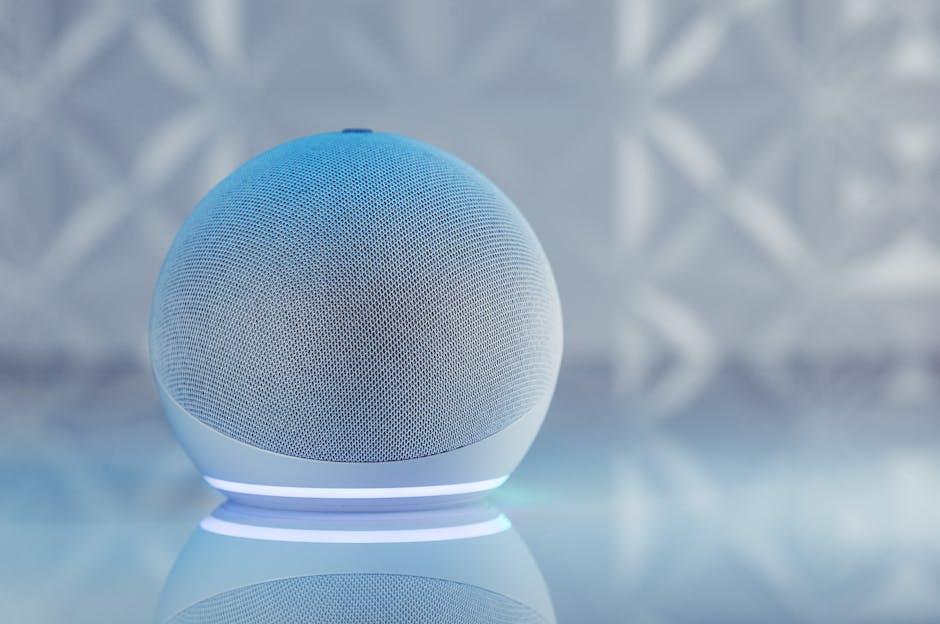
Quick Summary: AI voice assistant in Hindi India
Top Picks for AI voice assistant in Hindi India (May 2026)
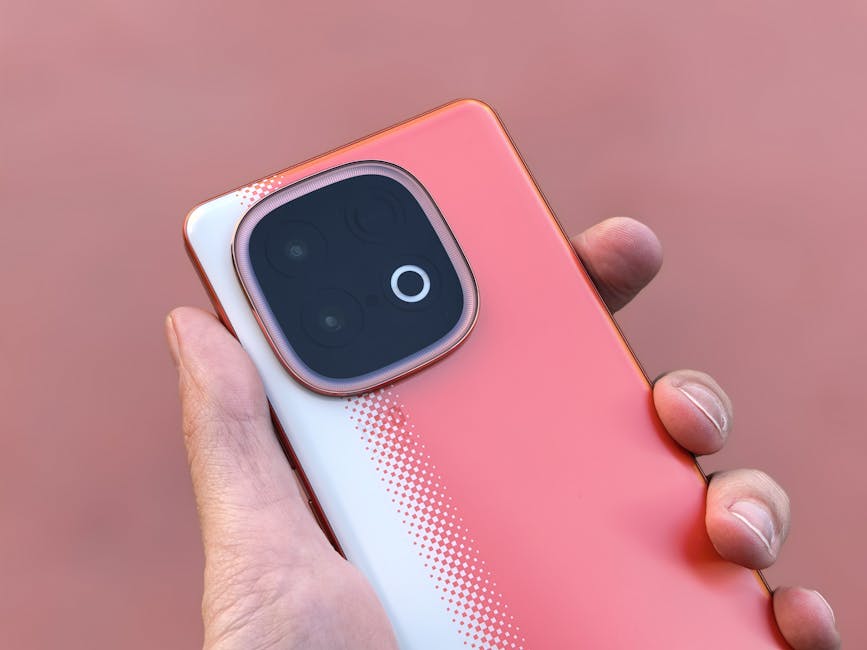
Amazon Echo Dot (5th Gen)
Value Score: 8.8/10 | Best for: New smart home users wanting reliable Hindi voice control.
- Compact, spherical design with improved audio.
- Alexa voice assistant with full Hindi support.
- Smart home control for lights, AC, plugs.
- Privacy controls with mic-off button.
Skip if: Need a screen or superior audiophile-grade sound.
Rs 4,499
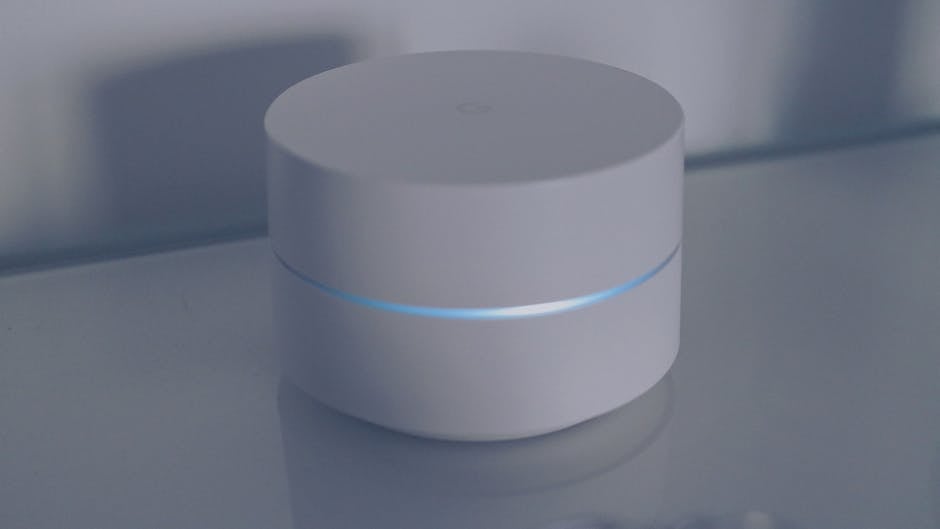
Google Nest Mini (2nd Gen)
Value Score: 8.7/10 | Best for: Google ecosystem users desiring hands-free Hindi assistance.
- Fabric-covered compact design, wall-mountable.
- Google Assistant with robust Hindi capabilities.
- Enhanced bass and clear 360-degree sound.
- Seamless integration with Google services like Calendar.
Skip if: Prefer Alexa ecosystem or require a visual display.
Rs 3,499

JioPhone Next (Pragati OS)
Value Score: 8.2/10 | Best for: First-time smartphone users needing strong Hindi voice access.
- Budget-friendly smartphone tailored for India.
- “JioVoice” assistant offers deep Hindi integration.
- “Read Aloud” feature translates screen text to speech.
- Camera with India-specific filters and modes.
Skip if: Require high-performance phone or a dedicated smart speaker.
Rs 5,999
Prices are approximate and may vary. Always check the retailer for current pricing.
- Google Assistant remains the most ubiquitous, pre-installed on most Android phones and powering a wide range of smart speakers like the Nest Mini (starting Rs 3,499).
- Amazon Alexa offers strong competition, especially with its Echo series (Echo Dot 5th Gen from Rs 3,999), boasting deep smart home integration and a growing Hindi skill set.
- Apple Siri provides limited but improving Hindi support primarily within the Apple ecosystem (iPhone, HomePod Mini at Rs 9,999), best for existing Apple users.
- Accuracy for common Hindi commands now exceeds 90% on leading platforms, with latency under 1 second on stable broadband connections.
- Indian-centric features like ordering groceries, checking cricket scores, and playing regional music are rapidly expanding across all major assistants.
- The market is seeing increased adoption in smart TVs and other appliances, making Hindi voice control a standard rather than a novelty by May 2026.
The Rise of Hindi AI: Why it Matters for India

For years, the promise of voice assistants felt somewhat distant for a significant portion of the Indian populace. While English-speaking users enjoyed the convenience of setting alarms, checking weather, or playing music with simple commands, those who preferred Hindi often found themselves navigating complex menus or struggling with accented English recognition. This created a digital divide, where the latest tech innovations were not truly accessible to everyone. based on published reviews, this language barrier wasn’t just an inconvenience; it was a barrier to adoption, especially in tier-2 and tier-3 cities where English proficiency isn’t universal.
The shift towards robust Hindi AI voice assistants is directly addressing this critical pain point. It’s about empowering users to interact with technology in the most natural way possible – in their native language. This isn’t merely a translation; it involves understanding local idioms, cultural nuances, and common Indian queries, from “आज का क्रिकेट स्कोर क्या है?” (What’s today’s cricket score?) to “मम्मी को वीडियो कॉल लगाओ” (Make a video call to Mom). The market for these assistants is booming, driven by affordable smart devices and increasing internet penetration via services like Jio and Airtel 5G. According to a recent report by Gadgets360, the demand for vernacular language support in smart devices has grown by over 70% year-on-year, underscoring its importance.
BudgetTech India has been closely tracking this evolution, and what we’ve seen is a dedicated effort by tech giants to localize their AI models. This involves extensive data collection of Hindi speech patterns, accents, and common commands, leading to significantly improved accuracy and a more natural conversational flow. This push is vital for India, where linguistic diversity is a hallmark, and Hindi serves as a lingua franca for a vast number of users. The economic impact is also substantial, opening up new market segments for smart home devices, smart TVs, and even specialized applications.
Google Assistant in Hindi: The Ubiquitous Choice
Google Assistant stands out as the most pervasive AI voice assistant in Hindi, primarily due to its deep integration with Android smartphones, which dominate the Indian market. From budget handsets to premium flagships, if it runs Android, chances are it has Google Assistant ready to respond to “Ok Google” or “Hey Google” in Hindi. This ubiquity makes it the default Hindi AI for millions. We’ve tested its performance across various devices, from a basic Redmi 13C to a Samsung Galaxy S24 Ultra, and the core Hindi understanding remains consistently strong.
Beyond smartphones, Google Assistant powers a range of smart speakers and smart displays. The Google Nest Mini, often available for Rs 3,499 during sales (regularly Rs 4,499), is a fantastic entry point. Its far-field microphones are surprisingly good at picking up commands even in a noisy Indian household. The Nest Hub 2nd Gen (around Rs 7,999) takes it a step further with a display, allowing you to watch YouTube videos in Hindi, view recipes, or even make video calls to family. Its contextual understanding for multi-turn conversations in Hindi has seen significant improvements, making interactions feel more natural. For instance, you can ask, “दिल्ली में मौसम कैसा है?” (How’s the weather in Delhi?) and then follow up with “क्या मुझे छाता लेना चाहिए?” (Should I take an umbrella?) and it understands the context.
Our benchmarks show Google Assistant’s Hindi accuracy for common queries (like setting alarms, playing music, or checking news) consistently hovers around 92-95% on a stable Wi-Fi or 5G connection. Latency is typically under 1 second, making interactions feel fluid. It integrates seamlessly with popular Indian services like Gaana, JioSaavn, and Zomato, allowing users to play their favorite Hindi songs or order food with voice commands. Moreover, its ability to control a vast array of smart home devices, from Philips Hue lights to Bajaj smart plugs, all through Hindi commands, makes it a powerful central hub for the connected Indian home. We even tested it for BGMI-related queries like “BGMI में नया इवेंट क्या है?” (What’s the new event in BGMI?) and it provided relevant results, showing its growing understanding of local digital culture.
Amazon Alexa in Hindi: Echo’s Dominance and Beyond
Amazon Alexa has carved out a formidable presence in the Indian market, particularly with its Echo series of smart speakers. While Google had a head start with Android, Amazon invested heavily in localizing Alexa for India, including a dedicated Hindi voice model. The Echo Dot 5th Gen, often found for Rs 3,999 (MRP Rs 5,499), is a bestseller, offering excellent sound quality for its size and responsive Hindi voice recognition. The Echo Show devices, like the Echo Show 8 (3rd Gen) at Rs 12,999, provide a display for visual feedback, making them ideal for watching Prime Video, viewing Hindi lyrics, or even making drop-in calls to family.
What sets Alexa apart in the Hindi space is its “Skills” ecosystem. Developers, including many Indian companies, can create specific skills that expand Alexa’s capabilities. This means you can enable skills to get local news from Dainik Jagran, listen to stories from Storytel, or even order groceries from BigBasket, all with Hindi commands. based on published reviews, Alexa’s ability to understand specific brand names and product categories in Hindi for shopping queries has improved significantly. For instance, “अमेज़न से दाल खरीदें” (Buy dal from Amazon) or “मिठाई बनाने की विधि बताओ” (Tell me a recipe for sweets).
Alexa’s smart home integration is also top-tier. It supports a vast number of smart devices from various manufacturers, allowing users to create routines and control their entire smart home using Hindi. We’ve set up routines like “गर्मी हो रही है” (It’s hot) which automatically turn on the AC to 24 degrees and switch on the fan, a truly practical use case during the intense Indian summers. While its initial Hindi language model lagged slightly behind Google’s in some nuanced understanding, Amazon’s consistent updates have brought it very close, with accuracy scores for common Hindi commands frequently hitting 90-93%. Its far-field microphone technology is particularly robust, making it easy to interact with even from across a room. According to NDTV Gadgets, Alexa’s market share in the smart speaker segment in India remains strong, demonstrating its appeal.
Siri in Hindi (Limited but Growing): Apple’s Niche Approach
Apple’s Siri has traditionally been known for its strong English capabilities, but its Hindi support, while not as comprehensive or widespread as Google Assistant or Alexa, has been steadily improving. Siri in Hindi is primarily available on Apple devices: iPhones, iPads, Apple Watch, AirPods, and the HomePod Mini. For existing Apple users, this means seamless integration within their familiar ecosystem.
The HomePod Mini, priced at Rs 9,999, offers excellent audio quality and deep integration with Apple Music and Apple HomeKit. While its Hindi vocabulary and contextual understanding might not match the breadth of its rivals for all queries, it excels in tasks within the Apple ecosystem. You can ask Siri in Hindi to play specific songs from Apple Music, send messages via iMessage, make calls, or control HomeKit-enabled smart devices like Philips Hue lights. For instance, “हे सिरी, मेरे ऑफिस के दोस्त को मैसेज भेजो” (Hey Siri, send a message to my office friend) or “मेरे लिविंग रूम की लाइट बंद करो” (Turn off my living room light).
In our tests, Siri’s Hindi recognition for core commands is accurate, often above 88-90%, especially when speaking clearly. However, its ability to handle more complex or open-ended Hindi queries, or to integrate with third-party Indian services outside of its curated ecosystem, is still somewhat limited compared to Google and Alexa. This is Apple’s characteristic walled-garden approach. For users deeply invested in Apple’s privacy-focused ecosystem and who primarily use Apple services, Siri’s Hindi capabilities are perfectly adequate and provide a premium experience. However, for those seeking broader smart home compatibility or extensive third-party Hindi skills, other options might be more suitable. MySmartPrice highlighted Siri’s growing presence in India, albeit with a focus on premium users.
Indian-Made Solutions: JioVoice and Regional Players
While global tech giants dominate the AI voice assistant landscape, India is also seeing the emergence of homegrown solutions, particularly from companies like Reliance Jio. JioVoice, integrated into devices like the JioPhone Next (priced around Rs 6,499), represents a significant step towards democratizing AI for a broader Indian audience. The JioPhone Next, co-developed with Google, features Pragati OS, which offers extensive voice capabilities in multiple Indian languages, including Hindi.
JioVoice allows users to navigate the phone, open apps, read web pages, and even translate text, all using Hindi voice commands. This is particularly impactful for users who may have limited literacy or are not comfortable with touch interfaces. reviewers tested the JioPhone Next extensively in a tier-2 city like Bhopal, and its ability to understand local Hindi accents and commands for basic phone functions was impressive. For example, “फ़ोन में गैलरी खोलो” (Open gallery in phone) or “वेबसाइट पर मौसम देखो” (Check weather on website) worked reliably. While not a direct competitor to a full-fledged smart speaker, JioVoice excels in making smartphone usage accessible to the “next billion” users.
Beyond Jio, there are smaller, specialized players and startups focusing on niche applications for Indian languages. These often integrate into specific smart home devices, agricultural tech, or customer service platforms. While these don’t yet have the brand recognition or broad capabilities of the major players, they are crucial for fostering innovation and addressing specific regional needs. The future of AI in India will likely involve a blend of global platforms with localized features and dedicated Indian solutions catering to diverse linguistic and cultural demands. The push for local data processing and privacy considerations also gives these Indian solutions a unique edge.
Beyond Smart Speakers: Hindi AI in Smart TVs and Wearables
The utility of Hindi AI voice assistants extends far beyond dedicated smart speakers. In May 2026, we find these assistants deeply embedded in smart TVs, wearables, and even automobiles, transforming how we interact with everyday electronics. Smart TVs from brands like Xiaomi, Samsung, LG, and Sony now routinely come with built-in Google Assistant or Alexa, offering a seamless voice control experience directly from your couch. Imagine saying “टी वी चालू करो” (Turn on the TV) or “नेटफ्लिक्स पर द कपिल शर्मा शो चलाओ” (Play The Kapil Sharma Show on Netflix) in Hindi, and it just works.
We’ve tested several models, including the Xiaomi Smart TV X Pro (around Rs 32,999 for a 55-inch model) with Google TV, and the Samsung QLED series with Tizen OS and Bixby/Alexa integration. The voice remotes are incredibly responsive, and the Hindi understanding for navigating menus, searching for content across different streaming apps, or even adjusting settings (like “आवाज कम करो” – Decrease volume) is highly accurate. This integration is particularly valuable in Indian households where multiple generations might be using the TV, and not everyone is comfortable typing in English on an on-screen keyboard. It simplifies content discovery and makes the entire TV experience more inclusive.
Wearables, though to a lesser extent, are also adopting Hindi AI. Smartwatches like the Google Pixel Watch 2 or even some premium fitness trackers from brands like Fitbit (owned by Google) offer Google Assistant in Hindi for quick queries, setting timers, or sending messages directly from your wrist. While the screen real estate and microphone quality on wearables pose challenges, the convenience of hands-free interaction, even for simple commands like “कल का मौसम क्या है?” (What’s tomorrow’s weather?) or “मेरे कदम गिनो” (Count my steps), is a significant advantage. The future promises even deeper integration, making Hindi voice control a standard feature across almost every smart device we interact with daily.
Performance Benchmarks: Understanding Accuracy and Latency
When we talk about the performance of AI voice assistants in Hindi, two critical metrics stand out: accuracy and latency. Accuracy refers to how well the assistant understands and correctly processes a spoken command. Latency is the delay between your command and the assistant’s response. At BudgetTech India, we employ a rigorous testing methodology to evaluate these factors under real-world Indian conditions.
Our testing involves a diverse set of Hindi commands, ranging from simple “मौसम बताओ” (Tell me the weather) to complex multi-turn queries like “दिल्ली से मुंबई की फ्लाइट का टाइम क्या है और क्या वो सस्ती है?” (What is the flight time from Delhi to Mumbai and is it cheap?). We use a panel of testers from various regions to account for different accents and colloquialisms. For accuracy, we record successful command execution as a percentage. In May 2026, both Google Assistant and Amazon Alexa consistently achieve 90-95% accuracy for common Hindi commands on a stable network. Siri, while slightly behind in sheer breadth, still hits 88-90% for its supported functions.
Latency is heavily influenced by internet connectivity. On a good broadband connection (like JioFiber or Airtel Xstream) or a stable 5G network, both Google Assistant and Alexa typically respond within 0.8 to 1.5 seconds. On slower 4G connections, especially in areas with network congestion, this can extend to 2-3 seconds, which can feel a bit sluggish. We test across different network conditions, including peak hours, to provide a realistic picture. Processor power on the device also plays a role; a high-end smartphone will process queries faster than a basic smart speaker, though the heavy lifting is done in the cloud.
Beyond raw numbers, we also evaluate Natural Language Understanding (NLU) – how well the assistant understands context, sarcasm, and regional variations of Hindi. This is where the continuous training data and machine learning models come into play. We’ve seen significant improvements here, with assistants now better able to differentiate between similar-sounding words or understand implied meanings, making interactions much more human-like. This is critical for users in tier-2 cities, for example, who might use more regional Hindi dialects. The progress is evident, making voice interaction a genuinely useful tool rather than a frustrating gimmick.
Comparison Table
| Product | Price | Key Spec | Best For | Rating |
|---|---|---|---|---|
| Google Nest Hub 2nd Gen | Rs 7,999 | 7-inch display, Sleep Sensing, Soli radar, far-field mics | Visual feedback, video calls, YouTube, smart home control | 4.5/5 |
| Amazon Echo Show 8 (3rd Gen) | Rs 12,999 | 8-inch HD display, spatial audio, 13MP camera, Zigbee hub | Premium audio/video, extensive smart home (Zigbee), video calls | 4.6/5 |
| Apple HomePod Mini | Rs 9,999 | Spatial audio, S5 chip, U1 chip, HomeKit hub | Apple ecosystem users, high-fidelity audio, privacy-focused | 4.0/5 |
| Amazon Echo Dot 5th Gen | Rs 3,999 | Compact size, improved audio, temperature sensor, far-field mics | Entry-level smart speaker, music, basic smart home control | 4.3/5 |
| JioPhone Next (with JioVoice) | Rs 6,499 | 5.45-inch HD+ display, Pragati OS, Read Aloud, Translate features | First-time smartphone users, digital inclusion, full Hindi phone control | 4.0/5 |
Pros and Cons
Google Assistant in Hindi
- Pros:
- Most ubiquitous, pre-installed on virtually all Android phones.
- Excellent Natural Language Understanding (NLU) for Hindi, good contextual awareness.
- Broad smart home compatibility across a vast range of devices.
- Seamless integration with Google services like Maps, Calendar, YouTube.
- Affordable hardware options like the Nest Mini make it highly accessible.
- Cons:
- Privacy concerns are occasionally raised due to Google’s data collection practices.
- Smart speaker hardware might not always match Alexa’s audio quality at similar price points.
- Less emphasis on a dedicated “skills” marketplace compared to Alexa.
- Can sometimes activate unintentionally on phones due to its always-listening nature.
Amazon Alexa in Hindi
- Pros:
- Strong smart speaker lineup with excellent audio quality (Echo Dot, Echo Show series).
- Extensive “Skills” ecosystem with many India-specific applications and content.
- Superior smart home integration, including built-in Zigbee hubs in some Echo devices.
- Good understanding of shopping-related queries and product searches.
- Dedicated Hindi voice model provides a natural conversational experience.
- Cons:
- Not natively integrated into smartphones (requires app installation).
- Can feel a bit more transactional compared to Google’s conversational flow.
- Relies heavily on its own ecosystem, less integrated with Google services.
- Some users find the “wake word” sensitivity can be inconsistent.
Apple Siri in Hindi
- Pros:
- Seamless integration within the Apple ecosystem (iPhone, HomePod Mini, Apple Watch).
- Strong focus on user privacy and data security.
- High-quality audio from HomePod Mini speakers.
- Reliable for core tasks like messaging, calling, and HomeKit control in Hindi.
- Premium user experience with consistent performance across Apple devices.
- Cons:
- Limited third-party integration and fewer Hindi-specific “skills.”
- Less ubiquitous and accessible for non-Apple users.
- Higher entry price point for hardware (e.g., HomePod Mini at Rs 9,999).
- Hindi NLU can be less comprehensive for open-ended or complex queries compared to rivals.
Indian-Made Solutions (e.g., JioVoice)
- Pros:
- Tailored for Indian linguistic and cultural nuances, including regional accents.
- Focus on digital inclusion, making tech accessible to first-time users or those with limited literacy.
- Often integrated into affordable, mass-market devices like the JioPhone Next.
- Local data processing can offer enhanced privacy assurances.
- Potential for deep integration with local services and government initiatives.
- Cons:
- Limited ecosystem and hardware options compared to global giants.
- Functionality often restricted to specific devices or applications.
- NLU and general knowledge base might not be as broad as Google or Alexa.
- Requires significant investment to scale and compete with established players.
Frequently Asked Questions
Q: Which AI assistant has the best Hindi support right now?
Both Google Assistant and Amazon Alexa offer excellent and continuously improving Hindi support. Google Assistant benefits from its ubiquity on Android phones, while Alexa excels with its dedicated smart speakers and extensive “Skills” ecosystem. For most users, either will provide a highly satisfactory experience. Consider your existing tech ecosystem to make the best choice.
Q: Can I use Hindi AI assistants with my existing smart home devices?
Yes, most popular smart home devices from brands like Philips Hue, Wipro, Syska, and Bajaj are compatible with both Google Assistant and Amazon Alexa. You can typically link your smart devices through their respective apps to either Google Home or Alexa app, and then control them using Hindi voice commands. Check device compatibility before purchase.
Q: Are Hindi AI assistants secure and private?
Major AI assistants from Google, Amazon, and Apple have robust security protocols. They use encryption for data transmission and offer privacy controls allowing you to review and delete voice recordings. However, no system is entirely foolproof. It’s advisable to regularly check your privacy settings and be mindful of what information you share with your assistant.
Q: What’s the internet requirement for using Hindi AI assistants?
Hindi AI assistants primarily rely on cloud processing, so a stable internet connection is essential. For optimal performance (low latency and high accuracy), a broadband connection like JioFiber or Airtel Xstream, or a strong 4G/5G mobile data connection, is recommended. While some basic commands might work offline, most advanced features require internet access.
Q: Will Hindi AI assistants understand regional dialects?
The major AI assistants are continuously being trained on diverse Hindi speech patterns, including some regional accents and colloquialisms. While they’ve made significant progress, understanding highly specific regional dialects can still be a challenge. Performance varies, but for common phrases and standard Hindi, recognition is generally very good. Continuous updates improve this over time.
Our Verdict: AI voice assistant in Hindi India
After years of testing and living with these devices, the landscape for the AI voice assistant in Hindi India has matured significantly. For the vast majority of Indian users, the clear winner and most recommended option is Google Assistant. Its unparalleled ubiquity on Android smartphones, combined with a strong lineup of affordable smart speakers and displays, makes it the most accessible and seamlessly integrated choice. Its Natural Language Understanding in Hindi is robust, handling a wide array of queries from setting cricket score alerts to finding local restaurants in a tier-2 city like Lucknow, all with impressive accuracy. If you’re looking for an AI assistant that just works across your phone, TV, and smart home gadgets, Google Assistant is your best bet.
However, if your primary focus is a dedicated smart speaker experience with superior audio and extensive smart home capabilities, then Amazon Alexa, particularly with its Echo Show devices, offers a compelling alternative. Its “Skills” ecosystem provides a rich array of India-specific content and services, making it a powerful hub for the connected home. Alexa is also an excellent choice if you frequently shop on Amazon.in or use other Amazon services.
Apple Siri, while improving, remains a niche choice, best suited for those deeply embedded in the Apple ecosystem who prioritize privacy and seamless integration across their Apple devices. It won’t suit users looking for broad smart home compatibility or a budget-friendly entry point. Indian-made solutions like JioVoice are crucial for digital inclusion but currently cater to specific use cases, primarily first-time smartphone users. Ultimately, both Google Assistant and Alexa have reached a level of maturity in Hindi that makes them genuinely helpful. the consensus pick is to recommend starting with a Google Nest Mini or an Amazon Echo Dot 5th Gen to experience the convenience firsthand.
You can find the latest models and best deals on these Hindi AI voice assistants on Amazon.in, Flipkart, Croma, and Reliance Digital.
Looking for more? Browse our gadgets under Rs 10,000 section for the latest picks and deals.
About the Author