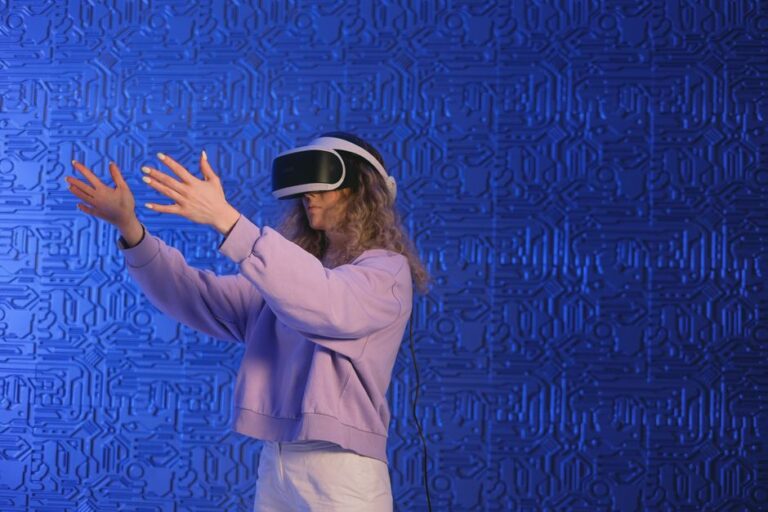

The year is 2025, and for the average Indian consumer, the once-futuristic concept of Artificial Intelligence isn’t just knocking on the door – it’s already helped you order your groceries, suggested your next binge-watch, and even nudged you towards a healthier lifestyle. AI is no longer a distant tech marvel; it’s an invisible, yet indispensable, force shaping our everyday experiences, often in ways we barely perceive.
AI in E-commerce: Beyond Just Buying

Remember those endless scrolls trying to find the perfect kurta for Diwali or the ideal gift for a cousin’s wedding? In 2025, AI has refined the online shopping experience to an art form. Your e-commerce app doesn’t just show you popular items; it anticipates your needs. Imagine an AI suggesting the perfect Kanjeevaram silk saree based on your past purchases, body type, and even upcoming family events pulled from your calendar data. Virtual try-ons for traditional attire, complete with realistic fabric drapes, are now commonplace, reducing returns and boosting confidence. NDTV Gadgets recently highlighted how this hyper-personalisation is driving up conversion rates for Indian e-tailers, making online shopping feel less like a search and more like a curated personal assistant.
Healthcare Reimagined: Access and Personalisation

From bustling metros to remote villages, AI is making significant inroads into healthcare accessibility and diagnostics. We’re seeing AI-powered diagnostic tools assisting rural health workers in screening for common ailments like tuberculosis or diabetic retinopathy, providing early detection where specialists are scarce. Urban dwellers benefit from AI-driven wellness apps offering tailored dietary advice that respects regional Indian culinary traditions and provides personalised exercise routines. These apps leverage biometric data and behavioural patterns to offer proactive health management. Gadgets360 has covered several startups deploying AI for affordable, early diagnostic solutions in Tier 2 and Tier 3 cities, truly democratising access to health insights.
Education & Skill Development: Learning Redefined

The traditional one-size-fits-all education model is steadily giving way to AI-powered adaptive learning platforms. Students preparing for competitive exams like JEE or NEET now engage with AI tutors that identify their specific weaknesses, provide customised practice modules, and even explain complex concepts in their preferred regional language. This isn’t just about rote learning; it’s about fostering deeper understanding. For the workforce, AI is also critical in upskilling. Platforms offer micro-credentials and certifications in emerging technologies, often guided by AI that assesses current skills and recommends career-aligned learning paths, ensuring India’s talent pool remains competitive in the global economy.
Entertainment & Content: Your Personal Curator
Gone are the days of generic “recommended for you” lists. Your streaming platform in 2025 is a hyper-intelligent curator, understanding not just your genre preferences but your mood, your preferred language dialect, and even the specific actors or directors you gravitate towards. It’s recommending a specific Marathi film with a similar thematic resonance to your recent watch, complete with AI-generated subtitles that capture local idioms and cultural nuances. AI is also assisting in content creation, from generating background music for short-form videos to automating basic animation tasks, allowing Indian creators to focus on narrative and artistic vision. Android Authority has noted the increasing sophistication of AI in understanding and catering to India’s unparalleled linguistic and cultural diversity in entertainment.
Financial Inclusion & Security: Smarter Money
The security behind your daily UPI transactions is often bolstered by AI, silently detecting anomalies and preventing fraud in real-time. But AI’s influence extends beyond just security. It’s making financial literacy more accessible, offering personalised investment guidance tailored to an individual’s income, risk profile, and future goals – a boon for India’s burgeoning middle class entering the investment world. For those with limited traditional financial history, AI algorithms are enabling credit scoring based on alternative data points, paving the way for greater financial inclusion and access to loans, thereby empowering millions.
Daily Life & Smart Living: The Invisible Assistant
From smart kitchen appliances that suggest recipes based on available ingredients and dietary needs, to AI-driven traffic systems optimising commutes in congested metros like Bengaluru or Delhi, AI is becoming an invisible household manager and urban planner. Vernacular voice assistants are deeply integrated into smart home devices, responding flawlessly to commands like “Alexa, AC chala do” in Hindi or “Fan off cheyyi” in Telugu. These assistants are evolving to anticipate needs, manage schedules, and even offer proactive suggestions, making daily life smoother and more efficient.
Final Thoughts
As we navigate 2025, AI is no longer a futuristic concept but a woven thread in the rich tapestry of Indian life. It’s reshaping how we learn, earn, heal, and entertain ourselves, silently enhancing convenience and efficiency. Yet, this integration isn’t without its nuances. The challenge ahead isn’t just about technological advancement, but about ensuring equitable access to these AI-driven benefits, fostering digital literacy across all demographics, and critically, preserving the warmth of human connection amidst the rise of intelligent machines. India’s unique blend of innovation, diverse languages, and deeply rooted cultural values will undoubtedly shape AI’s evolution in ways the world is yet to fully comprehend, creating a future that is distinctly Indian, distinctly intelligent, and distinctly human.
Looking for more? Explore our tech guides section.
About the Author