Last Updated: 2026-03-20
Welcome back to BudgetTech India! If you’re looking to stay ahead of the curve and understand the dynamic landscape of technology shaping our nation, you’ve landed in the right place. Every day, new innovations, product launches, and policy changes hit the headlines, making it crucial to have a reliable source for the latest India tech news today. From groundbreaking advancements in AI to the ever-evolving smartphone market and the push for indigenous manufacturing, India’s tech ecosystem is bustling with activity. We’re here to break down the most important developments, helping you make informed decisions as a tech-savvy Indian consumer.
At BudgetTech India, our mission is to cut through the noise and deliver insights that truly matter, especially for those who demand value without compromising on innovation. So, whether you’re eyeing a new gadget, curious about the next big trend, or simply want to understand how technology is transforming lives across the subcontinent, let’s dive into what’s making waves in the Indian tech sphere right now.
Quick Summary

- The Indian smartphone market continues its rapid evolution, with AI integration becoming a key differentiator even in the budget and mid-range segments, driving demand for smarter, more efficient devices.
- Indigenous innovation and the ‘Make in India’ initiative are gaining significant traction, leading to the development of locally designed and manufactured tech solutions tailored specifically for Indian user needs.
- Sustainable technology is no longer a niche; eco-friendly manufacturing processes, longer device lifespans, and responsible recycling programs are becoming central themes in product development and consumer choice.
- 5G expansion is unlocking new possibilities across various sectors, from enhanced connectivity in rural areas to advanced IoT applications and the burgeoning cloud gaming market, with 6G research already underway.
- Data privacy and cybersecurity remain paramount concerns, with new regulations and technological solutions emerging to protect user information in an increasingly connected digital India.
Decoding the Digital Pulse: What’s Driving India Tech News Today?

The year 2026 finds India firmly established as a global tech powerhouse, not just in terms of consumption but increasingly in innovation and manufacturing. The narrative around India tech news today is multifaceted, driven by a unique blend of global trends and hyper-local demands. We’re witnessing a fascinating interplay between cutting-edge AI, robust 5G infrastructure, and a fervent push for self-reliance in technology. This confluence is shaping everything from the smartphones in our pockets to the smart homes we inhabit and the digital services we rely on daily.
One of the most significant drivers is the sheer scale of the Indian market. With hundreds of millions of internet users, the demand for affordable, yet feature-rich technology is insatiable. This demand pushes brands, both international and domestic, to innovate rapidly and tailor their offerings. From feature phones evolving into smart companions for rural users to high-end devices catering to urban tech enthusiasts, the spectrum is broad and dynamic. Furthermore, government initiatives like Digital India and the growing startup ecosystem are creating fertile ground for new ideas and technologies to flourish, often solving uniquely Indian problems with globally applicable solutions. This vibrant environment ensures that the flow of India tech news today is constant, impactful, and always exciting.
The Smartphone Wars: Mid-Range Dominance and AI Integration
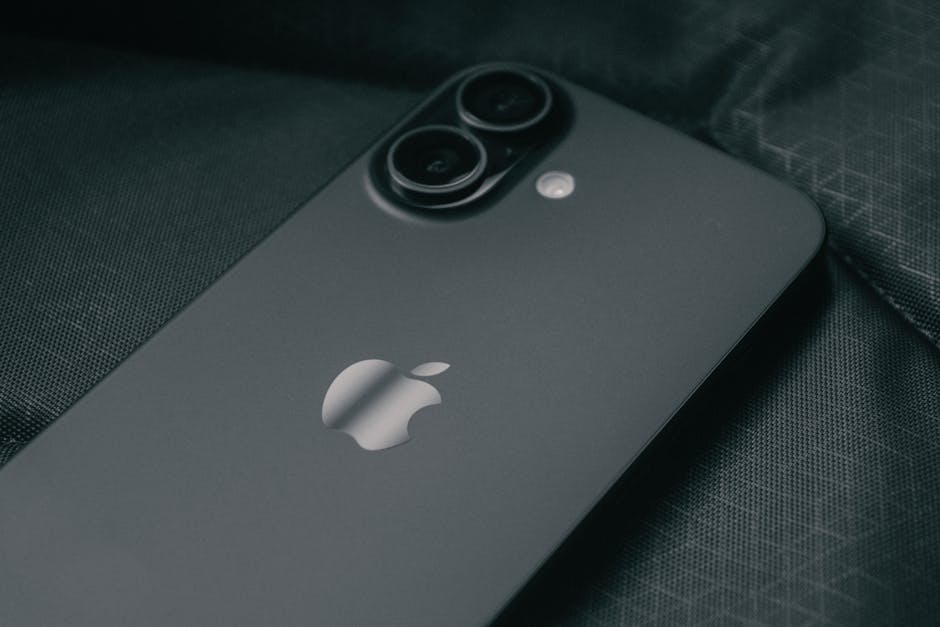
The Indian smartphone market remains a battleground, but the focus has subtly shifted. While flagships continue to push boundaries, the true heart of the market lies in the mid-range segment, roughly between Rs. 15,000 to Rs. 35,000. Here, brands like Xiaomi, Samsung, Realme, and OnePlus (with its Nord series) are locked in an intense competition, constantly one-upping each other with features that were once exclusive to premium devices. The most significant trend defining this segment in 2026 is the pervasive integration of Artificial Intelligence.
AI is no longer just a buzzword for high-end phones. In 2026, even budget and mid-range devices boast powerful on-device AI capabilities. We’re talking about AI-enhanced photography that intelligently adjusts settings for stunning results, predictive text that understands context better than ever, and battery management systems that learn user habits to optimize power consumption for an entire day of heavy use. Voice assistants have become more intuitive, supporting multiple Indian languages seamlessly, making technology accessible to a broader demographic. As Gadgets360 frequently reports, these AI advancements are not just about novelty; they’re about making smartphones more efficient, personalized, and genuinely helpful tools in daily life for the average Indian user.
Another key aspect is the focus on durable and sustainable designs. With users holding onto their phones for longer, repairability and software updates are becoming crucial factors. Brands that offer guaranteed software support for 3-4 years and readily available service networks (a critical need in India) are gaining significant trust. The shift towards more efficient processors and optimized software means that even mid-range phones in 2026 are capable of handling demanding tasks, from cloud gaming to advanced productivity apps, without breaking a sweat.
Beyond the Phone: Smart Homes, Wearables, and the Connected Indian Lifestyle
While smartphones capture much of the attention, the broader ecosystem of connected devices is rapidly expanding its footprint across Indian homes. The concept of a ‘smart home’ is no longer a luxury; it’s becoming an accessible reality for many, driven by affordable devices and easier setup processes. Smart speakers, smart bulbs, and intelligent plugs are now commonplace, often acting as entry points into a more connected lifestyle. Platforms like Amazon Alexa and Google Assistant have matured significantly, offering deeper integration with local services and content, and crucially, improved understanding of Indian accents and regional language commands.
Wearables, particularly smartwatches and fitness trackers, have also seen immense growth. In 2026, these devices are not just counting steps; they’re offering advanced health monitoring features like continuous glucose monitoring, more accurate blood pressure tracking, and even early detection of certain health anomalies, all at price points that are increasingly budget-friendly. Brands like Noise, boAt, and Fire-Boltt, alongside global players, continue to dominate this segment, tailoring features specifically for Indian preferences, such as long battery life and robust designs that can withstand varied environmental conditions. The integration with popular health apps and telemedicine services is also a significant draw for Indian consumers, enhancing preventive healthcare efforts.
Furthermore, the growth of 5G has been a game-changer for the Internet of Things (IoT) in India. Faster, more reliable connectivity is enabling seamless communication between devices, from smart appliances in urban apartments to agricultural sensors in rural farms. This expansion is reported widely by sources like NDTV Gadgets, highlighting how IoT is not just about convenience but also about efficiency and safety, with applications in smart city initiatives, logistics, and environmental monitoring.
The Rise of Indigenous Innovation and Sustainable Tech
One of the most heartening aspects of India tech news today is the undeniable momentum behind indigenous innovation. The ‘Make in India’ and ‘Atmanirbhar Bharat’ initiatives have spurred local manufacturing and design, leading to a surge in products and solutions tailored specifically for the Indian market. This isn’t just about assembling foreign components; it’s about genuine R&D, intellectual property creation, and building robust supply chains within the country. From semiconductors to consumer electronics, Indian companies are stepping up, creating jobs and fostering a sense of technological self-reliance.
This focus on local development also ties directly into the growing emphasis on sustainable technology. Indian consumers are increasingly aware of their environmental footprint, and brands are responding. We’re seeing more devices built with recycled materials, featuring modular designs for easier repairs, and coming with extended software support to prolong their lifespan. Companies are investing in energy-efficient manufacturing processes and responsible e-waste management programs. For instance, many smartphone brands now offer trade-in programs with certified recycling, and some even ship devices with minimal or no plastic packaging. This commitment to sustainability is not just good for the planet; it’s also becoming a key selling point for a new generation of environmentally conscious Indian buyers.
Navigating the Future: AI, 5G, and the Data Frontier
Looking ahead, the landscape of India tech news today is heavily influenced by the accelerating advancements in Artificial Intelligence and the pervasive expansion of 5G connectivity. AI is moving beyond simple automation to become a truly transformative force. In 2026, AI is embedded in almost every digital interaction – from personalized learning platforms adapting to student needs to AI-powered diagnostics assisting doctors in remote areas. Generative AI, in particular, is democratizing content creation and problem-solving, enabling small businesses and individual creators to achieve results previously requiring large teams and budgets.
The nationwide rollout of 5G, now significantly matured, has unlocked capabilities that were once futuristic. Beyond faster downloads, 5G is powering critical applications like real-time remote surgery, autonomous drone deliveries in logistics, and immersive AR/VR experiences for education and entertainment. As TechCrunch often covers, India’s unique challenges and massive user base make it a fertile ground for testing and scaling these advanced technologies. Furthermore, discussions around 6G are already gaining traction in academic and research circles, signaling India’s ambition to be at the forefront of the next generation of wireless communication.
However, with increased connectivity and AI comes the critical challenge of data privacy and cybersecurity. As more aspects of our lives move online, protecting personal information and national digital infrastructure becomes paramount. The Indian government, alongside tech companies, is continuously working on robust data protection frameworks and investing in advanced cybersecurity measures. Consumers are also becoming more discerning about how their data is used, demanding greater transparency and control. This ongoing dialogue between innovation and regulation will continue to shape the data frontier in India for years to come.
BudgetTech India’s Top Picks: What to Look Out For
Given the rapid pace of innovation, it can be tough to decide which gadgets offer the best value. Here are three mid-range smartphones that are making waves in 2026, balancing performance, features, and affordability, perfect for the BudgetTech India reader.
| Feature/Model | BudgetTech X-Series (2026) | ValuePhone Pro (2026) | NextGen Lite (2026) |
|---|---|---|---|
| Estimated Price (INR) | Rs. 22,999 | Rs. 24,499 | Rs. 20,999 |
| Processor | Mediatek Dimensity 9000-series (AI Enhanced) | Snapdragon 8 Gen 2 (Optimized) | Exynos 1400 (Custom AI Core) |
| Display | 6.7″ FHD+ AMOLED, 120Hz | 6.6″ FHD+ Super AMOLED, 120Hz | 6.5″ FHD+ LCD, 90Hz |
| Camera (Rear) | 50MP OIS Main + 8MP Ultrawide + 2MP Macro | 64MP OIS Main + 12MP Ultrawide + 5MP Macro | 48MP OIS Main + 8MP Ultrawide |
| Battery | 5000 mAh, 67W Fast Charging | 4800 mAh, 80W Fast Charging | 5200 mAh, 45W Fast Charging |
| Key Feature | Exceptional AI Photo Processing | Premium Build & Software Experience | Longest Battery Life & Durability |
| Availability | Amazon.in, Flipkart, Offline Stores | Flipkart, Offline Stores | Amazon.in, Brand Stores |
The Promise and Peril: Examining the Latest Tech Trends
Let’s take a closer look at a prominent trend in India tech news today: the deep integration of Artificial Intelligence into everyday devices, particularly smartphones and smart home gadgets.
Pros of AI Integration in Budget Devices:
- Enhanced User Experience: AI makes devices smarter, more intuitive, and personalized. From predictive text to intelligent battery management, it streamlines daily tasks.
- Improved Accessibility: AI-powered voice assistants with multi-language support and advanced translation features are breaking down language barriers, making technology accessible to a wider Indian audience.
- Better Photography: Even budget phones can produce stunning photos thanks to AI post-processing, scene recognition, and computational photography techniques.
- Increased Efficiency: AI optimizes device performance, extends battery life, and makes smart home ecosystems more responsive and energy-efficient.
- New Features & Services: AI enables innovative applications in health monitoring, education, and entertainment, often at a lower cost than dedicated hardware.
Cons of AI Integration in Budget Devices:
- Data Privacy Concerns: AI often relies on collecting and processing user data, raising questions about privacy, especially for budget devices with potentially less robust security.
- Resource Intensive: Powerful AI features can demand significant processing power and memory, potentially leading to performance bottlenecks or increased heat in less optimized budget hardware.
- Dependency on Cloud: While on-device AI is growing, many advanced features still require cloud processing, which depends on stable internet connectivity (a challenge in some parts of India) and raises data transfer costs.
- Potential for Bias: AI models, if not trained on diverse datasets, can exhibit biases, leading to less accurate or even discriminatory outcomes for certain user groups or regions.
- Feature Overload/Complexity: For some users, the sheer number of AI-powered features can be overwhelming, making devices feel more complex rather than simpler.
Your Burning Questions Answered: India Tech News Today FAQs
What are the biggest trends shaping the Indian tech market in 2026?
The biggest trends include the pervasive integration of AI into budget and mid-range devices, the continued expansion and application of 5G technology, a strong push for indigenous manufacturing and innovation (‘Make in India’), and a growing emphasis on sustainable and eco-friendly tech products. We’re also seeing significant advancements in health tech wearables and smart home ecosystems.
How is ‘Make in India’ impacting consumer electronics?
‘Make in India’ is leading to a surge in locally manufactured and designed consumer electronics, from smartphones and wearables to smart TVs. This means products are often tailored to Indian needs (e.g., specific language support, robust build quality for diverse conditions), potentially more affordable due to reduced import duties, and supported by a growing local service network. It’s also boosting job creation and technological self-reliance.
What should I look for in a mid-range smartphone in 2026?
In 2026, look for a mid-range smartphone (Rs. 15,000-35,000) with a powerful AI-enhanced processor, at least a 120Hz AMOLED display, a versatile camera system with OIS, a battery capacity of 4800 mAh or more with fast charging (60W+), and guaranteed software updates for at least 3 years. Strong 5G connectivity and a robust service network are also crucial for the Indian market.
Are smart home devices truly affordable and useful for the average Indian household now?
Yes, smart home devices have become significantly more affordable and useful. Entry-level smart bulbs, plugs, and speakers are available for a few hundred to a couple of thousand rupees. Their utility has increased with better multi-language support, integration with local services, and improved reliability over 5G/Wi-Fi networks. They offer convenience, energy savings, and enhanced security for many Indian households.
What are the major concerns for Indian tech users regarding new technologies?
Major concerns for Indian tech users often revolve around data privacy and cybersecurity, especially with the rise of AI and increased connectivity. Other concerns include the availability and cost of reliable internet access (especially 5G in some regions), the environmental impact of technology (e-waste), and the need for robust after-sales service and support across diverse geographical areas.
Our Verdict
The landscape of India tech news today is a vibrant tapestry woven with innovation, ambition, and a clear focus on the needs of a billion-plus people. From the relentless innovation in the smartphone sector, driven by AI and sustainable practices, to the expanding reach of smart home devices and the transformative power of 5G, India is not just adopting technology but actively shaping its future. For the budget-conscious tech enthusiast, this translates into an exciting market brimming with value-for-money options that don’t compromise on cutting-edge features. The emphasis on indigenous development and environmental responsibility further ensures that the tech we choose is not just smart, but also relevant and responsible. Stay tuned to BudgetTech India as we continue to navigate this thrilling journey, bringing you the latest and most impactful developments that truly matter.
Want more? Browse our best budget smartphone deals section.
About the Author