The smartphone landscape is a relentless torrent of innovation, always pushing boundaries. As we stand on the cusp of 2025, it’s not just about incremental upgrades anymore; we’re looking at a fundamental shift in how these devices integrate into our lives, especially for the discerning Indian consumer. Forget what you think you know about “next-gen” phones; 2025 is poised to redefine smart living.
The AI-Powered Core: More Than Just a Processor
By 2025, the heart of every flagship, and increasingly mid-range, smartphone will be an AI powerhouse. We’re talking about dedicated neural processing units (NPUs) so advanced they make current chips look rudimentary. This isn’t just for photo processing; it’s about hyper-personalization, anticipating your needs, optimizing battery life on the fly, and even enhancing security with on-device biometric analysis. Imagine your phone proactively suggesting the fastest UPI payment method based on your location or instantly translating a complex medical term from a prescription into your local dialect. According to recent insights from Android Authority, chipmakers like Qualcomm and MediaTek are investing heavily in making on-device AI pervasive, not just a gimmick.
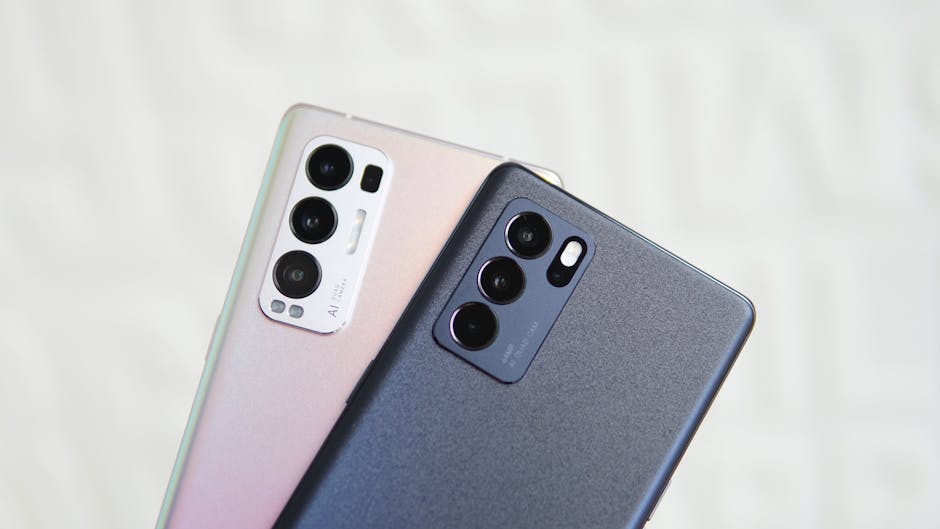
The megapixel war is largely over. In 2025, smartphone cameras will focus on computational photography taken to an extreme. Expect incredibly intelligent scene recognition, real-time depth mapping for flawless portraits, and AI-driven enhancements that can literally reconstruct details in challenging low-light conditions, even for moving subjects. Micro-lens technology for unprecedented close-up shots and advanced video stabilization rivaling professional gimbals will be standard. For Indians, this means capturing the vibrant chaos of a local market or the intricate details of a temple carving with unmatched clarity and artistic flair, all without needing to be a photography expert.
Battery Breakthroughs & Blazing Fast Charging
Battery life remains a top concern, and 2025 will bring significant strides. While solid-state batteries might still be a few years from widespread adoption, expect denser traditional cells and much smarter power management driven by AI. More importantly, charging speeds will hit ludicrous levels. 100W+ wired charging will be common across segments, topping up your phone in mere minutes. Wireless charging will also see a boost in efficiency and speed, with reverse wireless charging becoming a staple. For commuters on a long Delhi Metro ride or professionals needing a quick top-up between meetings, this means less range anxiety and more uninterrupted productivity.
Flexible Displays & Seamless Form Factors
Foldable phones, once a niche luxury, will become significantly more robust and, crucially, more affordable by 2025. Expect improved hinge designs, less visible creases, and better dust/water resistance. Beyond foldables, we might see the emergence of “rollable” concepts moving from prototypes to limited consumer availability, offering expansive screens that retract into a compact form factor. Under-display camera technology will be perfected, leading to truly bezel-less, notch-free experiences. This opens up new possibilities for entertainment, productivity, and multi-tasking, offering a tablet-like experience that slips into your pocket.
By 2025, 5G will be widely available across India’s urban and semi-urban centres, and phones will be designed to fully leverage its ultra-low latency and high bandwidth. Alongside 5G, Wi-Fi 7 (802.11be) will start making its way into premium devices, promising even faster and more reliable local network performance. This seamless, high-speed connectivity will be crucial for cloud gaming, augmented reality (AR) applications, and the burgeoning smart home ecosystem, making everything from ordering groceries to managing your smart appliances incredibly fluid. As Gadgets360 frequently highlights, India’s digital infrastructure is rapidly evolving to support these advancements.
Sustainability & Repairability: A Conscious Shift
The environmental impact of electronics is a growing concern. In 2025, expect manufacturers to make more concerted efforts towards sustainability. This means phones built with a higher percentage of recycled materials, modular designs that simplify repairs, and extended software support lifecycles. Companies will actively market their eco-friendly practices, and consumers will increasingly factor this into their purchasing decisions, reflecting a growing environmental consciousness among Indian buyers who also value long-term utility and repair options.
Final Thoughts
2025 isn’t just about faster processors or better cameras; it’s about the smartphone evolving into an even more indispensable, intuitively intelligent companion. For the Indian user, these advancements mean more than just cutting-edge tech; they translate into practical benefits – better connectivity for remote work, enhanced learning tools for students, more efficient digital payments, and unparalleled ways to capture life’s moments. Our phones will become truly proactive personal assistants, seamlessly blending into our lives, making every interaction smoother, smarter, and more personalized than ever before. The future is bright, connected, and incredibly smart.
Foldable phone – Image via Pexels
Looking for more? Explore our tech guides section.