
# Smartphones India 2025: A Glimpse into the Future of Connectivity
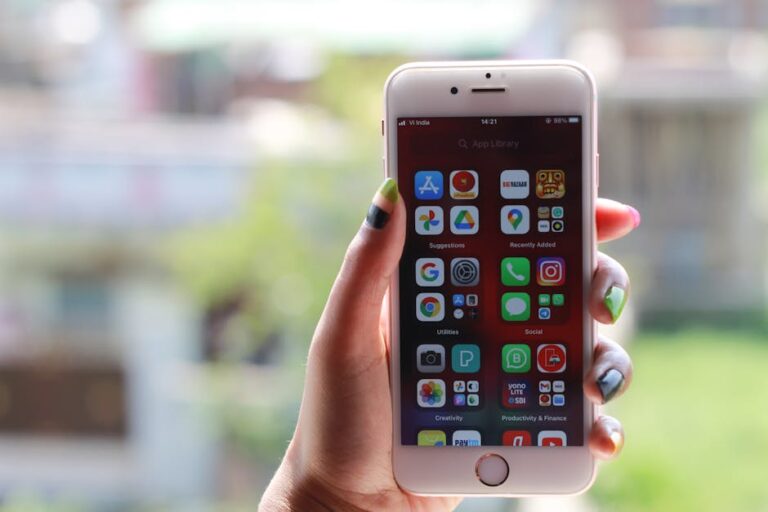
The Indian smartphone market is a vibrant, colossal entity, constantly evolving and setting global trends. As we peer into 2025, the landscape promises even more innovation, accessibility, and integration into the daily lives of millions. From bustling metropolitan centres to rapidly digitalising rural areas, smartphones are more than just communication devices; they are indispensable tools for education, entertainment, commerce, and governance. This dynamic environment, fueled by a young, tech-savvy population and aggressive network expansion, positions India at the forefront of the global mobile revolution. Let’s delve into what the future holds for **smartphones India 2025**.
## The Pervasive Power of 5G: Mainstream by 2025
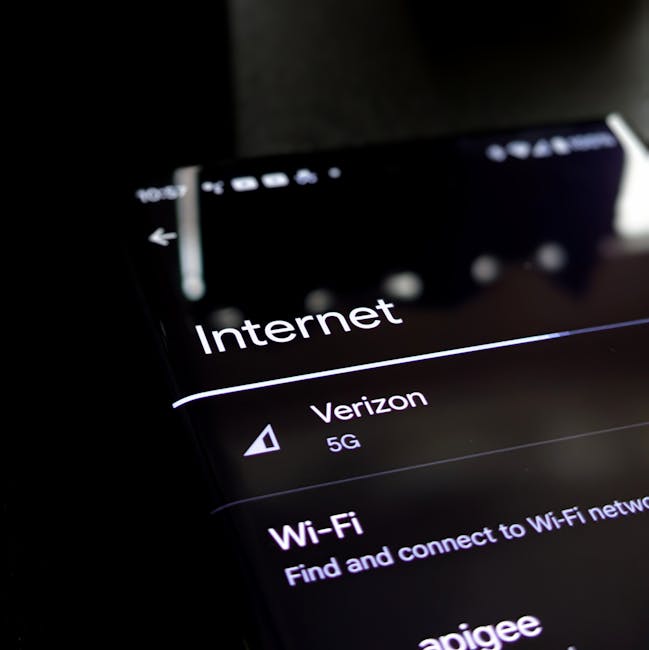
By 2025, 5G will no longer be a nascent technology but a widespread reality across India. The aggressive rollout by telecom operators, coupled with a steady decline in 5G smartphone prices, will make this ultra-fast connectivity accessible to a vast majority. Consumers can expect seamless streaming, lag-free online gaming, lightning-quick downloads, and enhanced experiences across various applications, from augmented reality (AR) to cloud computing. Manufacturers will further optimise their devices to fully leverage 5G capabilities, focusing on efficient modems, better battery life, and integrated services that truly showcase the network’s potential. **5G in India** will be a key driver for upgrading.
## The Battle for the Budget Segment: Smarter, Stronger, Still Affordable
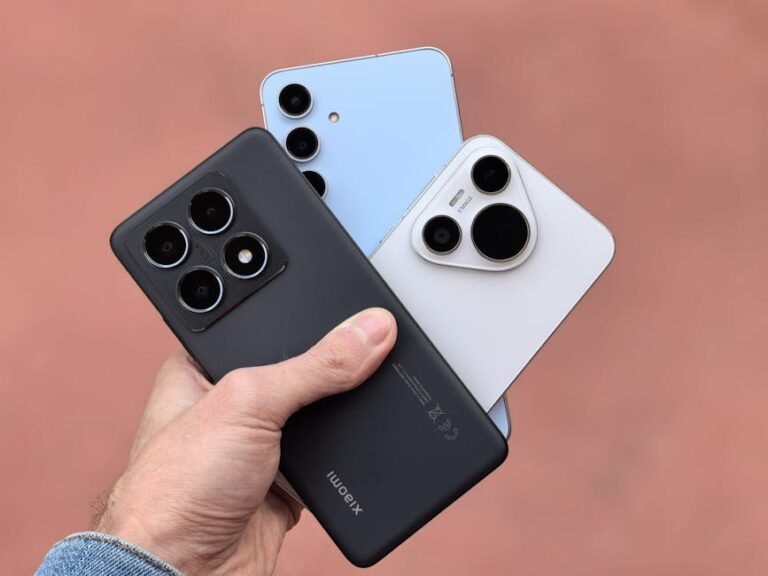
India’s heart beats in its budget and mid-range smartphone segments. This will remain true in 2025, but with a significant uplift in capabilities. The “affordable powerhouse” will be the norm, offering features previously exclusive to premium devices. Expect budget phones (₹10,000 – ₹20,000) to sport advanced camera arrays, faster processors, larger and brighter displays, and rapid charging technologies. Competition will be fierce, pushing brands like Xiaomi, Realme, Samsung, and OnePlus (through its Nord series) to innovate constantly, delivering exceptional value without compromising on the essentials. **Budget smartphones India** will define user experience for the masses.
## Premium Prowess: India’s Growing Appetite for Flagships
While affordability reigns, the premium smartphone segment (₹40,000+) is set for substantial growth. India’s burgeoning middle class and increasing disposable incomes mean more consumers are willing to invest in high-end devices from Apple, Samsung, and Google. By 2025, these flagships will feature even more sophisticated camera systems, advanced on-device AI capabilities, unparalleled display technologies (including potentially more accessible foldables), and robust build quality. The ecosystem play, with seamless integration between smartphones, wearables, and other smart devices, will be a major draw for discerning Indian buyers looking for a holistic tech experience. **Premium smartphones India** will offer cutting-edge innovation.
## Beyond Hardware: The Rise of AI and Intelligent Experiences
Artificial Intelligence (AI) will transcend being a mere buzzword, becoming deeply embedded in the smartphone’s core functionality. In 2025, AI will power more intuitive user interfaces, predict user preferences, enhance computational photography to unprecedented levels, and provide highly personalised digital assistants. From intelligently managing battery life to curating news feeds and optimising app performance, AI will make smartphones feel truly “smart.” On-device AI processing will also improve data privacy, reducing the need to send sensitive information to the cloud. This focus on **AI smartphones** will redefine user interaction.
## Sustainability and Durability: A Conscious Shift
As environmental awareness grows globally, Indian consumers too will increasingly consider the ecological footprint of their devices. By 2025, brands will likely place a greater emphasis on sustainability, using recycled materials, offering longer software update cycles, and promoting easier repairability. Modular designs might gain traction, allowing users to replace components rather than entire phones. Packaging will become even more minimal and eco-friendly. This conscious shift will resonate with Indian buyers who value longevity and responsible consumption.
## Form Factors of Tomorrow: Foldables and Beyond
While still a niche in 2023, foldable smartphones are poised to become more refined and potentially more accessible by 2025. Brands will continue to innovate with flexible displays, offering devices that can switch between phone and tablet form factors seamlessly. Beyond foldables, expect experimentation with other novel designs – perhaps rollable screens, enhanced AR/VR integration directly into phone displays, or even devices with multiple display surfaces. These innovative **smartphone trends India** will cater to specific user needs and preferences.
## The “Made in India” Imperative and Localisation Push
The “Made in India” initiative will continue to gain momentum, with more brands investing in local manufacturing and assembly units. This not only boosts the economy but also allows for greater supply chain resilience and quicker responses to market demands. Furthermore, localisation will extend beyond manufacturing. Expect deeper integration of regional languages, India-specific features, customised app ecosystems, and services tailored to the diverse needs and cultural nuances of the Indian populace.
## Conclusion
The year 2025 promises to be an exhilarating period for **smartphones India**. The market will be characterised by pervasive 5G connectivity, an incredibly competitive budget segment offering premium-like features, a surging demand for top-tier flagships, and an intelligent layer of AI powering personalised experiences. Combined with a growing emphasis on sustainability and a strong “Made in India” thrust, the Indian smartphone journey is set to be one of constant innovation and unparalleled growth. For the Indian consumer, this means more choices, better technology, and an even more connected future.
About the Author