“`html
Smartphones in India 2025: Gearing Up for the Next Mobile Revolution
India’s smartphone market is a vibrant, rapidly evolving ecosystem. From being a nation of feature phone users just a decade ago, we’ve leapfrogged into a digital-first society powered by the ubiquitous smartphone. As we look towards 2025, the landscape promises even more exciting transformations, driven by technological advancements, evolving consumer demands, and a strong ‘Made in India’ push. What will these pocket-sized powerhouses look like, and how will they shape the lives of millions across the subcontinent?
The Evolving Indian Consumer and Their Demands

By 2025, the Indian smartphone user will be more discerning, informed, and digitally native than ever before. The initial rush for ‘any smartphone’ has matured into a quest for ‘the right smartphone’ that offers value, performance, and specific features. Rural and semi-urban areas will continue to drive significant growth, with first-time smartphone users opting for feature-rich, affordable devices. Meanwhile, urban users will increasingly seek premium experiences, robust camera capabilities, faster processors for gaming, and seamless connectivity. Value for money will remain a cornerstone, but definitions of ‘value’ will expand beyond just price to encompass brand reputation, after-sales service, and software experience.
5G Dominance and Hyper-Connectivity

While 5G is currently rolling out, by 2025, it will be the undisputed standard for mobile connectivity across most of India. This widespread adoption will not just mean faster downloads; it will unlock new possibilities. Smartphones will be optimized to leverage 5G’s ultra-low latency and high bandwidth for immersive gaming, lag-free video calls, advanced augmented reality (AR) applications, and real-time IoT device management. Device manufacturers will focus on integrating more efficient 5G modems and larger batteries to sustain this hyper-connectivity, making always-on, high-speed internet a fundamental expectation rather than a luxury.
AI and Smarter Smartphones: Beyond the Gimmicks
Artificial Intelligence (AI) is already embedded in our smartphones, but in 2025, it will move beyond mere camera enhancements. On-device AI will power truly personalized experiences: predictive text that understands context, smart battery management that learns usage patterns, and AI-driven performance optimization that boosts gaming or app loading speeds on demand. Advanced computational photography, fueled by AI, will deliver professional-grade photos and videos even from mid-range devices. Voice assistants will become more intuitive, capable of handling complex multi-step commands in various Indian languages, seamlessly integrating with smart home ecosystems and digital services.
The Rise of Foldables and Innovative Form Factors
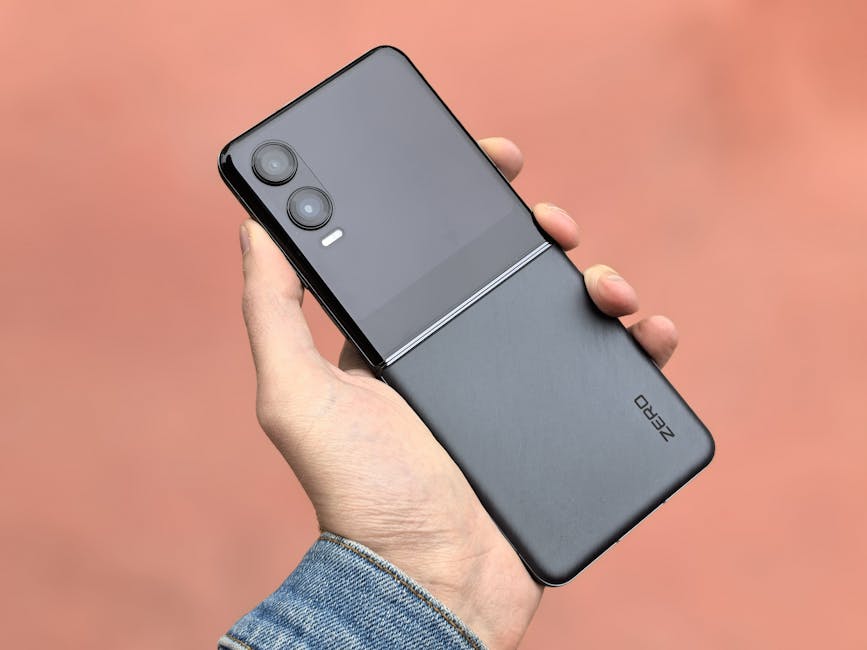
While still a niche premium segment today, foldable smartphones are expected to become more mainstream by 2025. As manufacturing processes mature and competition intensifies, prices will likely decrease, making them accessible to a wider affluent segment. Beyond foldables, we might see the emergence of other innovative form factors, such as rollable displays or devices with modular components, catering to specific user needs for productivity, entertainment, or portability. These innovations will challenge the traditional smartphone slab design, pushing boundaries for user interaction and device utility.
Sustainability and the ‘Made in India’ Imperative
Environmental consciousness is slowly but surely growing among Indian consumers. By 2025, brands emphasizing sustainability – through recycled materials, repairable designs, longer software support, and reduced e-waste – will gain a competitive edge. This aligns perfectly with the ‘Made in India’ initiative, which will see a significant increase in local manufacturing, assembly, and even R&D for smartphones. Government incentives and a focus on self-reliance will lead to more devices designed and built specifically for the Indian market, potentially reducing import dependencies and creating jobs domestically.
Bridging the Gap: Budget Innovations and Premium Accessibility
The distinction between budget, mid-range, and premium smartphones will become increasingly blurred. Budget phones (sub-₹15,000) will offer features previously exclusive to mid-range devices, like multiple camera lenses, faster refresh rate displays, and decent processors. The mid-range segment (₹15,000-₹30,000) will be the battleground, delivering near-premium experiences with robust 5G capabilities, excellent cameras, and strong battery life. The premium segment (above ₹30,000) will continue to innovate with cutting-edge processors, advanced AI, and experimental form factors, establishing brand loyalty and aspirational value for consumers who prioritize top-tier performance and features.
Conclusion: A Smarter, More Connected India
Smartphones in India by 2025 will be more than just communication devices; they will be indispensable personal assistants, entertainment hubs, productivity tools, and gateways to a hyper-connected digital world. The market will be characterized by aggressive innovation, increased personalization driven by AI, widespread 5G adoption, and a strong emphasis on both affordability and sustainable practices. For Indian consumers, this means more choices, better technology, and an even deeper integration of smartphones into their daily lives, truly ushering in the next phase of India’s mobile revolution.
“`
About the Author