
Smartphones in India 2025: What to Expect from the Future of Mobile Technology
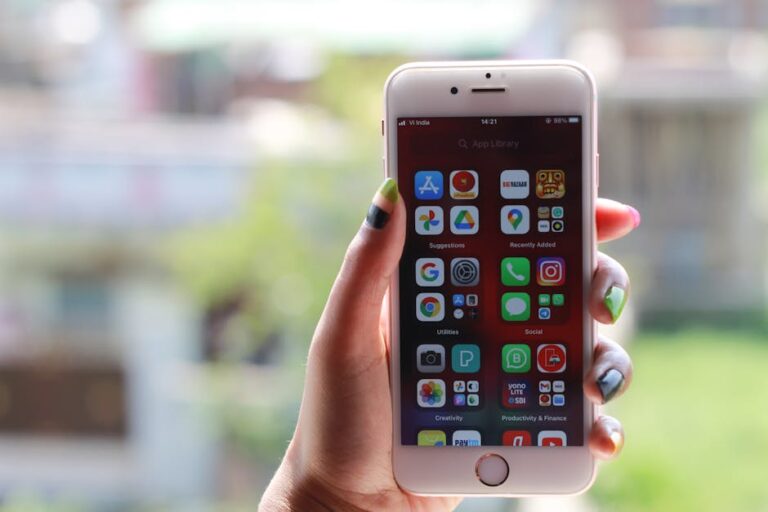
India’s love affair with smartphones is no secret. From bustling metropolitan cities to remote villages, these devices have become indispensable tools, connecting millions and driving the nation’s digital transformation. As we look ahead to 2025, the Indian smartphone market is poised for even greater innovation, catering to a diverse populace with evolving demands. What will the ‘Made for India’ smartphone experience truly entail in the coming years? Let’s dive into the fascinating trends and predictions shaping the future of mobile technology in the subcontinent.
The Evolving Landscape of Indian Smartphones (2025)
By 2025, India will solidify its position as one of the world’s most dynamic and competitive smartphone markets. The sheer volume of users, combined with increasing digital literacy and disposable income, means manufacturers are constantly innovating to capture a slice of this massive pie. We’ll see a blend of cutting-edge technology becoming more accessible, coupled with a deep understanding of local needs and preferences. The emphasis will shift from just raw specifications to a holistic user experience that is intuitive, powerful, and uniquely Indian.
5G Dominance: Connectivity Redefined

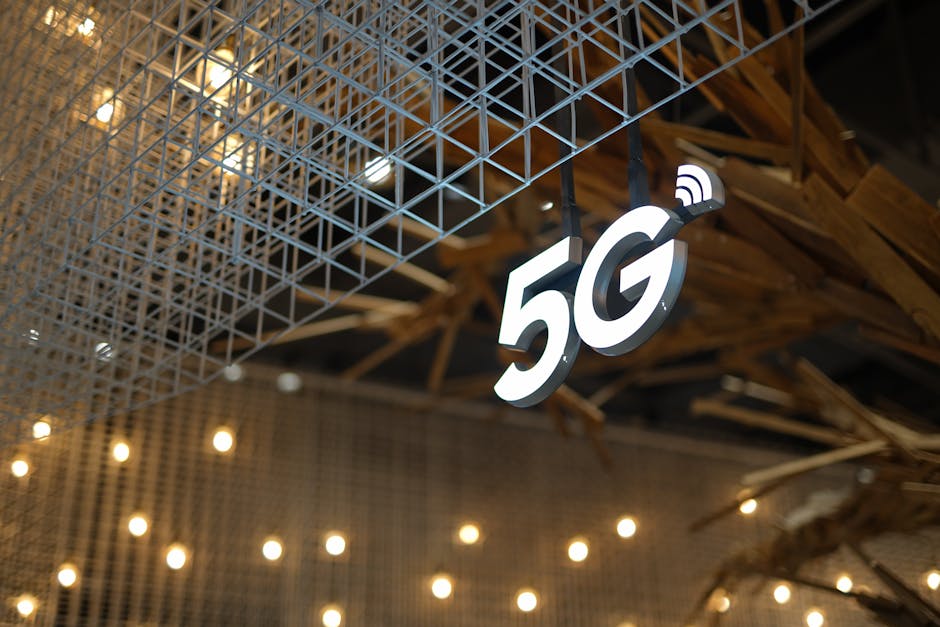
While 5G began its rollout in India recently, by 2025, its presence will be ubiquitous. We can expect almost every new smartphone, even in the mid-range segment, to come 5G-enabled. This widespread adoption won’t just mean faster downloads; it will unlock a new era of mobile usage. Cloud gaming will become a mainstream activity, seamless AR/VR experiences will be possible on the go, and the integration of smartphones with the burgeoning IoT ecosystem will be a reality. High-speed, low-latency connectivity will no longer be a premium feature but an expected standard, fundamentally altering how Indians interact with their devices and the digital world.
The Power of AI & Advanced Processors

Artificial Intelligence (AI) will be the silent workhorse powering most smartphones in 2025. Expect significant advancements in computational photography, allowing even budget phones to capture stunning images in varied conditions. AI will optimize battery life like never before, learn user habits to personalize experiences, and enhance voice assistants with improved understanding of regional languages and accents. Underlying this will be increasingly powerful and efficient chipsets, making multi-tasking, high-end gaming, and complex AI computations smoother and faster across all price points, democratizing access to flagship-level performance.
Budget & Mid-Range: The Indian Sweet Spot
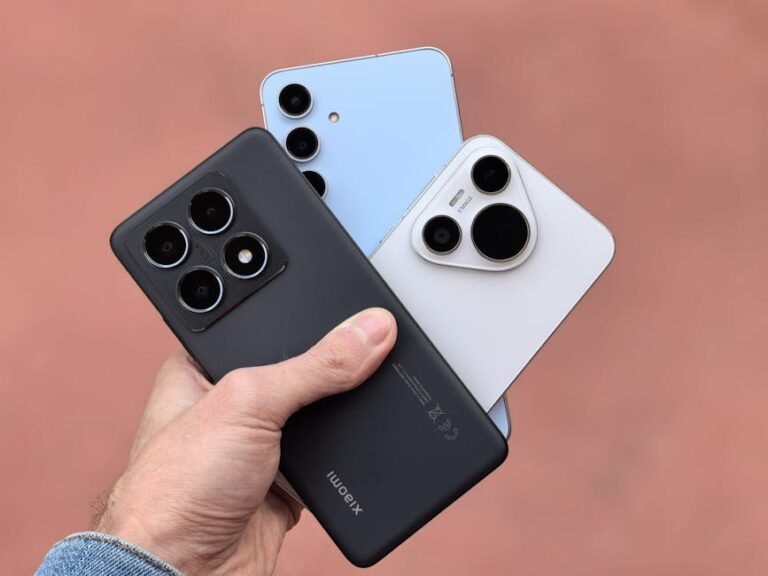
Affordability will remain a critical factor in the Indian market. However, “budget” won’t mean compromising on essential features. In 2025, the sweet spot of Rs. 15,000-30,000 will offer an incredible array of features: reliable 5G connectivity, impressive multi-camera setups, vibrant AMOLED displays, fast charging capabilities, and robust processors capable of handling daily tasks with ease. Brands like Xiaomi, Realme, Samsung’s M & A series, and POCO will continue to dominate this segment by offering exceptional value for money, constantly pushing the boundaries of what’s possible at accessible prices.
Users in this segment will demand not just performance but also design aesthetics, robust build quality, and timely software updates. The competition will be fierce, driving innovation that directly benefits the value-conscious Indian consumer looking for a complete package without a hefty price tag.
Premium & Flagship: A Growing Aspiration
As India’s economy grows, so does the aspirational value of premium smartphones. By 2025, the demand for flagship devices will continue its upward trajectory. Expect more consumers to invest in devices from Apple, Samsung, and OnePlus, not just for status but for cutting-edge technology, superior camera systems, and seamless ecosystem integration. Foldable phones, which are currently niche, will become more refined and potentially slightly more accessible, offering unique productivity and entertainment form factors. These devices will serve as status symbols while also being powerful tools for creators, professionals, and early adopters of advanced mobile tech.
Sustainability and “Made in India” Push
Environmental consciousness will increasingly influence purchasing decisions. In 2025, smartphone brands will likely emphasize sustainability through longer software update cycles, better repairability scores, and the use of recycled materials in device construction and packaging. Simultaneously, the “Made in India” initiative will gain further traction. This isn’t just about assembly; it’s about fostering local R&D, component manufacturing, and creating devices specifically tailored for the Indian market, potentially leading to more localized features and greater economic benefits within the country.
User Experience & Localized Innovations
Software will play an even more crucial role in 2025. Operating systems and user interfaces will offer enhanced multilingual support, catering to India’s vast linguistic diversity. Seamless integration with local services like UPI (Unified Payments Interface) will be standard, making financial transactions effortless. Furthermore, privacy and data security will be paramount, with phones offering advanced biometric authentication and robust data protection features. Innovations might also include specialized cooling systems for India’s diverse climates, or enhanced network optimization for challenging rural areas, ensuring a truly tailored experience.
The smartphone landscape in India by 2025 promises to be a vibrant tapestry of technological advancement, affordability, and deep localization. From the blazing speeds of 5G to the intelligent assistance of AI, and the conscious push for sustainability, Indian consumers will have access to an unprecedented range of devices designed to empower and connect them like never before. The journey of the Indian smartphone user is undoubtedly one of the most exciting sagas in global tech, and 2025 is set to be a significant chapter.
About the Author