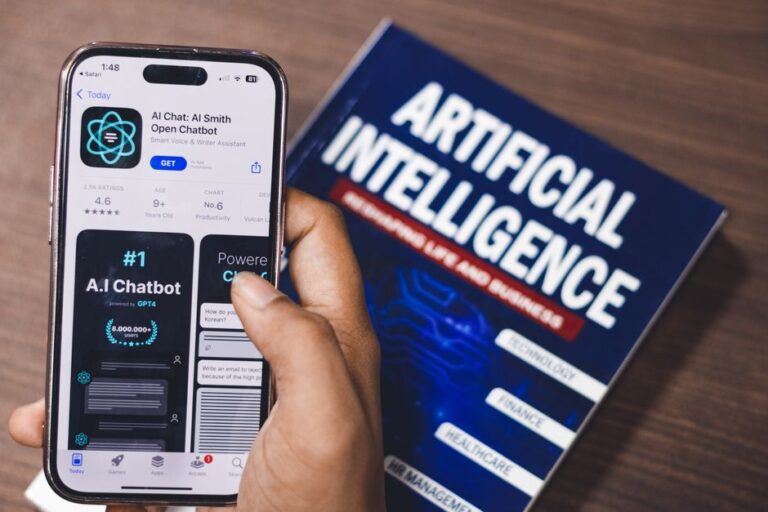

Hey there, tech enthusiasts and info-junkies! Your resident gadget guru is back, but today, we’re taking a slightly different spin. We’re not unboxing the latest smartphone or reviewing a fancy smartwatch. Instead, we’re diving into something far more pervasive, far more integrated into our daily lives, something that has evolved so rapidly it almost feels like a revolutionary new device itself: **News**.
Yes, you heard that right! In 2025, ‘News’ isn’t just a collection of facts; it’s an experience, a service, a curated stream that’s as personalized as your smartphone wallpaper. For us in India, where information flows faster than a Mumbai local train during peak hours, understanding this “news gadget” is more crucial than ever. So, grab your chai, settle in, and let’s unpack what it means to consume news in the subcontinent today.
The New Interface: How We ‘Consume’ News Now
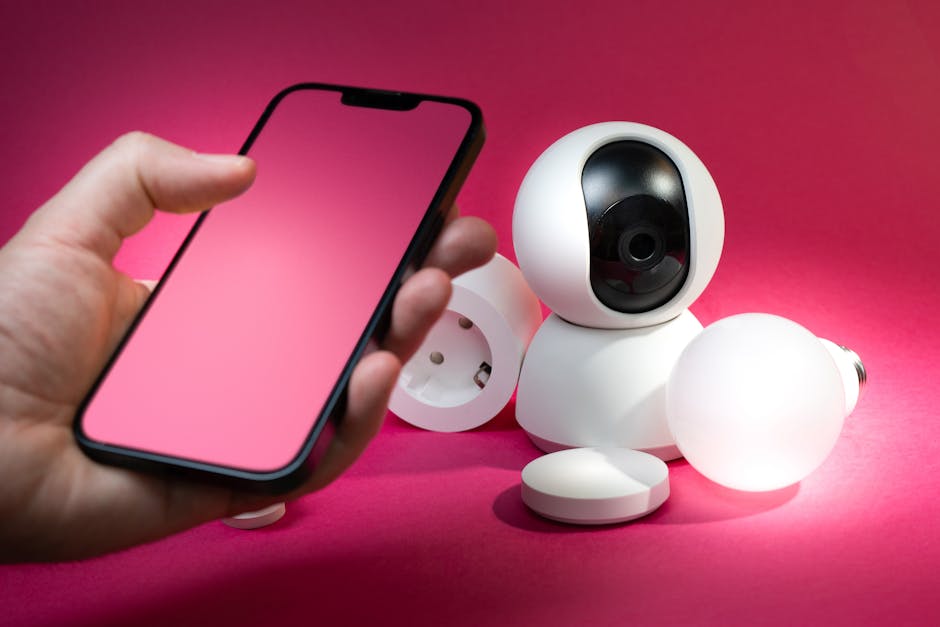
Remember the days of waiting for the morning newspaper or tuning into the 9 PM news bulletin? That feels like ancient history now, doesn’t it? In 2025, our primary ‘news gadget’ is undeniably the smartphone. From the bustling streets of Delhi to the serene backwaters of Kerala, everyone’s got one, and it’s the gateway to an always-on news cycle. Apps like Inshorts, Dailyhunt, and the digital versions of giants like NDTV and Times of India have perfected the art of delivering bite-sized updates. But it’s not just phones. Smart speakers like Amazon Echo and Google Home now offer daily news briefings tailored to your interests, while smart TVs bring live news feeds and explainer videos right into your living room. The news isn’t just something you seek; it finds you, wherever you are, on whatever screen you’re looking at. It’s a seamless, multi-device symphony of information.
Personalization vs. The Echo Chamber: The AI Angle

This is where the ‘smart’ part of our news gadget truly shines – or sometimes, casts a shadow. Artificial Intelligence has become the invisible editor of our news feeds. Algorithms analyze your reading habits, your clicks, your shares, and even the time you spend on certain topics to deliver content it thinks you’ll find most relevant. On one hand, this is fantastic! You get more of what interests you, whether it’s the latest in space tech from ISRO or updates on the IPL.
However, this hyper-personalization has a dark side: the dreaded ‘echo chamber.’ When you’re constantly fed news that aligns with your existing views, you risk missing out on diverse perspectives, challenging opinions, and even crucial information that doesn’t fit your algorithmic bubble. It’s a delicate balance, and platforms are constantly trying to refine their AI to offer a broader spectrum while maintaining relevance. The challenge for us as users is to actively seek out varied sources, breaking free from the algorithmic comfort zone.
The Battle for Authenticity: Fact-Checking & Trust

In a country as diverse and dynamic as India, the proliferation of information comes with a significant challenge: misinformation. From WhatsApp forwards to cleverly edited videos, discerning fact from fiction has become a superpower. This is why the ‘fact-checking’ feature of our news ecosystem is more vital than ever. Reputable news organizations and independent fact-checkers are fighting a relentless battle against fake news. Platforms like Google News are constantly evolving their features to highlight verified sources and provide context. As TechCrunch recently highlighted, advanced AI tools are now being deployed not just to generate content but also to detect deepfakes and manipulated media, though it’s still an arms race. It’s a crucial layer of defense in our digital information diet, and as consumers, our skepticism is our best friend.
Beyond Text: Video, Audio, and Immersive News
While text news is still king, the visual and auditory landscape of news consumption has exploded. Short-form video news, inspired by platforms like Instagram Reels and YouTube Shorts, delivers quick updates with compelling visuals. Podcasts are becoming a go-to for deeper dives and analytical discussions, with a surge in regional language podcasts catering to a massive audience. Imagine listening to a nuanced discussion on the latest budget in Tamil or a breakdown of local elections in Bengali while on your commute!
And looking ahead, immersive technologies are knocking on the door. While not mainstream yet, imagine AR overlays on your phone showing you real-time data about a reported event, or VR experiences that virtually transport you to a disaster zone for a truly empathetic understanding. The news isn’t just telling you; it’s showing you, and soon, it might even make you *feel* like you’re there.
The Price of Knowledge: Subscription Models & Ad-Free Experiences
Let’s talk about the economics of news. For a long time, ‘free’ was the expectation, supported by advertising. However, the tide is turning. Quality journalism requires resources, and many premium news outlets are now embracing subscription models. For a small monthly fee, you can get ad-free experiences, exclusive content, deeper analysis, and investigative reports that simply aren’t viable under an ad-only model.
As NDTV Gadgets has often pointed out in its coverage of digital content trends, Indian consumers are increasingly willing to pay for quality, whether it’s for OTT platforms or news. This shift allows publications to invest more in robust reporting, rather than chasing clicks. It’s a value exchange: your subscription for high-quality, unbiased information. It’s like upgrading from the basic model to the pro version of your news gadget – you get more features and a smoother experience.
Hyperlocal to Global: The Indian Spectrum
India’s news landscape is fascinatingly diverse. On one hand, we’re consuming global headlines about space missions, international politics, and technological breakthroughs. On the other, hyperlocal news has never been more vital. From municipal elections in your ward to a new infrastructure project affecting your street, people want to know what’s happening right in their neighborhood. Many independent digital platforms and citizen journalism initiatives are filling this gap, providing updates in dozens of regional languages that national news often misses. This blend of the micro and the macro makes our news consumption truly unique – we can zoom in on our village pond and zoom out to the world stage, all within minutes.
Final Thoughts: Curating Your News Diet
So, what’s the takeaway from our deep dive into the ‘news gadget’ of 2025? It’s powerful, personalized, and perpetually present. It offers an unprecedented level of access to information, from global events to your street corner. But with great power comes great responsibility – not just for the news providers, but for us, the consumers.
In an age of endless feeds and algorithmic curation, our biggest challenge is to be mindful of our information diet. Actively seek out diverse sources, question what you read, verify facts, and don’t be afraid to step outside your comfort zone. The ‘news gadget’ of today is incredible, but its true potential is unlocked when we, the users, become intelligent curators of our own knowledge. Stay informed, stay critical, and keep exploring!
Looking for more? Explore our smartphone deals section.
About the Author