
Navigating the News Nexus: Your Guide to Staying Informed in India, 2025

Remember the days of waiting for the evening news or the morning newspaper? For many young professionals in India today, that feels like ancient history. We’re living in a hyper-connected, always-on world, and by 2025, the way we consume, interpret, and even *feel* about news has transformed dramatically. It’s no longer just about knowing what’s happening; it’s about discerning truth from noise, staying relevant without getting overwhelmed, and understanding the powerful currents shaping our nation and our careers.
The Digital Deluge: More Than Just a Scroll
In 2025, news is everywhere. It floods our smartphones, smartwatches, and even smart mirrors. Social media platforms like Instagram, X (formerly Twitter), and LinkedIn are not just for networking or entertainment; they’re primary news aggregators, often delivering headlines before dedicated news apps. The convenience is undeniable – a quick scroll during your commute or coffee break keeps you updated.
However, this digital deluge comes with its own set of challenges. Algorithms, designed to keep you engaged, often create “filter bubbles” or “echo chambers.” You’re more likely to see content that aligns with your existing views, potentially limiting your exposure to diverse perspectives. For young professionals, especially those in fast-paced industries like tech, finance, or marketing, understanding these biases is crucial. It’s not just about what news you *receive*, but what you *don’t*.
AI’s Double-Edged Sword: From Summaries to Sophistication
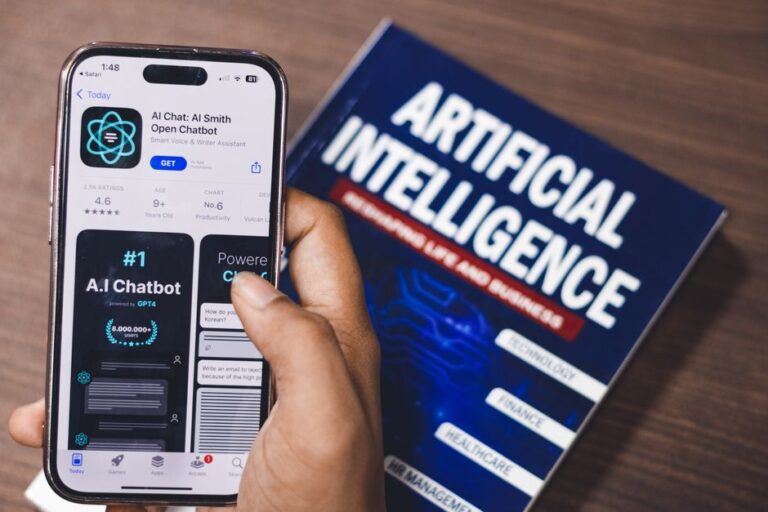
Artificial Intelligence is no longer a futuristic concept; it’s deeply embedded in our news ecosystem. By 2025, AI assists in everything from summarizing lengthy articles and translating content into multiple Indian languages to personalizing your news feed with uncanny accuracy. Newsrooms are leveraging AI for data analysis, identifying emerging trends, and even generating basic reports, freeing up human journalists for in-depth investigations.
Yet, this technological marvel presents a significant challenge: the rise of sophisticated misinformation. Deepfakes – hyper-realistic manipulated videos and audio – are becoming increasingly convincing. AI-generated text can mimic human writing so perfectly that distinguishing it from genuine journalism requires a keen eye and critical thinking. As a young professional, your ability to question, verify, and critically evaluate the source of information is more vital than ever. The line between fact and fiction is increasingly blurred, making media literacy a superpower.
The Credibility Crisis: Battling Fake News in a Vernacular World
India’s diverse linguistic landscape and immense internet penetration have created a fertile ground for both genuine news and rampant misinformation. Platforms like WhatsApp and Telegram, while invaluable for communication, have become hotbeds for the rapid spread of unverified information, often in vernacular languages. In 2025, the battle against fake news isn’t just about English headlines; it’s a multi-lingual, multi-platform war.
Recognizing this, established Indian media houses and independent fact-checking organizations are doubling down on their efforts. Initiatives to combat misinformation are gaining traction, but the sheer volume makes it an uphill battle. For us, the onus is on us to verify. Before sharing, ask yourself: Is this from a reputable source? Has it been fact-checked by organizations like BOOM Live or India Today’s fact-check unit? *Gadgets360* frequently covers the latest tools and apps designed to help users identify fake news, a testament to its growing importance.
Hyperlocal, Niche, and the Creator Economy: Tailoring Your News Diet
While national and international news remain important, 2025 has seen a significant surge in demand for hyperlocal and niche content. Young professionals are increasingly interested in news that directly impacts their community, their industry, or their specific interests. From dedicated newsletters about the Indian startup ecosystem to community-led digital platforms reporting on specific city wards, the focus is shifting.
Simultaneously, the creator economy is empowering independent journalists and content creators. Journalists leaving traditional newsrooms are launching their own newsletters, podcasts, and video series, often offering deeper dives and unique perspectives free from corporate constraints. This diversification means you can curate a news diet that truly serves your professional and personal needs, moving beyond generic headlines to specialized insights. As *TechCrunch* often highlights, this trend of independent content creation is a global phenomenon, finding strong resonance in India’s vibrant digital space.
Staying Sane and Informed: Your Strategy for 2025
Navigating this complex news landscape requires a conscious strategy. Here are a few tips for young Indian professionals:
1. **Diversify Your Sources:** Don’t rely on just one platform or outlet. Mix traditional media with independent journalists, and international perspectives.
2. **Practice Critical Thinking:** Always question headlines, look for corroborating evidence, and check the “About Us” section of unfamiliar news sites.
3. **Embrace Media Literacy:** Actively seek out resources on how to identify deepfakes, propaganda, and biased reporting.
4. **Manage Your Consumption:** Limit your news intake to specific times to avoid anxiety and burnout. Not every breaking news alert needs immediate attention.
5. **Engage with Reputable Fact-Checkers:** Follow organizations dedicated to debunking misinformation.
6. **Support Quality Journalism:** Consider subscribing to news outlets that provide in-depth, verified reporting.
Final Thoughts: Your Role as an Informed Citizen
In 2025, access to information is abundant, but *access to truth* requires active engagement. As young professionals shaping India’s future, your ability to critically consume news, discern facts, and resist the spread of misinformation is not just a personal skill – it’s a civic responsibility. The news isn’t just happening *to* us; it’s a conversation we’re all a part of. By being mindful, analytical, and proactive in our news consumption, we can ensure we remain truly informed and contribute positively to the narrative of a progressive India.
Looking for more? Explore our AI innovations section.
About the Author