How NFC in Budget Phones Changes Contactless Payments in India
For Indian smartphone buyers on a tight budget, every feature counts. When spending under ₹10,000, the focus is usually on core performance, camera, and battery life. However, a feature once exclusive to premium phones – NFC (Near Field Communication) – is now appearing in budget models, promising to change how we pay for things.
Most payments in India happen via UPI, a system that typically involves opening an app and scanning a QR code. NFC introduces a new, faster way: tap-to-pay. This article analyses what NFC on a budget phone means for your daily transactions and whether it should be a priority for your next purchase.
What NFC Actually Does on a Budget Phone
NFC is a short-range wireless technology that allows two devices to communicate when they are brought close together – usually within a few centimetres. Think of it as a very short-range Bluetooth, but designed for quick, secure data exchange rather than continuous connection.
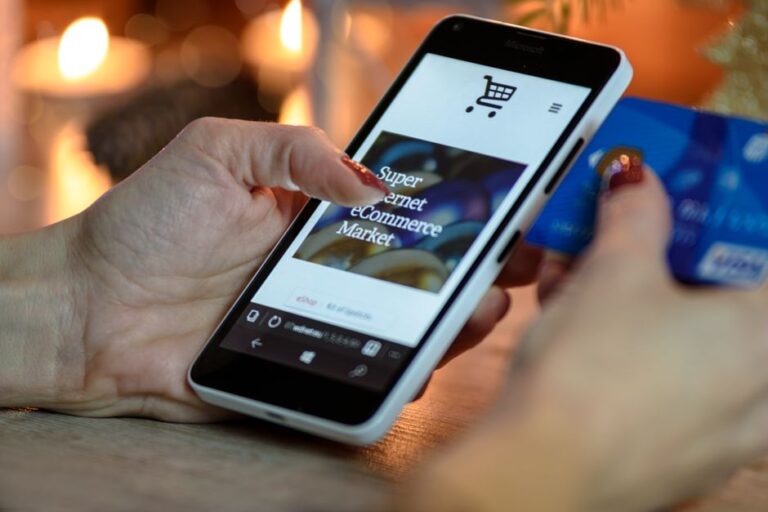
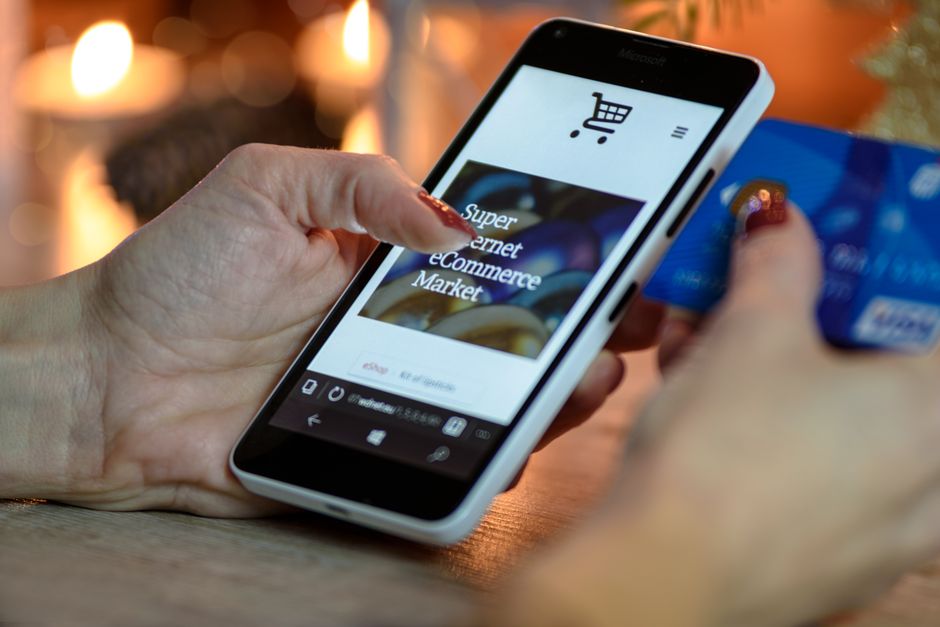
On a smartphone, NFC’s primary consumer use is contactless payments. When your phone has NFC, it can act like a contactless debit or credit card. Instead of swiping, inserting, or scanning, you simply tap your phone on a compatible payment terminal. The transaction happens almost instantly, without needing to unlock your phone, open a payment app, or even enter a PIN for smaller amounts (though this varies by bank and transaction value).
NFC vs. QR Code Payments: A Practical Comparison
UPI has made digital payments ubiquitous in India, primarily through QR codes. Here’s how NFC tap-to-pay compares:
- Speed and Convenience: With QR codes, you typically open your UPI app, select ‘Scan QR’, point your camera, and then enter the amount and PIN. NFC tap-to-pay, once set up, is often faster. You just tap your phone on the payment terminal, and the transaction is initiated directly. For many small payments, this can save precious seconds.
- App Interaction: QR code payments almost always require you to open a specific UPI app (Google Pay, PhonePe, Paytm, etc.). With NFC, if your default payment app is set up for tap-to-pay, the transaction can often be completed without explicitly opening the app first.
- Merchant Support: This is a key difference. QR codes are widely accepted across India, from large stores to street vendors. NFC tap-to-pay requires a specific type of payment terminal, often called a PoS (Point of Sale) machine, that supports contactless card payments. While these are becoming more common in larger retail chains, supermarkets, and some restaurants, they are not yet as pervasive as QR code stickers, especially in smaller shops or informal sectors.
- Internet Dependency: Both methods generally require an internet connection for the transaction to be authorised. However, the initial tap with NFC can sometimes pre-authorise a transaction even with patchy internet, completing once a stable connection is established.
In essence, NFC offers a streamlined, card-like payment experience, while QR codes offer maximum reach and low infrastructure cost for merchants.
Budget Phones with NFC in India (Under ₹10,000)
Until recently, NFC was a premium feature. However, manufacturers are now integrating it into more affordable models, making it accessible to a wider audience. According to published specifications, several phones under ₹10,000 are now including NFC.
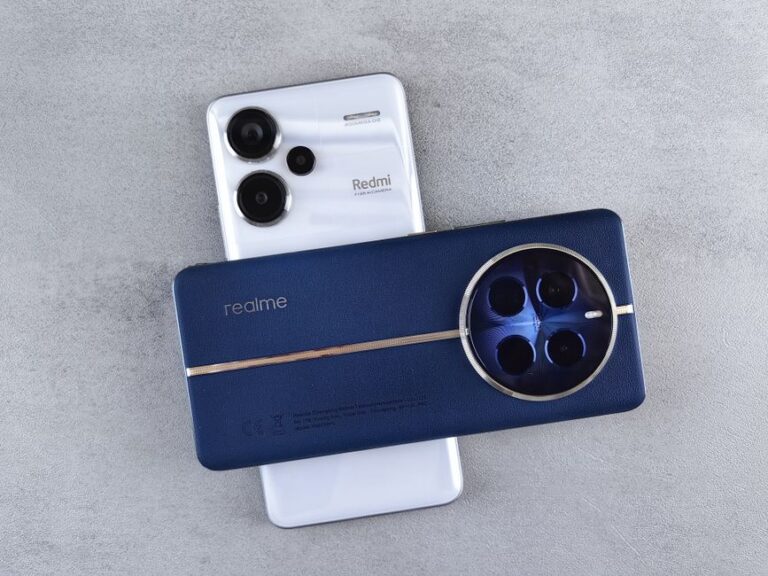
For example, models like the Redmi A3 and Samsung M15 have been noted for offering NFC capabilities at low prices. While specific pricing can fluctuate and is best checked directly from manufacturer websites or retailers, the trend indicates that NFC is no longer a luxury feature. Buyers looking for this convenience should check the detailed specifications of any budget phone they are considering.
How to Set Up and Use NFC Payments
Setting up NFC payments on an Android budget phone is straightforward:
- Enable NFC: Go to your phone’s Settings, search for “NFC,” and toggle it on. You might find it under “Connected devices” or “Connection & sharing.”
- Set Default Payment App: In the NFC settings, look for “Contactless payments” or “Tap & pay.” Here, you can choose your preferred UPI app (like Google Pay) as the default payment service for NFC transactions.
- Add Payment Method: Ensure your UPI account is linked and active within your chosen payment app. For Google Pay, this means your bank account is connected.
To use it, simply ensure NFC is enabled and your phone is unlocked (sometimes even just awake is enough, depending on your security settings). Then, tap the back of your phone on the contactless payment symbol (four curved lines) on the merchant’s PoS machine. The payment app will handle the rest, often prompting you for your UPI PIN for transactions above a certain limit.
Should You Prioritize NFC When Buying a Budget Phone?
This is the core question for many budget-conscious buyers. Here’s an analysis to help you decide:
- For the Convenience Seeker: If you frequently shop at large retail stores, supermarkets, or restaurants that use modern PoS terminals, NFC will offer a noticeable speed and convenience upgrade over QR codes. The tap-and-go experience is genuinely faster.
- For the UPI-Only User: If your current payment habits are almost entirely limited to small vendors using QR codes, or if you rarely visit establishments with contactless terminals, then NFC might not be a game-changer for you right now. You might be better off prioritizing other features like a better camera, larger battery, or more RAM.
- Future-Proofing: As digital infrastructure in India evolves, NFC-enabled terminals are likely to become more widespread. Opting for a budget phone with NFC could be a way to future-proof your device, ensuring you can take advantage of new payment methods as they become available.
- Trade-offs: When a budget phone includes NFC, it often means a compromise in another area. It might have a slightly less powerful processor, a lower-resolution display, or a less capable camera compared to a similarly priced phone without NFC. Always compare the full specifications.
Ultimately, if you value speed and a seamless payment experience and anticipate using contactless terminals, then prioritizing a budget phone with NFC makes sense. However, if your primary payment method will remain QR codes for the foreseeable future, or if other features are more critical to your daily usage, do not feel compelled to choose NFC at the expense of core performance. The key is to assess your personal usage patterns and the types of merchants you frequent.
Related
- Best Phone with Expandable Storage Under 10000 India
- Infinix Smart 8 vs Redmi A3 Comparison: Budget Battle
- Best Phone Under 9000 with NFC in India: September 2026
About the Author