It’s 2025, and India’s tech story isn't just about gleaming skyscrapers and bustling metro stations anymore. It's a vibrant tapestry woven across fields, v
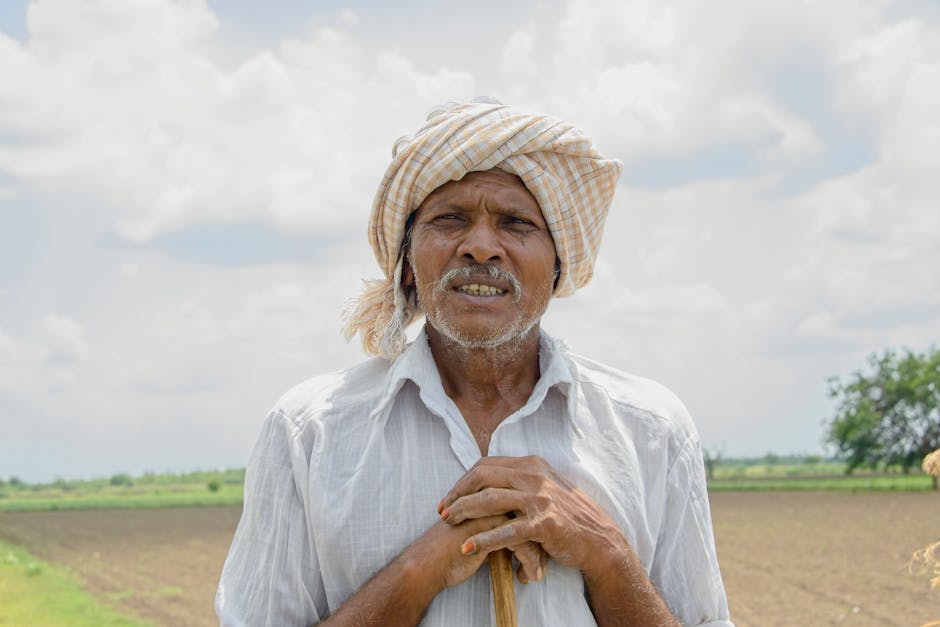
It’s 2025, and India’s tech story isn’t just about gleaming skyscrapers and bustling metro stations anymore. It’s a vibrant tapestry woven across fields, villages, and burgeoning towns, each thread representing a unique digital journey. Imagine Anjali, a marketing professional in Gurugram, effortlessly hailing an EV cab with her smartwatch, her smart home already brewing coffee for her arrival. Then picture Ramesh, a farmer in rural Bihar, checking real-time crop prices on his smartphone, discussing weather forecasts with his son via video call, and even getting government scheme updates through a dedicated app. Both are embracing technology, but their needs, priorities, and adopted solutions are wonderfully, essentially Indian.
This isn’t a simple ‘us vs. them’ narrative. It’s about how technology adapts, evolves, and empowers diverse lives across our incredible nation. Let’s dive into the fascinating world of urban and rural tech adoption in India, offering insights for both the city dweller and the village innovator.
The Evolving Digital Landscape: Two Indias, One Revolution
Recommended Reviews Picks
Samsung Galaxy Watch 6
Seamless ecosystem integration for smart living.
Advanced health monitoring and fitness tracking.
Convenient contactless payments and notifications.
The pace of digital transformation in India has been nothing short of phenomenal. While urban centers have been early adopters of cutting-edge gadgets and high-speed internet, rural India is rapidly catching up, often leapfrogging older technologies directly into the digital age. The widespread rollout of 5G, coupled with aggressive pricing by telecom giants like Jio and Airtel, has democratized internet access like never before. This has paved the way for a distinct, yet interconnected, tech landscape.
In our cities, the narrative revolves around convenience, integration, and performance. Smart homes are becoming commonplace, with everything from smart lighting to robotic vacuums seamlessly integrated. Wearables are not just fitness trackers but extensions of our digital identity, handling payments, notifications, and even health monitoring. The demand for premium smartphones with AI-powered cameras, blazing-fast processors, and extensive app ecosystems remains high. As noted by NDTV Gadgets, the premium smartphone segment continues to see robust growth in urban India, driven by aspirational consumers seeking top-tier experiences.
Meanwhile, rural India’s tech adoption is driven by utility, accessibility, and economic empowerment. The smartphone isn’t just a communication device; it’s a window to education, healthcare, financial services (thanks to UPI!), and agricultural information. Feature phones are still present but increasingly giving way to affordable smartphones that offer local language interfaces and access to essential apps. Government initiatives like ‘Digital India’ and increased digital literacy efforts have been crucial catalysts. We’re seeing a surge in agri-tech apps providing vital data on soil health and crop management, and ed-tech platforms reaching students in remote areas. As highlighted by a report on Gadgets360, localized content and services are key drivers for rural internet adoption, making technology relevant and actionable for daily life.
Buying Tech in 2025: Tailored Tips for Every Indian
Smart home display – Image via Pexels
Whether you’re navigating the concrete jungles or the verdant fields, making the right tech choices is crucial. Here’s a tailored buying guide:
For the Urban Tech Enthusiast:
Ecosystem Integration is Key: Think beyond a single device. If you’re invested in Apple, Samsung, or Google’s ecosystem, leverage it. Your phone, smartwatch, smart speaker, and even laptop can work in harmony, offering unparalleled convenience.
Connectivity Matters: With fiber-to-home and widespread 5G, prioritize devices that can harness these speeds. Look for Wi-Fi 6E/7 support in routers and devices for future-proofing your home network.
Smart Home & IoT: Invest in smart devices that genuinely simplify your life. From smart locks to energy-efficient smart appliances, choose reputable brands with strong security protocols.
Performance & Premium Features: Don’t shy away from flagship smartphones, high-refresh-rate displays, and advanced camera systems if they fit your budget. They offer longevity and a superior user experience.
Subscription Services: Factor in subscriptions for cloud storage, streaming, and productivity suites. They’re an integral part of the urban digital lifestyle.
For the Rural Digital Innovator:
Durability & Battery Life: These are non-negotiable. Look for rugged smartphones that can withstand dust and accidental drops, and prioritize devices with large batteries that last all day, especially where charging points might be scarce. Power banks are your best friend.
Network Compatibility: Ensure the device supports the 4G/5G bands prevalent in your area. Check for good reception capabilities, as network strength can vary.
Local Language Support: A smartphone with robust support for Hindi, Marathi, Bengali, or other regional languages is crucial for easy navigation and content consumption.
Value for Money: Focus on entry-level to mid-range smartphones that offer a good balance of features (decent camera, sufficient RAM, expandable storage) without breaking the bank. Brands like Xiaomi, Realme, and Samsung’s budget offerings shine here.
Offline Capabilities: Features like offline maps, downloadable educational content, and apps that work with intermittent internet can be lifesavers.
Specific Utility: Consider devices or apps tailored for agricultural needs, microfinance, or e-governance services. A smartphone with a clear display for reading documents is a plus.
Final Thoughts
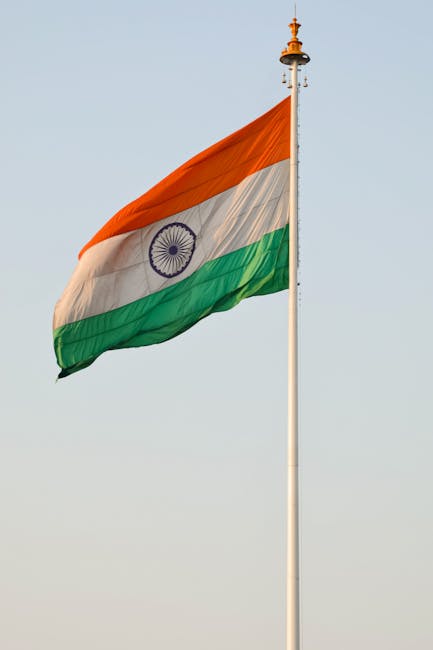
Digital India map – Image via Pexels
India in 2025 is a testament to technology’s transformative power, not just as a luxury, but as an essential tool for progress. The urban landscape thrives on integration and cutting-edge innovation, while rural India leverages technology for empowerment and efficiency. What unites Anjali and Ramesh, the city professional and the village farmer, isn’t just the device in their hand, but the boundless possibilities it unlocks. The beauty lies in this diversity – a digital India where every citizen, regardless of their pin code, finds their own unique way to connect, create, and thrive in the future.