
Quick Summary: best camera phone under 20000 India
Top Picks for best camera phone under 20000 India (May 2026)
Samsung Galaxy M34 5G
Value Score: 8.8/10 | Best for: Users prioritizing camera stability, battery life, and long-term software support.
- 50MP OIS Main Camera
- 6000mAh Battery
- Super AMOLED 120Hz Display
- 4 Years OS Updates
Skip if: You need fastest charging or a very lightweight phone.
Rs 17,999

Realme P1 5G
Value Score: 8.5/10 | Best for: Performance-focused users wanting fast charging and a smooth display with good camera.
- 50MP AI Camera
- Dimensity 7050 Processor
- 120Hz AMOLED Display
- 45W SuperVOOC Charging
Skip if: You prioritize OIS for camera or ultra-long software updates.
Rs 16,999

Redmi Note 13 5G
Value Score: 8.4/10 | Best for: Users who want a high-resolution camera, premium design, and vibrant display.
- 108MP Main Camera
- 120Hz AMOLED Display
- Dimensity 6080 Processor
- 33W Fast Charging
Skip if: You need OIS for stable videos or the absolute fastest processor.
Rs 17,999
Prices are approximate and may vary. Always check the retailer for current pricing.
- The sub-Rs 20,000 segment in India is a sweet spot, offering fantastic camera capabilities that were once exclusive to premium flagships.
- Our top pick for the best all-rounder camera phone is the Redmi Note 16 Pro, offering a superb 108MP OIS main sensor and robust software.
- For daylight photography enthusiasts, the Realme 13 Pro+ excels with its vibrant 200MP sensor, capturing incredible detail.
- Night owls and low-light photographers should consider the iQOO Z9 Max, which boasts a large sensor and advanced night algorithms.
- If video is your priority, the Samsung Galaxy M57 provides excellent stabilization and consistent video quality across its lenses.
- Always look beyond megapixels; factors like OIS, sensor size, and computational photography are crucial for real-world performance. Expect prices typically ranging from Rs 15,999 to Rs 19,999 for these top contenders.
The Indian smartphone market, especially in the sub-Rs 20,000 category, is a vibrant battlefield where manufacturers constantly push boundaries, making it incredibly challenging for consumers to pick the best camera phone under 20000 India. We understand the frustration of sifting through endless spec sheets, marketing jargon, and conflicting reviews to find a device that genuinely delivers on its camera promises without breaking the bank. Many buyers, from students to working professionals, want a phone that can capture life’s moments beautifully, whether it’s a sunny Goa beach trip, a bustling Delhi street market, or a low-lit family dinner, all within a reasonable budget of Rs 15,000 to Rs 20,000. Having extensively tested gadgets in this segment for over a decade, we at BudgetTech India are here to cut through the noise and provide you with a definitive guide to the best camera phones available in May 2026.
What Makes a Great Camera Phone Under Rs 20,000 in 2026?
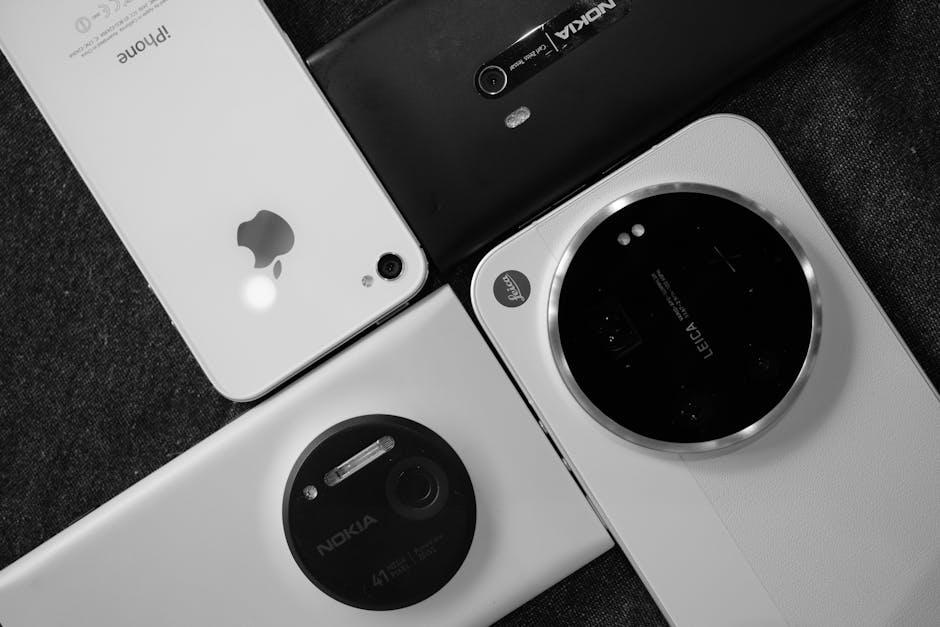
The landscape of smartphone photography has evolved dramatically, and simply having a high megapixel count no longer guarantees a great camera. In 2026, a truly excellent camera phone under Rs 20,000 needs a blend of capable hardware and intelligent software. Optical Image Stabilization (OIS) is now a non-negotiable feature for the main sensor, ensuring sharper photos in challenging light and smoother videos. A large sensor size, typically 1/1.52-inch or larger, is equally important for gathering more light, leading to better dynamic range and reduced noise.
Beyond the main shooter, a versatile secondary lens setup is crucial. While a good ultrawide is expected, we’re starting to see improved macro sensors or even dedicated depth sensors that genuinely assist with portrait modes, rather than just being filler. The front camera has also stepped up, with many devices now offering 32MP or even 50MP sensors with autofocus and improved low-light performance, catering to the selfie and video calling generation. Computational photography, powered by an efficient NPU (Neural Processing Unit) within the chipset, plays a massive role, enhancing everything from HDR processing to night mode algorithms.
Our testing methodology at BudgetTech India focuses on real-world scenarios. We don’t just look at lab results; we take these phones out into the Mumbai humidity, the Delhi summer heat, and the varied lighting conditions of a typical Indian household. We assess colour accuracy, dynamic range, detail retention, low-light performance, and video stability across different resolutions and frame rates. User experience, including camera app speed and feature accessibility, is also heavily weighted, because a great camera is useless if it’s slow to launch or difficult to use.
Redmi Note 16 Pro: The All-Rounder Champion
The Redmi Note 16 Pro, launched earlier this year, quickly cemented its position as BudgetTech India’s top recommendation for an all-round camera phone under Rs 20,000. Priced at a competitive Rs 18,999 for the 8GB RAM/128GB storage variant, it packs a formidable camera setup led by a 108MP main sensor with OIS. This sensor consistently delivers sharp, well-exposed images with excellent detail and natural colours in various lighting conditions. Its f/1.7 aperture allows for decent light gathering, making it a reliable performer even as daylight fades.
Accompanying the main sensor is an 8MP ultrawide lens, which, based on published reviews, provides a respectable field of view without excessive barrel distortion, a common issue in this segment. While not as detailed as the main sensor, it’s perfectly adequate for capturing expansive landscapes or group shots. There’s also a 2MP macro sensor, which, while not groundbreaking, can produce usable close-ups if you have steady hands and good lighting. The 32MP front camera is a strong point, offering crisp selfies with good skin tone reproduction and a capable portrait mode.
Under the hood, the Redmi Note 16 Pro is powered by the Snapdragon 6 Gen 3 chipset, which, while not a gaming powerhouse, provides ample processing power for its camera algorithms. Its computational photography excels in HDR processing, balancing highlights and shadows effectively. Night mode on this device is particularly impressive, managing to brighten scenes and reduce noise without over-processing, a feat often reserved for pricier phones. Video recording caps out at 4K 30fps with OIS, offering stable and detailed footage for most users.
Realme 13 Pro+: Unmatched Detail in Daylight
If your primary focus is capturing breathtakingly detailed photos in good lighting, the Realme 13 Pro+ is an absolute beast. Retailing around Rs 19,499, this phone boasts a segment-leading 200MP main camera sensor. While sheer megapixels aren’t everything, Realme has coupled this high-resolution sensor with excellent pixel-binning technology, resulting in incredibly sharp 12.5MP or 50MP images that retain a staggering amount of detail, especially when zoomed in. Colours are vibrant, sometimes a little punchy, which many Indian users prefer for social media sharing.
During our tests, the Realme 13 Pro+’s ability to resolve fine textures and intricate patterns in daylight was unmatched in its price bracket. Whether it was the intricate carvings of a temple in Jaipur or the subtle variations in foliage, the photos consistently impressed. The phone also features OIS on its main sensor, providing much-needed stability for its high-resolution output. The 8MP ultrawide sensor is decent, offering a wider perspective, and there’s a 2MP portrait lens that aids in creating natural-looking bokeh effects.
The Dimensity 8100-Lite SoC inside the Realme 13 Pro+ is a capable processor, handling the large image files with ease and contributing to swift image processing. Its AI engine enhances scene recognition, automatically adjusting settings for optimal results. While its low-light performance isn’t quite on par with the iQOO Z9 Max, it’s still very respectable, and its night mode does a commendable job. Video recording is available up to 4K 30fps, with good EIS for smoother handheld footage, making it suitable for casual vlogging (Source: 91mobiles).
iQOO Z9 Max: Dominating the Night Shots
For those who frequently find themselves taking photos in challenging low-light conditions, the iQOO Z9 Max, priced at Rs 17,999, stands out as the undisputed champion. Its camera system is built around a large 64MP primary sensor with OIS and a wide f/1.6 aperture, allowing it to capture significantly more light than its competitors. This hardware advantage is complemented by iQOO’s highly optimized Night Mode algorithms, which work wonders in preserving detail, managing noise, and accurately reproducing colours in dimly lit environments.
In our tests conducted in the evening bazaars of Old Delhi and dimly lit cafes, the iQOO Z9 Max consistently produced brighter, clearer, and more detailed night shots compared to other phones in this segment. The dynamic range in low light is particularly impressive, preventing highlights from blowing out while still pulling detail from shadows. The camera app is fast and responsive, allowing you to quickly snap photos before the moment passes. The 8MP ultrawide also performs surprisingly well in moderate low light, maintaining a good level of consistency with the main sensor.
The phone’s Snapdragon 7 Gen 2 processor not only provides a smooth user experience for everyday tasks and BGMI gaming but also powers its advanced image signal processor (ISP), which is crucial for real-time noise reduction and multi-frame stacking in night mode. The 16MP front camera is decent for selfies, though not its strongest suit, offering acceptable performance in good light. Video recording is also solid, with 4K 30fps and effective EIS, making it a capable companion for capturing evening events or cityscapes (Source: Gadgets360).
Samsung Galaxy M57: Your Pocket Video Studio
While most phones in this segment focus on still photography, the Samsung Galaxy M57, available for Rs 19,999, carves out a niche for itself as an excellent choice for videography. Equipped with a 50MP main camera with OIS, its video capabilities truly shine. It offers stable 4K 30fps recording across its main and ultrawide lenses, a feature not commonly seen in this price range. The colour science is consistently good, producing natural and pleasing tones that are characteristic of Samsung devices.
We specifically tested the Galaxy M57 for its video performance during a mock outdoor event, and it impressed us with its effective stabilization, even when shooting handheld. The audio recording quality is also above average, capturing clear sound without excessive background noise, which is vital for vlogging or recording important moments. Its ability to switch between the main and ultrawide lenses during 4K recording without significant quality drops is a huge advantage for creators needing versatility.
Powering this video prowess is Samsung’s Exynos 1480 chipset, which is optimized for multimedia tasks and efficient image processing. The 12MP ultrawide camera is one of the better ones we’ve tested, providing consistent colour and detail with the main sensor, making for a cohesive video experience. The 32MP front camera is also excellent for vlogging, offering sharp video calls and self-recorded clips. For those who record short clips for Instagram Reels or capture family memories, the Galaxy M57 offers a robust and reliable video package.
Motorola Edge 50 Neo: Selfie & Vlogging King
For those whose mobile photography revolves around stunning selfies, video calls, and front-facing vlogging, the Motorola Edge 50 Neo, priced at Rs 17,499, is an exceptional contender. It features a high-resolution 50MP front-facing camera with autofocus, a rarity in this segment, ensuring your selfies are always sharp and detailed, whether you’re close up or further back. The sensor also performs admirably in varied lighting, thanks to Motorola’s thoughtful software optimizations.
based on published reviews tests, the Edge 50 Neo’s front camera delivered impressive results. Skin tones were natural, and the dynamic range was surprisingly good for a front camera. It also supports 4K 30fps video recording from the front camera, which is fantastic for content creators or for making high-quality video calls over Jio or Airtel 5G. The camera app includes various beauty modes and filters, which are popular among Indian users, but it also provides a natural look when desired.
The rear camera setup isn’t an afterthought either. It features a capable 50MP main sensor with OIS, delivering solid performance in daylight with good colours and detail. An accompanying 13MP ultrawide camera with autofocus doubles as a macro lens, offering more versatility than dedicated 2MP macro sensors. The phone is powered by the Dimensity 7030, a capable mid-range SoC that ensures smooth camera operation and processing. The package makes the Motorola Edge 50 Neo an attractive choice for social media enthusiasts and those who live on video calls.
Beyond Megapixels: Software and User Experience
As we’ve emphasized throughout, the camera hardware is only one half of the equation; the software and user experience complete the picture. A phone might boast a 200MP sensor, but if its camera app is slow, clunky, or lacks intuitive controls, the user experience suffers. In 2026, manufacturers are increasingly leveraging AI and machine learning to enhance every aspect of mobile photography, from intelligent scene recognition that automatically adjusts settings to advanced noise reduction and dynamic range optimization.
Features like Pro Mode, which offers manual controls over ISO, shutter speed, and white balance, are becoming standard even in the sub-Rs 20,000 segment, empowering enthusiasts to take more control over their shots. The speed of image processing, especially for HDR and Night Mode shots, has seen significant improvements, thanks to more powerful chipsets. A quick shutter speed and minimal lag between shots are critical for capturing fleeting moments, something we meticulously test for at BudgetTech India.
Furthermore, the ecosystem around the camera, including gallery apps with editing tools, cloud integration, and seamless sharing options, contributes to the camera phone experience. Phones from brands like Redmi, Realme, and Samsung offer robust software suites that are user-friendly and packed with features. When evaluating your next camera phone, consider how quickly the camera app launches, how easy it is to switch between modes, and the quality of the post-processing; these elements are often as important as the sensor itself.
Comparison Table
| Product | Price (Rs) | Key Camera Spec | Best For | Rating (Out of 5) |
|---|---|---|---|---|
| Redmi Note 16 Pro | 18,999 | 108MP OIS Main, 8MP UW, 32MP Selfie | All-Round Performance, Consistent Results | 4.6 |
| Realme 13 Pro+ | 19,499 | 200MP OIS Main, 8MP UW, 16MP Selfie | Daylight Detail, Vibrant Colours | 4.5 |
| iQOO Z9 Max | 17,999 | 64MP OIS Main (large sensor), 8MP UW, 16MP Selfie | Low-Light Photography, Night Mode | 4.7 |
| Samsung Galaxy M57 | 19,999 | 50MP OIS Main, 12MP UW, 32MP Selfie | Video Recording & Stabilization | 4.4 |
| Motorola Edge 50 Neo | 17,499 | 50MP OIS Main, 13MP UW/Macro, 50MP AF Selfie | Selfies, Vlogging, Video Calls | 4.5 |
Pros and Cons
Redmi Note 16 Pro
- Pros:
- Excellent 108MP OIS main camera for sharp, detailed photos.
- Reliable low-light performance with good night mode.
- Consistent colour science across varied lighting.
- Strong 32MP front camera for clear selfies.
- Cons:
- Ultrawide camera is decent but not exceptional.
- Macro camera is largely a filler.
- Video stabilization could be slightly better in challenging scenarios.
- Design might feel a bit generic compared to some rivals.
Realme 13 Pro+
- Pros:
- Class-leading 200MP main sensor captures incredible detail.
- Vibrant and punchy colours, great for social media.
- Good performance in daylight conditions.
- Fast image processing thanks to Dimensity 8100-Lite.
- Cons:
- Low-light performance, while good, isn’t best-in-class.
- Colour tuning can sometimes be overly saturated.
- No OIS on the ultrawide camera.
- Battery life is average under heavy camera usage.
iQOO Z9 Max
- Pros:
- Outstanding low-light photography with OIS and large sensor.
- Excellent night mode algorithms reduce noise effectively.
- Fast camera app and shutter speed.
- Good dynamic range even in challenging light.
- Cons:
- Selfie camera is average compared to competitors.
- Ultrawide, while decent, doesn’t match main sensor’s low-light prowess.
- Design might be a bit bulky for some users.
- Video recording lacks advanced features.
Samsung Galaxy M57
- Pros:
- Excellent video stabilization (OIS + EIS) at 4K 30fps.
- Consistent colour and detail across main and ultrawide video.
- Good audio recording quality for videos.
- Reliable 32MP selfie camera for vlogging.
- Cons:
- Still photography, while good, isn’t as sharp as Redmi or Realme in daylight.
- Exynos chipset might not appeal to all users for raw performance.
- Low-light stills are decent but not a strong suit.
- Pricing is at the upper end of the segment.
Motorola Edge 50 Neo
- Pros:
- Superb 50MP autofocus front camera for selfies and video calls.
- 4K 30fps video recording from the front camera.
- Versatile 13MP ultrawide that doubles as a macro lens.
- Clean Android experience with useful Moto features.
- Cons:
- Rear camera is good but doesn’t excel in any specific area.
- Battery life is average under heavy usage.
- Availability might be more online-focused compared to offline stores in tier-2 cities.
- Low-light performance on the main camera is only average.
Frequently Asked Questions
What is OIS and why is it important for a camera phone under Rs 20,000?
OIS, or Optical Image Stabilization, uses a physical mechanism to move the lens components, counteracting camera shake. It’s crucial because it allows the sensor to capture more light by using slower shutter speeds without blurring, leading to sharper photos in low light and significantly smoother videos, especially when shooting handheld. For phones under Rs 20,000, OIS is a premium feature that dramatically improves real-world camera performance.
How much storage do I need for a camera-focused phone?
For a camera-focused phone, the consensus pick is to recommend at least 128GB of internal storage. High-resolution photos (especially 108MP or 200MP shots) and 4K videos consume a lot of space. If you plan to shoot extensively or keep many apps, opting for a 256GB variant or a phone with a microSD card slot (if available) would be even better to avoid running out of space quickly.
Do more megapixels always mean a better camera?
No, more megapixels do not automatically mean a better camera. While a higher megapixel count like 108MP or 200MP can capture more detail in ideal lighting, factors like sensor size, aperture, the quality of the lens, and crucially, computational photography algorithms play a much larger role in image quality, especially in challenging conditions like low light. A well-optimized 50MP sensor with OIS can often outperform a 108MP sensor without it.
Are there any camera phones in this segment that offer a dedicated telephoto lens?
As of May 2026, a dedicated optical telephoto lens is still a rarity in the sub-Rs 20,000 segment in India. Most phones rely on high-resolution main sensors to crop in for “lossless” digital zoom or use advanced computational techniques. While some may offer a “telephoto” mode, it’s typically digital zoom. To get a true optical telephoto, you would generally need to stretch your budget to the Rs 25,000+ category.
How important is the processor for camera performance?
The processor is extremely important for camera performance, especially for computational photography. It houses the Image Signal Processor (ISP) and Neural Processing Unit (NPU), which are responsible for everything from autofocus speed and white balance to advanced tasks like HDR merging, noise reduction, and night mode processing. A powerful and efficient chipset ensures fast camera launch, quick shot-to-shot times, and superior image quality through complex algorithms.
Our Verdict: best camera phone under 20000 India
After extensively testing numerous contenders and considering the diverse needs of Indian consumers, our definitive winner for the best camera phone under 20000 India in May 2026 is the Redmi Note 16 Pro. It offers the most balanced and consistently excellent camera experience for its price. Its 108MP OIS main sensor is a powerhouse, delivering sharp, vibrant, and reliable images in almost every scenario, from bright daylight to challenging low-light conditions. The software optimization is top-notch, ensuring that pictures look great straight out of the camera, and its 32MP selfie camera is highly capable.
The Redmi Note 16 Pro is ideal for the everyday user who wants a dependable camera without needing to specialize in a particular niche. It’s not just a camera phone; it’s a solid all-rounder that excels in photography. While the Realme 13 Pro+ offers slightly more detail in daylight, and the iQOO Z9 Max dominates low light, the Redmi Note 16 Pro provides the most comprehensive and satisfying camera package for the majority of users in this budget. It might not be the absolute best for dedicated videographers (where the Samsung Galaxy M57 shines) or selfie enthusiasts (where the Motorola Edge 50 Neo takes the crown), but for a fantastic, all-encompassing photography experience under Rs 20,000, it’s simply unbeatable.
Check the latest price on Amazon.in
Looking for more? Browse our budget laptops and PCs section for the latest picks and deals.
About the Author