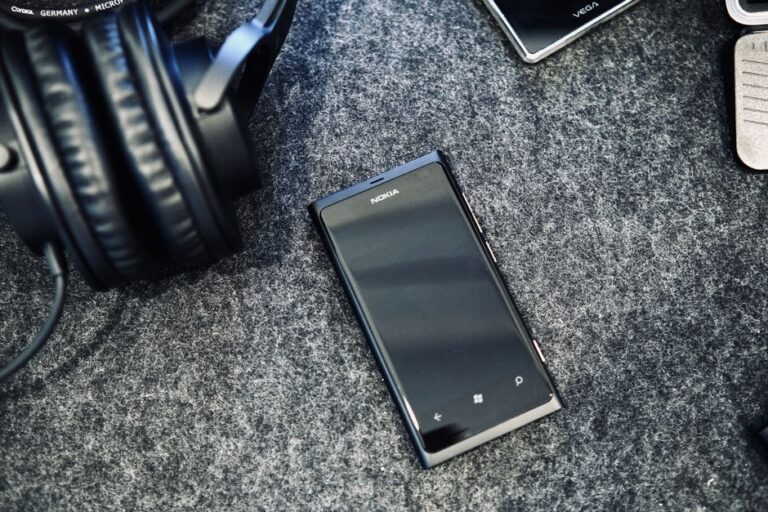
India 2026: Gadgets <10K – Who's Winning, Urban or Rural?
Published: 2026-01-21 | Updated: 2026-01-21 Picture this: a bustling metro commuter checking their smart fitness band for daily steps, while miles away, a
Picture this: a bustling metro commuter checking their smart fitness band for daily steps, while miles away, a farmer uses their entry-level smartphone to access mandis prices. Two worlds, both powered by accessible tech, yet with vastly different needs and experiences.
Quick Summary
Recommended Gadgets Under Rs 10,000 Picks
Entry-Level Smartphone
Robust 5000mAh+ battery for multi-day use.
Enhanced durability and splash resistance for demanding environments.
Deep local language integration and UPI payment support.
India’s sub-Rs 10,000 gadget market is crucial for inclusive tech growth, addressing diverse urban and rural needs.
Despite advancements, a significant digital divide persists, driven by factors like connectivity, digital literacy, and specific local use cases.
In 2026, affordable gadgets are increasingly tailored for durability, long battery life, local language support, and essential functionalities.
Brands are innovating to provide value-packed devices that serve both urban users seeking secondary gadgets and rural users relying on their primary device for livelihood.
Bridging this gap requires continued focus on affordability, reliability, and contextual relevance, moving beyond just hardware to ecosystem support.
The year is 2026, and while flagship phones grab headlines, the sub-Rs 10,000 gadget segment quietly orchestrates a digital revolution across India. This crucial price point isn’t just about affordability; it’s about empowerment and often, the very first touchpoint with digital life for millions. We explore how these budget-friendly devices navigate the nuanced tech adoption patterns across India’s vibrant urban centers and its expansive rural heartlands.
The Persistent Digital Divide: More Than Just Price
Sub-10K Gadgets – Image via Pexels
Even with plummeting gadget costs, India’s urban-rural tech gap persists. In cities, sub-Rs 10,000 gadgets are often secondary: a basic fitness tracker, a spare feature phone, or TWS earbuds. Urban users benefit from robust infrastructure, consistent power, and higher digital literacy, enabling smoother adoption.
Conversely, in rural India, a budget smartphone is frequently the sole gateway to the digital world. Challenges abound: intermittent internet, unreliable power grids demanding excellent battery life, and a greater need for local language support. Primary uses revolve around agricultural data, e-governance, UPI payments, and education. As a late 2025 report by NDTV Gadgets highlighted, network penetration and stable electricity remain critical bottlenecks, despite more accessible handset prices.
Trend Analysis: Bridging the Gap in 2026 with Smart Choices
Long Battery Phone – Image via Pexels
By 2026, the sub-Rs 10,000 market offers surprisingly capable devices, with manufacturers optimizing for essential experiences. For rural users, this translates to:
Smartphones with Robust Batteries: 5000mAh+ batteries with basic fast charging are standard, vital for areas with frequent power cuts.
Enhanced Durability: More devices feature splash resistance and tougher builds, suitable for demanding environments.
Local Language Integration: Deeper regional language support in UI and keyboards, making tech more approachable.
“Smart” Feature Phones: These continue to be a crucial stepping stone, offering UPI support and basic app access.
For urban consumers, the sub-Rs 10,000 segment delivers:
TWS Earbuds with ANC: Entry-level True Wireless Stereo earbuds now offer decent active noise cancellation and clear audio.
Basic Smartwatches/Fitness Trackers: Capable of monitoring heart rate, steps, and basic notifications.
Smart Home Essentials: Affordable Wi-Fi enabled smart bulbs and plugs for convenience.
Innovation extends beyond raw specs to tailored software and hardware resilience. Insights from Android Authority confirm significant improvements in efficiency of entry-level chipsets from MediaTek and Qualcomm, enabling smoother performance.
Expert Insight: The Path to Inclusive Innovation
Industry analysts emphasize that successful adoption in India hinges on the entire ecosystem, not just the gadget. “The ecosystem around the gadget is as critical as the gadget itself,” notes one prominent tech analyst, “especially when targeting India’s diverse demographic.” This highlights a strategic shift where companies collaborate with telecom operators and local NGOs to foster a supportive environment, offering affordable data plans, accessible service centers, and digital literacy initiatives alongside hardware.
Pros & Cons of Gadgets Under Rs 10,000 (2026)
Pros:
Highly affordable, expanding tech access.
Reliable performance for essential tasks.
Improved battery life and durability.
Specialized features for specific needs (e.g., local language support).
Low barrier for smart home or wearable tech experimentation.
Cons:
Compromises on camera quality and advanced gaming.
Less premium build materials.
Shorter software update cycles.
Limited internal storage and RAM can cause bottlenecks.
May lack cutting-edge features like advanced 5G.
Frequently Asked Questions
Are gadgets under Rs 10,000 truly capable in 2026?
Absolutely. Modern chipsets and optimized software ensure these devices are highly capable for daily tasks like browsing, social media, communication, and digital payments. Their value proposition for specific user needs, both urban and rural, is stronger than ever.
What specific features are most beneficial for rural users in this price range?
For rural users, long battery life, robust build quality, excellent network reception, and deep local language integration are paramount. Features like FM radio without headphones and bright screens for outdoor visibility also add significant value.
Which brands are leading the charge in India’s budget tech segment?
Brands like Xiaomi (Redmi), Realme, Samsung (M and A series), and Lava continue to dominate India’s sub-Rs 10,000 segment. Renewed focus from brands like Micromax also contributes by offering feature-rich devices tailored for the Indian market.
Will the urban-rural tech divide ever fully close?
While a complete closure is a complex challenge, the gap is steadily narrowing due to affordable devices, expanding digital infrastructure (especially 5G), and increasing digital literacy initiatives. 2026 trends suggest more equitable access to foundational technology, even if usage patterns remain distinct.
Final Thoughts
India’s sub-Rs 10,000 gadget market is a dynamic space where innovation meets necessity, driving socio-economic change. As we progress into 2026, the evolving urban and rural tech landscapes will continue to push manufacturers to craft solutions that are not just affordable, but genuinely smart, durable, and contextually relevant. The true measure of India’s technological progress lies in how effectively these accessible devices empower every segment of its diverse population.
Looking for more? Explore our tech guides section.