Published: 2026-01-20 | Updated: 2026-01-20 Did you know that by 2026, India is projected to have over 1 billion smartphone users? That's nearly 70% of the
Did you know that by 2026, India is projected to have over 1 billion smartphone users? That’s nearly 70% of the population holding the future in their palms.
As we stand on the cusp of this digital revolution, the question isn’t just how many phones we’ll have, but what these devices will truly be capable of. What will the smartphone of 2026 look like, feel like, and understand about us?
Quick Summary
Recommended Smartphones Picks
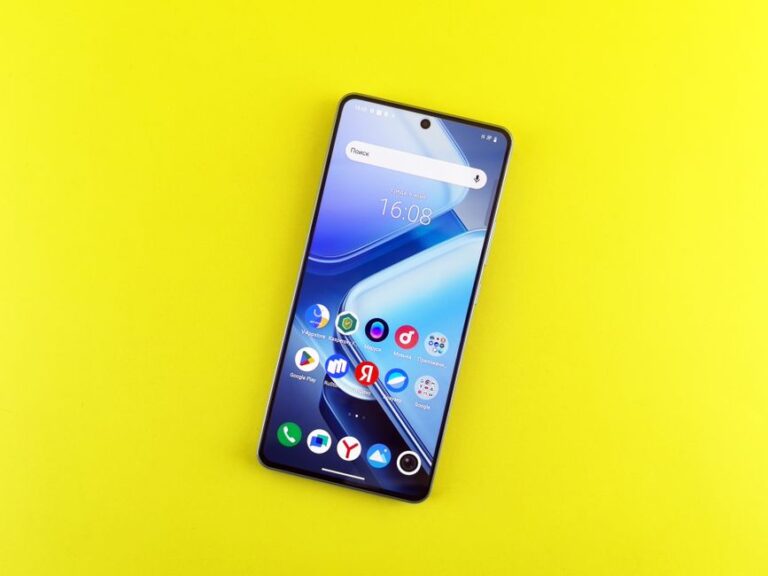
Realme 12x 5G
Efficient Dimensity 6100+ 5G processor for seamless performance.
Large 5000mAh battery with 45W fast charging for all-day power.
Clear 50MP AI camera and a smooth 120Hz display experience.
AI will be deeply embedded, offering hyper-personalized experiences and predictive assistance.
Sustainability and repairability will become key differentiators, driven by consumer demand and regulations.
Advanced haptics and multi-sensory feedback will create more immersive interactions.
Battery technology will see significant advancements, alongside ultra-fast and efficient charging solutions.
Foldables and new form factors will mature, becoming more accessible and practical for the Indian market.
The Current Conundrum: More Than Just Specs
Foldable Phone – Image via Pexels
Today’s smartphones, while powerful, often feel like iterative upgrades. Users in India, from bustling metros to burgeoning tier-2 cities, crave more than just faster processors or slightly better cameras. The ‘problem’ isn’t a lack of innovation, but a gap between raw technological capability and truly seamless, intuitive, and long-lasting user experiences. Battery anxiety remains real, repair costs are a pain point, and the sheer volume of digital noise can be overwhelming. We need devices that are not just smart, but wise – understanding our needs, anticipating our next move, and respecting our time and planet.
Unpacking the Trends: A Glimpse into 2026
Eco-friendly Smartphone – Image via Pexels
The next two years promise a seismic shift in smartphone design and functionality. Here’s what digital trend analysts are forecasting:
AI as Your Digital Twin: Forget basic voice assistants. By 2026, on-device AI will be omnipresent, learning your habits, preferences, and even emotional states to offer proactive assistance. Imagine your phone automatically curating news specific to your interests, optimizing your daily schedule based on traffic and meetings, or suggesting healthy habits tailored to your routine. This deep personalization will redefine the user interface.
Sustainable & Repairable by Design: The ‘right to repair’ movement, coupled with growing environmental consciousness, will push manufacturers towards more modular designs, longer software support cycles, and the use of recycled materials. As noted by industry experts on Gadgets360, brands that embrace sustainability will gain significant market share, especially among younger, eco-aware Indian consumers. Expect easily replaceable batteries, standardized parts, and transparency in lifecycle impacts.
Beyond the Screen: Haptics & Sensory Feedback: Interaction won’t just be visual and auditory. Advanced haptic motors will provide nuanced tactile feedback, making gaming more immersive, typing more intuitive, and notifications more informative without needing to look at the screen. Imagine feeling the texture of a fabric when browsing an e-commerce site, or distinct vibrations guiding you through a crowded market.
Powering the Future: Battery Breakthroughs: Solid-state batteries, while still in development, are expected to make significant inroads, offering vastly improved energy density and faster charging speeds. Coupled with advanced power management AI, we could see devices comfortably lasting two days on a single charge. Ultra-fast charging, perhaps topping up in under 10 minutes, will become standard, addressing a major pain point for users across India.
Foldables Go Mainstream (ish): While still niche, the foldable form factor will mature significantly. Prices will drop, durability will improve, and software optimization will make them truly practical. For the Indian market, companies like Samsung and OnePlus will likely introduce more budget-friendly foldable options, targeting professionals and power users who value screen real estate for productivity and entertainment, as highlighted in market analyses by Android Authority.
Expert Insight: The Converging Ecosystem
“The smartphone of 2026 won’t just be a device; it will be the central hub of a highly intelligent, interconnected personal ecosystem,” states a recent report from TechCrunch. “We’re moving beyond simple connectivity to true contextual awareness. Your phone will seamlessly interact with your smart home, wearables, and even your vehicle, creating a unified experience that anticipates needs and minimizes friction. The focus will shift from what the phone *can do* to what it *helps you achieve*.”
Pros & Cons of the 2026 Smartphone Landscape
Pros:
Hyper-personalized user experiences through advanced AI.
Significantly improved battery life and ultra-fast charging.
More durable and repairable devices, reducing e-waste.
Innovative form factors offering new use cases for productivity and entertainment.
Seamless integration with other smart devices, creating a cohesive digital life.
Cons:
Potential for increased data privacy concerns with deeper AI integration.
Initial cost of cutting-edge sustainable and AI-powered devices might remain high.
Risk of digital overload if not managed thoughtfully by the user and design.
The learning curve for new, complex features might be steep for some users.
Frequently Asked Questions
Will smartphone prices skyrocket with these new technologies?
While cutting-edge features will always command a premium, competition, especially in the Indian market, will drive prices down relatively quickly. Expect advanced AI and sustainable features to trickle down to the mid-range segment within a year or so of their premium debut, much like 5G did.
How will enhanced AI impact my privacy?
Privacy will be a critical battleground. Expect stricter regulations and clearer user controls around data sharing. On-device AI processing will also become more prevalent, meaning less data needs to leave your device for certain personalized functions, offering a layer of privacy by design.
Are foldable phones really going to be a big deal in India by 2026?
While they won’t dominate the market, foldables will certainly establish a stronger foothold. Improved durability, lower price points for entry-level foldables, and compelling software experiences will make them an attractive option for a growing segment of tech-savvy Indian consumers, particularly those valuing multitasking and media consumption.
Will battery life actually improve significantly, or is it just hype?
It’s not just hype. Advancements in battery chemistry (like solid-state), coupled with vastly more efficient chipsets and AI-driven power management, are set to deliver tangible improvements. Expect the ‘all-day battery’ promise to truly mean two days for many users by 2026.
Final Thoughts
The smartphone of 2026 isn’t just a phone; it’s a personalized assistant, a sustainable companion, and a window into an ever-more integrated digital world. For India, this evolution means more accessible technology that truly understands and adapts to diverse user needs, empowering a billion-plus connected lives. The journey ahead is exhilarating, promising devices that are not just smarter, but truly intuitive and indispensable.
Looking for more? Explore our tech guides section.