
Published: 2026-01-20 | Updated: 2026-01-20
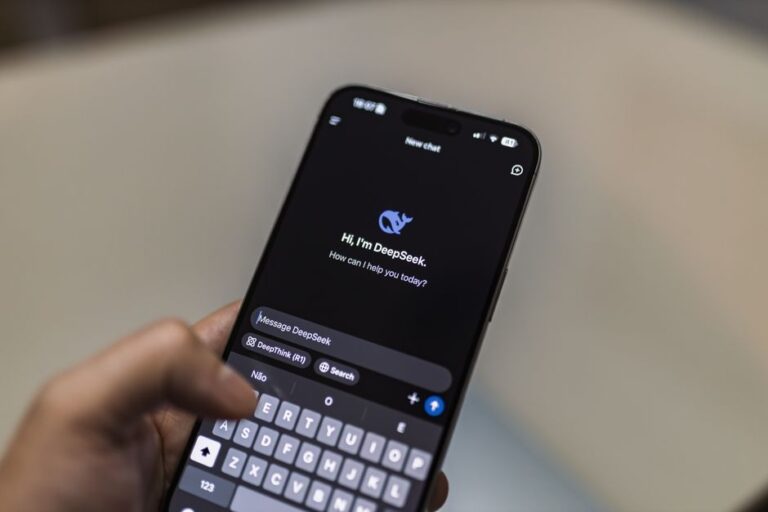
Ever asked your phone a question in Hinglish and it actually understood? Or had an app suggest the perfect local chai spot you didn’t even know existed? Welcome to 2026, where AI isn’t just a buzzword; it’s practically your neighbour.
In today’s Bharat, Artificial Intelligence is quietly reshaping how millions of Indian consumers live, work, and play. From the bustling metros to emerging Tier 2 cities, AI-powered tech is no longer futuristic gadgetry but an integral part of our daily rhythm. Let’s dive into how this intelligence is truly influencing the Indian consumer landscape.
Quick Summary

- AI seamlessly integrates into daily Indian life, from smart assistants to personalised shopping.
- Personalisation, convenience, and accessibility are key drivers of AI adoption in India.
- Concerns around data privacy and digital literacy remain crucial challenges for widespread AI.
- Indian startups are leveraging AI to solve unique local problems, creating new market opportunities.
- The future of AI in India promises further innovation, economic growth, and ethical considerations.
The AI Wave: More Than Just Hype in Bharat

Remember when “smartphones” felt revolutionary? Now, in 2026, AI is having that same seismic effect, but with a much deeper integration. It’s not just about a fancy feature; it’s about the intelligence powering the entire experience. From predictive text that understands your local slang to smart home devices responding to regional languages, AI is making technology truly accessible and intuitive for the diverse Indian population.
The beauty of AI’s adoption in India lies in its ability to bridge gaps. Think about voice assistants trained on various Indian accents and languages, helping those with lower digital literacy navigate complex interfaces. Or imagine e-commerce platforms using AI to recommend products based on regional festivals and local tastes, making online shopping feel incredibly personal. This isn’t just about global tech giants; a vibrant ecosystem of Indian startups, as highlighted by a recent TechCrunch analysis, is building AI solutions specifically for our unique market needs.
AI in Your Pocket: Real-World Use Cases for Indian Consumers
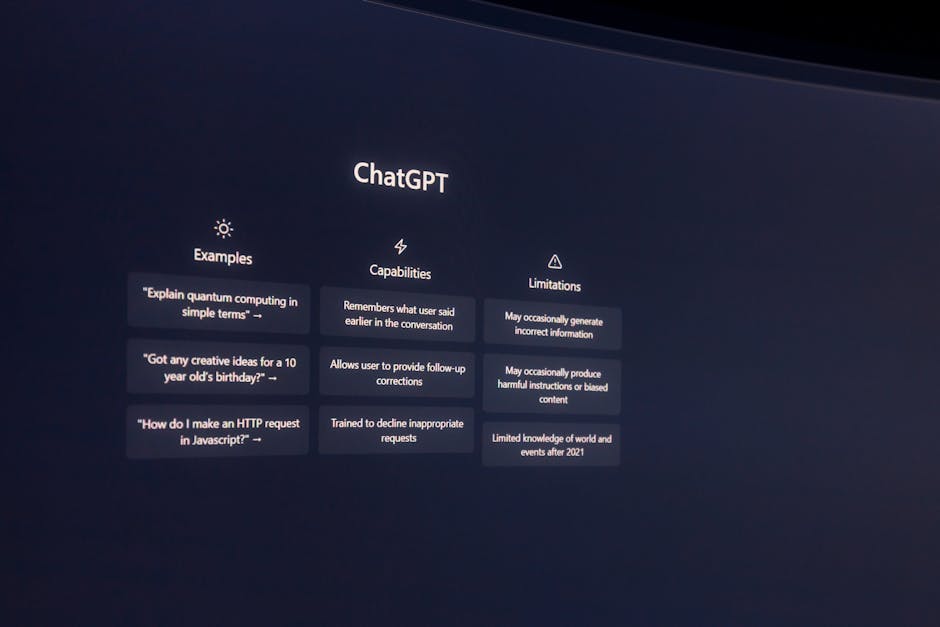
Let’s talk brass tacks. How are average Indians actually using AI? It’s everywhere:
- Smart Personal Assistants: Beyond just setting alarms, AI assistants like ‘Aira’ (an imaginary local AI) are helping users manage their finances, book local services, and even translate conversations in real-time, often understanding a mix of English and regional languages effortlessly.
- Hyper-Personalised Shopping: Online retailers are leveraging AI to offer incredibly tailored recommendations. Imagine getting fashion suggestions for upcoming festivals or grocery lists pre-filled based on your family’s weekly consumption patterns, even suggesting the best local deals.
- Financial Management: AI-powered apps provide budgeting advice, track expenses, and even offer micro-investment suggestions, democratising access to financial guidance that was once exclusive. NDTV Gadgets recently covered how several Indian fintechs are using AI to provide personalised investment insights, even for small-ticket investors.
- Ed-Tech Revolution: AI tutors are adapting learning modules to individual student paces and styles, offering personalised feedback and making complex subjects more digestible for students across the country.
- Healthcare Accessibility: While not replacing doctors, AI-driven platforms are assisting with preliminary symptom checkers, appointment scheduling, and even medication reminders, especially beneficial in remote areas with limited access to specialists.
The Good, The Bad, and The Algorithmic: Pros & Cons of AI Adoption
Like any powerful technology, AI comes with its own set of advantages and challenges for Indian consumers.
- Pros:
- Unprecedented convenience and efficiency in daily tasks.
- Highly personalised experiences across various services.
- Increased accessibility for diverse linguistic and literacy groups.
- Potential for new job creation in AI development, maintenance, and ethical oversight.
- Empowerment through informed decision-making (e.g., finance, health).
- Cons:
- Significant privacy concerns regarding data collection and usage.
- Risk of algorithmic bias leading to unfair or discriminatory outcomes.
- Potential for job displacement in certain traditional sectors.
- The digital divide could widen if access to AI-powered tools isn’t equitable.
- High cost of advanced AI solutions might create an economic barrier for some.
FAQ
Is AI really changing daily life in India?
Absolutely. From your smartphone’s smart assistant understanding your local dialect to e-commerce platforms suggesting products based on your specific regional preferences, AI is deeply embedded in the everyday tech experiences of millions of Indians in 2026.
What are the main concerns about AI for Indian users?
Key concerns revolve around data privacy and security, as AI systems often require vast amounts of personal data. There’s also the worry about algorithmic bias, which could lead to unfair outcomes, and the potential for job displacement in certain sectors as automation increases.
Will AI make jobs disappear in India?
While AI will automate some routine tasks, leading to job displacement in specific areas, it’s also expected to create many new jobs in AI development, ethical oversight, data management, and roles that require human creativity and complex problem-solving. The job market will transform, not necessarily shrink.
How can an average Indian consumer make the most of AI?
Embrace AI-powered features in your everyday apps for convenience (e.g., smart assistants, personalised recommendations). Explore educational apps with AI tutors, and use financial tools for better budgeting. Stay informed about data privacy practices and choose reputable services to maximise benefits safely.
Final Thoughts
The journey of AI in India is still unfolding, but one thing is clear: it’s no longer just a futuristic concept. It’s an active, evolving force deeply woven into the fabric of consumer life. While challenges like data privacy and equitable access demand careful navigation, the potential for AI to drive innovation, empower individuals, and solve uniquely Indian problems is immense. We’re not just witnessing a tech revolution; we’re actively participating in shaping an intelligent Bharat.
Looking for more? Explore our smartphone deals section.
About the Author