Bharat’s Smart Surge: 2026 Digital India Unlocked!
Published: 2026-01-16 | Updated: 2026-01-16 The afternoon sun beat down on Laxmipur village, but inside his modest shop, Ramesh wasn't sweating. His smartp
The afternoon sun beat down on Laxmipur village, but inside his modest shop, Ramesh wasn’t sweating. His smartphone, propped against a stack of biscuits, displayed the latest wholesale rates for grains, updated instantly from the nearby mandi. A quick UPI payment confirmed a fresh order, ensuring his shelves remained stocked.
Just five years ago, this level of digital fluency in a tier-3 town like Laxmipur was a distant dream. Now, it’s the everyday reality, transforming lives, livelihoods, and the very fabric of regional India.
Quick Summary
Recommended Smartphones Picks
Redmi Note 15 5G
Massive 5500mAh battery with 33W fast charging support.
High-resolution 108MP main camera for detailed photos.
Robust 5G connectivity and excellent regional language UI.
Smartphones are driving an unprecedented digital adoption surge in regional India by 2026.
Affordable, feature-rich devices and widespread internet access are key catalysts.
Digital literacy and local content are empowering users beyond metropolitan areas.
Buying decisions prioritize battery life, durability, and regional language support.
The future promises even deeper integration of smartphones into daily life and local economies.
The Digital Tide Reaches Every Corner: India’s Smartphone Revolution in 2026
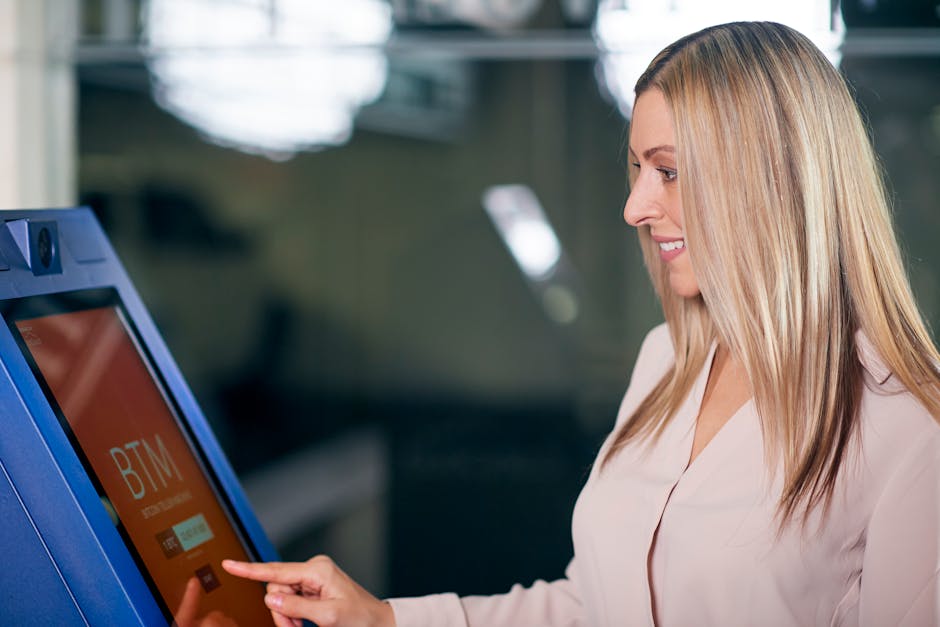
UPI payment scan – Image via Pexels
Forget the old narrative of digital India being a metro phenomenon. By 2026, the real story unfolds in the heartland. From farmers checking crop prices to artisans selling their wares on e-commerce platforms, the smartphone has become the ultimate equalizer. This isn’t merely about owning a device; it’s about accessing information, education, entertainment, and economic opportunities that were previously out of reach.
What fueled this rapid expansion? A confluence of factors. Government initiatives like Digital India continue to lay foundational infrastructure, while competitive data plans make internet access incredibly affordable. More crucially, smartphone manufacturers have stepped up, offering robust, feature-packed devices tailored for the budget-conscious consumer, often priced well under ₹20,000.
Recent analysis by Gadgets360 highlights a significant shift: a majority of new smartphone activations now originate from tier-2, tier-3 cities, and even rural areas. This demographic isn’t just consuming content; they’re creating it. Local language content, from educational videos to regional entertainment, thrives on these devices. Furthermore, the ubiquitous adoption of UPI has turned smartphones into personal banking branches, processing billions of transactions daily, even in the remotest corners.
Android Authority has also pointed out the growing importance of regional language interfaces and voice commands. Users in smaller towns are comfortable interacting with their devices in Hindi, Marathi, Bengali, or Tamil, making technology truly accessible and intuitive. This localized approach has been pivotal in breaking down digital barriers and fostering genuine adoption.
Navigating the Market: Your 2026 Smartphone Buying Guide for Regional India
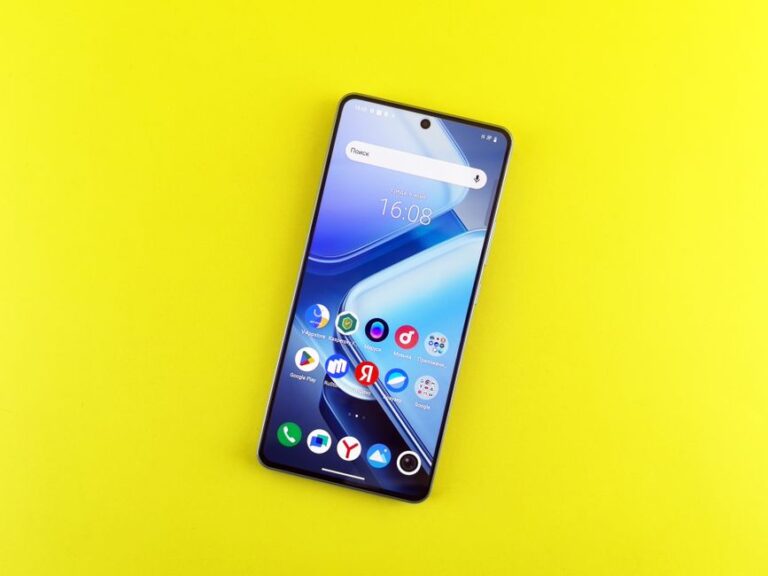
Regional smartphone user – Image via Pexels
So, if you’re in a regional Indian market looking for a new smartphone in 2026, what should you prioritize? Your needs might differ significantly from someone in a bustling metro. Here’s what matters:
Battery Life is King: Power cuts can still be a reality. Opt for phones with large batteries (4500mAh and above) and efficient processors. Fast charging is a huge bonus.
Durability Matters: Life in regional India can be tough on gadgets. Look for sturdy builds, splash resistance, and perhaps even a good protective case included in the box.
Regional Language Support: Ensure the phone offers seamless support for your preferred local language in its UI, keyboard, and voice assistants.
Ample Storage: Offline content (movies, educational videos, music) is crucial where internet connectivity might be spotty. Prioritize devices with at least 128GB internal storage or expandable storage options.
Reliable Connectivity: Check for good network band support, especially for 5G if available in your area, and dual SIM functionality for flexibility.
Decent Camera: For family photos, community events, or even documenting local produce, a capable camera is always appreciated.
After-Sales Service: Look for brands with a strong service network in tier-2 and tier-3 cities. Easy access to repairs and support is invaluable.
Smartphones in Regional India: The Pros & Cons
Pros:
Unprecedented access to information and education.
Economic empowerment through e-commerce, digital payments, and job searches.
Bridging communication gaps for families and communities.
Access to diverse entertainment in regional languages.
Improved access to government services and healthcare information.
Cons:
Risk of misinformation and digital scams.
Challenges in digital literacy for older generations.
Potential for screen addiction and associated health concerns.
Dependence on stable electricity and internet infrastructure.
Limited repair and service options in very remote areas.
Frequently Asked Questions
Q1: What are the most important features for a smartphone in regional India in 2026?
A1: Strong battery life, good durability, ample storage for offline content, reliable network connectivity, and robust regional language support are paramount for users in regional India.
Q2: Is online payment (UPI) widely adopted in regional India by 2026?
A2: Absolutely. UPI has become a cornerstone of daily transactions across most of India, including smaller towns and villages, thanks to widespread smartphone penetration and user-friendly interfaces.
Q3: How much should one expect to spend on a good smartphone for regional use?
A3: Excellent options are readily available in the ₹10,000 to ₹20,000 range, offering a superb balance of features, performance, and durability perfectly suited for most needs in regional India.
Q4: What role do smartphones play in local businesses in 2026?
A4: Smartphones are vital tools for local businesses, enabling online presence, digital payments, inventory management, connecting with suppliers, and expanding their customer base beyond geographical limits.
Final Thoughts
The smartphone isn’t just a gadget in regional India; it’s a catalyst for change, a window to a wider world, and an engine for local progress. The stories of Ramesh the shopkeeper and countless others are testaments to its transformative power. As we move further into 2026, the journey of digital adoption in India’s heartland continues to unfold, promising an even more connected, informed, and empowered future for millions.
Looking for more? Explore our tech guides section.