

Published: 2026-01-14 | Updated: 2026-01-14
The alarm on Riya’s phone gently nudged her awake at 7 AM. Before even rubbing the sleep from her eyes, her thumb instinctively scrolled through a personalized news feed, a quick check of her friends’ latest reels, and a glance at her smart home dashboard. This wasn’t a scene from a sci-fi movie; this was just another Tuesday morning for a young Indian in 2026.
In today’s fast-paced digital landscape, understanding the pulse of India’s youth is crucial. Their tech habits are not just personal preferences; they are powerful indicators of market shifts, innovation demands, and the very fabric of our connected future.
Quick Summary

- Indian youth are embracing a hyper-connected, AI-driven digital lifestyle.
- Smartphone penetration and budget 5G devices are fueling this rapid adoption.
- Content consumption is shifting towards interactive, personalized experiences across diverse platforms.
- Digital payments and gig economy tools are empowering economic independence.
- Balancing the benefits of tech with potential pitfalls like screen time and privacy remains a key challenge.
The Digital Pulse of Young India: A Day in 2026

From online classes and collaborative projects to quick UPI payments for street food and late-night gaming sessions with friends across time zones, tech isn’t just a tool for young Indians; it’s an extension of their identity. The ubiquitous smartphone, now often a budget 5G marvel with incredible camera capabilities, serves as their primary gateway to a world of information, entertainment, and opportunity. Smart wearables track their fitness, voice assistants manage their schedules, and AI-powered educational apps personalize their learning journeys. It’s a seamless, often subconscious integration that defines their daily existence.
Decoding the Data: What the Numbers Say About Youth Tech in 2026
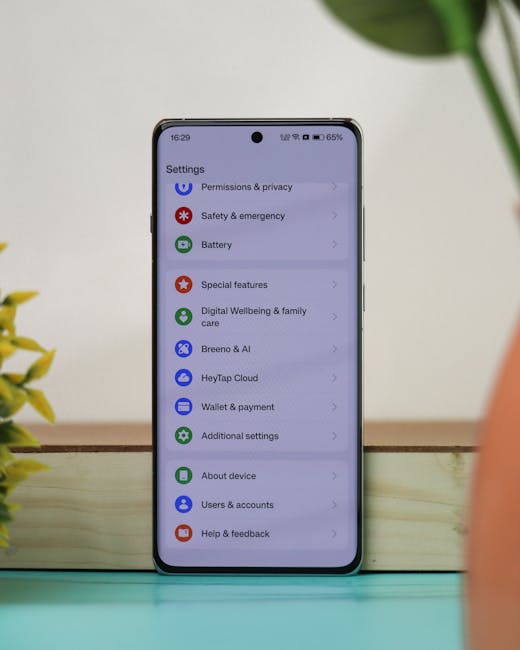
Recent reports paint a vivid picture of this digital immersion. According to an analysis by *Gadgets360*, smartphone penetration among the 18-35 age group in India has soared to over 95% by early 2026, largely driven by the affordability of advanced features and widespread 5G availability. Data consumption per user continues its upward trajectory, with short-form video content, cloud gaming, and live streaming services dominating usage metrics.
What’s truly fascinating is the diversification of tech use. While social media remains a cornerstone, there’s a significant surge in utility-driven applications. Fintech apps offering micro-investments and instant loans are gaining traction, alongside AI-powered productivity tools for students and young professionals. A study highlighted by *NDTV Gadgets* indicates that nearly 60% of young Indians now use at least one AI-based application daily, ranging from smart photo editors to personalized learning platforms, showcasing a rapid embrace of emerging technologies.
Then vs. Now: A Shifting Landscape
Cast your mind back just a few years, to 2023 or 2024. While smartphones were prevalent, the sheer *depth* of integration was different. Back then, 4G speeds often struggled with the demands of high-fidelity video calls or cloud gaming. Budget phones, while functional, often compromised on camera quality or processing power. Fast forward to 2026, and the landscape is virtually unrecognizable. Sub-INR 15,000 5G smartphones offer premium experiences, often sporting features like AMOLED displays and multi-lens camera setups, previously reserved for flagships.
The content consumed has also evolved dramatically. While TikTok clones were popular, today’s youth demand hyper-personalized, interactive content. Think live commerce streams where they can directly influence product design, or interactive storytelling games that adapt to their choices. The gig economy, heavily reliant on mobile tech, has also matured, providing unprecedented earning opportunities for many young Indians, from delivery services to online tutoring, all managed through a few taps on their devices.
Pros & Cons of Tech Integration for Young Indians
- Pros:
- Unparalleled access to information and global knowledge.
- Democratization of education through online courses and learning platforms.
- Enhanced connectivity with friends and family, breaking geographical barriers.
- New avenues for entertainment, creativity, and self-expression.
- Increased economic opportunities through the gig economy and digital marketplaces.
- Improved civic engagement and awareness of social issues.
- Cons:
- Potential for excessive screen time and its impact on mental and physical health.
- Exposure to misinformation, cyberbullying, and online scams.
- Privacy concerns regarding data collection and targeted advertising.
- The widening digital divide for those without access to reliable internet or devices.
- Risk of dependency and diminished real-world social interaction skills.
Frequently Asked Questions
How has 5G impacted youth tech usage in India?
5G has been a game-changer, enabling ultra-fast downloads, seamless cloud gaming, high-quality video streaming, and reliable connectivity for remote work and education. It’s unlocked new possibilities for immersive experiences and reduced latency for critical applications, making tech more responsive and integrated into daily life.
Are feature phones still relevant for young Indians?
While smartphone adoption is extremely high, a niche market for smart feature phones still exists, particularly in very rural areas or as secondary devices. However, for the majority of urban and semi-urban youth, smartphones are the primary and indispensable device due to their versatility and access to a vast app ecosystem.
What are the most popular apps among Indian youth in 2026?
Beyond global giants like Instagram and YouTube, indigenous short-video platforms, hyper-casual mobile games, UPI payment apps (like PhonePe and Google Pay), and AI-powered productivity/learning tools are incredibly popular. Apps that foster community, offer personalized content, or enable quick transactions tend to dominate usage.
How is AI shaping the tech experience for young users?
AI is subtly woven into almost every aspect: personalized content recommendations, smart camera features, voice assistants, educational tutoring, and even predictive text. It makes devices smarter, more intuitive, and tailored to individual preferences, enhancing user experience without always being explicitly noticed.
Final Thoughts
The relationship between young India and technology is dynamic, deeply personal, and constantly evolving. As we move further into 2026, their tech usage patterns will continue to dictate innovation, drive market trends, and shape the very definition of connectivity. For brands, developers, and policymakers alike, understanding this vibrant, tech-savvy generation isn’t just about statistics; it’s about anticipating the future and building solutions that truly resonate with their aspirations and challenges. The digital heartbeat of young India is strong, and it’s setting the rhythm for the nation’s technological journey.
Looking for more? Explore our tech guides section.
About the Author