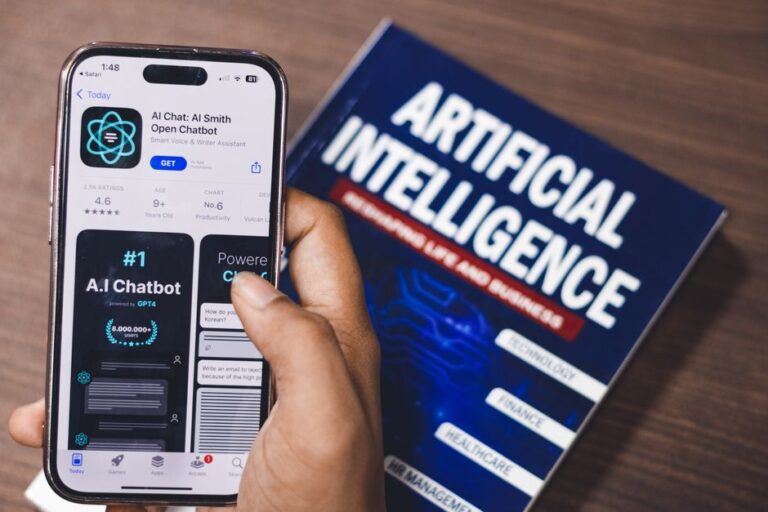

Hey there, fellow tech enthusiasts and news junkies! Welcome back to my corner of the internet where we dissect the coolest gadgets and trends shaping our lives. Today, we’re diving deep into something that isn’t a physical gadget in the traditional sense, but an entire ecosystem that has become as indispensable as our smartphones: **News**. Yes, you heard that right! In 2025, how we consume news, the platforms we use, and the tech behind it, is very much a “gadget” experience in itself – constantly evolving, endlessly fascinating, and sometimes, a little overwhelming.
Let’s be real, the days of waiting for the evening newspaper or the 9 PM news bulletin are practically ancient history for most of us. Especially here in India, where digital penetration is skyrocketing and affordable data plans have put the world at our fingertips, news consumption has undergone a seismic shift. So, grab your chai, settle in, and let’s explore the dynamic world of news in 2025!
The Shifting Sands of News Consumption in India

Remember when news was a one-way street? Not anymore! Today, it’s an interactive, personalized journey. For the Indian audience, this shift is even more pronounced. The sheer volume of smartphone users – projected to cross a billion by 2027, according to some reports – means that news apps are the primary gateways to information for millions. From hyper-local updates about your neighbourhood to global geopolitical shifts, everything is just a tap away.
The biggest players in this space aren’t just traditional media houses anymore. We’re talking about a mix of dedicated news aggregators, social media platforms, and even short-form video apps that have carved out significant niches. The average Indian consumer is savvier, demanding information that’s quick, relevant, and accessible. This demand has fuelled innovation, making the “news gadget” experience incredibly diverse.
AI: Your Personal News Curator (or Overlord?)

Here’s where it gets truly fascinating. Artificial Intelligence isn’t just a buzzword; it’s the invisible hand shaping your news feed. AI-powered algorithms are tirelessly working behind the scenes, learning your preferences, tracking your reading habits, and curating a stream of news tailored just for you. Apps like Inshorts, Dailyhunt, and even the news feeds within Google and Microsoft’s ecosystems, have become incredibly adept at this. They promise to cut through the noise, delivering exactly what you want, often in bite-sized summaries that fit perfectly into our hectic lives.
This personalization is a double-edged sword, though. While it’s fantastic to get news that truly matters to you, it also raises questions about echo chambers and filter bubbles. Are we only seeing what AI thinks we want to see, potentially missing out on diverse perspectives? It’s a valid concern and something we, as consumers, need to be mindful of. The ability to customize and diversify our news sources manually is still crucial, even with the smartest AI at our service. As a report by **TechCrunch** highlighted earlier this year, the future of news personalization hinges on balancing hyper-relevance with serendipitous discovery.
Vernacular Reigns Supreme: The Language Revolution

One of the most significant trends defining news consumption in India is the undeniable rise of vernacular content. While English news still holds sway in urban centres, the real growth story is in regional languages. Apps like Dailyhunt have pioneered this, offering news in multiple Indian languages, catering to the vast majority of India’s population who prefer consuming content in their mother tongue. This isn’t just about translation; it’s about culturally resonant content, local reporting, and community-specific news that mainstream English media might overlook.
This “language gadget” makes news truly accessible, bridging the digital divide and empowering millions with information that was previously out of reach. It also means a massive boom for regional journalism and content creators, fostering a more diverse and representative media landscape. It’s a powerful democratizing force, and a trend that will only intensify as internet penetration reaches deeper into rural India.
Beyond the Screen: News on Smart Speakers & Displays
Our news consumption isn’t limited to phone screens anymore. Walk into any modern Indian home in 2025, and you’re likely to find smart speakers and smart displays playing a pivotal role. “Hey Google, what’s the news headlines?” or “Alexa, play the latest podcast from NDTV” are common refrains. These devices offer a hands-free, glanceable way to stay updated, seamlessly integrating news into our daily routines – while cooking, working out, or just relaxing on the couch.
Smart displays, in particular, offer a visual dimension, showing headlines, weather updates, and even short video snippets. This ambient news consumption is growing rapidly, providing another convenient “gadget” interface for staying informed without actively picking up a device. It’s news that meets you where you are, adapting to your lifestyle.
The Double-Edged Sword: Misinformation & Media Literacy
With great accessibility comes great responsibility. The ease with which news spreads, especially on platforms like WhatsApp and Facebook, has made India a hotbed for misinformation and fake news. This is perhaps the biggest challenge facing the “news gadget” ecosystem. Discerning credible sources from propaganda requires a heightened sense of media literacy, a skill that’s becoming as crucial as digital literacy itself. Fact-checking initiatives, both by news organizations and independent bodies, are vital, but the battle is ongoing.
This issue isn’t just about technology; it’s about societal impact. The proliferation of unverified information can have real-world consequences, from public health scares to communal tensions. As users, our role in verifying sources before sharing is more important than ever. It’s not just about consuming news; it’s about responsible consumption.
What’s Next? AR/VR & Immersive Storytelling
Looking ahead, the “news gadget” is set to become even more immersive. Imagine experiencing a news report not just by reading or watching, but by stepping into a virtual reality reconstruction of an event, or having augmented reality overlays appear as you walk through a city, highlighting historical news points. While still nascent, AR/VR technologies are slowly making their way into content creation, offering unparalleled storytelling potential.
For instance, a special feature on **Gadgets360** recently discussed how newsrooms are experimenting with volumetric video and 360-degree reporting to give audiences a more visceral understanding of stories. This could transform how we connect with news, making it a truly multi-sensory experience that goes far beyond simple text and video.
Final Thoughts: The Dynamic Pulse of Information
So, there you have it. “News” in 2025 isn’t just a category; it’s a dynamic, ever-evolving gadget ecosystem shaped by AI, vernacular content, smart devices, and a constant tug-of-war with misinformation. For us in India, this landscape is particularly vibrant and complex, reflecting our diverse linguistic tapestry and rapid digital adoption. While the tech continues to push boundaries, the core responsibility remains ours: to seek out diverse perspectives, question what we see, and support credible journalism.
The future of news isn’t just about faster delivery or fancier tech; it’s about smarter, more responsible consumption. And that, my friends, is the ultimate upgrade we all need to make.
Looking for more? Explore our AI innovations section.
About the Author