

In a nation as dynamic and diverse as India, the way we consume news has always been a reflection of our societal evolution. As we hurtle towards 2025, the digital revolution isn’t just knocking; it’s orchestrating a complete overhaul of the news landscape. Gone are the days when traditional newspapers and television channels held undisputed sway. India’s burgeoning internet penetration, coupled with an insatiable appetite for information, is fueling a tech-driven transformation that promises a more personalized, accessible, and immersive news experience. Get ready to explore the exciting, sometimes challenging, future of news in India by 2025.
The Rise of Hyper-Personalization and AI-Driven Feeds

Imagine a news feed that understands your pulse, your preferences, and even your regional dialect. By 2025, this won’t be a futuristic fantasy but a common reality for Indian news consumers. Artificial Intelligence (AI) and Machine Learning (ML) algorithms are set to redefine how we discover content. News platforms will leverage these technologies to create hyper-personalized feeds, curating stories based on your past reading habits, geographical location, and spoken language. This means a Bengaluru techie might see more startup news and local traffic updates, while a farmer in rural Punjab might get tailored information on agricultural policies and local market prices.
While the convenience of such tailored news is undeniable, the challenge of avoiding ‘filter bubbles’ and ‘echo chambers’ will also be paramount. Responsible AI integration will focus on balancing personalization with exposure to diverse viewpoints, ensuring that readers aren’t confined to only what they already agree with. This shift is crucial for fostering informed public discourse in a diverse democracy like India.
Vernacular Dominance: Tech Empowering Regional Voices

India’s linguistic diversity is its strength, and by 2025, technology will be the ultimate equalizer for vernacular news. With the next wave of internet users predominantly coming from Tier 2 and Tier 3 cities, and preferring to consume content in their native languages, platforms are scrambling to cater to this demand. AI-powered translation tools, advanced voice recognition, and text-to-speech technologies will make news accessible in over 22 official Indian languages, and even various regional dialects.
This surge in vernacular content will not only be about translation but also about the emergence of hyper-local news platforms. Citizen journalists and small media houses, armed with smartphones and digital tools, will report from the ground up, providing nuanced perspectives often missed by national outlets. This empowerment of regional voices will deepen news penetration, making information relevant and relatable to a much wider audience across the length and breadth of the country.
The Creator Economy Meets News: Micro-Journalism and Niche Content
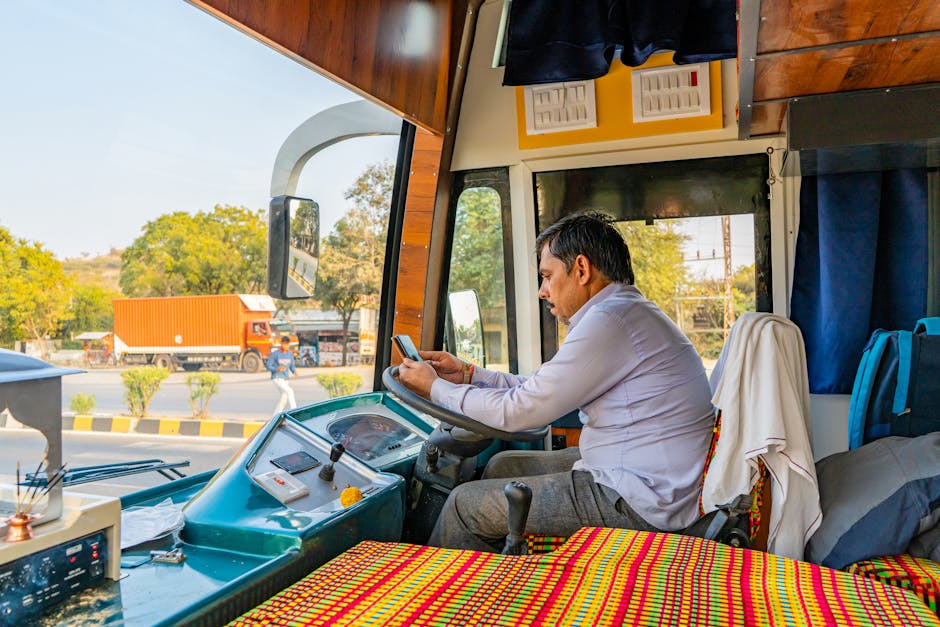
The creator economy, which has already revolutionized entertainment and education, is set to make significant inroads into journalism in India by 2025. Independent journalists, researchers, and subject matter experts will increasingly bypass traditional media houses to connect directly with their audiences. Platforms similar to Substack or Patreon, but tailored for the Indian market, will enable these ‘micro-journalists’ to build sustainable models through subscriptions, crowdfunding, and direct support.
This trend will foster niche content – deep dives into specific industries, investigative reports on local issues, or even specialized explainers on complex topics. It empowers diverse voices and provides a credible alternative to mainstream narratives. For Indian readers, it means access to a broader spectrum of perspectives and highly specialized information that caters to their unique interests, moving beyond the one-size-fits-all approach of legacy media.
Battling Misinformation: AI and Blockchain for Trust
The dark side of digital connectivity is the proliferation of misinformation and fake news, a challenge India has grappled with intensely. By 2025, the fight against this menace will intensify, armed with cutting-edge technology. AI-powered fact-checking tools will become more sophisticated, capable of detecting deepfakes, identifying manipulated content, and cross-referencing information at an unprecedented speed. Blockchain technology might also play a role in establishing content provenance, creating an immutable ledger of news sources and modifications, thereby increasing transparency and trust.
News organizations, tech platforms, and government bodies will likely collaborate more closely on digital literacy initiatives, educating users on how to critically evaluate information. For Indian readers, this means a concerted effort to create a more trustworthy information ecosystem, essential for informed decision-making and maintaining social harmony.
Immersive News Experiences: Video, Audio, and XR
Text will always be fundamental, but by 2025, news consumption will be increasingly multimodal and immersive. Short-form video news, explainer animations, and live interactive streams will dominate digital platforms, catering to shrinking attention spans. The podcast boom in India is just the beginning; audio news summaries, personalized audio bulletins, and in-depth audio documentaries will offer convenient ways to stay informed on the go.
Looking slightly further ahead, Extended Reality (XR) technologies – including Augmented Reality (AR) and Virtual Reality (VR) – will begin to offer glimpses into truly immersive news experiences. Imagine stepping into a virtual recreation of a disaster zone or experiencing a historical event through an AR overlay on your smartphone. While widespread adoption might take longer, initial applications will start to emerge, transforming passive reading into active experiencing.
The future of news in India in 2025 is undeniably digital, personalized, and deeply integrated with technology. From AI-driven feeds to the rise of vernacular voices and the battle against misinformation, the landscape is being reshaped at an incredible pace. This transformation promises a more democratic and diverse media environment, offering unparalleled access to information for every Indian. As readers, our role will be to embrace these innovations while critically engaging with the content, ensuring that technology serves the truth and empowers an informed citizenry.
About the Author