
The year is 2025. India, a nation renowned for its rapid technological adoption, stands at the cusp of a transformative era in how its citizens consume, create, and interact with news. The traditional morning newspaper and prime-time television debates, while still relevant for some, have largely given way to a dynamic, personalized, and often hyper-local digital news ecosystem. Driven by advancements in AI, 5G connectivity, and an insatiable demand for information, the future of news in India isn’t just evolving; it’s undergoing a complete metamorphosis. For the Indian reader, this means unprecedented access, but also new challenges in discerning truth from noise.
The Digital Tsunami: How India Consumes News in 2025

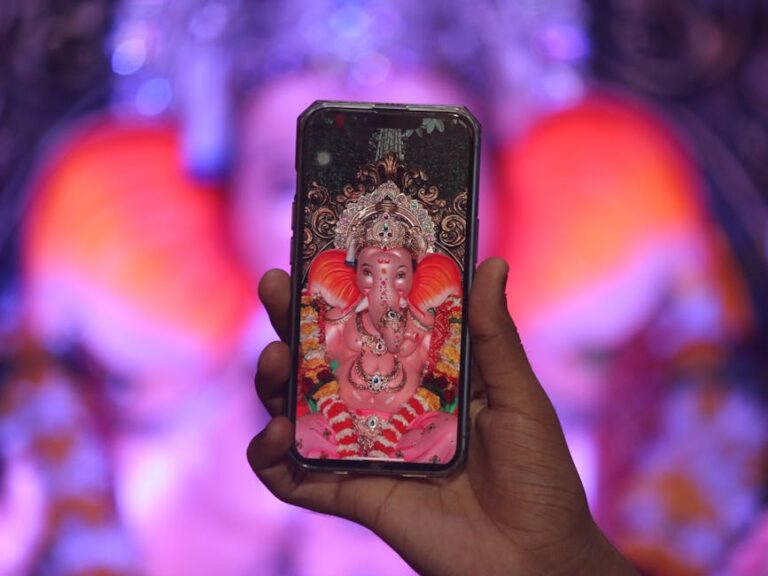
By 2025, India’s digital penetration is staggering. With 5G networks becoming ubiquitous and data plans more affordable than ever, the smartphone isn’t just a communication device; it’s the primary news portal for hundreds of millions. The shift from traditional media to digital-first platforms is now complete, especially among younger demographics. News consumption is no longer a scheduled event but an ongoing, on-demand stream. Short-form video news clips, interactive infographics, and bite-sized audio summaries dominate feeds, catering to the fast-paced lives of urban and rural Indians alike. Apps from established media houses and new-age digital publishers offer personalized dashboards, ensuring users never miss a beat on topics ranging from national politics to local community happenings. This digital revolution is fundamentally reshaping the news landscape in India, making information more accessible than ever before.
AI and Personalization: Your Newsfeed, Your Rules

Artificial Intelligence is the invisible architect behind India’s 2025 news experience. Machine learning algorithms meticulously analyze user preferences, reading habits, and even emotional responses to curate hyper-personalized news feeds. Imagine a news app that knows you prefer economic updates from a specific region, local sports scores, and global tech breakthroughs, delivering precisely that, sometimes even before you explicitly search for it. This AI-driven personalization extends beyond mere aggregation; it powers content summarization, multi-language translation, and even generates initial drafts for routine news reports, freeing up journalists to focus on in-depth investigation. While incredibly convenient, this personalization also raises concerns about ‘filter bubbles’ and ‘echo chambers,’ where users are primarily exposed to information that confirms their existing beliefs, a critical challenge for media literacy in India.
The Rise of Vernacular and Hyperlocal: News That Speaks Your Language

One of the most significant transformations in Indian news by 2025 is the undisputed dominance of vernacular content. While English news remains important, the real growth engine is news in Hindi, Marathi, Bengali, Tamil, Telugu, and other regional languages. Tech platforms have invested heavily in language processing, voice search, and AI-powered translation tools, making high-quality vernacular news accessible to the deepest corners of India. Complementing this is the boom in hyperlocal news. Empowered by cheap smartphones and social media, citizen journalists and small independent news outfits are thriving, covering local municipal issues, community events, and grassroots developments that major national outlets might overlook. Apps are designed to deliver news relevant to a specific district or even a single pin code, fostering a stronger sense of community engagement and accountability at the local level. This trend is democratizing news, giving a voice to previously underrepresented communities.
Battling Misinformation: The Critical Role of Tech and Media Literacy
With great access comes great responsibility, and by 2025, the battle against misinformation and disinformation is more critical than ever in India. The sophistication of deepfakes and AI-generated fake news has escalated, making it incredibly difficult for the average user to distinguish authentic content from fabricated narratives. Tech companies and news organizations are deploying advanced AI tools for real-time fact-checking, anomaly detection in media, and source verification. However, technology alone isn’t enough. There’s a concerted effort across educational institutions, NGOs, and government bodies to promote media literacy among Indian citizens. Campaigns teach critical thinking, encourage source verification, and highlight the dangers of blindly trusting forwarded messages. The onus is increasingly on the reader to be discerning, making media literacy a fundamental skill in the digital age.
The Creator Economy and News: New Voices, New Models
The creator economy has significantly impacted the news landscape by 2025. Independent journalists, specialized content creators, and expert commentators are increasingly becoming trusted news sources, often operating outside traditional media houses. Platforms like Substack, Patreon, and local Indian equivalents allow these creators to build direct relationships with their audience, offering niche news analysis, investigative reports, and unique perspectives through newsletters, podcasts, and video series. Subscription models and voluntary contributions directly fund these creators, fostering a more diverse and specialized news ecosystem. This rise of independent voices challenges the hegemony of established media, promoting a more pluralistic and decentralized approach to news dissemination, allowing for deeper dives into specific topics often overlooked by mainstream outlets.
As India hurtles towards 2025, the future of news is undeniably digital, personalized, and vernacular. It’s a landscape teeming with innovation, offering unprecedented access to information and empowering new voices. While challenges like misinformation persist, the ongoing evolution of technology, coupled with a growing emphasis on media literacy, promises a more informed, engaged, and democratized news experience for every Indian citizen. The journey is dynamic, but one thing is clear: the way India consumes news will never be the same again.
About the Author