

The Future of News in India (2025): How Tech is Reshaping Information Delivery
India’s news landscape is arguably one of the most vibrant and complex globally. With a population exceeding 1.4 billion and a rapidly expanding digital footprint, the way Indians consume and interact with news is undergoing a profound transformation. As we look towards 2025, technology isn’t just an enabler; it’s the very architect redesigning the future of news in India. From personalized feeds to tackling misinformation, prepare for a news environment that is smarter, faster, and more tailored than ever before.
The AI Revolution: Personalization and Precision

By 2025, Artificial Intelligence (AI) will be the silent backbone of news consumption in India. Gone are the days of a one-size-fits-all newsfeed. AI algorithms will excel at hyper-personalization, curating news stories based on individual preferences, past reading habits, and even real-time interests. Imagine your news app delivering only the most relevant updates from your city, your favourite sports, or your industry, all while filtering out the noise. Beyond curation, AI will also assist journalists in research, data analysis, and even generating initial drafts of routine reports. This means more time for investigative journalism and deeper analysis, enhancing the quality of content available to Indian readers.
Vernacular Dominance and the Hyperlocal Boom

India’s linguistic diversity is a superpower, and tech platforms are finally harnessing it fully. 2025 will firmly establish the dominance of vernacular news. Apps and websites delivering content in Hindi, Marathi, Bengali, Tamil, Telugu, Kannada, and many other regional languages will see unprecedented growth. This surge is fueled by increased smartphone penetration and affordable data, reaching audiences in Tier-2 and Tier-3 cities and rural areas who prefer consuming news in their native tongue. Coupled with this is the rise of hyperlocal news – community-specific platforms that focus on events and issues directly impacting local residents. Technology makes it feasible to create, distribute, and monetize such niche, yet vital, content, giving a voice to communities often overlooked by mainstream media.
Beyond Text: Video, Audio, and Immersive Storytelling
The attention economy demands engaging formats, and 2025 will see a significant shift from text-first to video and audio-first news. Short-form video updates, akin to Reels or YouTube Shorts, will become a primary mode for breaking news and quick summaries. News podcasts and audio bulletins, perfect for commuters or those multitasking, will continue their upward trajectory. Live streaming will be crucial for real-time reporting of events, bringing audiences closer to the action. Furthermore, with the proliferation of 5G, we might see initial forays into Augmented Reality (AR) and Virtual Reality (VR) for immersive storytelling, allowing audiences to “experience” news rather than just read or watch it, particularly for complex socio-political issues or historical events.
Battling the Blight: Tech Against Misinformation and Deepfakes
The challenge of misinformation and disinformation, particularly deepfakes, remains critical in India. However, 2025 will witness a concerted effort using advanced technology to combat this menace. AI-powered fact-checking tools will become more sophisticated, capable of analyzing vast amounts of data, identifying manipulated content, and cross-referencing information from credible sources. Blockchain technology might gain traction in establishing the provenance and authenticity of digital media, making it harder to spread fake news. Collaboration between tech platforms, media organizations, and government bodies will likely intensify, focusing on digital literacy campaigns and providing users with intuitive tools to verify information. This collective effort is crucial for maintaining trust in the evolving news ecosystem.
New Business Models and the Creator Economy
As the digital landscape matures, so too do the pathways to monetization for news outlets and individual journalists. 2025 will see a continued rise in subscription models and paywalls for premium, high-quality journalism. Indian readers are increasingly willing to pay for credible, in-depth content that cuts through the noise. Simultaneously, the creator economy will empower independent journalists and niche content creators. Platforms like Substack, YouTube, and localized equivalents will enable them to build direct relationships with their audience, offering exclusive content through memberships, micro-donations, or sponsorships. This shift fosters diverse voices and specialized reporting, ensuring a richer tapestry of news coverage.
The Connectivity Catalyst: 5G and Beyond
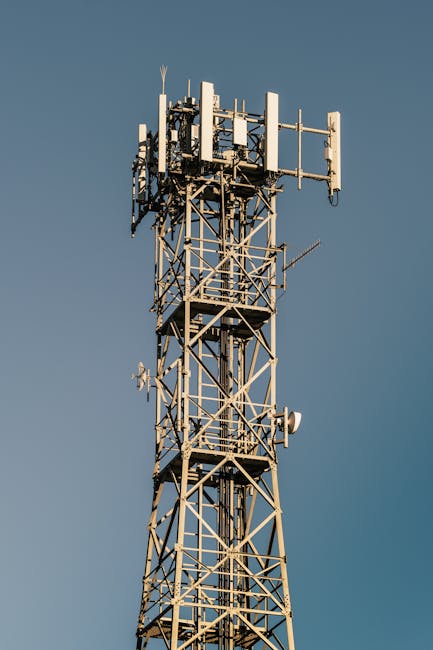
The ongoing rollout and widespread adoption of 5G across India will act as a significant catalyst for all these trends. By 2025, faster internet speeds and lower latency will mean seamless streaming of high-definition video news, quicker loading times for rich interactive content, and more reliable connections for remote reporting from even the most distant corners of the country. This enhanced connectivity will further bridge the digital divide, bringing more Indians online and ensuring that the sophisticated, tech-driven news experiences discussed above are accessible to a wider audience, revolutionizing how an entire nation stays informed.
Conclusion
The year 2025 promises a fascinating evolution for news in India. Technology, from AI and 5G to advanced verification tools, will not just change how news is delivered but fundamentally redefine its very nature. We’re moving towards a future where information is hyper-personalized, authentically local, incredibly immersive, and rigorously vetted. While challenges like misinformation persist, the innovative solutions driven by tech offer a hopeful vision: a more informed, engaged, and digitally empowered India, ready to navigate the complex world with timely, relevant, and credible news at its fingertips.
About the Author