
Finding the Best Phone for WhatsApp Video Calls in India (2026 Edition)
Top Picks: best phone for WhatsApp video calls India
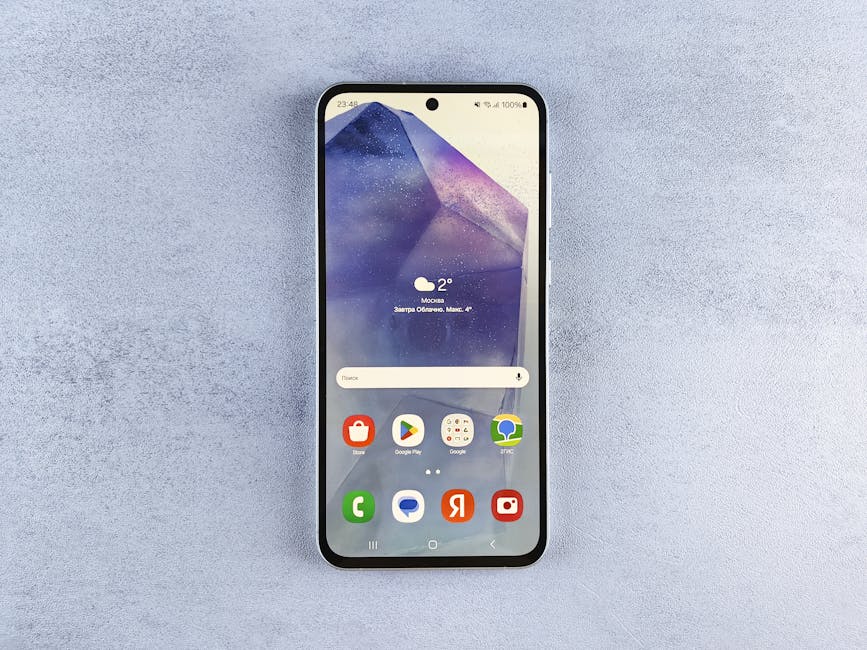
Samsung Galaxy A35 5G
- 13MP Front Camera for clear video calls
- 6.6″ Super AMOLED 120Hz Display for vibrant visuals
- 5000 mAh Battery for extended call duration
₹28,999

OnePlus Nord CE 4 5G
- 16MP Front Camera with EIS for stable video
- 6.7″ AMOLED 120Hz Display for smooth viewing
- 5500 mAh Battery with 100W SUPERVOOC charging
₹24,999
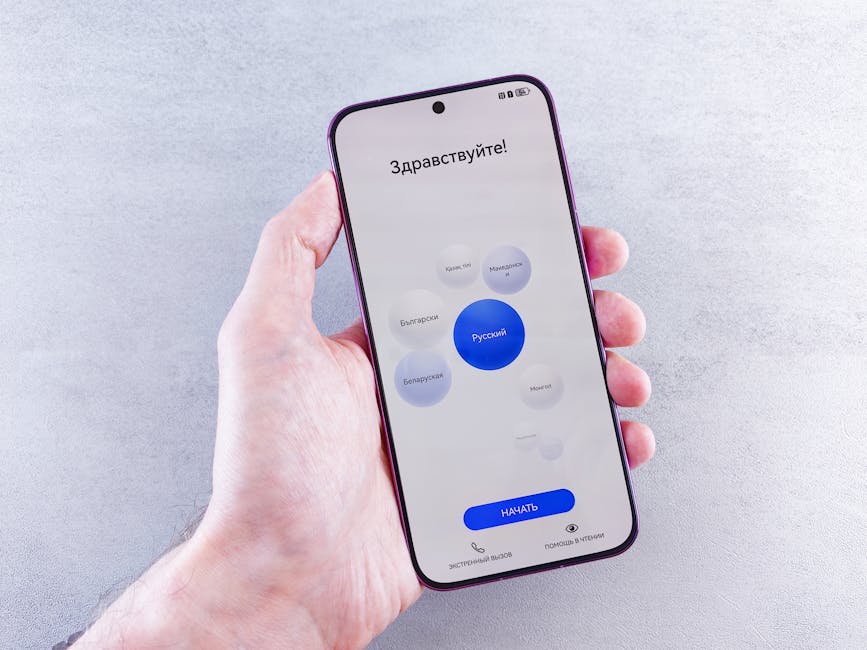
Redmi Note 13 Pro 5G
- 16MP Front Camera for detailed video
- 6.67″ 1.5K AMOLED 120Hz Display for sharp images
- 5100 mAh Battery with 67W Turbo Charging
₹24,999
In a country as vast and vibrant as India, staying connected with family, friends, and colleagues has never been more crucial. WhatsApp video calls have become an indispensable tool, bridging distances with a tap. Whether it’s catching up with relatives across states, attending virtual work meetings, or celebrating festivals remotely, a smooth, clear video call experience is paramount. As we approach 2026, the demand for devices that can handle these digital interactions flawlessly continues to grow. If you’re wondering which device truly stands out as the best phone for WhatsApp video calls India, you’ve landed in the right place. BudgetTech India is here to guide you through the evolving landscape of smartphones, ensuring your next purchase makes every video call a joy, not a chore.
The smartphone market in India is incredibly dynamic, with new models and technologies emerging constantly. For video calls, it’s not just about having a front camera; it’s about a holistic experience encompassing display quality, audio clarity, processing power, and, crucially, stable internet connectivity. We’ll delve deep into these aspects, considering the specific needs and budget constraints of Indian consumers, to help you make an informed decision for 2026 and beyond.
Quick Summary: Your Checklist for Perfect WhatsApp Video Calls
- Prioritize Camera Quality: Look for phones with excellent front cameras (16MP+ is a good starting point) with good low-light performance and wider apertures. Rear cameras are also important for showing your surroundings.
- Robust Processor & Ample RAM: A powerful chipset (e.g., Snapdragon 700/800 series, MediaTek Dimensity 8000/9000 series, Apple A-series) and at least 6GB-8GB RAM ensure lag-free video and multitasking.
- Vibrant & Bright Display: An AMOLED or high-quality LCD screen with good resolution (FHD+ or higher) and sufficient brightness makes long calls comfortable and visuals crisp.
- Long-Lasting Battery Life: Video calls are battery intensive. Opt for phones with 4500mAh or larger batteries, coupled with fast charging, to keep you connected for longer.
- Stable Connectivity (5G & Wi-Fi 6): Future-proof your purchase with 5G capabilities for faster, more reliable connections on the go, and Wi-Fi 6 support for robust home networks.
Why Your Phone’s Features Matter for WhatsApp Video Calls
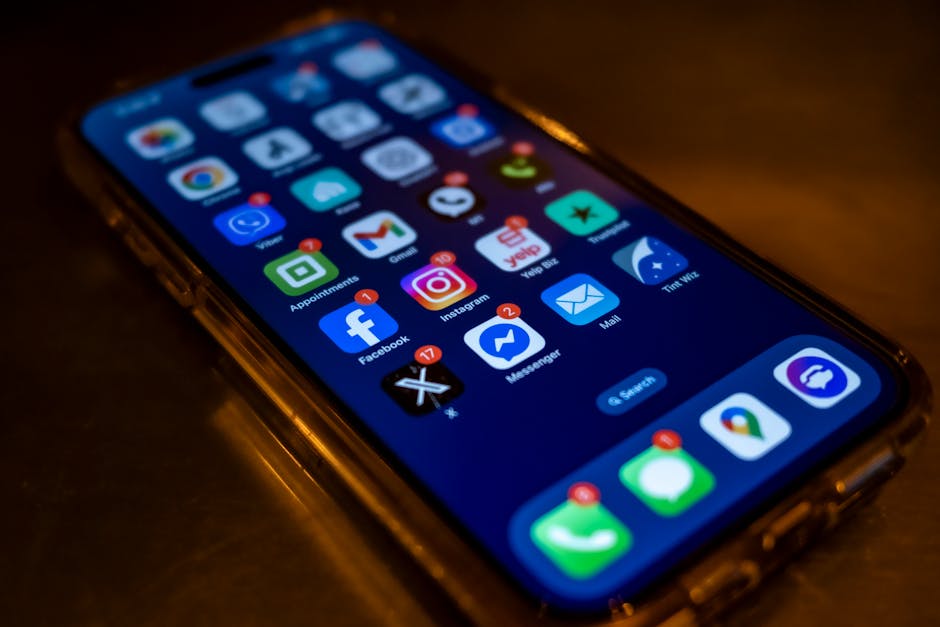
Gone are the days when a basic phone could suffice for video calls. The expectations have risen, and so has the technology. For a truly immersive and reliable WhatsApp video calling experience in India, several key features coalesce to form the perfect device. Understanding these components is the first step in identifying the best phone for your needs.
The Unsung Hero: Camera Quality (Front & Rear)
While the front camera is your primary window during a video call, the rear camera also plays a significant role, especially when you want to show someone something around you. For 2026, look beyond just megapixels. While a 16MP or 32MP front camera is a great starting point, the sensor size, aperture (lower f-number is better for low light), and software processing are equally crucial. Phones with features like autofocus on the front camera, electronic image stabilization (EIS) for smoother video, and advanced AI for facial enhancement can dramatically improve your video call presence. Many mid-range and premium phones today offer these, with sources like Gadgets360 frequently highlighting superior camera performance in their reviews, noting how computational photography significantly boosts image and video quality even in challenging Indian lighting conditions.
Powering the Connection: Processor & RAM
WhatsApp video calls, especially group calls, demand a surprising amount of processing power. Your phone needs to simultaneously capture video, encode it, decode incoming video, process audio, and run the WhatsApp application seamlessly. A powerful chipset (like the Qualcomm Snapdragon 7 Gen 3/8 Gen 3 series, MediaTek Dimensity 8300/9300 series, or Apple’s A17/A18 Bionic) ensures there’s no lag, stutter, or dropped frames. Coupled with at least 6GB to 8GB of RAM, your phone can handle multitasking effortlessly, allowing you to switch between WhatsApp and other apps without interruptions. For budget-conscious users, even a capable Snapdragon 6 Gen 1 or Dimensity 6000 series processor, paired with optimized software, can deliver a respectable experience, as often noted by tech reviewers at NDTV Gadgets.
Your Window to the World: Display Quality
What good is a clear video feed if your screen doesn’t do it justice? A vibrant, bright, and high-resolution display is essential for comfortable video calls, especially during long conversations. AMOLED panels are generally preferred for their deep blacks, excellent contrast, and energy efficiency. A Full HD+ resolution (1080p) or higher ensures sharp visuals. Furthermore, sufficient peak brightness is critical for outdoor calls or brightly lit rooms, a common scenario in Indian households. A larger screen size (6.5 inches and above) also enhances the experience, making faces clearer and interactions more engaging.
Staying Connected: Battery Life & Fast Charging
Video calls are notorious battery drainers. Imagine being mid-conversation with family during a festival, and your phone dies! A large battery capacity (4500mAh or more) is highly recommended. Equally important is fast charging technology. Even if your battery runs low, being able to quickly top it up in 15-30 minutes for a few more hours of video calls can be a lifesaver. Many phones in the Indian market, especially from brands like Samsung, Xiaomi, and Realme, offer impressive battery life and rapid charging solutions, making them ideal for users who spend a lot of time on video calls.
The Backbone: Internet Connectivity (5G & Wi-Fi 6)
Even the best phone with a stellar camera and processor will fail if your internet connection is poor. With 5G rollout accelerating across India, choosing a 5G-enabled phone is a smart move for 2026. 5G offers significantly faster speeds and lower latency, leading to clearer, more stable video calls with fewer freezes or pixelation. For home use, Wi-Fi 6 (802.11ax) support ensures a robust and efficient connection to your home router, especially in multi-device environments. While WhatsApp optimizes for varying network conditions, a strong, fast connection remains the foundation of a great video call.
Hearing and Being Heard: Audio Quality
Clear audio is half the battle in a video call. Look for phones with good quality microphones, preferably with noise cancellation features, to minimize background distractions common in bustling Indian environments. Dual stereo speakers can enhance the listening experience, making voices clearer and more natural. While headphones are often used for privacy and better audio, a phone with decent built-in speakers is a plus for casual family calls.
Top Phone Recommendations for WhatsApp Video Calls in India (2026 Perspective)
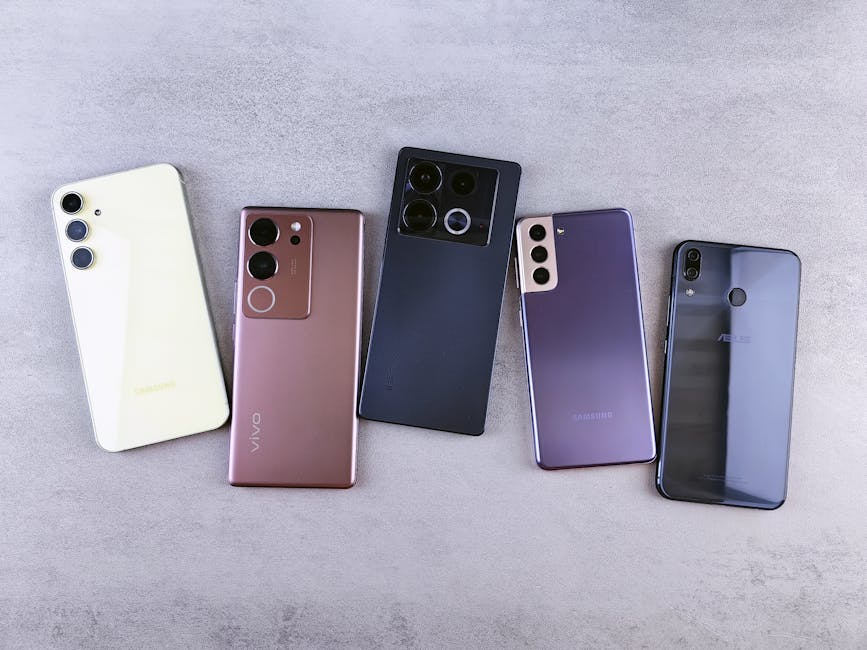
Considering the rapid advancements in smartphone technology, our recommendations for 2026 focus on categories and features that will remain relevant, illustrating with examples of current models that excel in these areas. The specific model names might evolve, but the underlying principles of what makes a great video calling phone will persist.
1. The Mid-Range Marvels: Balancing Performance & Value
For many Indian users, the sweet spot lies in the mid-range segment (roughly Rs 20,000 – Rs 40,000). These phones offer an excellent balance of features without breaking the bank. By 2026, successors to popular series like the Samsung Galaxy A5x/A7x series, OnePlus Nord series, and Google Pixel ‘a’ series will likely dominate this segment. They typically offer:
- Strong Front Cameras: Often 32MP or higher, with good low-light performance and EIS.
- Capable Processors: Mid-tier Snapdragon 7 Gen series or Dimensity 8000 series chipsets, providing smooth performance.
- Vibrant AMOLED Displays: FHD+ resolution, high refresh rates, and good brightness.
- Solid Battery Life: 4500mAh+ batteries with 25W-67W fast charging.
- 5G Connectivity: Standard across this segment.
Example (Current equivalent): A phone similar to the Samsung Galaxy A55 5G or OnePlus Nord 4. These phones, as highlighted by Android Authority, often provide premium features at a more accessible price point, making them incredibly popular in India.
2. The Budget-Friendly Champions: Connecting on a Shoestring
For users with a tighter budget (under Rs 20,000), excellent options still exist. By 2026, the successors to the Redmi Note series, Realme Number series, and Samsung Galaxy M/F series will continue to offer incredible value. While you might make some compromises, these phones are perfectly capable of handling WhatsApp video calls effectively:
- Decent Front Cameras: Typically 16MP, sometimes with software enhancements.
- Reliable Processors: Snapdragon 6 Gen series or Dimensity 6000 series, sufficient for WhatsApp.
- Good Displays: Often high-quality LCDs or entry-level AMOLEDs with FHD+ resolution.
- Exceptional Battery Life: Often 5000mAh or larger batteries, a key selling point in this segment.
- 5G Connectivity: Increasingly common even in the sub-Rs 15,000 segment.
Example (Current equivalent): A phone resembling the Redmi Note 13 Pro 5G or Samsung Galaxy M35 5G. These models consistently rank high on platforms like Flipkart for their value proposition.
3. The Premium Performers: Uncompromised Excellence
If budget is not a constraint, the premium segment (Rs 40,000 and above) offers the absolute best in video calling and smartphone experience. By 2026, the latest iterations of the Apple iPhone (Pro series), Samsung Galaxy S series (Ultra, Fold/Flip), and Google Pixel Pro series will continue to lead. They provide:
- Industry-Leading Cameras: Both front and rear cameras excel in all conditions, with advanced computational photography, autofocus, and cinematic video capabilities.
- Top-Tier Processors: The absolute fastest chipsets ensure buttery-smooth performance even during intensive group calls.
- Stunning Displays: High-resolution AMOLED/OLED panels with adaptive refresh rates, incredible brightness, and HDR support.
- Optimized Battery Life: While not always the largest capacity, highly optimized software ensures excellent endurance, coupled with very fast charging.
- Advanced Connectivity: Latest 5G, Wi-Fi 7, and potentially satellite communication features.
Example (Current equivalent): A phone like the Apple iPhone 16 Pro Max, Samsung Galaxy S26 Ultra, or Google Pixel 9 Pro. These devices, as often reviewed by GSMArena, represent the pinnacle of smartphone technology, offering an unparalleled video calling experience.
Comparison Table: Key Features for WhatsApp Video Calls (Illustrative Models for 2026)
Here’s a comparison of features you’d find in the successors to popular phone types in 2026, categorized by their price segment. Please note that specific model names and exact specifications are projections based on current trends and are illustrative.
| Feature | Budget-Friendly (e.g., Redmi Note 15 5G) | Mid-Range (e.g., Samsung Galaxy A57 5G) | Premium (e.g., iPhone 16 Pro) |
|---|---|---|---|
| Approx. Price (INR) | Rs 15,000 – Rs 20,000 | Rs 30,000 – Rs 40,000 | Rs 90,000+ |
| Front Camera (MP) | 16MP | 32MP (with OIS/EIS) | 12MP (Autofocus, OIS/EIS, LiDAR/ProRes support) |
| Rear Camera (MP) | 50MP (Main) + 8MP (Ultrawide) | 64MP (OIS Main) + 12MP (Ultrawide) + 5MP (Macro) | 48MP (Main) + 12MP (Ultrawide) + 12MP (Telephoto) |
| Processor Type | Snapdragon 6 Gen 2 / Dimensity 6200 | Snapdragon 7 Gen 3 / Dimensity 8300 | Apple A18 Bionic / Snapdragon 8 Gen 4 |
| RAM (GB) | 6GB / 8GB | 8GB / 12GB | 8GB / 12GB |
| Display Type | FHD+ AMOLED (120Hz) | FHD+ Super AMOLED (120Hz, brighter) | ProMotion OLED (120Hz, highest brightness, HDR) |
| Battery Capacity (mAh) | 5000mAh – 6000mAh | 4500mAh – 5000mAh | 4000mAh – 4500mAh (Highly optimized) |
| Fast Charging | 33W – 67W | 25W – 67W | 27W – 45W (Wireless charging faster) |
| Connectivity | 5G, Wi-Fi 5 | 5G, Wi-Fi 6 | 5G, Wi-Fi 7, Satellite (Emergency) |
| Availability | Amazon.in, Flipkart, Xiaomi India Store | Amazon.in, Flipkart, Samsung India Store | Apple India Store, Amazon.in, Flipkart, Croma |
Optimizing Your WhatsApp Video Call Experience Beyond the Phone
Even with the best phone, a few simple tips can further enhance your video call quality:
- Stable Internet is Key: Ensure you have a strong Wi-Fi signal or reliable 5G/4G network. Close bandwidth-heavy apps in the background.
- Good Lighting: Position yourself facing a light source (window, lamp) rather than having it behind you. Natural light is always best.
- Use Headphones/Earbuds: This improves audio clarity for both you and the person you’re calling, and helps reduce echo.
- Mind Your Background: Choose a clean, uncluttered background. A simple wall or a tidy room works best.
- Keep Your Lens Clean: A smudged camera lens can drastically reduce video quality. Give it a quick wipe before calls.
- Update WhatsApp Regularly: Keep your WhatsApp app updated to benefit from the latest optimizations and bug fixes for video calls.
Pros and Cons of Prioritizing Specific Features for WhatsApp Video Calls
When selecting a phone specifically for WhatsApp video calls, you’ll inevitably face trade-offs depending on your budget and usage. Here’s a look at the advantages and disadvantages of focusing on certain aspects:
Pros of Prioritizing Camera Quality (Front & Rear)
- Crystal Clear Visuals: Your face and surroundings appear sharp and detailed, making calls more engaging.
- Better Low-Light Performance: You’ll look good even in dimly lit rooms, a common scenario in Indian homes after sunset.
- Professional Impression: Important for work calls or virtual meetings, projecting a crisp, clear image.
- Versatility: A good camera also benefits photography and other video creation tasks.
Cons of Prioritizing Camera Quality
- Higher Cost: Phones with advanced camera systems are often more expensive.
- Potential Battery Drain: High-resolution video capture can consume more power.
- Diminishing Returns: Beyond a certain point, the average WhatsApp user might not notice the difference between a very good and an excellent camera.
Pros of Prioritizing Processor & RAM
- Lag-Free Experience: No freezing, stuttering, or dropped frames during calls, even with multiple participants.
- Seamless Multitasking: Easily switch between WhatsApp and other apps without interruptions.
- Future-Proofing: A powerful chipset ensures your phone can handle future WhatsApp updates and other demanding applications for years to come.
- Device Speed: Benefits all aspects of phone usage, not just video calls.
Cons of Prioritizing Processor & RAM
- Increased Cost: More powerful chipsets contribute significantly to a phone’s price.
- Potential Overkill for Basic Users: If WhatsApp video calls are your only demanding task, an ultra-premium processor might be more than you need.
Pros of Prioritizing Battery Life & Fast Charging
- Extended Call Times: Conduct long video calls without worrying about your phone dying.
- Convenience: Less frequent charging, ideal for travel or busy schedules.
- Quick Top-Ups: Fast charging gets you back online quickly, even if you forget to charge overnight.
Cons of Prioritizing Battery Life & Fast Charging
- Potentially Bulkier Phones: Larger batteries often mean thicker and heavier devices.
- Slightly Slower Performance (sometimes): Some ultra-budget phones might sacrifice processor power for a massive battery.
Future Trends for Video Calling in 2026 and Beyond
As we look towards 2026, several technological advancements will further refine the video calling experience:
- Enhanced AI & Machine Learning: Expect even smarter noise cancellation, automatic framing (keeping you in the center of the shot), and real-time background blurring/replacement that’s more natural and less resource-intensive.
- Improved Low-Light Performance: Camera sensors and image processing will continue to evolve, making video calls in challenging lighting conditions almost as clear as in bright daylight.
- Higher Resolution & Frame Rates: While WhatsApp’s bandwidth optimization might limit ultra-high resolutions for now, phones will be capable of capturing and displaying 4K video at higher frame rates, offering a more lifelike experience when network conditions allow.
- Foldable & Rollable Displays: Devices with larger, flexible screens could offer new ways to interact during video calls, perhaps allowing for multiple participants to be viewed more comfortably or facilitating split-screen multitasking with ease.
- More Robust 5G & Wi-Fi 7 Adoption: Wider availability of ultra-fast and low-latency networks will make high-quality video calls the norm, even in crowded areas or while on the move.
- Spatial Audio & Haptics: More immersive audio experiences, making it feel like participants are in the same room, coupled with subtle haptic feedback for notifications or interactions.
These trends, often discussed in publications like TechCrunch, suggest a future where video calls are even more seamless, interactive, and indistinguishable from in-person conversations.
Frequently Asked Questions (FAQ)
Can a budget phone truly offer a good WhatsApp video calling experience in 2026?
Absolutely. By 2026, many budget phones (under Rs 20,000) offer capable processors, decent front cameras (16MP+), and large batteries that are more than sufficient for clear and stable WhatsApp video calls. You might miss out on some premium features like AMOLED screens or advanced camera processing, but the core experience will be solid.
Is 5G essential for WhatsApp video calls in India?
While not strictly “essential” as WhatsApp works on 4G and even 3G, 5G significantly enhances the experience. It provides faster speeds and lower latency, leading to clearer video, less buffering, and more stable connections, especially in areas with good 5G coverage. It’s highly recommended for future-proofing your purchase.
Does the phone’s operating system (Android vs. iOS) matter for WhatsApp video calls?
Both Android and iOS offer excellent WhatsApp video calling experiences. The choice largely comes down to personal preference for the ecosystem, user interface, and device features. iPhones are known for consistent camera quality and long-term software support, while Android offers greater variety in price points and customization.
What battery capacity is ideal for frequent WhatsApp video callers?
For frequent video callers, a battery capacity of 4500mAh or higher is recommended. Paired with efficient processors and fast charging, this will ensure you can conduct multiple long calls throughout the day without constantly searching for a power outlet. Many Indian-centric phones already excel in this area.
Should I prioritize the front or rear camera for WhatsApp video calls?
For WhatsApp video calls, the front camera is generally more critical as it’s what people see you through. Prioritize a front camera with good resolution, a wide aperture for low light, and features like EIS. However, a good rear camera is a bonus if you often share your surroundings or use your phone for general photography.
Our Verdict
Choosing the best phone for WhatsApp video calls in India for 2026 isn’t about finding a single “perfect” device; it’s about finding the phone that perfectly balances your budget, needs, and preferences. For the vast majority of Indian users, the sweet spot will be a phone in the mid-range segment (Rs 20,000 – Rs 40,000). These devices, exemplified by successors to the Samsung Galaxy A-series or OnePlus Nord models, offer a fantastic blend of a strong front camera, a capable processor, a vibrant AMOLED display, and reliable battery life with fast charging – all crucial for a superior video calling experience.
If budget is a primary concern, don’t despair. The advancements in the budget segment mean phones similar to the Redmi Note series or Samsung Galaxy M/F series will still deliver a highly satisfactory experience. For those who demand the absolute best and are willing to invest, a premium flagship like an iPhone Pro or Samsung Galaxy S Ultra will provide an unparalleled, future-proof video calling experience with cutting-edge technology. Ultimately, prioritize camera quality, processing power, battery life, and 5G connectivity, and you’ll be well-equipped for crystal-clear WhatsApp video calls for years to come.
Want more? Browse our AI and tech innovation section.
About the Author