
Last Updated: 2026-03-19
Welcome to BudgetTech India, your trusted guide to making smart tech choices without breaking the bank! Today, we’re tackling one of the most frequently asked questions from our readers across India: which laptop brand truly offers the best value and performance for their hard-earned rupees? Specifically, we’re diving deep into an Acer vs HP laptop comparison India for the year 2026. Both brands have carved out significant market shares, offering a vast array of models from budget-friendly student machines to high-performance gaming rigs and sleek professional workstations. But when it comes down to making that crucial purchase, understanding the nuances between Acer and HP is key for Indian consumers.
In a dynamic market like India, where value for money, reliable after-sales service, and specific feature sets for diverse user needs (be it for online classes, remote work, or intense gaming sessions) are paramount, choosing between these two giants can be perplexing. We’re here to simplify that decision, examining everything from raw performance and build quality to customer support and ecosystem advantages, all through an Indian lens. By the end of this comprehensive guide, you’ll have a clearer picture of which brand aligns better with your budget, lifestyle, and technological aspirations in 2026.
Quick Summary: Acer vs HP for Indian Buyers (2026)
Top Picks: Acer vs HP laptop comparison India
Acer Aspire 5 A515-58M (Intel Core i5-1335U)
- 13th Gen Intel Core i5-1335U
- 16GB DDR4 RAM, 512GB NVMe SSD
- 15.6″ FHD IPS Display
₹60,990
HP Pavilion 15-eg2039TU (Intel Core i5-1235U)
- 12th Gen Intel Core i5-1235U
- 16GB DDR4 RAM, 512GB NVMe SSD
- 15.6″ FHD Display, B&O Audio
₹64,990
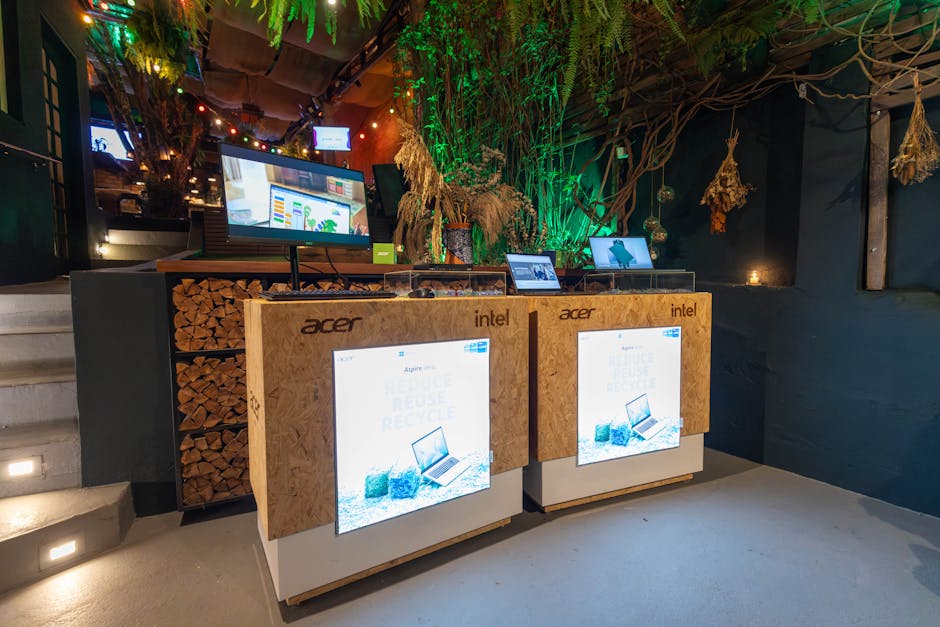
Acer Nitro 5 AN515-58 (Intel Core i5-12500H, RTX 3050)
- 12th Gen Intel Core i5-12500H
- NVIDIA GeForce RTX 3050 (4GB GDDR6)
- 15.6″ FHD IPS 144Hz Display
₹78,990
- Acer: Often leads with aggressive pricing, offering higher specifications for a given budget, making it a strong contender for students and budget-conscious gamers. Known for its Predator and Nitro series in gaming, and Aspire/Swift for general use.
- HP: Generally perceived as a more premium brand with a focus on design, build quality, and a robust after-sales service network in India. Popular series include Pavilion, Envy, Spectre, and ProBook/EliteBook for professionals.
- Performance: Both brands offer a wide range of processors (Intel Core Ultra, AMD Ryzen 8000 series and beyond) and GPUs, but Acer frequently provides slightly better specs at lower price points, especially in the mid-range.
- Design & Build: HP typically wins in design aesthetics and build materials, often using more metal in its mid-to-high-end offerings, providing a more premium feel and better durability for everyday Indian conditions.
- After-Sales Service: HP generally has a wider and more established service network across tier-1 and tier-2 cities in India, which can be a significant factor for long-term peace of mind.
Deep Dive: Acer vs HP – What Matters to Indian Buyers in 2026?
The Indian laptop market is unique. It’s a melting pot of diverse user needs, budget constraints, and expectations for longevity and serviceability. When comparing Acer and HP, we need to look beyond just the spec sheet and consider factors that resonate deeply with Indian consumers.
Value for Money: For many Indian buyers, every rupee counts. Acer has historically been a disruptor in this segment, often packing more powerful CPUs, higher RAM, or better GPUs into its laptops at a price point that undercuts HP. This makes Acer particularly appealing to students, first-time laptop buyers, and gamers who prioritize raw performance on a budget. HP, while offering competitive models, often positions itself slightly higher, banking on its brand reputation, design prowess, and service network.
Durability & Build Quality: Laptops in India often face varying environmental conditions – from dusty environments to frequent commutes in crowded public transport. A sturdy build is not just a luxury; it’s a necessity. HP tends to invest more in premium materials and robust chassis, especially in its Pavilion, Envy, and business lines. While Acer has improved significantly, particularly with its Swift and higher-end Predator models, its budget Aspire series might still lean towards more plastic construction. This difference in build can impact a laptop’s lifespan and its ability to withstand daily wear and tear.
After-Sales Service and Support: This is arguably one of the most critical factors for Indian consumers. A laptop is a significant investment, and knowing that you have reliable support when things go wrong is invaluable. HP has a well-established and generally well-regarded service network across India, with numerous service centers even in smaller towns. Acer has been working hard to expand and improve its service infrastructure, but historically, HP has had an edge in terms of reach and perceived efficiency. Issues like spare part availability, turnaround time for repairs, and the quality of technical assistance are frequently discussed on consumer forums, and HP often receives slightly better feedback in this regard.
Ecosystem and Software Experience: Both Acer and HP primarily run on Windows OS. However, each brand adds its own suite of utilities and pre-installed software. HP’s software ecosystem, including tools like HP Support Assistant and HP Sure Sense, is often seen as more polished and integrated, focusing on security and system maintenance. Acer also offers its own set of tools, like Acer Care Center, which provides similar functionalities. The amount of ‘bloatware’ can vary, but both brands have made efforts to streamline their pre-installed software in recent years.
Indian Market Trends (2026): As we look at 2026, the demand for laptops with AI capabilities (AI PCs with NPUs), improved battery life for hybrid work/study, and better connectivity options (Wi-Fi 7, Thunderbolt 5) will be paramount. Both Acer and HP are at the forefront of integrating these technologies. We expect to see more models with dedicated NPUs for AI acceleration, enhancing features like video conferencing effects, creative AI tools, and system performance optimization. The push for sustainability and eco-friendly materials will also influence purchasing decisions, with both brands making strides in this area.
Performance & Specifications: Powering Your Productivity
When it comes to the raw horsepower under the hood, both Acer and HP offer a dazzling array of configurations. For 2026, we’re looking at Intel’s upcoming Core Ultra generations and AMD’s Ryzen 8000 series and beyond, bringing significant leaps in CPU performance, integrated graphics, and dedicated Neural Processing Units (NPUs) for AI tasks.
Processors (CPU):
- Acer: Often seen to be more aggressive in offering the latest and sometimes higher-tier processors at competitive prices, particularly in their gaming-focused Predator and Nitro series, and their value-oriented Aspire line. You might find an Acer laptop with a slightly more powerful CPU for the same price as an HP with a slightly lower-tier one.
- HP: Provides a balanced approach, ensuring stable performance across its diverse range. HP’s business laptops (ProBook, EliteBook) are known for their reliable, efficient processors tailored for professional workloads. Their consumer lines (Pavilion, Envy, Spectre) also feature powerful chips, but the price-to-performance ratio might lean slightly towards Acer in certain segments, as observed by tech reviewers like Gadgets360.
Graphics (GPU):
- Integrated Graphics: Both brands heavily rely on Intel Arc Graphics (for Core Ultra) and AMD Radeon Graphics (for Ryzen) for their mainstream and ultraportable laptops. These integrated solutions are increasingly capable for casual gaming, content consumption, and even light creative work.
- Dedicated Graphics: For gamers and content creators, dedicated GPUs are crucial. Acer’s Predator and Nitro series are stalwarts in the gaming segment, frequently featuring the latest NVIDIA GeForce RTX (e.g., RTX 50-series for 2026) and AMD Radeon GPUs. HP also offers gaming laptops under its Omen and Victus brands with powerful dedicated graphics, but Acer often provides more configurations with higher-tier GPUs at a given price point, making it a go-to for budget-conscious gamers in India.
RAM and Storage:
- RAM: Both brands offer configurations from 8GB to 32GB (and beyond for high-end workstations). DDR5 and LPDDR5X are standard in 2026. Acer often provides more upgradeability options in its Aspire series, allowing users to expand RAM post-purchase, which is a valuable consideration for Indian users looking to extend their laptop’s lifespan.
- Storage: NVMe SSDs are standard across the board for both brands, offering lightning-fast boot times and application loading. Storage capacities range from 512GB to 2TB or more. HP’s business laptops sometimes offer advanced encryption and self-healing drive technologies for enhanced security, a feature often sought after by corporate clients.
Design, Build Quality & Portability: Style Meets Substance
A laptop isn’t just about what’s inside; its external shell, how it feels, and how easy it is to carry around daily are equally important, especially for students and professionals on the move in India.
Design Aesthetics:
- Acer: Tends to have a more functional, sometimes bolder design language, especially in its gaming series (Predator, Nitro). Its Aspire series is generally understated, while the Swift line aims for sleekness and portability.
- HP: Often prioritizes a more refined, premium, and minimalist aesthetic. Its Spectre and Envy lines are particularly known for their elegant designs, slim profiles, and often metallic finishes. The Pavilion series offers a good balance of style and affordability. For many Indian consumers, HP’s design language feels more ‘premium’ and sophisticated.
Build Materials:
- Acer: In the budget segment, Acer largely uses high-quality plastics. However, its Swift series and higher-end Predator models incorporate aluminum or magnesium alloys, offering improved rigidity and a premium feel.
- HP: Utilizes a mix of plastics and metals across its lineup. Its mid-range (Pavilion, Envy) and high-end (Spectre, EliteBook) models frequently feature aluminum chassis, giving them a more robust and premium feel. This often translates to better durability against minor bumps and drops, which is a significant plus given the daily commute scenarios in Indian cities.
Portability:
- Acer: The Swift series is Acer’s flagship for portability, offering extremely lightweight and thin designs, perfect for students and professionals who travel frequently. Even some Aspire models are surprisingly light for their price point.
- HP: Excels in portability with its Envy and Spectre lines, which are among the thinnest and lightest laptops available. Its ProBook series also offers a good balance of durability and reasonable weight for business users. Both brands offer competitive options, but HP often achieves a slightly better weight-to-performance ratio in its ultraportables.
Keyboard and Trackpad:
- Both brands offer good typing experiences, but HP’s keyboards, especially in its Envy and business lines, often receive praise for their tactile feedback and comfortable key travel. Acer’s keyboards are generally good, particularly in the Swift series and gaming laptops, which often feature RGB backlighting and anti-ghosting technology.
- Trackpads on both brands have improved significantly, offering smooth gliding surfaces and precision drivers. HP’s larger trackpads on its premium models often provide a slightly better user experience.
Display & Audio Experience: Visuals and Sound That Impress
The display is your window to the digital world, and good audio enhances everything from online meetings to entertainment. Indian users value vibrant displays for media consumption and clear audio for calls and music.
Display Quality:
- Resolution: Full HD (1920×1080) is standard across both brands for most models. QHD (2560×1440) and 4K (3840×2160) options are available on higher-end creative and professional laptops from both Acer and HP.
- Panel Type: IPS panels are common, offering wide viewing angles and good color reproduction. OLED displays are increasingly appearing in premium models from both brands, providing stunning contrast, true blacks, and vibrant colors, ideal for content creators and entertainment enthusiasts.
- Refresh Rate: For gaming, Acer’s Predator and Nitro series frequently offer high refresh rate displays (120Hz, 144Hz, 165Hz, or even higher) as standard, giving gamers a competitive edge. HP’s Omen and Victus series also offer high refresh rates, but Acer often provides more accessible options in the mid-range.
- Brightness & Color Accuracy: HP’s premium displays (Spectre, Envy) often boast higher brightness levels and better color accuracy, which is crucial for graphic designers and photographers. Acer’s Swift series also offers excellent displays for its price segment.
Audio Experience:
- Acer: Provides decent audio across its range. Its gaming laptops often feature DTS:X Ultra Audio for immersive sound.
- HP: Collaborates with audio specialists like Bang & Olufsen for its premium laptops (Spectre, Envy), delivering richer and more balanced sound quality. Even its Pavilion series often features surprisingly good audio for its price point. For Indian users who frequently use laptops for watching movies or video calls, HP’s audio setup might offer a more satisfying experience.
Battery Life & Charging: Staying Powered On The Go
In India, where power cuts can still be a reality in some regions and portability is key, strong battery life and fast charging are highly valued features.
Battery Life:
- Both Acer and HP have made significant strides in battery optimization, thanks to more power-efficient processors (Intel Core Ultra, AMD Ryzen with their dedicated low-power cores) and improved software.
- Acer: Its Swift series is often praised for exceptional battery endurance, making it ideal for students and professionals who need to work unplugged for extended periods. Even some Aspire models offer respectable battery life for their price.
- HP: Its Envy and Spectre lines also deliver excellent battery life, often matching or exceeding Acer’s in premium segments. HP’s business laptops (ProBook, EliteBook) are engineered for all-day productivity.
- Real-world usage, however, can vary wildly based on tasks, screen brightness, and background applications. It’s always wise to check reviews from sources like NDTV Gadgets for realistic battery performance figures.
Charging Technology:
- Fast Charging: Both brands now offer fast charging capabilities, allowing users to get a significant percentage of battery life back in a short amount of time.
- USB-C Charging: Increasingly, laptops from both Acer and HP support USB-C charging, offering greater convenience and universal compatibility with chargers, a boon for Indian users who prefer carrying fewer chargers.
Software, Features & Ecosystem: Beyond The Hardware
Beyond the physical components, the software experience and additional features contribute significantly to a laptop’s usability and value.
Operating System & Bloatware:
- Both Acer and HP primarily ship with Windows 11 (or future iterations in 2026). The base OS experience is identical.
- Acer: Tends to include some proprietary utilities like Acer Care Center for system diagnostics and updates. Some budget models might come with a bit more trial software (bloatware), which can be easily uninstalled.
- HP: Its software suite, including HP Support Assistant, HP QuickDrop for file sharing, and HP Wolf Security (on business models), is generally well-integrated and offers value. HP has also made efforts to reduce unnecessary bloatware, creating a cleaner out-of-the-box experience, especially on its premium models.
Security Features:
- Acer: Many models include a fingerprint reader for secure login.
- HP: Often goes a step further, especially in its business and premium consumer lines. Features like fingerprint readers, IR cameras for Windows Hello facial recognition, HP Sure View (privacy screens), HP Sure Sense (AI-based threat protection), and self-healing BIOS are common, making HP a stronger choice for security-conscious users in India, particularly professionals handling sensitive data.
Connectivity & Ports:
- Both brands offer a comprehensive selection of ports: USB-A, USB-C (increasingly with Thunderbolt 4/5 support), HDMI, and often an audio jack.
- Wi-Fi 7 & Bluetooth 5.4: By 2026, these will be standard on most new laptops, ensuring blazing-fast wireless connectivity.
- HP sometimes offers more diverse port selections on its business laptops, including Ethernet ports or smart card readers, which are vital for corporate environments.
Customer Service & After-Sales Support: A Crucial Consideration in India
This is where the rubber meets the road for many Indian consumers. A laptop is an investment, and reliable support is non-negotiable.
Service Network & Reach:
- HP: Generally has a more extensive and well-established service network across India, covering a broader range of tier-1, tier-2, and even some tier-3 cities. This means easier access to authorized service centers, which is a significant advantage.
- Acer: Has been actively expanding its service footprint and improving its support infrastructure in India. While they have many service centers, their reach might not be as widespread or as consistently praised as HP’s.
Service Quality & Efficiency:
- Based on general user feedback and reports from tech publications like NDTV Gadgets, HP’s after-sales service is often perceived as more reliable and efficient. Users frequently report quicker turnaround times for repairs and better availability of spare parts.
- Acer has received mixed reviews, with some users praising their service and others reporting delays or issues with spare part availability. However, it’s important to note that service experiences can vary significantly by region and individual service centers for both brands.
Warranty & On-Site Support:
- Both brands offer standard one-year warranties, with options to extend.
- HP often provides more robust extended warranty options and on-site service packages, particularly for its business laptops, which are highly valued by corporate clients and busy professionals in India.
Pricing, Value for Money & Resale Value: Making Your Rupee Count
The financial aspect is often the deciding factor for Indian buyers. It’s not just the initial purchase price, but also the long-term value and potential resale that matters.
Pricing Segments (Indicative for 2026):
- Under Rs 40,000: Both brands offer entry-level laptops. Acer often provides slightly better specs (e.g., an SSD over an HDD, or more RAM) at this price point. HP has competitive options but sometimes at the very edge of this segment.
- Rs 40,000 – Rs 70,000: This is the sweet spot for many Indian consumers. Acer shines here with its Aspire series and entry-level Nitro gaming laptops, delivering strong performance for the price. HP’s Pavilion series offers a great balance of design, performance, and features, often with a slightly more premium feel.
- Rs 70,000 – Rs 1,20,000: Mid-to-high range. Acer’s Swift series and mid-range Predator/Nitro models compete fiercely here, offering powerful hardware for creators and serious gamers. HP’s Envy series and higher-end Pavilion models provide excellent design, premium features, and strong performance, often targeting professionals and those who appreciate aesthetics.
- Above Rs 1,20,000: Premium and high-performance. Both brands offer flagship models with the latest processors, dedicated GPUs, and premium features. HP’s Spectre line and EliteBook business laptops compete with Acer’s high-end Predator and ConceptD series.
Value for Money:
- Acer: Generally considered the king of value for money. If your primary goal is to get the most powerful specifications for your budget, Acer often provides a compelling package, especially visible on platforms like Amazon.in and Flipkart during sale events.
- HP: Offers excellent value for money when factoring in design, build quality, and after-sales service. While the raw specs might sometimes be slightly lower than an equivalently priced Acer, the user experience and peace of mind can justify the slightly higher cost for many.
Resale Value:
- HP laptops, particularly their business-oriented ProBook/EliteBook and premium consumer (Spectre, Envy) lines, tend to hold their resale value slightly better in the Indian used laptop market. This is often attributed to their perceived better build quality, brand reputation, and more reliable service network.
- Acer’s resale value is decent, but it might depreciate a bit faster, especially for its budget-oriented models.
Specific Use Cases: Who Wins for Whom?
The “best” laptop truly depends on the user. Let’s break down which brand might be a better fit for different Indian user profiles in 2026.
For Students (School & College):
- Acer: Often the go-to choice. The Aspire series provides excellent performance for online classes, assignments, and light entertainment at very competitive prices. The Swift series offers superb portability and battery life for campus life.
- HP: Pavilion series offers a more premium look and feel, with reliable performance. Good for students who prioritize design and a slightly better build, and are willing to pay a little extra.
- Verdict: Acer for budget and raw specs; HP for design and perceived durability.
For Professionals & Remote Workers:
- HP: Strong contender here. Its ProBook and EliteBook series are built for business, offering robust security features, excellent build quality, reliable performance, and a strong service network. The Envy and Spectre lines cater to professionals who need performance with premium design.
- Acer: The Swift series is great for mobile professionals due to portability and battery life. Its ConceptD series is tailored for creative professionals. While Acer offers powerful machines, HP’s business-specific features and service network often give it an edge for corporate users.
- Verdict: HP for corporate reliability, security, and service; Acer for powerful specs in a portable package for creative pros.
For Gamers:
- Acer: A powerhouse in gaming. The Predator and Nitro series consistently offer some of the best price-to-performance ratios for gaming laptops in India, often featuring higher-tier GPUs and refresh rate displays for less.
- HP: Its Omen and Victus series are strong competitors, offering excellent gaming performance and often more refined designs. However, for a pure bang-for-your-buck gaming experience, Acer often pulls ahead.
- Verdict: Acer for aggressive gaming performance on a budget; HP for a more balanced gaming experience with better design.
For Content Creators (Video Editing, Graphic Design):
- Acer: The ConceptD series is purpose-built for creators, offering color-accurate displays and powerful hardware. Even high-end Predator models can be repurposed for creative tasks.
- HP: The Envy and Spectre series, especially those with OLED displays and dedicated GPUs, are excellent for content creation, offering a blend of performance, stunning visuals, and premium build.
- Verdict: Both are strong, but HP might offer a slightly more polished package with better displays in its premium creator-focused models.
Comparison Table: Acer vs HP Laptops (Hypothetical 2026 Models)
| Feature | Acer Aspire 9 (2026) | HP Pavilion 15 (2026) | Acer Predator Helios Neo 16 (2026) |
|---|---|---|---|
| Target Segment | Budget/Mainstream User | Mid-Range/General User | High-Performance Gaming |
| Processor | Intel Core Ultra 5 150H | AMD Ryzen 7 8840HS | Intel Core Ultra 9 185H |
| Graphics (GPU) | Intel Arc Graphics (Integrated) | AMD Radeon 780M (Integrated) | NVIDIA GeForce RTX 5070 (Dedicated) |
| RAM | 16GB DDR5 | 16GB DDR5 | 32GB DDR5 |
| Storage | 512GB NVMe SSD | 1TB NVMe SSD | 2TB NVMe SSD |
| Display | 15.6″ FHD IPS, 60Hz | 15.6″ FHD IPS, 90Hz | 16.0″ QHD IPS, 240Hz |
| Battery Life (claimed) | Up to 10 hours | Up to 12 hours | Up to 6 hours |
| Build Material | High-quality Plastic | Aluminum Lid, Plastic Base | Aluminum Lid, Premium Plastic Base |
| Weight | 1.8 kg | 1.75 kg | 2.7 kg |
| Approx. Price (INR) | ₹62,999 | ₹89,999 | ₹1,79,999 |
| Key Strengths | Best value, good for daily tasks | Balanced performance, premium design, solid battery | Top-tier gaming performance, high refresh rate display |
Pros & Cons: Acer vs HP in the Indian Context
Acer Laptops
- Pros:
- Aggressive Pricing: Often offers better specifications for a given price point, making it highly attractive for budget-conscious buyers.
- Strong Gaming Lineup: Predator and Nitro series provide excellent gaming performance and features for the cost.
- Innovation: Quick to adopt new technologies and push boundaries, especially in the gaming and ultraportable segments.
- Portability: Swift series offers some of the lightest and thinnest laptops with great battery life.
- Upgradeability: Many Aspire models allow for easy RAM and storage upgrades, extending laptop lifespan.
- Cons:
- Build Quality (Budget Models): Entry-level Aspire models sometimes feel less premium with more plastic construction.
- After-Sales Service: While improving, its service network and response times can be inconsistent compared to HP in some regions of India.
- Design Aesthetics: Some models, particularly in the budget segment, can have a less refined or generic design.
- Bloatware: Can sometimes come with more pre-installed trial software.
HP Laptops
- Pros:
- Premium Design & Build: Generally offers more aesthetically pleasing designs and uses higher-quality materials (aluminum) in its mid-to-high-end models.
- Robust After-Sales Service: Well-established and generally reliable service network across India, providing greater peace of mind.
- Balanced Performance & Features: Strong all-rounder, offering a good blend of performance, design, and features across its Pavilion, Envy, and Spectre lines.
- Security Features: Business laptops (ProBook, EliteBook) and premium consumer models often come with advanced security options (fingerprint, IR camera, Sure View).
- Strong Brand Reputation: Perceived as a more reliable and premium brand by many Indian consumers.
- Cons:
- Price Premium: Often slightly more expensive than similarly spec’d Acer laptops, especially in the mid-range.
- Gaming Value: While Omen and Victus are good, Acer often offers better raw gaming performance per rupee spent.
- Upgradeability: Some ultraportable or slim models have soldered RAM, limiting future upgrades.
- Innovation Pace: Sometimes perceived as slightly slower to adopt cutting-edge features in its mainstream consumer lines compared to Acer’s more aggressive approach.
Frequently Asked Questions (FAQ)
Which brand offers better battery life for students in India?
Both Acer and HP offer excellent battery life in their ultraportable lines. Acer’s Swift series and HP’s Envy series are particularly strong contenders. For students prioritizing long unplugged usage, models from both brands often achieve 10+ hours on a single charge with efficient processors (Intel Core Ultra or AMD Ryzen). Always check specific model reviews on platforms like Gadgets360 for real-world battery performance.
Is HP’s after-sales service really better than Acer’s in India?
Generally, yes. HP has a more widespread and established service network across tier-1 and tier-2 cities in India, and it often receives slightly better feedback regarding service efficiency, spare part availability, and repair turnaround times. While Acer has significantly improved its service infrastructure, HP often provides a more consistent and reassuring after-sales experience for Indian consumers, which is a critical factor for long-term laptop ownership.
Which brand is better for gaming on a budget in India?
For budget-conscious gamers in India, Acer often provides a stronger value proposition. Its Nitro and Predator series frequently offer higher-tier dedicated GPUs (like NVIDIA GeForce RTX 50-series) and high refresh rate displays at more competitive price points compared to HP’s Omen and Victus series. If raw gaming performance per rupee is your priority, Acer usually takes the lead.
Do Acer or HP laptops hold their resale value better in India?
HP laptops generally tend to hold their resale value slightly better in the Indian used laptop market. This is often attributed to HP’s perceived better build quality, stronger brand reputation, and more reliable after-sales service, which instills greater confidence in buyers of pre-owned devices. Acer’s resale value is decent, but it might depreciate a bit faster, especially for its more budget-focused models.
Where can I find the best deals on Acer and HP laptops in India?
The best deals on Acer and HP laptops in India are typically found during major online sales events on platforms like Amazon.in and Flipkart. Look out for festive sales (Diwali, Republic Day, Independence Day), Great Indian Festival, and Big Billion Days. Offline retailers like Croma, Reliance Digital, and local computer stores also offer competitive pricing and bundle deals, especially during these periods or at the end of financial quarters. Comparing prices across these platforms is key to getting the best value.
Our Verdict
After a thorough Acer vs HP laptop comparison India for 2026, it’s clear that both brands offer compelling reasons for Indian consumers to choose them. There isn’t a single “winner” as the ideal choice depends entirely on your priorities, budget, and specific use case.
Choose Acer if: You are a budget-conscious buyer, a student, or a gamer who prioritizes raw performance and specifications for your money. Acer consistently offers excellent value, often packing more powerful CPUs and GPUs at lower price points. Its Swift series provides fantastic portability and battery life, while the Predator and Nitro lines are undeniable powerhouses for gaming enthusiasts seeking bang for their buck. If you’re comfortable with potentially a slightly less premium build in the budget segment and value aggressive pricing over everything else, Acer is your champion.
Choose HP if: You prioritize a premium design, robust build quality, and a consistently reliable after-sales service experience. HP laptops, especially its Pavilion, Envy, Spectre, and business-oriented ProBook/EliteBook series, often boast superior aesthetics, more durable materials, and a polished user experience. For professionals, security-conscious users, or anyone who values peace of mind with a broader and often more efficient service network across India, HP makes a very strong case. While you might pay a slight premium, the ownership experience, including potentially better resale value, often justifies the investment.
In essence, Acer is the performance-per-rupee hero, excelling in delivering powerful machines at competitive prices, particularly for gamers and those on a tight budget. HP, on the other hand, is the reliability and refinement champion, offering a more premium package, backed by a strong service backbone that is highly valued by Indian consumers. Evaluate what matters most to your daily usage, and you’ll find the perfect match between these two tech giants.
Want more? Browse our budget laptops and PCs section.
About the Author