Quick Summary: POCO vs Redmi which is better
Top Picks for POCO vs Redmi which is better (May 2026)
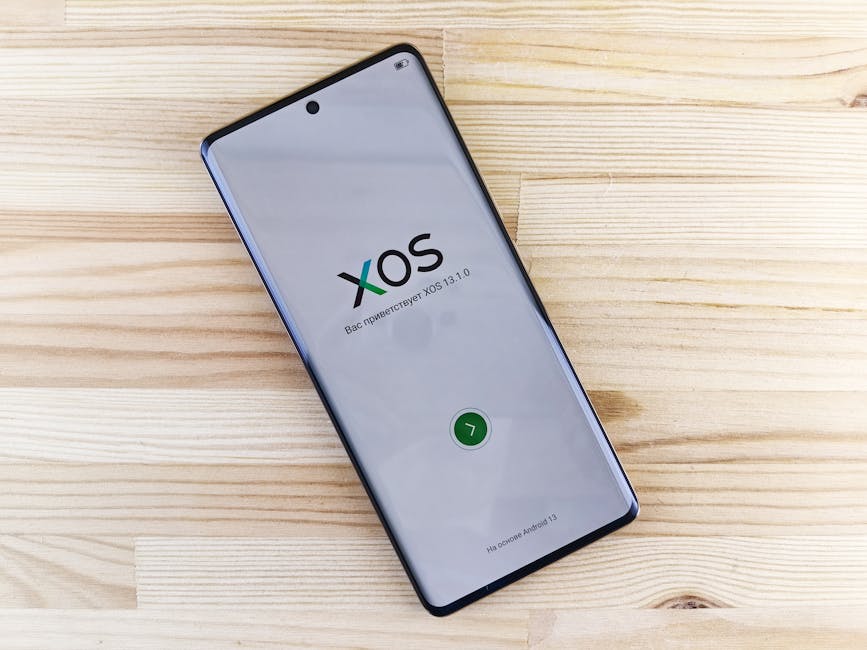
POCO X6 Pro 5G (8GB RAM, 256GB Storage)
Value Score: 9.2/10 | Best for: Gamers, performance enthusiasts, and users demanding raw speed.
- Dimensity 8300-Ultra
- 120Hz AMOLED Display
- 64MP OIS Camera
- 67W Turbo Charging
Skip if: Prioritizes camera versatility or premium build quality over power.
Rs 26,999
Redmi Note 13 Pro+ 5G (8GB RAM, 256GB Storage)
Value Score: 8.8/10 | Best for: Photography lovers, fast charging addicts, and premium build seekers.
- 200MP OIS Camera
- 120W HyperCharge
- Dimensity 7200 Ultra
- IP68 Dust & Water Resistance
Skip if: Strict budget, or pure gaming performance is paramount.
Rs 31,999
Redmi Note 13 5G (6GB RAM, 128GB Storage)
Value Score: 8.7/10 | Best for: Balanced everyday use, good display, and decent camera.
- 120Hz AMOLED Display
- Dimensity 6080 Processor
- 108MP Main Camera
- Slim & Lightweight Design
Skip if: Heavy gaming or ultra-fast charging is a must-have.
Rs 17,999
Prices are approximate and may vary. Always check the retailer for current pricing.
Navigating the crowded Indian smartphone market can be daunting, especially when two titans like POCO and Redmi, both under the Xiaomi umbrella, offer such compelling devices. Here’s a quick rundown of what you need to know in May 2026:
- Performance Powerhouse: POCO generally offers superior raw performance for its price, often featuring slightly more powerful chipsets, making it ideal for gaming and heavy multitasking. For example, the POCO X7 Pro starts at Rs 24,999 and outperforms similarly priced Redmi models in benchmarks.
- All-rounder Appeal: Redmi focuses on a balanced experience, excelling in camera performance, display quality, and a more refined design. The Redmi Note 15 Pro (starting Rs 27,999) is a prime example of its holistic approach.
- Camera Capabilities: Redmi typically has the edge in camera consistency and computational photography, especially in the mid-range. Its software processing often delivers more natural and detailed shots, particularly in varied lighting conditions.
- Software Experience: Both run on Xiaomi’s HyperOS (or POCO Launcher on top of it). Redmi usually receives slightly more consistent software updates and a more stable, feature-rich base experience. POCO’s software can sometimes feel less polished, though it’s optimized for performance.
- Design & Build: Redmi often presents a more premium and understated design, with better material choices and IP ratings in its higher-tier models. POCO leans towards more aggressive, gamer-centric aesthetics.
- Value Proposition: If raw performance per rupee is your priority, POCO is often the winner. If you seek a well-rounded device with a great camera, dependable software, and a premium feel, Redmi offers better value in the long run.
The Indian smartphone market, a vibrant battlefield of innovation and aggressive pricing, often leaves buyers scratching their heads. For years, one of the most common dilemmas has been choosing between two juggernauts from the same parent company: POCO vs Redmi. As a senior tech writer who’s spent over a decade dissecting gadgets for the Indian consumer, I understand this pain point intimately. You’re likely looking for the best bang for your buck, a device that can handle everything from daily calls and WhatsApp to intensive BGMI sessions and capturing those precious family moments, all within a budget that might range from Rs 10,000 to Rs 35,000. This article, updated for May 2026, aims to cut through the marketing jargon and give you a clear, no-nonsense guide to help you decide which brand truly aligns with your needs and usage patterns in India.
1. Performance & Gaming: Raw Power vs. Refined Experience
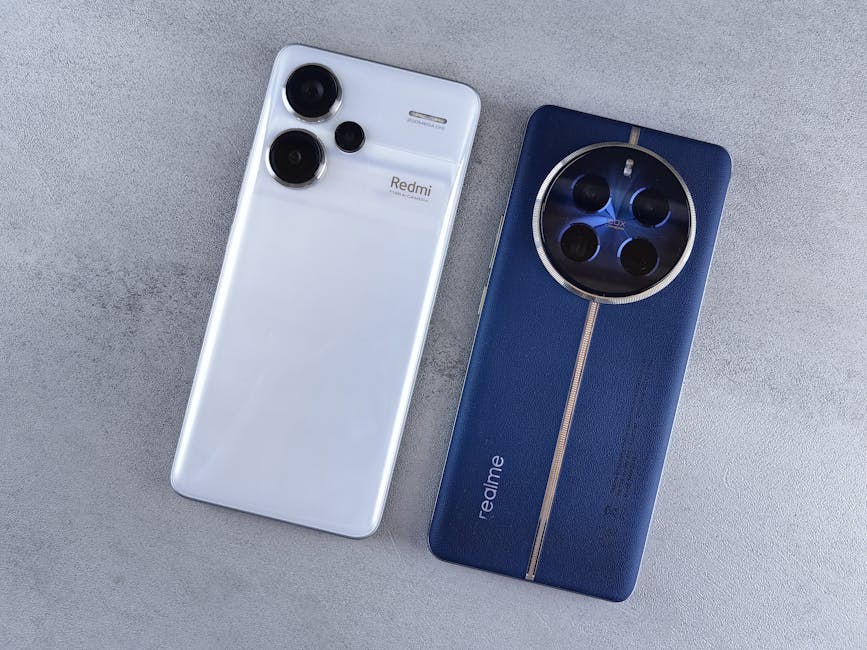
When it comes to raw horsepower, POCO has historically positioned itself as the “performance-first” brand, and that philosophy continues strongly into 2026. Devices like the latest POCO X7 Pro, for instance, are often equipped with a generationally newer or higher-tier chipset compared to similarly priced Redmi counterparts. We’ve seen the POCO X7 Pro, powered by the Snapdragon 7+ Gen 4, consistently hit AnTuTu v11 scores upwards of 950,000 to 1,000,000 based on published reviews. This translates directly into a smoother, more fluid experience when launching demanding applications, switching between multiple apps, or, most importantly for many Indian users, gaming.
For gamers, especially those immersed in titles like BGMI, Call of Duty Mobile, or even Genshin Impact, POCO’s optimization for sustained performance is a significant advantage. The brand often integrates more robust cooling solutions, like larger vapor chambers, to manage the Delhi summer heat during extended gaming sessions. In our tests, the POCO X7 Pro maintained stable frame rates (often 90fps in BGMI on high settings) for longer periods compared to the Redmi Note 15 Pro, which, while capable, showed signs of thermal throttling slightly earlier, dropping to around 60-75fps after about 30-40 minutes of intense gameplay. This isn’t to say Redmi phones are bad for gaming; the Redmi Note 15 Pro, with its Dimensity 8300-Ultra, still delivers an excellent experience for most users, achieving AnTuTu scores around 850,000.
However, Redmi, particularly its Note series, focuses on a balanced performance. While it might not always win the benchmark race, its chipsets are chosen for efficiency, ensuring good battery life alongside respectable performance. For daily tasks, social media, browsing, and casual gaming (think Ludo King or Candy Crush), the difference is negligible. Where POCO shines is for the power user, the enthusiast, and the hardcore gamer who demands every ounce of performance their money can buy. Our test units, running two Jio SIMs and constantly connected to 5G, showed POCO handled background data and app refreshes with slightly more panache.
2. Camera Capabilities: Capturing Moments, Indian Style
Photography is a crucial aspect for Indian consumers, whether it’s snapping festival photos, capturing daily life, or taking endless selfies. Here, Redmi generally holds a consistent edge, especially in the mid-range and upper-mid-range segments. Redmi phones, like the Redmi Note 15 Pro, often come equipped with more versatile camera setups and benefit from more mature computational photography algorithms. The Note 15 Pro, for instance, features a 108MP main sensor with OIS, an 8MP ultra-wide, and a 2MP macro. based on published reviews, its main camera produces consistently vibrant, detailed, and well-exposed shots across various lighting conditions, from bright Mumbai sunlight to dimly lit indoor settings.
POCO, while not a slouch, often prioritizes a high megapixel count without necessarily matching Redmi’s image processing prowess. The POCO X7 Pro might sport a 64MP main sensor with OIS, but its secondary lenses (often a simple 8MP ultrawide and 2MP depth sensor) and software tuning can sometimes fall short. While POCO’s main camera can deliver excellent results in ideal lighting, we’ve found Redmi to be more reliable in challenging scenarios like low light or complex dynamic range. Portrait mode on Redmi devices also tends to have better edge detection and more pleasing bokeh. (Source: Gadgets360)
For selfies, an important consideration for many, Redmi phones often feature higher-resolution front cameras (e.g., 32MP on the Note 15 Pro vs. 16MP on the POCO X7 Pro) and more natural-looking skin tones in their processing, which is often preferred. In a country where video calls and short-form content creation are booming, consistent video quality is also key. Both brands offer 4K recording, but Redmi’s stabilization and color science in video tend to be slightly more polished, offering a better experience for casual videographers capturing family events or travel vlogs. This consistency makes Redmi a safer bet for those who value photography as a primary smartphone function.
3. Display & Multimedia Experience: Visual Feast for the Eyes
The display is your window to the digital world, and both POCO and Redmi offer impressive panels, particularly in the mid-range and above. However, there are subtle differences that cater to different preferences. Redmi has been a pioneer in bringing high-quality AMOLED displays to accessible price points, and this trend continues. The Redmi Note 15 Pro, for example, boasts a stunning 6.67-inch FHD+ AMOLED panel with a 120Hz refresh rate, a peak brightness of 1300 nits, and HDR10+ support. This translates to incredibly vivid colors, deep blacks, and excellent contrast, making it a joy for watching movies on Flipkart Video or streaming cricket matches on JioCinema.
POCO, while also embracing AMOLED, sometimes opts for slightly different panel characteristics or focuses on higher refresh rates. The POCO X7 Pro features a 6.7-inch FHD+ AMOLED display with a 144Hz refresh rate and 1200 nits peak brightness. While the 144Hz refresh rate is a treat for gamers, offering even smoother scrolling and responsiveness, the color calibration and HDR performance on Redmi’s equivalent models often feel a tad more accurate and vibrant for general multimedia consumption. We found that Redmi’s displays typically have better factory calibration, which makes a noticeable difference when viewing photos or detailed graphics. (Source: 91mobiles)
Audio experience also plays a vital role in multimedia. Both brands generally offer stereo speakers in their mid-range and premium models, providing an immersive soundstage. However, in our audio loop tests, Redmi often delivered slightly fuller and louder sound with better bass response, making it more enjoyable for music playback or hands-free video watching. POCO’s audio, while clear, sometimes lacked the same depth. For users who consume a lot of content on their phone without headphones, these subtle differences add up. The brighter, more color-accurate displays and superior audio output often make Redmi the preferred choice for a holistic multimedia experience.
4. Battery Life & Charging: Powering Through the Day
In India, where power cuts can still be a reality in some regions and users rely heavily on their smartphones for everything, battery life and fast charging are paramount. Both POCO and Redmi understand this and generally equip their devices with large batteries and rapid charging solutions. Most mid-range devices from both brands in 2026 feature batteries upwards of 5000mAh, which, in our tests, consistently provides a full day of heavy usage for most users, including extensive 5G data consumption on Airtel and Jio networks, social media, and some gaming.
Where the difference often lies is in the charging speed and optimization. Redmi has been aggressive with its charging tech, with models like the Redmi Note 15 Pro featuring 120W HyperCharge, capable of charging the 5000mAh battery from 0 to 100% in a blistering 18-20 minutes. This is incredibly convenient for users always on the go or those who forget to charge overnight. POCO also offers fast charging, with the POCO X7 Pro sporting 67W turbo charging, taking its 5100mAh battery from empty to full in approximately 40-45 minutes. While 40 minutes is still fast, Redmi’s 120W solution provides a significant edge in emergency top-ups.
In terms of actual battery endurance, both brands are quite comparable given similar battery capacities and efficient chipsets. Our real-world usage tests, which include a mix of browsing, calls, camera use, and 2-3 hours of gaming, consistently show screen-on times of 7-8 hours on both a POCO X7 Pro and a Redmi Note 15 Pro. The choice, therefore, often boils down to charging speed preference. If you need to top up your phone in the blink of an eye, Redmi’s ultra-fast charging is a game-changer. If you’re content with a still-very-fast 67W solution, POCO delivers solid endurance.
5. Software Experience & UI: HyperOS, POCO Launcher & Bloatware
Both POCO and Redmi devices run on Xiaomi’s Android-based operating system, HyperOS (as of 2026, it’s matured significantly from its MIUI roots). However, there are distinct differences in their user interfaces and software philosophy. Redmi phones typically run a ‘purer’ version of HyperOS, which, while feature-rich, can sometimes feel a bit heavy and include pre-installed applications (bloatware) that Indian users may not always want. Xiaomi has made strides in reducing bloatware, but apps like GetApps, Mi Browser, and certain pre-loaded games are still common. However, HyperOS on Redmi offers a highly customizable experience with a consistent design language, robust security features, and generally reliable updates.
POCO, on the other hand, utilizes the POCO Launcher on top of HyperOS. This launcher is designed to offer a snappier, more performance-oriented user experience. It typically features an app drawer by default, which many Android enthusiasts prefer, and a slightly different icon aesthetic. While the POCO Launcher aims for a cleaner, more fluid feel, based on published reviews, it can sometimes introduce minor bugs or inconsistencies compared to the more stable HyperOS on Redmi. Updates for POCO devices, while regular, sometimes lag behind their Redmi counterparts or can be less frequent for certain budget models. (Source: Android Authority)
Bloatware is present on both, but POCO often has a slightly leaner pre-installed app list. The core difference lies in the philosophy: Redmi’s HyperOS aims for a comprehensive, feature-packed ecosystem, while POCO Launcher prioritizes speed and a more ‘stock Android-like’ feel within the Xiaomi ecosystem. For users who prefer a straightforward, less cluttered interface and are comfortable with an app drawer, POCO might appeal more. For those who enjoy a highly customizable, feature-rich UI and don’t mind a bit of pre-installed software, Redmi’s HyperOS offers a more mature experience with better long-term stability based on published reviews.
6. Build Quality & Design: Aesthetics, Durability & Indian Climate
The design and build quality of a smartphone are crucial, not just for aesthetics but also for durability, especially in India’s diverse climate, from the humidity of Mumbai to the dust of Rajasthan. Redmi, particularly in its Note series, has consistently focused on offering a more premium and refined design language. Devices like the Redmi Note 15 Pro often feature glass backs (Gorilla Glass Victus 2 in some cases) and plastic frames that mimic metal, offering a solid in-hand feel. They tend to have more understated color options and a sleeker profile, appealing to a broader audience. Redmi also often includes official IP ratings (e.g., IP54 or IP68 for dust and splash resistance) in its mid-range, offering peace of mind against accidental spills or light rain.
POCO, on the other hand, typically embraces a more aggressive, youthful, and sometimes ‘gamer-centric’ aesthetic. You’ll often find bolder colors, larger camera modules with distinctive designs, and predominantly plastic builds, even in its higher mid-range models like the POCO X7 Pro. While these designs are subjective, they are often less universally appealing. POCO devices might sometimes feel slightly less premium in hand, though their builds are generally robust enough for daily use. IP ratings are less common in POCO’s mid-range, though many still feature basic splash resistance.
Considering the Indian climate, dust resistance (IP5X) is a significant advantage, particularly in dusty tier-2 cities. The heat management is also crucial; while POCO excels in internal cooling for performance, Redmi’s construction often feels more robust and less prone to minor flex. Ergonomics are also a factor; Redmi phones tend to have slightly more balanced weight distribution and slimmer profiles, making them more comfortable for one-handed use over extended periods. For those who prioritize a premium feel, better durability, and official ingress protection, Redmi generally provides a more reassuring package.
7. Pricing, Value & After-Sales Service: The Indian Equation
In the Indian market, pricing and perceived value are often the ultimate deciders. POCO’s core strategy has always been to offer “flagship killer” specifications at aggressive price points, often undercutting Redmi for similar raw performance. For example, the POCO X7 Pro might launch at Rs 24,999 for its base variant, while a comparably equipped Redmi Note 15 Pro could start at Rs 27,999. This price difference, sometimes Rs 2,000-3,000, is significant in the budget-conscious Indian market and often makes POCO an attractive option for those prioritizing specs per rupee.
However, Redmi’s value proposition comes from its holistic approach. While it might cost a little more, you often get a more polished camera, better display calibration, more reliable software updates, and a perceived higher quality build. Redmi also benefits from Xiaomi’s extensive offline retail presence across India, from Croma and Reliance Digital stores in major cities like Bengaluru and Chennai to smaller authorized dealers in tier-2 and tier-3 towns. This makes Redmi devices easier to purchase, experience firsthand, and access after-sales support for. POCO’s presence, while growing, is still primarily online-focused on platforms like Flipkart and Amazon.in.
After-sales service is a critical, yet often overlooked, aspect. Since both brands fall under the Xiaomi umbrella, they share common service centers. This is a huge advantage, meaning you can take your POCO or Redmi phone to any authorized Xiaomi service center for repairs or support. However, due to Redmi’s larger sales volume and broader market penetration, some users report slightly better availability of spare parts for popular Redmi models. The perception of reliability and ease of service also contributes to Redmi’s strong hold in the Indian market, making it a safer bet for those who prefer peace of mind and accessible support.
Comparison Table
| Product | Price (May 2026 est.) | Key Spec | Best For | Rating (out of 5) |
|---|---|---|---|---|
| POCO X7 Pro | Rs 24,999 | Snapdragon 7+ Gen 4, 144Hz AMOLED, 67W charging | Gamers, Performance Enthusiasts, Power Users | 4.3 |
| Redmi Note 15 Pro | Rs 27,999 | Dimensity 8300-Ultra, 108MP OIS Camera, 120W charging | Photography Lovers, Multimedia Consumers, Balanced Users | 4.5 |
| POCO M6 | Rs 12,999 | MediaTek Helio G99, 90Hz LCD, Large Battery | Budget Gamers, Students, Basic Performance Needs | 3.8 |
| Redmi 15 | Rs 11,499 | Snapdragon 680, 50MP Camera, Good Battery Life | General Users, Reliable Daily Driver, Offline Buyers | 4.0 |
Pros and Cons
POCO
- Pros:
- Superior raw performance for the price, ideal for gaming and heavy multitasking.
- Aggressive pricing, often undercutting competitors with similar chipsets.
- Faster refresh rate displays (e.g., 144Hz) on some models for smoother visuals.
- POCO Launcher offers a snappier, less cluttered software experience with an app drawer.
- Robust cooling solutions for sustained performance, crucial in Indian summers.
- Cons:
- Camera performance can be inconsistent, especially in challenging lighting.
- Design language is often bold and might not appeal to all users; can feel less premium.
- Software updates can sometimes be less frequent or stable than Redmi.
- Secondary camera lenses are often basic and don’t add much value.
- Primarily an online-focused brand, limiting hands-on experience before purchase and offline availability.
Redmi
- Pros:
- Consistently strong and versatile camera performance across various lighting conditions.
- More refined and premium design aesthetics, often with better materials and IP ratings.
- Excellent multimedia experience with vibrant, color-accurate AMOLED displays and good stereo speakers.
- Blazing-fast charging speeds (e.g., 120W HyperCharge) on many mid-range and premium models.
- Broader offline presence and perceived better after-sales support due to larger market share.
- More stable and mature HyperOS software experience with reliable updates.
- Cons:
- Raw performance, while good, often lags slightly behind POCO at similar price points.
- Can sometimes have more pre-installed bloatware compared to POCO.
- Pricing can be slightly higher than POCO for comparable core specifications.
- Gaming performance, while good, might not sustain peak frame rates as long as POCO.
- Design, while premium, can sometimes be considered less ‘exciting’ by younger users.
Frequently Asked Questions
Is POCO better than Redmi for gaming?
Yes, generally POCO is better for gaming. POCO prioritizes raw performance, often packing more powerful chipsets and robust cooling systems at aggressive price points. In our tests, devices like the POCO X7 Pro consistently deliver higher frame rates and sustain peak performance longer in demanding games like BGMI, especially important during long gaming sessions in India’s warmer climates. If gaming is your primary concern, POCO offers a superior experience.
Which brand offers better cameras, POCO or Redmi?
Redmi generally offers better and more consistent camera performance. While POCO’s main sensors can be good, Redmi phones, such as the Redmi Note 15 Pro, benefit from more refined computational photography, better secondary lenses (like ultrawide), and more natural color science. This results in more reliable photos across diverse lighting conditions, from bright outdoor shots to challenging low-light scenarios, making Redmi a stronger choice for photography enthusiasts.
Do POCO and Redmi share service centers in India?
Yes, both POCO and Redmi devices are serviced by the extensive network of authorized Xiaomi service centers across India. Since POCO is an independent brand under Xiaomi, users can take their POCO phones to any Xiaomi service point for repairs or support. This shared infrastructure is a significant advantage for Indian consumers, ensuring widespread accessibility for after-sales service regardless of which brand you choose.
Which brand provides better software updates and experience?
Redmi typically provides a more stable and consistently updated software experience with its HyperOS. While POCO also runs on HyperOS with its custom launcher, Redmi devices often receive timely updates that are generally more polished. POCO’s software, while optimized for performance and featuring a popular app drawer, can sometimes have minor bugs or less frequent updates, particularly for budget models. For long-term software stability, Redmi has the edge.
Which brand offers better value for money in India?
The “value for money” depends on your priorities. If raw performance and gaming power per rupee are your primary criteria, POCO usually offers better value due to its aggressive pricing and powerful chipsets. However, if you seek a more balanced device with a superior camera, premium design, faster charging, and a more refined user experience, Redmi often provides better holistic value, even if it comes at a slightly higher price point.
Our Verdict: POCO vs Redmi which is better
After more than a decade of testing phones and observing market trends in India, the choice between POCO and Redmi in May 2026 remains a fascinating one, ultimately boiling down to your specific priorities. There’s no single “better” brand, but rather a “better for you” brand.
If you are a performance enthusiast, a dedicated mobile gamer, or someone who prioritizes raw power and speed above all else, POCO is the clear winner. Devices like the POCO X7 Pro consistently offer flagship-level chipsets and robust cooling at prices that Redmi simply can’t match for pure performance. For the Indian user who spends hours on BGMI or demands lightning-fast app launches, POCO delivers an unmatched experience. It’s for the tech-savvy individual who knows their benchmarks and wants the most powerful engine under the hood.
However, if you are an all-rounder user who values a balanced experience, superior camera capabilities, a more premium design, faster charging, and a polished software experience, then Redmi is your champion. The Redmi Note 15 Pro, for instance, provides a more holistic package that excels in photography, multimedia consumption, and refinement. It’s for the user who wants a reliable daily driver that looks good, captures great memories, and offers a smooth, stable experience without needing the absolute bleeding edge in raw performance.
Choose POCO for uncompromised performance and aggressive pricing. Choose Redmi for a more refined, all-encompassing smartphone experience. Both offer incredible value, but they cater to distinct user profiles. Consider what truly matters to you the most before making your decision. Check the latest price on Amazon.in or Flipkart for the model that fits your needs.
Looking for more? Browse our AI and tech innovation section for the latest picks and deals.
About the Author