
Beyond the Metros: Laptops & PCs Redefining India’s Urban & Rural Tech Landscape in 2025
Recommended Laptops & PCs Picks
HP 15s (Intel Core i3 / AMD Ryzen 3)
- Reliable performance for daily tasks & online classes.
- Lightweight design for easy portability.
- Fast boot-up & app loading with SSD.
Price: ₹32,990
Lenovo IdeaPad Slim 3 (Intel Core i3 / AMD Ryzen 3)
- Sleek, modern design and good build quality.
- Efficient for multitasking and productivity.
- Long-lasting battery life for students on the go.
Price: ₹34,990
Acer Aspire 3 (Intel Core i3 / AMD Ryzen 3)
- Excellent value for money with solid specifications.
- Comfortable keyboard for extended typing sessions.
- Ideal for online learning and basic creative tasks.
Price: ₹29,990

The hum of a powerful workstation in a Bangalore tech hub, rendering complex 3D models. The quiet click of a budget laptop in a remote Odisha village, connecting a student to an online tutor. Two scenes, same country, vastly different technological realities. As India steams ahead into 2025, the narrative around laptops and PCs isn’t just about specifications and price tags anymore; it’s a story of evolving needs, digital empowerment, and the persistent, yet shrinking, gap between its urban centres and vast rural expanse.
The Numbers Game: India’s Shifting PC Landscape

By 2025, India’s digital journey is marked by significant, albeit uneven, progress. While smartphone penetration has soared across the board, the laptop and PC market tells a more nuanced tale. Urban households are projected to show a robust PC penetration rate, with estimates suggesting close to 70-75% of urban families owning at least one personal computer or laptop. This growth is fueled by hybrid work models, advanced e-learning needs, and a thriving digital economy.
However, the picture shifts dramatically as we look beyond the cities. Rural India, despite remarkable growth spurred by initiatives like Digital India and increasing internet access through BharatNet, is likely to see PC penetration in the range of 30-35% by 2025. This indicates a doubling or tripling in some regions compared to a few years prior, but still a significant lag behind urban counterparts. According to analysis drawing from data often cited by reputable tech publications like *NDTV Gadgets*, the desktop PC market, once considered niche, is seeing a resurgence in both segments – high-end gaming and professional use in urban areas, and affordable, durable options for community centres and small businesses in rural pockets. The growth in rural areas is heavily driven by first-time buyers and community-shared resources, often prioritizing utility and cost-effectiveness over cutting-edge performance.
A Tale of Two Indias: Urban vs. Rural Tech Adoption
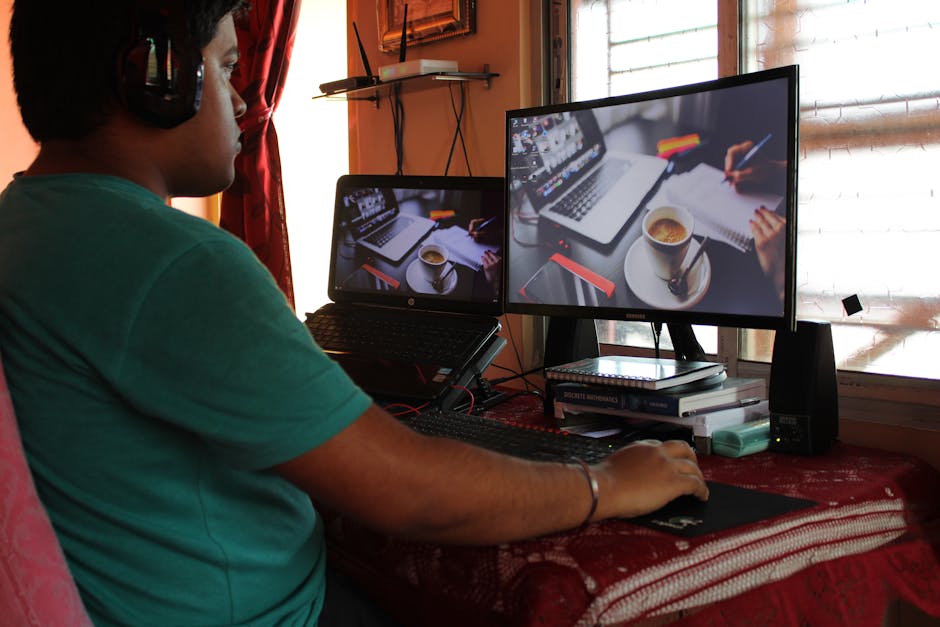
The divergence in laptop and PC adoption goes beyond mere ownership numbers; it’s deeply rooted in usage patterns, preferred specifications, and the very purpose these devices serve.
Urban India: Power, Portability, and Prestige
In cities like Mumbai, Delhi, and Hyderabad, the laptop is an extension of identity and productivity. Professionals demand ultra-portable ultrabooks with powerful processors (think Intel Core i7/i9 or AMD Ryzen 7/9), ample RAM, and crisp OLED displays for demanding tasks like coding, graphic design, video editing, and financial modeling. Gaming PCs, often custom-built behemoths with dedicated graphics cards, remain popular among enthusiasts. Hybrid work cultures have solidified the need for reliable home setups, complete with external monitors, ergonomic keyboards, and high-quality webcams. Brands like Apple, Dell XPS, HP Spectre, and high-end Lenovo ThinkPads are staples, reflecting a market that values performance, aesthetics, and ecosystem integration. Connectivity is rarely an issue, with high-speed fiber broadband being commonplace, allowing for seamless cloud-based work and entertainment.
Rural India: Resilience, Reach, and Resourcefulness
The needs in rural India are fundamentally different. Here, the focus shifts to resilience, affordability, and the ability to connect to essential services. Budget laptops (typically under ₹30,000) featuring basic processors (Intel Core i3/i5 or AMD Ryzen 3/5), sufficient RAM for browsing and document work, and robust build quality are paramount. Devices are often shared within families or community centres, used for e-governance services, accessing online education platforms, vocational training, and managing small agricultural businesses. The rise of “ruggedized” budget laptops, designed to withstand power fluctuations and dust, is gaining traction.
Connectivity remains a challenge, but the proliferation of affordable 4G and emerging 5G networks, often accessed via dongles or shared Wi-Fi hotspots, is a game-changer. Power backup solutions and energy-efficient models are highly valued. Reports often highlighted by publications such as *Gadgets360* point towards a growing demand for locally assembled or government-subsidized PCs in these regions, emphasizing local language support and easy serviceability. These machines aren’t just tools; they are gateways to information, market access, and a broader world.
Bridging the Byte Gap: The Road Ahead
The disparity, while evident, also highlights immense opportunities. For manufacturers, it means designing more durable, energy-efficient, and region-specific devices. For policymakers, it emphasizes the continued push for affordable, reliable internet infrastructure and digital literacy programs. The growth in rural PC adoption signifies a powerful movement towards greater inclusion, enabling farmers to access weather data, students to attend virtual classes, and entrepreneurs to reach new markets. The urban tech scene, meanwhile, continues to push boundaries, driving innovation that eventually trickles down and becomes more accessible.
Final Thoughts
India’s journey with laptops and PCs in 2025 isn’t just about silicon and screens; it’s a testament to the nation’s evolving aspirations. From the glass towers of Gurugram to the dusty lanes of a remote village, these machines are not just productivity tools but instruments of change. The urban user demands cutting-edge power, a reflection of a fast-paced, competitive world. The rural user seeks a reliable window to opportunity, a symbol of hope and progress. The challenge, and indeed the beauty, lies in ensuring that this digital divide transforms into a digital bridge, connecting every Indian to the immense potential that technology promises. It’s a continuous, dynamic process where innovation from the top meets necessity from the ground up, forging a truly connected and empowered India.
Looking for more? Explore our smartphone deals section.
About the Author