Unleash 2026: Smartphones for India’s Gen Z Hustle
Published: 2026-01-23 | Updated: 2026-01-23 The alarm rings, a quick swipe, then a frantic check of the metro app, a rapid scroll through Instagram Reels,
The alarm rings, a quick swipe, then a frantic check of the metro app, a rapid scroll through Instagram Reels, and a quick video call to coordinate breakfast plans – all before even stepping out. This is the daily digital ballet of an Indian youngster in 2026.
Quick Summary
Recommended Smartphones Picks
Realme P1 5G
Powerful Dimensity 7050 5G Processor for smooth performance
45W SuperVOOC Charge with 5000mAh Battery for extended use
Vibrant 120Hz AMOLED Display & 50MP AI Camera for content creation
Indian youth prioritize smartphones for content creation, consumption, and social connection.
Battery life, camera quality, and smooth performance are key decision-makers.
Mid-range smartphones, priced between ₹20,000-₹40,000, dominate the youth market.
5G connectivity and fast charging are now considered standard expectations.
Smartphones are evolving beyond communication tools to personal identity extensions.
The Evolving Digital Landscape for Indian Youth
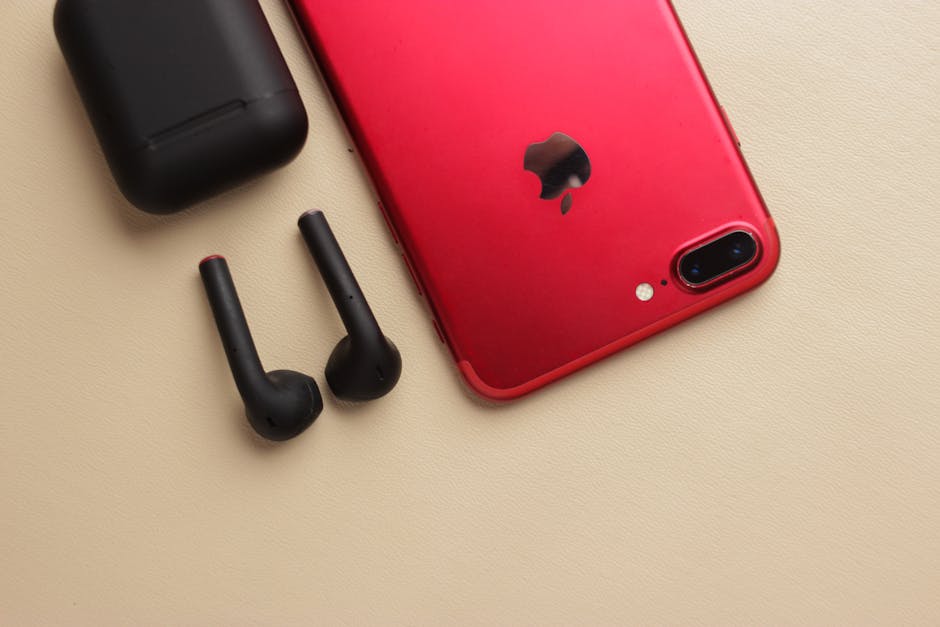
Fast Charging Phone – Image via Pexels
The smartphone isn’t just a gadget for India’s youth; it’s an extension of their identity, a gateway to opportunities, and their primary mode of interaction with the world. In 2026, we’re seeing a significant shift from passive consumption to active creation. From aspiring influencers honing their craft on short-form video platforms to casual gamers engaging in competitive mobile esports, the device in their hand is a powerful tool. Data from sources like Gadgets360 consistently highlight the surging demand for devices that can keep up with this dynamic usage.
Connectivity is paramount. With 5G now widely deployed across major cities and expanding into Tier 2 and Tier 3 regions, seamless streaming, lag-free gaming, and instant content uploads are non-negotiable. This always-on culture demands not just speed, but also robust battery life and efficient processing power, pushing manufacturers to innovate rapidly in the Indian market.
Beyond Specs: What Indian Youth *Actually* Do
Content Creation Mobile – Image via Pexels
While marketing often focuses on core specifications, understanding actual usage patterns provides a clearer picture. For the average Indian youth, a smartphone is a multi-tasking powerhouse. They’re jumping between college lectures on a video call, editing a Reel for their growing follower base, streaming music, and then diving into a high-graphics game like BGMI or Call of Duty Mobile. This simultaneous demand puts immense pressure on a phone’s processor, RAM, and thermal management. A report by Android Authority on emerging markets noted that user experience, particularly UI fluidity and app responsiveness, often trumps raw benchmark scores for this demographic.
Camera capabilities are another non-negotiable. It’s not just about megapixel count anymore; computational photography, AI enhancements, and diverse lens options (ultrawide, macro) for creative expression are highly valued. Storage, too, is critical for housing countless photos, videos, and a growing library of apps and games. Fast charging technology has also become a baseline expectation, allowing users to quickly top up their devices during short breaks.
Navigating the 2026 Smartphone Market: A Buying Guide
Choosing a smartphone in 2026, especially for the discerning Indian youth, means striking a balance between budget, performance, and features that align with their digital lifestyle. The sweet spot for value-for-money devices often lies in the ₹20,000-₹40,000 segment, where brands offer compelling packages.
Pros & Cons of Current Smartphone Trends for Youth
Pro: Advanced Cameras: Multi-lens setups and AI processing allow for incredible content creation directly from the phone.
Con: Price Creep: As features improve, even mid-range devices are getting pricier, making budget constraints a real concern.
Pro: Fast Charging: Get hours of usage from minutes of charging, crucial for busy schedules.
Con: Battery Degradation: Frequent fast charging can sometimes impact long-term battery health.
Pro: High Refresh Rate Displays: Smoother scrolling and gaming, enhancing the user experience.
Con: Battery Drain: Higher refresh rates consume more power, requiring larger batteries or more efficient software.
When making a purchase, prioritize these aspects:
Battery Life: Look for at least a 5000mAh battery with 33W or faster charging.
Camera: Don’t just look at megapixels. Read reviews focusing on low-light performance and video stability.
Performance: A good Snapdragon 700 series (or equivalent MediaTek Dimensity) processor with at least 8GB RAM ensures smooth multitasking and gaming.
Display: An AMOLED panel with a 120Hz refresh rate offers vibrant colors and fluid visuals.
Software Updates: Opt for brands that promise at least 2-3 years of Android updates for longevity and security.
Frequently Asked Questions
What’s the most crucial smartphone feature for Indian youth in 2026?
While it varies, the combination of robust battery life and versatile camera capabilities tops the list. They enable continuous content creation, consumption, and social interaction throughout the day without interruption.
Is 5G connectivity still a must-have in a 2026 smartphone?
Absolutely. 5G is no longer a premium feature but an expected standard. It ensures future-proofing, faster downloads, smoother streaming, and significantly lower latency for gaming and video calls across India’s expanding network.
How much should an Indian student expect to spend on a good smartphone today?
A “good” smartphone for the typical Indian youth can range from ₹20,000 to ₹40,000. This segment offers excellent value, balancing performance, camera quality, and battery life without breaking the bank.
Which smartphone brands are most popular among Indian youth in 2026?
Brands like Xiaomi, Realme, Samsung, and OnePlus continue to hold strong appeal due to their competitive pricing, feature-packed offerings, and strong marketing towards youth. Apple also retains a premium aspirational segment.
Final Thoughts
The smartphone landscape for Indian youth in 2026 is a vibrant reflection of their evolving digital lives. It’s no longer about owning the latest gadget, but about finding a companion that empowers their creativity, fuels their social connections, and keeps pace with their dynamic aspirations. As devices become more integrated with AI and offer personalized experiences, their role in shaping the next generation’s journey will only grow deeper and more significant.
Looking for more? Explore our tech guides section.