Your Smart Home, Smarter Choices: A 2025 Buying Guide for Indian Consumers .product-section { margin: 24px 0; } .product-box { border: 1px solid #e6e6e6; b
The vision of a truly smart home, once a distant dream from sci-fi movies, is rapidly becoming a tangible reality in Indian households. From the bustling metros to tier-2 cities, more families are embracing connected living. But with an explosion of devices, platforms, and promises, stepping into the smart home arena in 2025 can feel less like an upgrade and more like navigating a dense jungle. Don’t just buy gadgets; build an intelligent environment. This guide cuts through the noise to help you make informed decisions tailored for the Indian landscape.
Start with a Problem, Not a Product
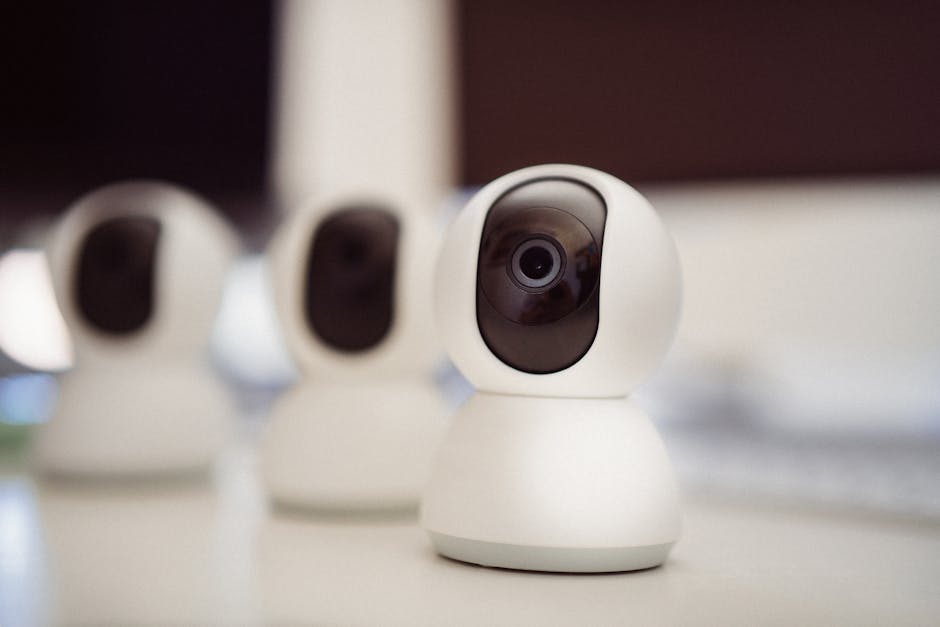
Smart Security Camera – Image via Pexels
Before you even glance at a smart plug or a voice assistant, pause and consider what daily frustrations you’re trying to solve. Is it the anxiety of leaving the AC on after stepping out? The hassle of fumbling for light switches in the dark? Or perhaps ensuring your elderly parents can control their appliances with ease? For many Indian homes, concerns like energy wastage during long summer days, enhanced security for apartments, or even simply the convenience of voice control for those less tech-savvy family members are primary drivers. Pinpointing these pain points will naturally lead you to the right category of smart devices, preventing impulse buys that gather digital dust.
The Ecosystem Advantage: Compatibility is King
Voice Assistant Device – Image via Pexels
Think of your smart home as an orchestra. You don’t want each instrument playing a different tune. In 2025, the dominance of ecosystems like Google Home, Amazon Alexa, and to a lesser extent, Apple HomeKit, is undeniable. Choosing one primary platform ensures your devices “talk” to each other seamlessly. For instance, if you have a Google Nest Hub, you’ll want smart lights and plugs that are “Works with Google Home.” This prevents fragmented control and allows for powerful automations – imagine your geyser switching on automatically when your morning alarm rings, or your smart fan adjusting speed based on the room’s temperature sensor. Gadgets 360 often highlights the importance of this integration for a truly cohesive experience. Consider which voice assistant understands regional Indian accents best or offers services relevant to local content.
Key Smart Home Categories and What to Prioritise
Smart Lighting: Beyond On/Off
This is often the entry point. Look for energy-efficient LED bulbs (like those from Wipro or Philips Hue) that offer dimming, colour changes, and scheduling. Crucially, ensure they can operate even if your Wi-Fi briefly goes down (some higher-end options have local control). For Indian homes, options that handle voltage fluctuations well are a plus.
Smart Security: Your Digital Watchman
From doorbell cameras to indoor surveillance (e.g., Xiaomi’s offerings or TP-Link Tapo), security is a top concern. Prioritise clear night vision, two-way audio, and local storage options (SD card) to avoid hefty cloud subscription fees. Consider smart door locks (like those from Godrej or Yale) that integrate with your ecosystem for keyless entry or remote access – a boon for domestic help or deliveries. Ensure robust encryption for your data.
Smart Plugs & Appliances: Everyday Convenience
These are workhorses. Smart plugs (available from brands like Mi, Wipro, or AmazonBasics) can turn any ‘dumb’ appliance into a smart one – control your iron, mosquito repellent, or phone charger remotely. Look for energy monitoring features to keep an eye on electricity bills. For new appliances, consider Wi-Fi enabled ACs, washing machines, or air purifiers from brands like LG or Samsung that natively integrate with smart home platforms.
Climate Control: Beat the Heat, Smartly
Beyond smart ACs, consider smart thermostats or even smart IR blasters that can control older ACs and TVs. These can learn your habits and adjust temperatures for optimal comfort and energy savings, crucial during India’s long summers. Integration with local weather data can even pre-cool your home before you arrive.
Budgeting for Brilliance: Value vs. Vanity
The smart home market in India caters to all budgets. You can start with a single smart plug for ₹500 or invest in a full-fledged smart ecosystem costing lakhs. The key is to expand gradually. Don’t feel pressured to buy everything at once. Focus on one or two pain points, invest in quality foundational devices (like a reliable voice assistant hub), and then add on. Look for bundle deals during festive sales, and always check for local warranties and after-sales service, which can be a make-or-break factor. Android Authority frequently reviews budget-friendly yet effective smart home gadgets available in India, providing excellent starting points.
Privacy & Security: Your Digital Fortress
Every connected device is a potential entry point for security vulnerabilities. Prioritise brands with a strong reputation for data privacy. Always use strong, unique passwords for your smart home accounts and enable two-factor authentication. Regularly check for firmware updates, as these often contain critical security patches. Be mindful of where you place smart cameras and the data they collect. A smart home should enhance your life, not compromise your digital safety.
Final Thoughts
Building a smart home in 2025 isn’t about filling your house with the latest tech; it’s about crafting an intuitive, responsive environment that genuinely simplifies your life. It’s an ongoing journey, not a destination. Start small, understand your needs, choose a compatible ecosystem, and prioritise security. As technology continues to evolve, your smart home will too, adapting and learning alongside you. The smartest choice you can make today is to choose with foresight, purpose, and a clear understanding of how these brilliant gadgets can truly make your Indian home smarter, safer, and more convenient.