Your Hustle, Your Hardware: Laptops for Indian Youth
The year 2025 isn't just a date on the calendar; it’s a vibrant, digitally-native reality for India’s youth. This generation isn’t merely adopting technolo
The year 2025 isn’t just a date on the calendar; it’s a vibrant, digitally-native reality for India’s youth. This generation isn’t merely adopting technology; they’re defining its very purpose. For them, laptops and PCs are no longer just tools for productivity; they are extensions of their identity, gateways to their passions, and crucial accelerators for their ambitions. Understanding these evolving usage patterns is key to unlocking the future of personal computing in India.
The Evolving Digital Playground: What Youth Demand from Laptops & PCs in 2025
India’s young demographic, comprising Gen Z and Gen Alpha, operates across multiple digital fronts simultaneously. From high-stakes esports arenas to collaborative coding platforms, and from hyper-personalized content creation studios to global online classrooms, their devices need to keep up. This isn’t about buying the most expensive machine; it’s about acquiring the *right* machine that seamlessly integrates into their multifaceted digital lives.
Powering the Next Gen of Creators & Gamers
Hybrid workspace – Image via Pexels
For a significant chunk of Indian youth, a laptop or PC is their primary studio and battle station. The explosion of the creator economy means more young Indians are diving into video editing, graphic design, 3D rendering, and music production. They need machines that can handle demanding software like DaVinci Resolve, Adobe Creative Suite, and Blender without a stutter. This translates to a non-negotiable demand for powerful processors (Intel Core i7/i9 or AMD Ryzen 7/9 equivalents), ample RAM (16GB minimum, 32GB preferred), and dedicated GPUs (NVIDIA RTX 30-series/40-series or AMD Radeon RX equivalents).
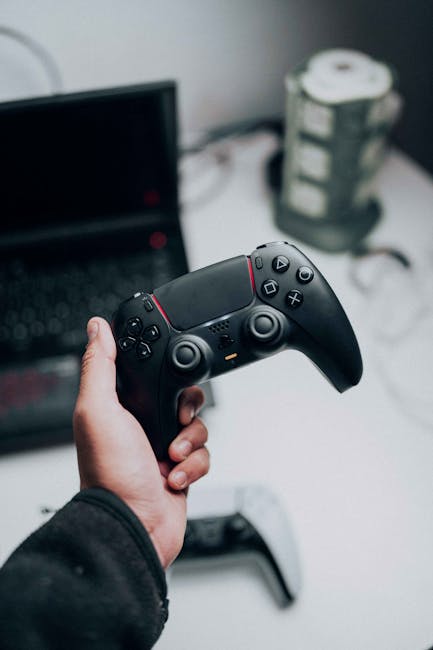
Gaming, especially esports, continues its meteoric rise. Titles like Valorant, CS:GO, and even the mobile-first BGMI, often played on emulators or higher-end PCs for competitive edge, demand high refresh rate displays (120Hz+), low latency, and robust cooling systems. According to a report by NDTV Gadgets, the Indian gaming market is projected to grow exponentially, with a significant push coming from the youth segment investing in specialized hardware for a competitive edge and immersive experiences.
The Hybrid Hustle: Learn, Work, and Connect Seamlessly
Personalized tech – Image via Pexels
The hybrid model of learning and working is firmly entrenched. University students are attending virtual lectures, collaborating on group projects, and developing portfolios, all from their laptops. Young professionals, many embracing freelancing or startup culture, require devices that offer both portability for co-working spaces and the power for intensive tasks. Battery life is paramount, often exceeding 8-10 hours, alongside robust Wi-Fi 6/6E and increasingly, 5G connectivity options for always-on access.
Webcams and microphones, once afterthoughts, are now critical components. Full HD (1080p) webcams with AI-powered noise cancellation and privacy features are becoming standard, reflecting the constant video calls and online presentations that define their academic and professional spheres. Devices that can effortlessly switch between modes – laptop, tablet, tent – offer the versatility this demographic craves, adapting to a lecture hall one moment and a content consumption session the next.
More Than Just Specs: Experience Matters
Beyond raw specifications, the user experience profoundly influences purchasing decisions. Display quality is crucial, with a growing preference for OLED panels and high resolution (QHD or 4K) for vibrant colours and sharp details, essential for both media consumption and creative work. Ergonomics, including a comfortable keyboard with good travel and a responsive trackpad, are highly valued for long hours of typing and editing. As noted by Gadgets360, user experience, encompassing design, build quality, and software integration, is increasingly a differentiator in a crowded tech market, especially for discerning young consumers.
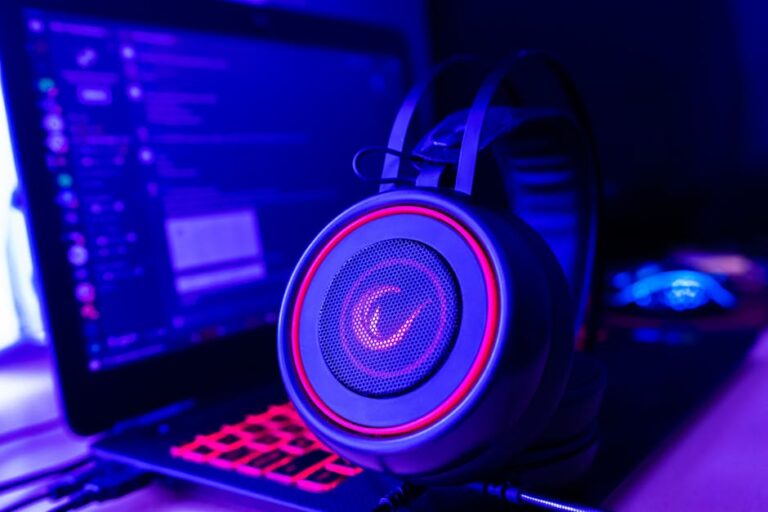
Aesthetics also play a significant role. Sleek, minimalist designs, often with lightweight chassis, are popular, reflecting a desire for devices that look as good as they perform. Customization options, whether through RGB lighting for gaming rigs or unique colourways for creator laptops, allow youth to express their individuality through their tech.
The Indian Edge: Value, Versatility, and Local Innovations
While global trends influence, the Indian youth market maintains unique characteristics. Value for money remains a strong consideration, but this isn’t synonymous with cheap. It means demanding maximum features and performance within a specific budget bracket. Brands that offer robust after-sales service and easily accessible support gain a significant edge. Furthermore, the burgeoning local manufacturing ecosystem is allowing brands to tailor devices specifically for Indian conditions and price points, offering greater choice and competitive pricing.
Final Thoughts: The Personalization Imperative
In 2025, for India’s youth, a laptop or PC is less a device and more an integrated extension of their digital self. It’s the canvas for their creativity, the arena for their competitive spirit, and the classroom for their intellectual growth. Manufacturers who truly understand this deep-seated need for personalization – not just in hardware, but in software experiences and ecosystem integration – will capture the imagination and loyalty of this dynamic, tech-savvy generation. The future of personal computing in India is not about selling more boxes; it’s about empowering individual journeys.